Head of Arctic Office

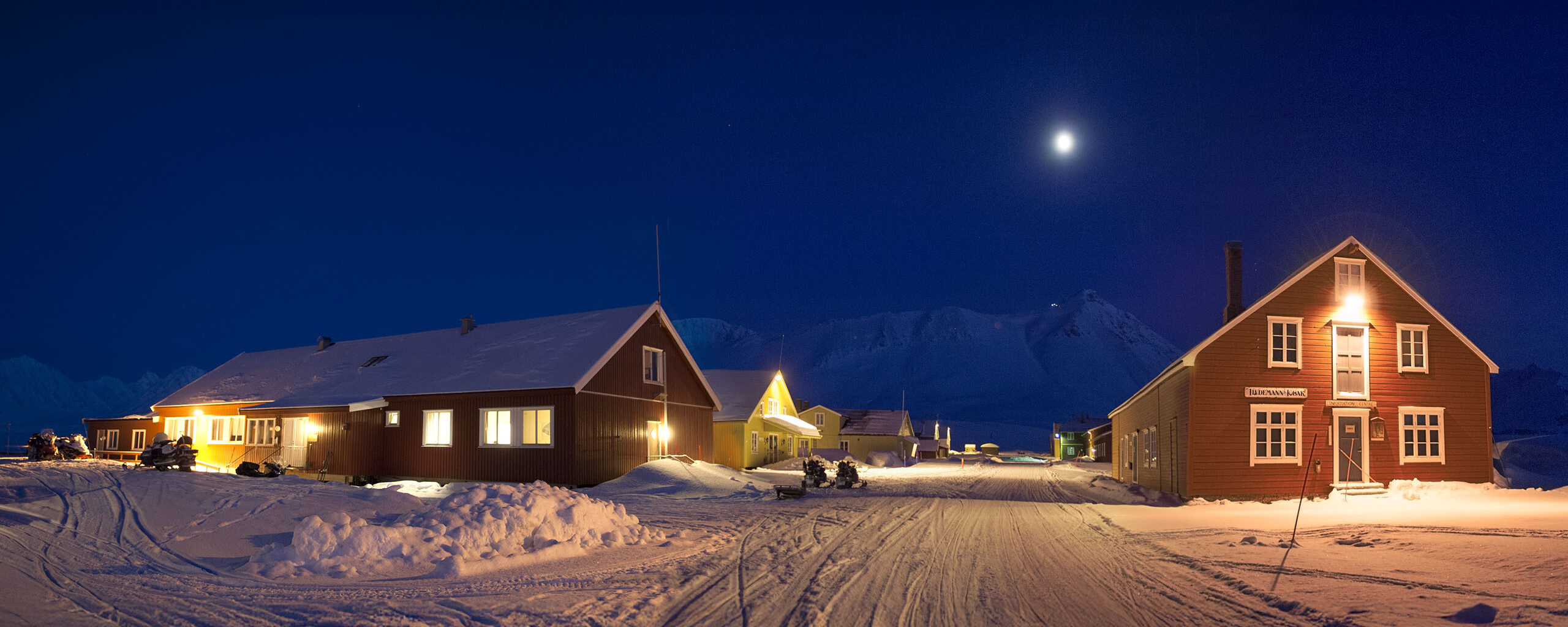
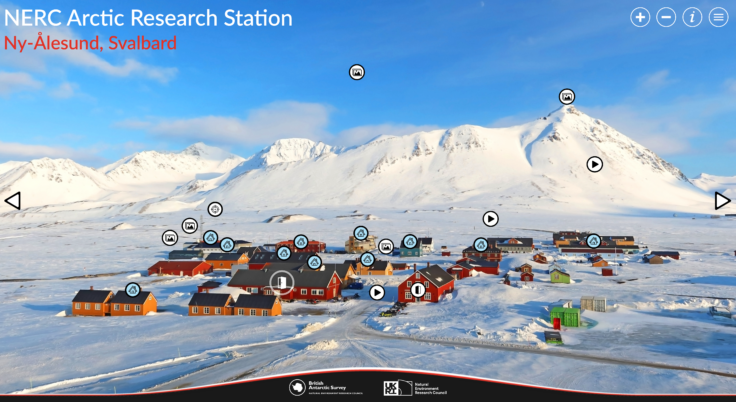
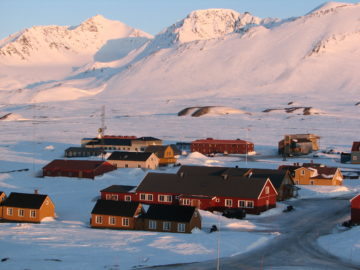
The UK’s only Arctic Research Station, also known as ‘Harland-Cox Huset’, is situation in the international research community of Ny-Ålesund, on Svalbard.
The station is funded by the Natural Environment Research Council (NERC) and is one of fourteen internationally operated institutions that form part of this unique northernmost research community. It is managed and operated by British Antarctic Survey (BAS).
The station operates primarily from March to September each year, providing essential facilities, field support and accommodation for researchers from UK universities, research institutes, and their international collaborators.
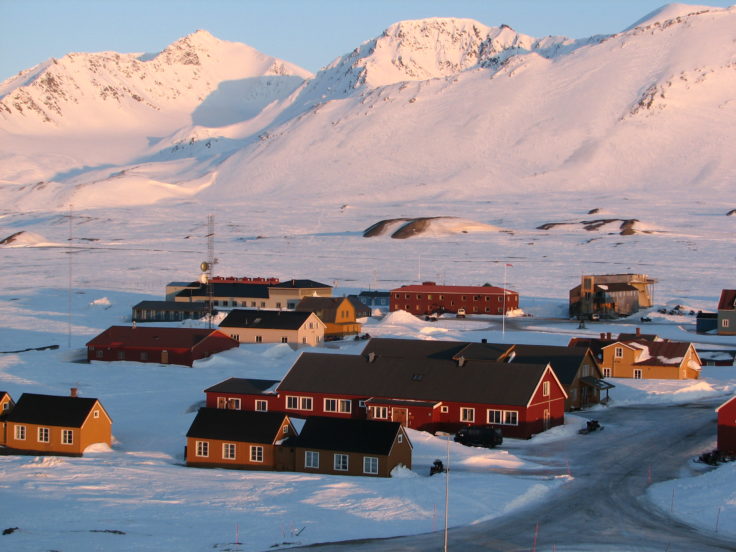
Ny-Ålesund International Research Village
The cross-discipline research and international collaboration conducted in Ny-Ålesund brings together researchers from many nationalities and disciplines to advance the understanding of global environmental issues.
The international community at Ny-Ålesund focuses on four Flagship science programmes:
The station itself supports approximately 10-15 research projects annually, involving 40-50 scientists. It’s a relative accessibility makes it an ideal location for proving new technology in a hostile environment and for early career researchers to gain valuable skills in polar fieldwork.
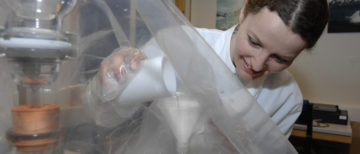
The station is well-equipped with a versatile multipurpose laboratory that includes a large main laboratory, wet lab and a dry lab that provide researchers with basic lab equipment to carry out some of their research.
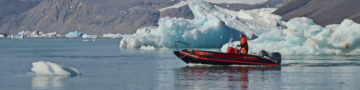
The station owns a Polarcirkel Workboat, which is used to carry out research, but also to transport teams to locations within the Kongsfjorden area. This 5.8m boat is equipped with a 100bhp outboard engine and a winch to deploy scientific equipment that can reach a depth of 500m.
Researchers also receive field training and support, including mandatory weapons training as part of polar bear awareness, a necessary safety precaution in Ny-Ålesund.
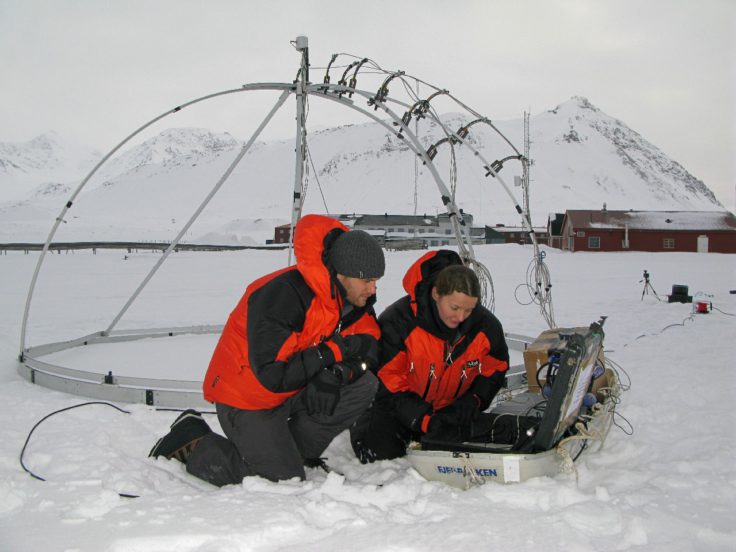
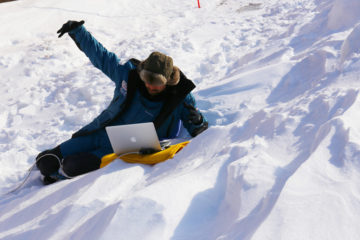
Two scientists looking at snow reflectance using a rotating detector array. This science is essential for the interpretation of satellite imagery of the polar regions.
The station provides excellent facilities and accommodation for researchers from across all UK universities, research institutes and other recognised organisations, and their international collaborators, wanting to carry out a range of environmental research in accordance with the Natural Environment Research Council science remit.
This includes ecological, glacial/periglacial geomorphology, hydrology and atmospheric chemistry and marine research.
Priority use of the station is given to researchers funded by United Kingdom Research and Innovation.
If you wish to apply, please visit the NERC Arctic Office.
Head of Arctic Office
The UK Arctic Research Station operates a PolarCirkel workboat.
During the early part of the 2019 season, the Station laboratory underwent a major upgrade. This multipurpose facility comprises four separate laboratory spaces.
BIOPOLE studies how climate change is affecting the release of nutrients from the polar regions, and their redistribution around the world’s oceans.
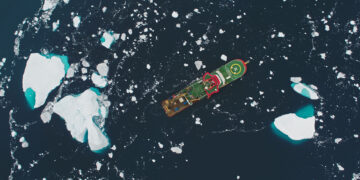
SiCLING studies how silicon cycles in Arctic and Antarctic glacial environments and how these cycles affect marine ecosystems and carbon flow.
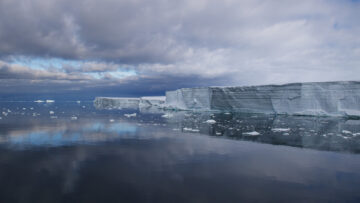
Bedmap Himalayas measures how much water is stored as glacier ice in High Mountain Asia by mapping ice thickness using radar.

This project investigated plastic pollution across Arctic and Antarctic environments. Scientists collected water, ice, and sediment samples to quantify macro and microplastic pollution, track its sources, and assess its impact on polar wildlife.

This is not my average Arctic field season. Usually the months before departure are spent in a tiered state of preparation – getting field equipment ready and sending it North, […]
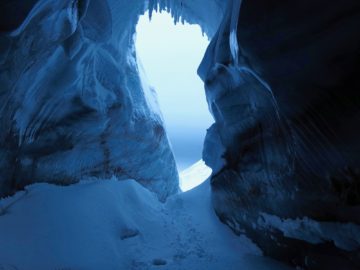
Basically, it was riches beyond my wildest dreams. There’s nothing financial about it, but the feeling of a shower and knowing that your next meal will be a three course […]
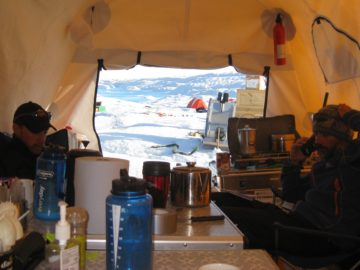
Hello! We are 16 students and early career scientists who had one thing in common: we do polar research, but had never been to the poles! Now that’s all changed and […]
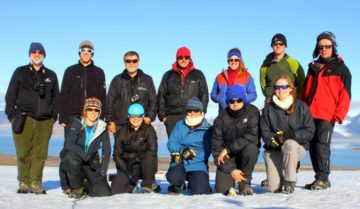
Hello! This is the first blog about the upcoming NERC Advanced Training Short Course run by the British Antarctic Survey (BAS) between 26th August and 8th September 2015. We are […]
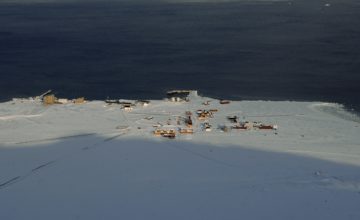
Today, 24 November 2022, marks World Walrus Day, and British Antarctic Survey (BAS) and WWF are inviting the British public to become ‘walrus detectives’ and get involved in their Walrus […]
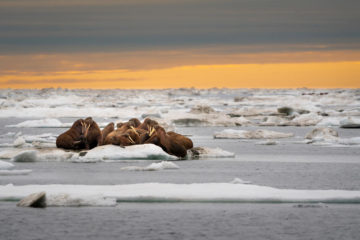
Researchers are heading to the Arctic to begin fieldwork to study walrus populations for the next stage in the Walrus from Space project.
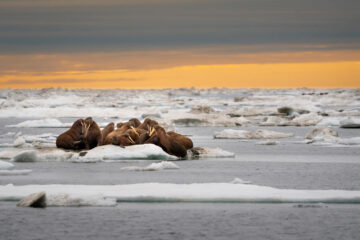
British Antarctic Survey (BAS) scientists will investigate critical challenges facing the UK, thanks to new funding from the Natural Environment Research Council (NERC). A £47m investment to several UK research […]
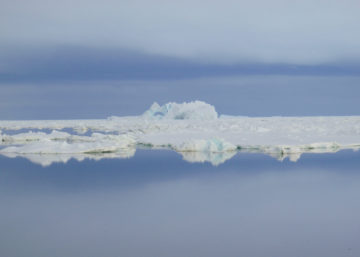
The NERC Arctic Station in Ny-Ålesund, Svalbard, is delighted to be hosting the BBC Radio 4 Today Programme this week (12-14 March 2019), including science editor Tom Feilden and presenter […]
This week scientists from University of Manchester have successfully tested their ‘metal-detecting’ technology at the UK NERC Arctic research station at Ny-Ålesund, Svalbard as part of a wider project to […]
16 PhD students and Early Career Researchers have a unique opportunity to gain practical skills for working safely and effectively in the polar regions.
coordinating UK Arctic issues, research and logistics.
The Natural Environment Research Council (NERC) has announced it will invest £16m in research to study the effects of dramatic changes in Arctic ice cover over the last three decades on […]
Digital Explorer launches virtual adventure on the ice at the UK Arctic Research Station The British Antarctic Survey is proud to support Digital Explorer’s second visit to the UK Arctic […]
Extreme science in extreme conditions: frozen in to the Arctic winter Dr Markus Frey, a British Antarctic Survey (BAS) ice and atmospheric scientist, is living and working aboard the Norwegian […]
New UK report shows that respect for Arctic states, local people and the environment is fundamental to Arctic engagement Today, for the first time, the UK Government has set out […]