Historic drilling project finds ice over 1.2 million years old
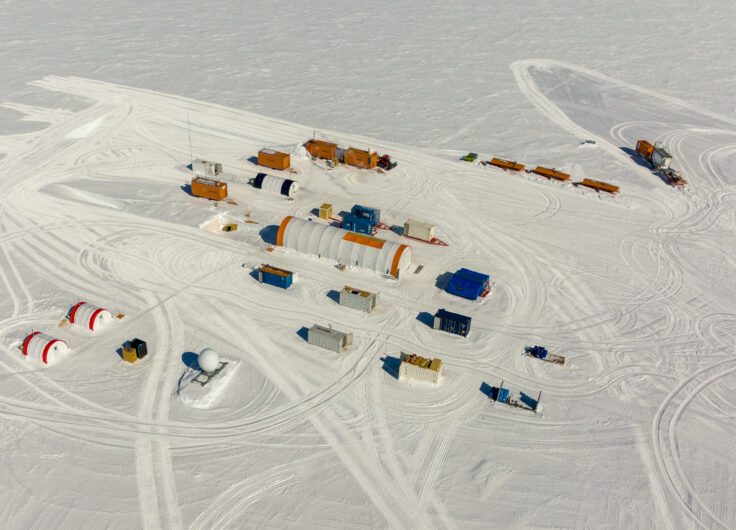
The Beyond EPICA-Oldest Ice project has successfully drilled a 2800-metre-long ice core consisting of ice which is over 1.2 million years old.

49 to 60 of 933 results
The Beyond EPICA-Oldest Ice project has successfully drilled a 2800-metre-long ice core consisting of ice which is over 1.2 million years old.
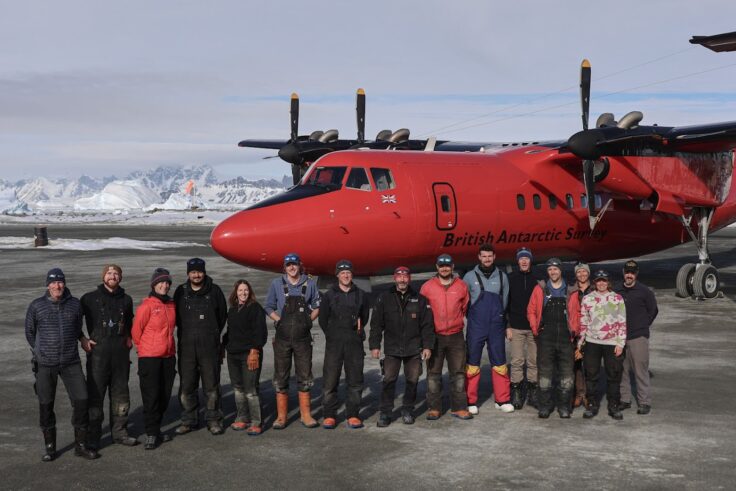
Rod Arnold, Head of the Air Unit at the British Antarctic Survey (BAS), has been awarded an MBE in the New Year Honours list for services to Polar Science and Aviation in British Antarctic Territory.
A new study shows that the ongoing decline in Antarctic sea ice is leading to more heat loss from the ocean to the atmosphere and an increase in storm activity. The research, led by the UK’s National Oceanography Centre (NOC), focuses on the record-low sea ice cover in Antarctica during the winter of 2023.
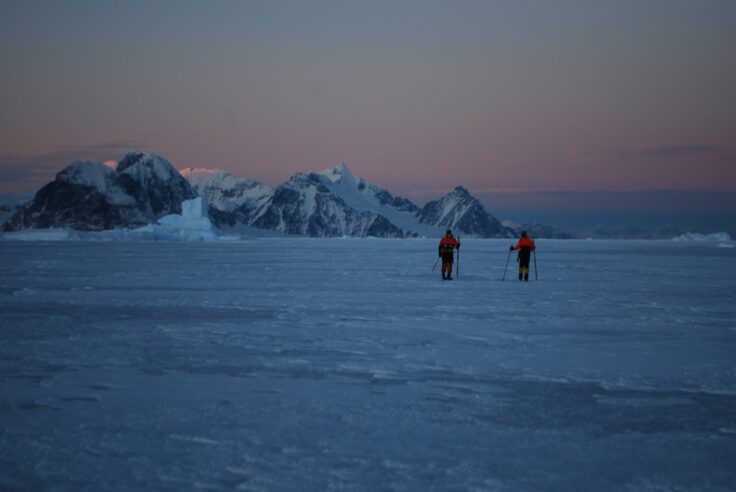
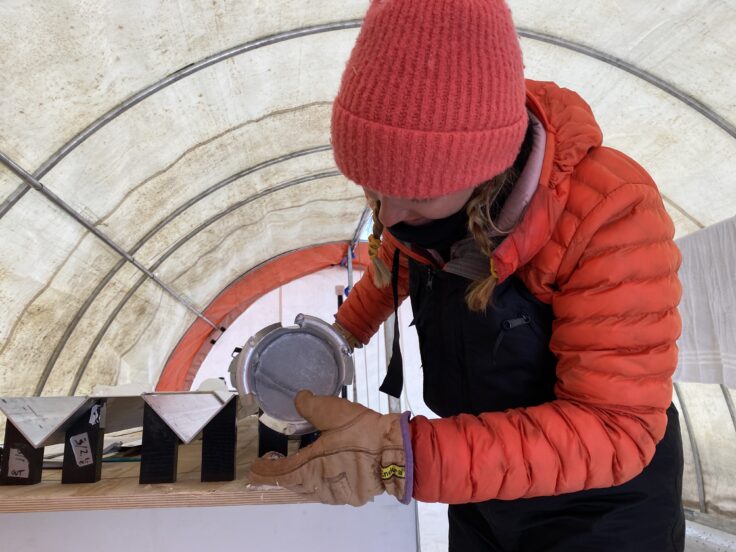
Over 30 researchers from international institutes are working on ice core drilling campaigns in Antarctica to probe the ice sheet’s behaviour, carbon cycling in the Southern Ocean, and the Earth’s climate history.
ritish Antarctic Survey (BAS) staff working on the frozen continent are preparing to celebrate the festive season in style. Nearly 300 researchers, engineers, crew and support staff, located across five research stations and on board the RRS Sir David Attenborough, are guaranteed a white Christmas complete with snow, ice and penguins.

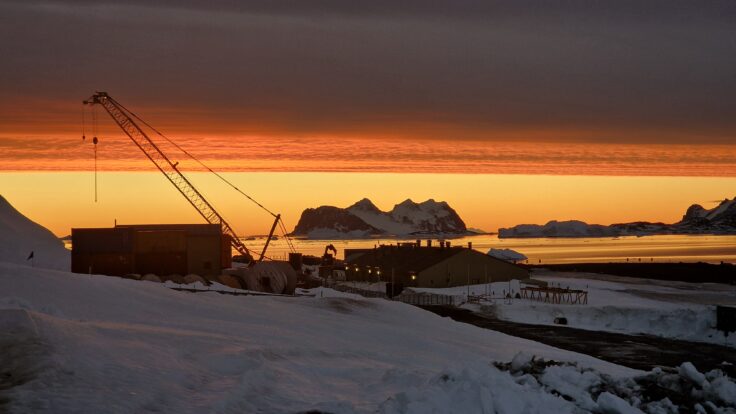
Welcome to our third Postcard from Rothera Research Station, giving you an update on the latest progress as we modernise our largest station in Antarctica.
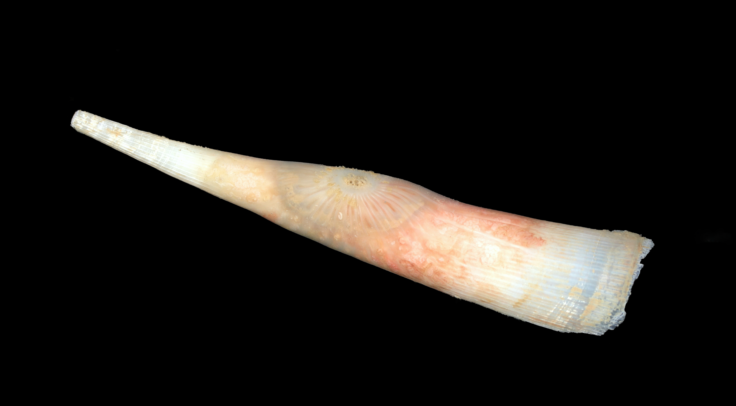
A new species of tusk shell, a burrowing marine mollusc, has been discovered in deep, North Atlantic waters by scientists from British Antarctic Survey and the Senckenberg Society for Nature Research.
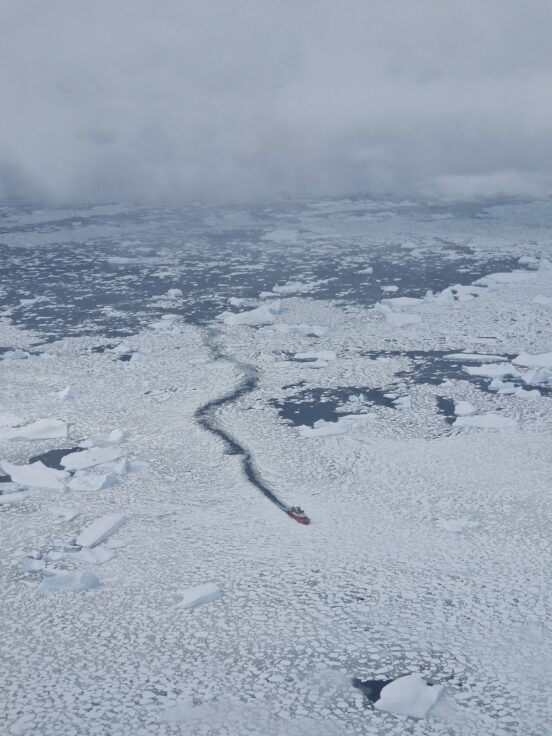
A project looking at how clouds affect climate change in Antarctica starts its second year of field research this month. The Southern Ocean Clouds (SOC) project, which is part of the CloudSense programme, will carry out research on the RRS Sir David Attenborough and at Rothera Research Station in Antarctica.
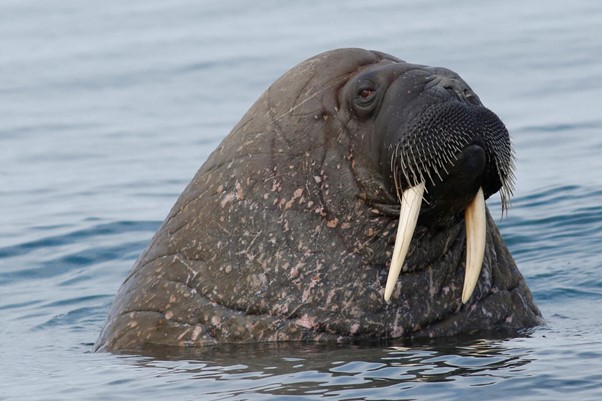
From their unmistakable tusks to their characteristic bristles (the envy of many a ‘Movember’ moustache!), the walrus is one of the Arctic’s most iconic species, and today (Sunday 24 November) is World Walrus Day!
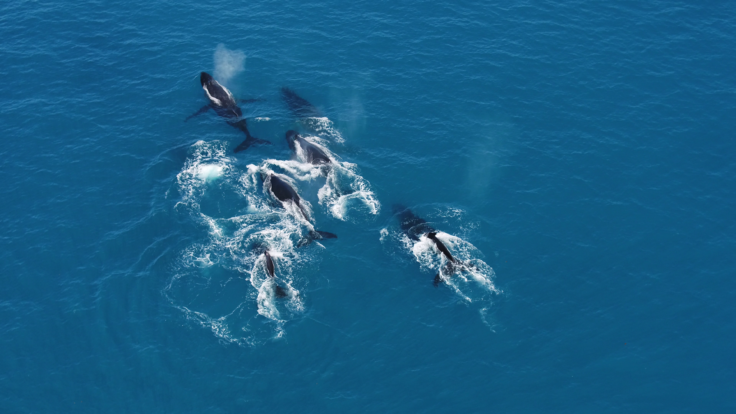
A new study examines the risk to whales from ship strikes – the leading cause of death worldwide for the species.
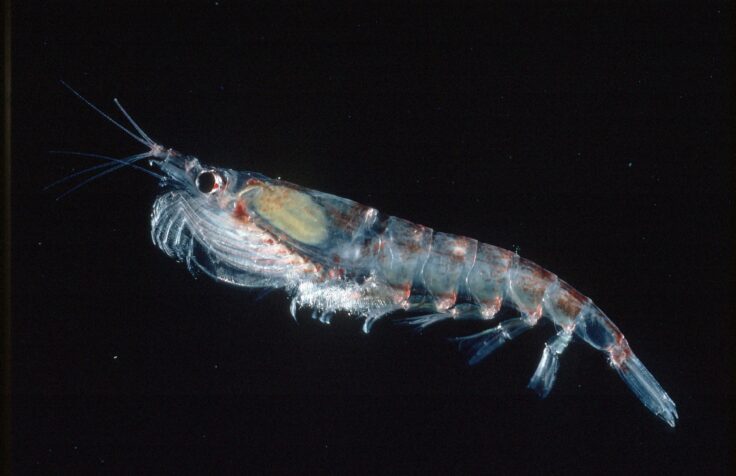
New research shows that increased levels of plastic pollution in the Southern Ocean could reduce the ability of Antarctic krill, a tiny shrimp-like crustacean, to help take CO2 from the atmosphere.
An international research team, led by British Antarctic Survey (BAS), has been awarded £3.7M to advance a ground-breaking study on how underwater tsunamis are triggered by glacier calving around Antarctica.