Postcard from Rothera Research Station: January 2026
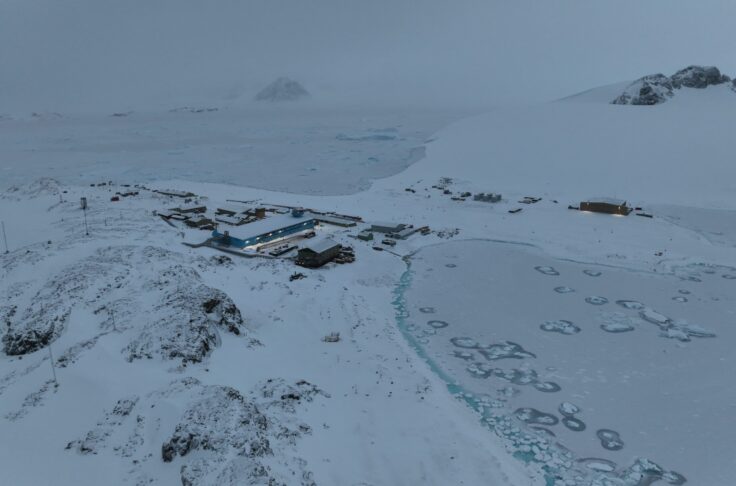
Welcome to a bumper edition of our postcard update! Rothera Research Station has been a hive of activity since our last postcard with science and operations underway, VIP and […]

25 to 36 of 952 results
Welcome to a bumper edition of our postcard update! Rothera Research Station has been a hive of activity since our last postcard with science and operations underway, VIP and […]
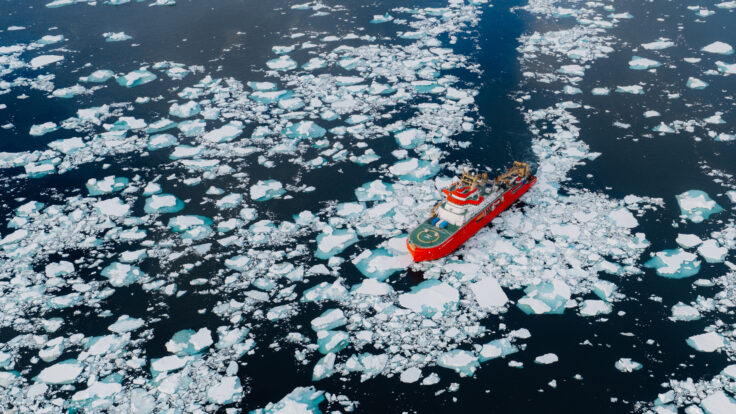
Specialist divers will be entering the icy waters of the Weddell Sea, Antarctica this festive season (22-29 December) as part of a groundbreaking mission to test RRS Sir David Attenborough’s (SDA) ability to navigate through challenging sea ice conditions.
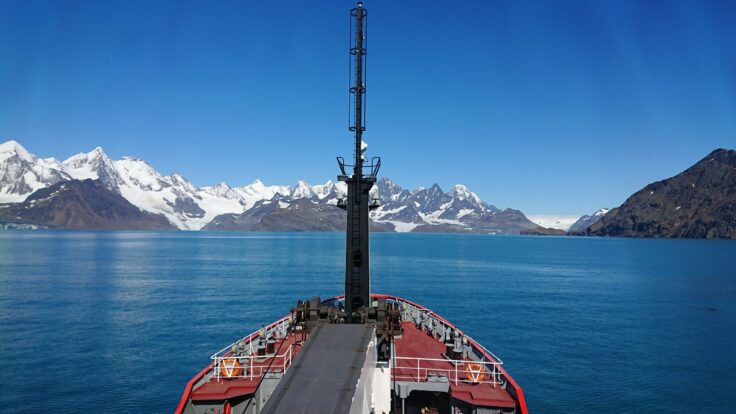
Scientists have uncovered how changing ocean currents in South Georgia’s fjords could affect the survival of young mackerel icefish. The species is a key component of the island’s rich marine […]
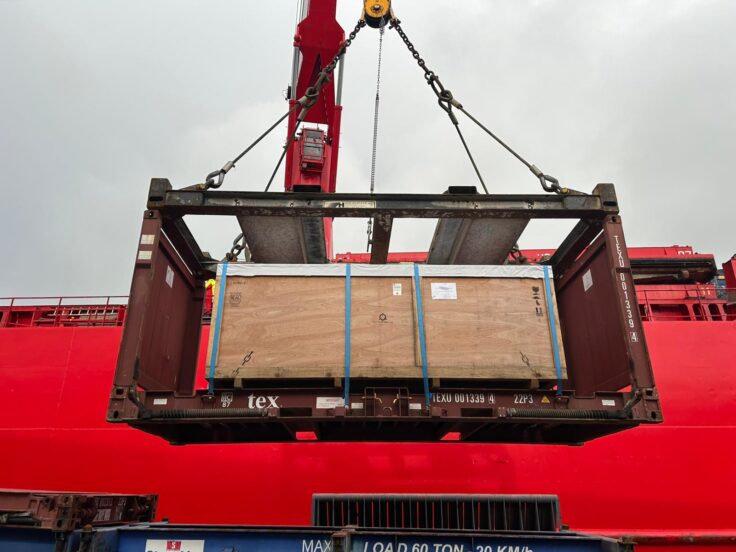
The British Antarctic Survey (BAS) has joined forces with the Norwegian Polar Institute (NPI) and Germany’s Alfred Wegener Institute (AWI) to share an ice-capable vessel that will resupply three Antarctic […]
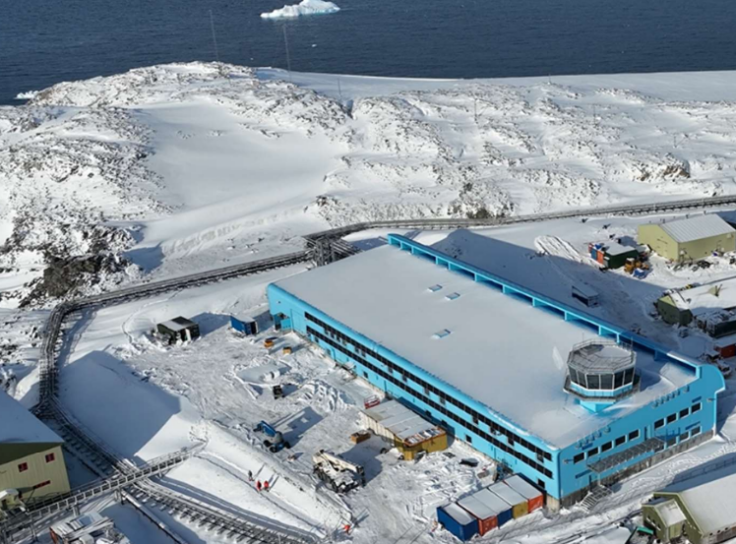
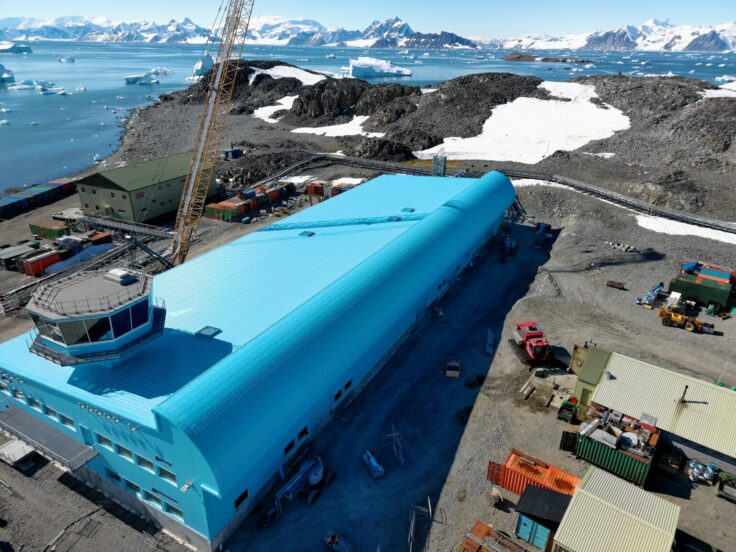
Discovery Building takes shape The latest update from Rothera, our largest research station in Antarctica, where construction work on the new Discovery Building is advancing well as the summer season […]
A scientist from the British Antarctic Survey has contributed to a major new international publication, coordinated by the UK National Commission for UNESCO, which highlights the accelerating decline of glaciers […]
The 2025 – 2026 Antarctic season is a landmark for the British Antarctic Survey and its Antarctic Infrastructure Modernisation Project, as the new Discovery Building begins to take on its operational role.
New advances in Artificial Intelligence (AI) are transforming the way scientists explore and understand some of the most remote parts of the ocean around Antarctica and the strange creatures that live there.
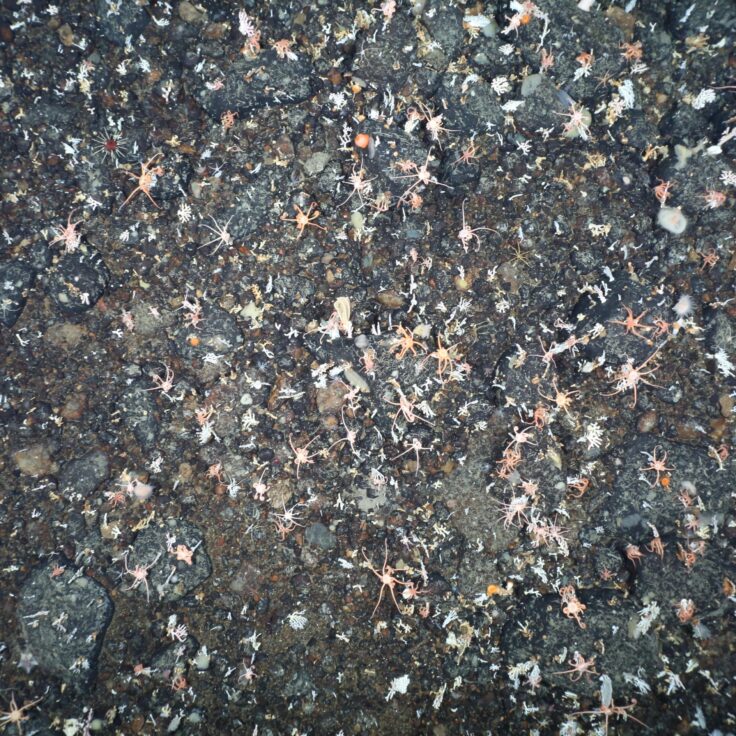
New advances in Artificial Intelligence (AI) are transforming the way scientists explore and understand some of the most remote parts of the ocean around Antarctica and the strange creatures that live there.

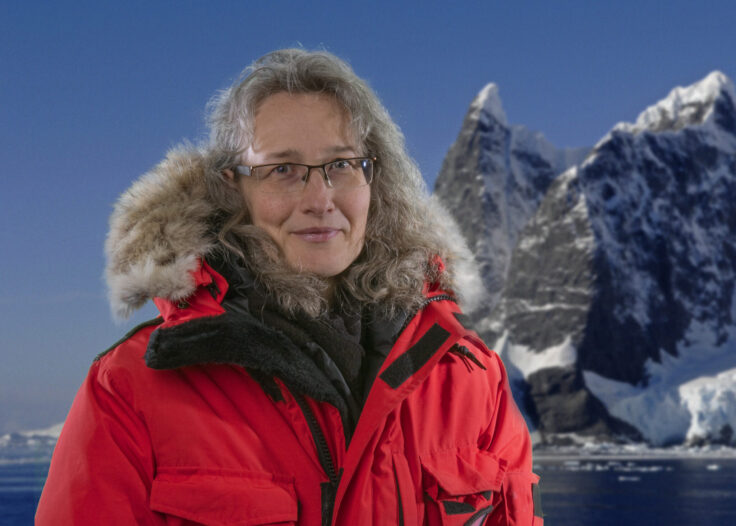
Dr Beatrix (Bea) Schlarb-Ridley, Director of Innovation and Impact at the British Antarctic Survey, has been awarded an Honorary MBE for services to innovation and inclusion in science.
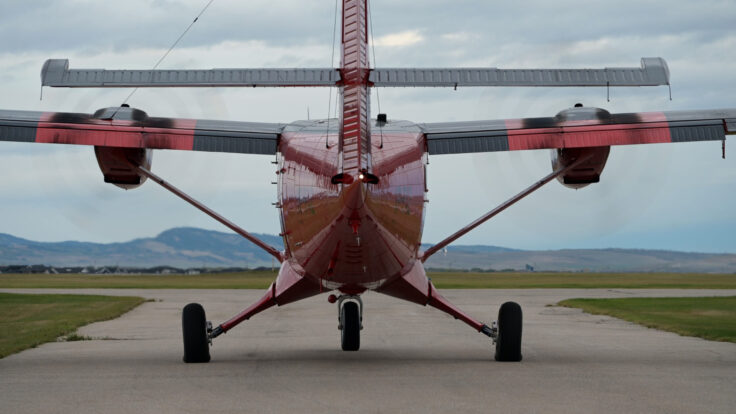
The fleet of British Antarctic Survey aircraft have taken off on their annual ‘ferry flights’ from Canada, in preparation for a new season of science in Antarctica. The BAS fleet […]
The British Antarctic Survey (BAS) is pioneering inclusivity in one of the world’s most challenging environments – the vast, icy expanse of Antarctica.