Go deeper into the stories shaping research in Earth’s coldest places.
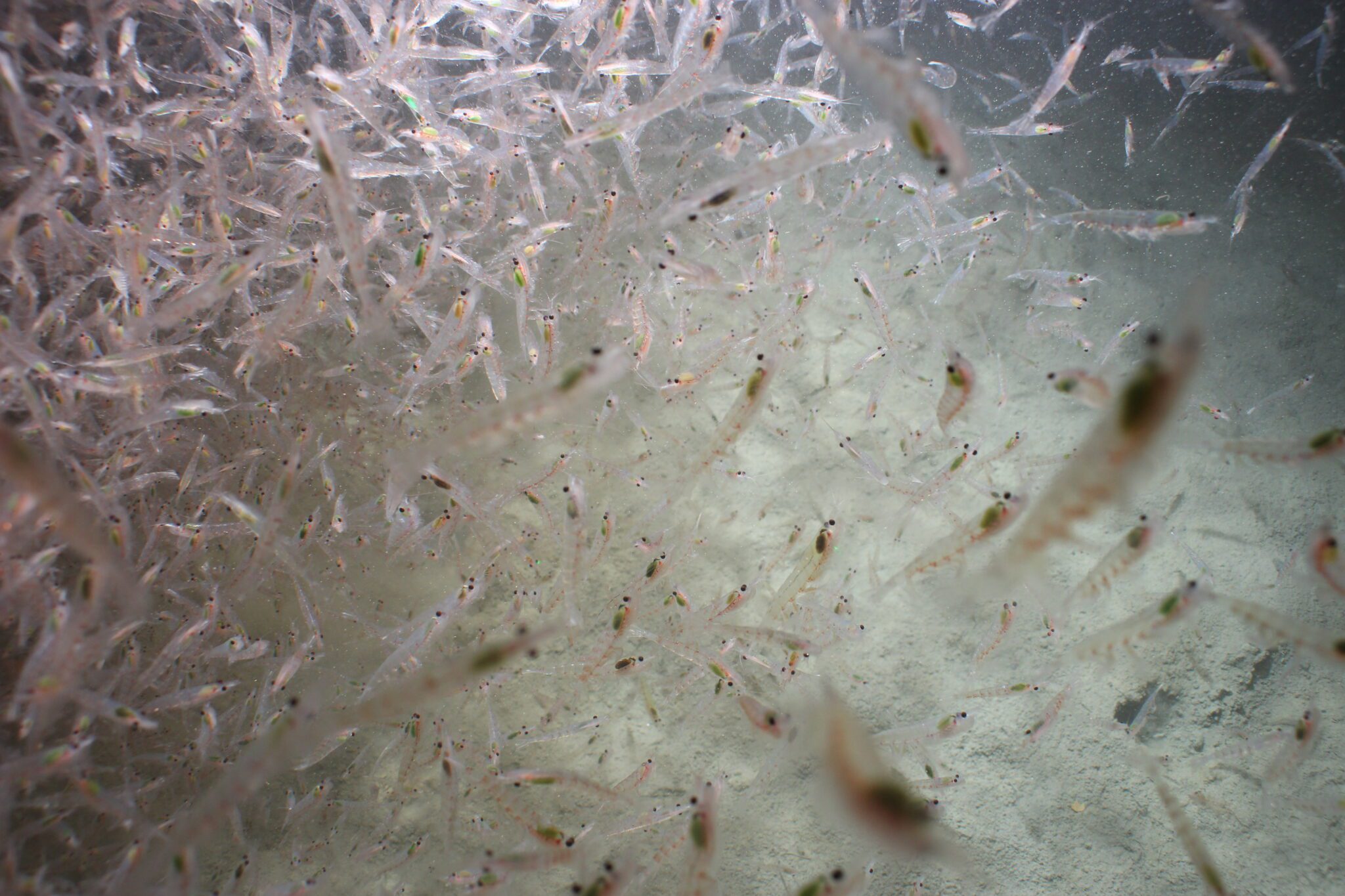
Small but mighty: the Antarctic krill that feed a whole ocean
Krill are critical to the Antarctic ecosystem – and international fishing agreements. British Antarctic Survey science is at the heart of the decisions that will shape their future.
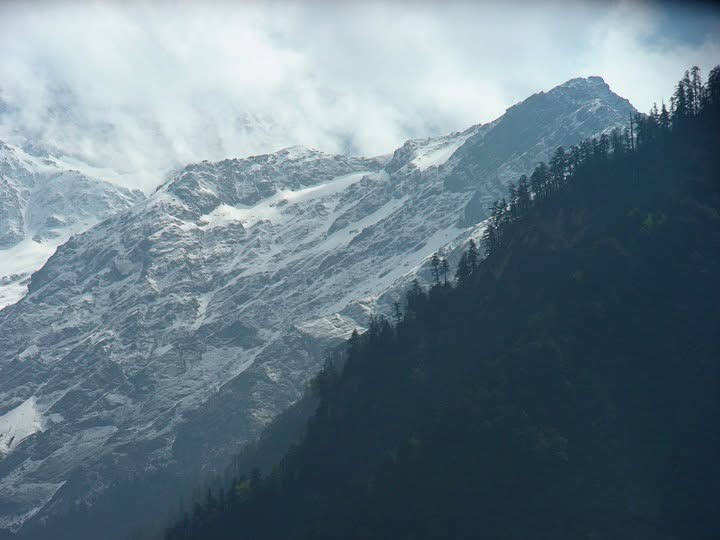
Himalayan floods: avoiding future disasters
The massive and deadly floods on the Nepal-Tibet border are a stark reminder of why the world needs to constantly update its understanding of the fragile ecosystem in the Himalayas.
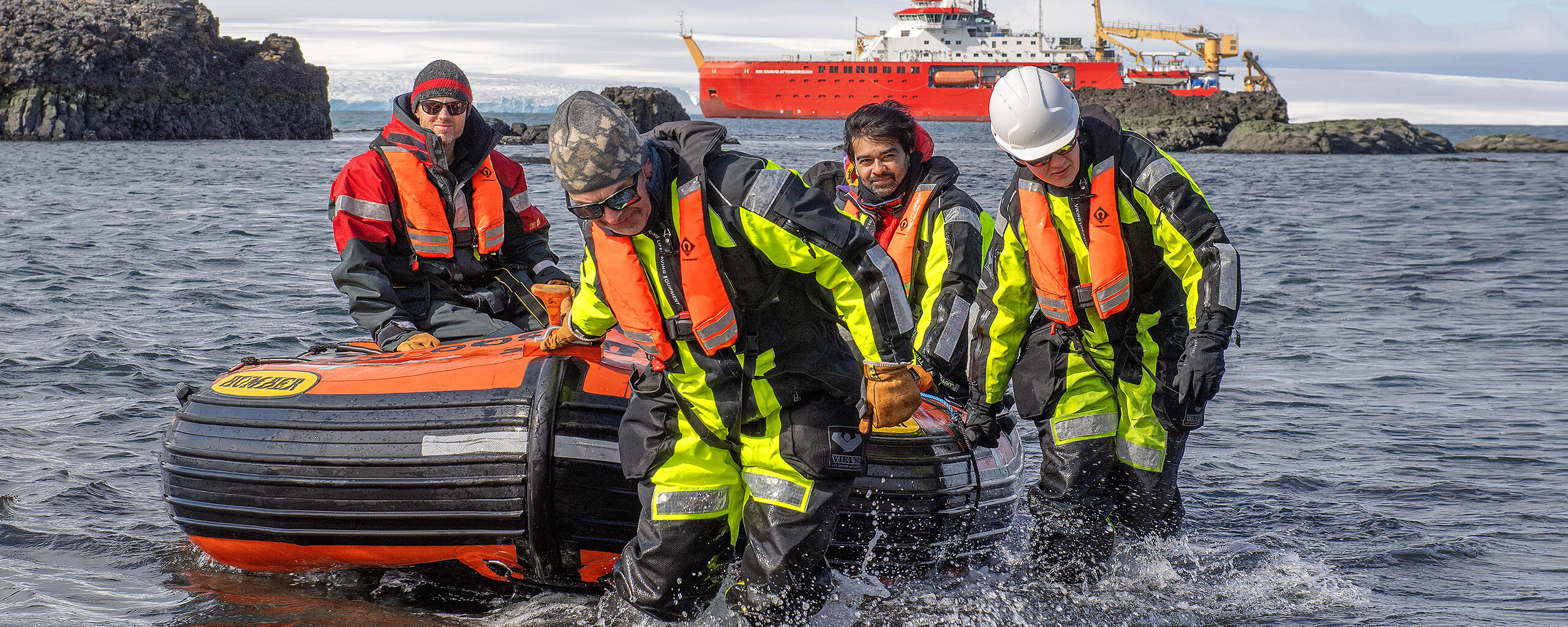
Pre-deployment: inside the training to work in Antarctica
Before travelling to work in Antarctica, new recruits take part in two weeks of Pre-Deployment Training. This is a new starter induction that really counts.
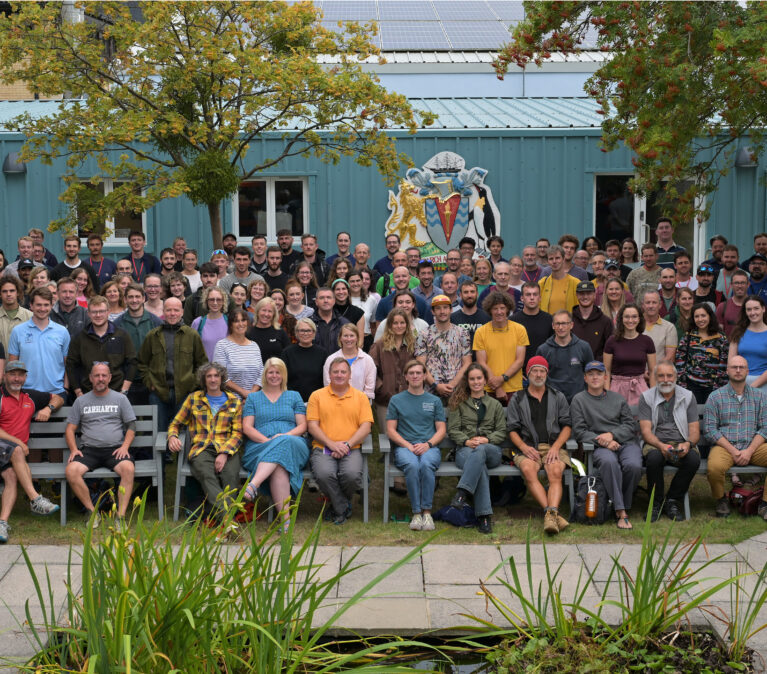
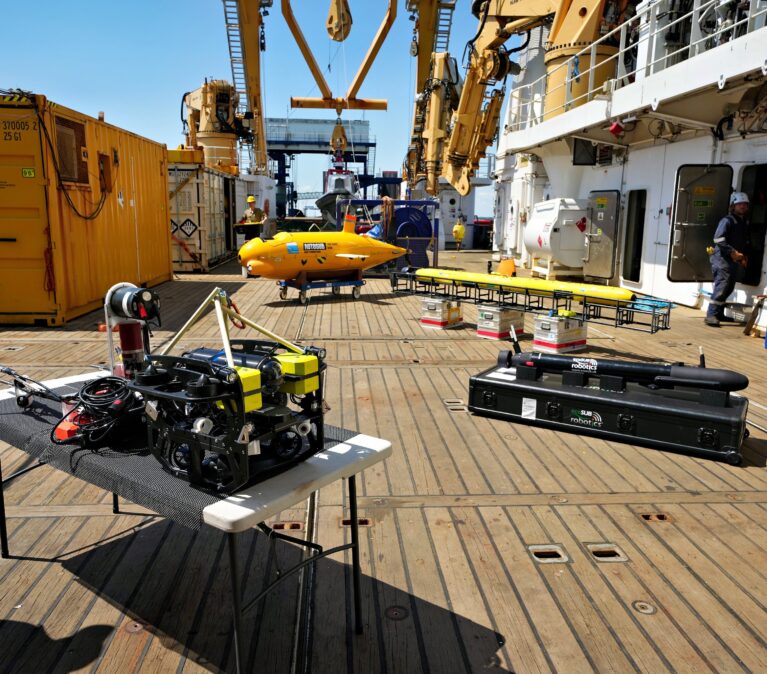
The rise of the robots: how autonomous vehicles are transforming polar science
In the harsh and ever-changing landscapes of the polar regions, autonomous robots are quickly becoming a scientist's best friend as our tools catch up with our questions.
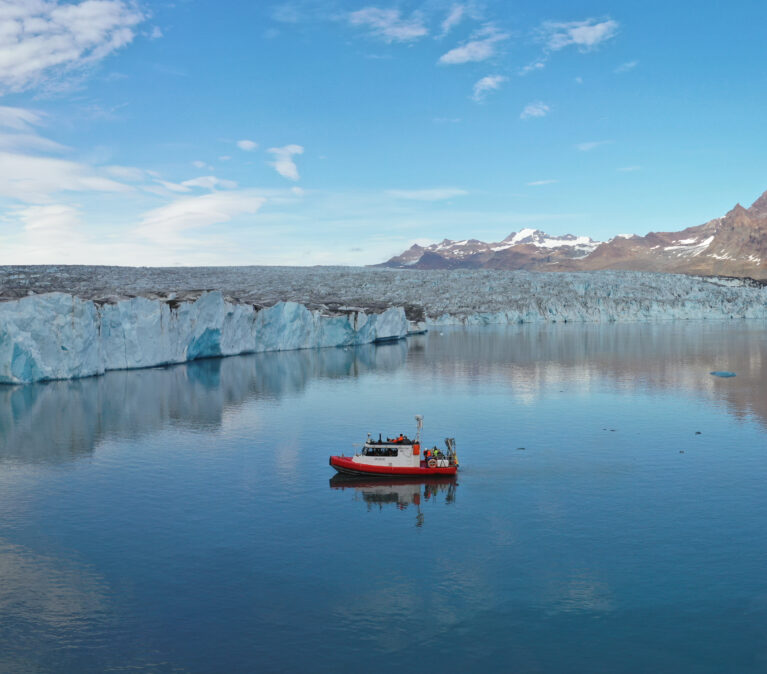
Testing a tipping point: inside the hunt for early warnings in Atlantic currents
The vast ocean circulation system that keeps Britain's climate mild could be weakening. Scientists are racing to understand what that might mean for our future.
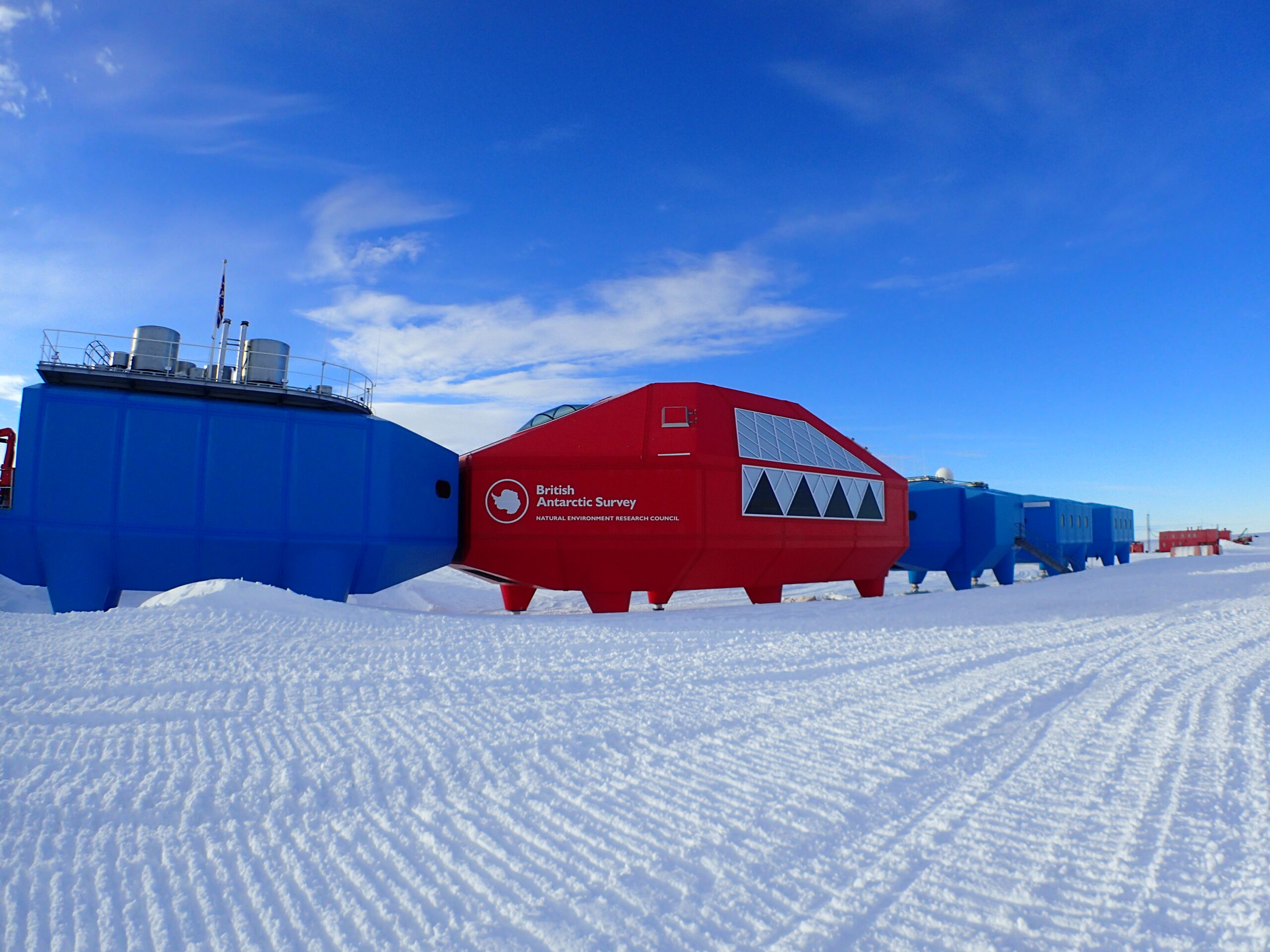
70 years on the ice: the extraordinary story of Halley Research Station
Six thousand miles from home, on a shelf of ice that moves, cracks and occasionally breaks away, British scientists have been keeping watch for seventy years.
A scientific legacy: happy 100th birthday Sir David Attenborough
As Sir David Attenborough turns 100, we celebrate his legacy and contribution to our frozen planet – through the voices of those working on RRS Sir David Attenborough.

One Antarctic bay, 28 years: why long-term monitoring at Rothera matters
Scientists have been monitoring the ocean at Rothera Research Station almost without interruption since 1997. All that data adds up into a unique picture of the polar ocean.
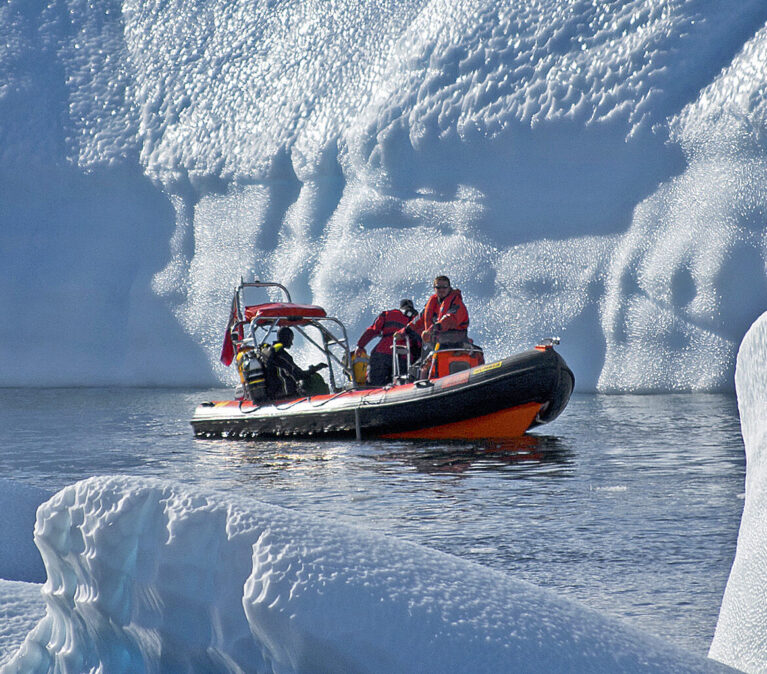
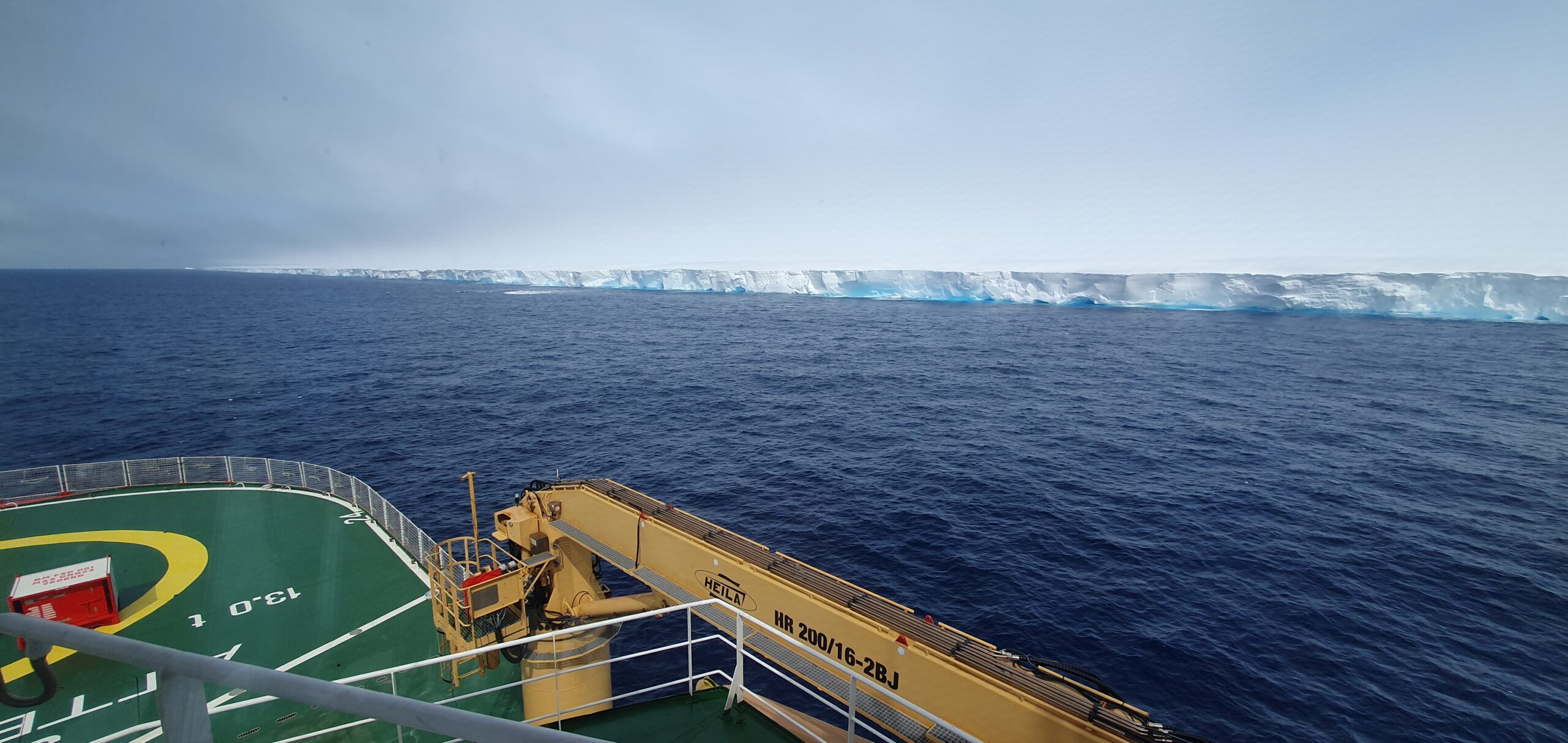
The big breakup: why do scientists love enormous icebergs?
It's not just the media who find icebergs compelling. These frozen giants offer fresh clues about the polar environment today, and deep into Earth’s past.
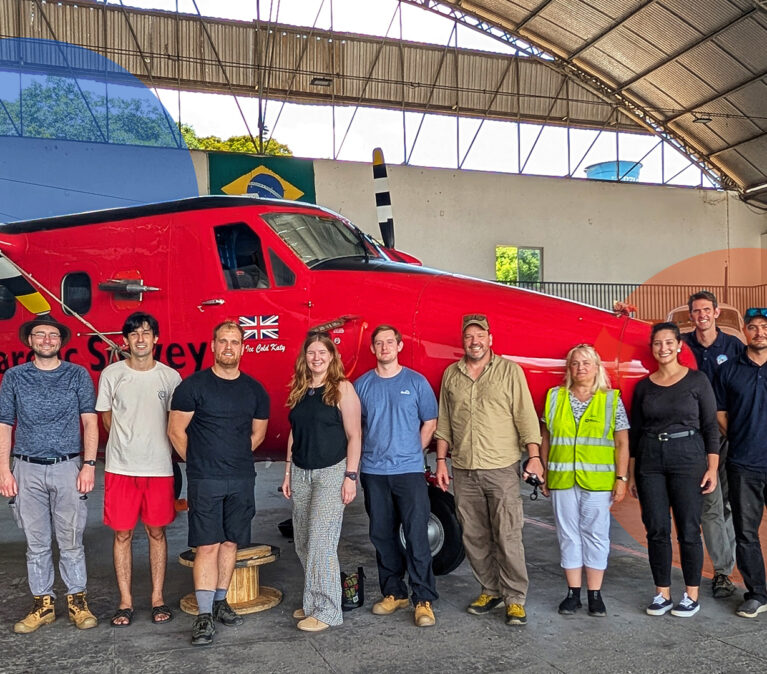
Carbon sink or carbon source? Science flights over the changing Amazon Rainforest
Far from frozen runways, British Antarctic Survey aircraft 'Ice Cold Katy' has been supporting research above Earth's once-reliable green lung, the Amazon Rainforest.
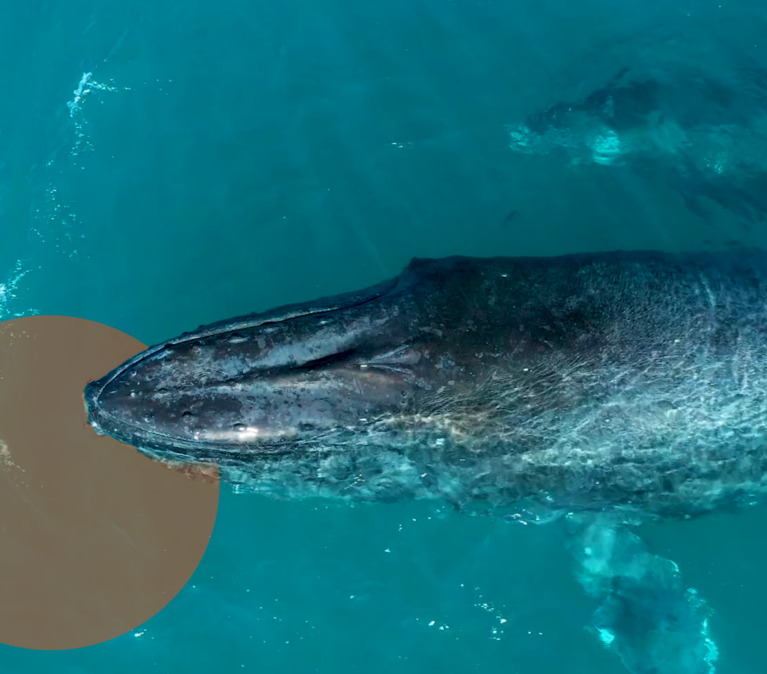
Giving whaling the hump: a story of whale recovery in South Georgia
The sub-Antarctic island of South Georgia has long been a wildlife haven. This made it a major hub for whaling – and whale populations are still feeling the impact.
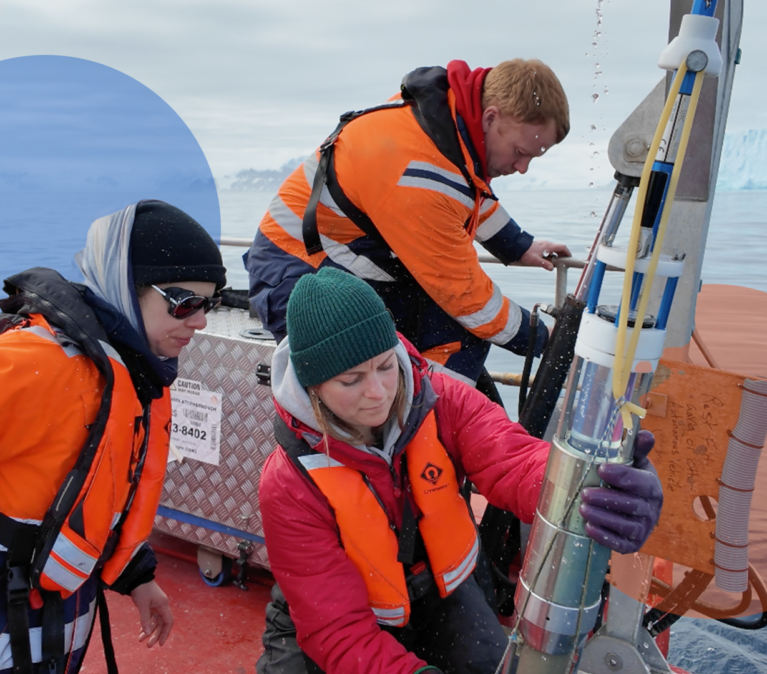
Inside the nutrient factory: how glaciers are fertilising the global oceans
Glaciers are huge sources of nutrients that act as the building blocks of life. How will this source of nutrients change in a warming world?
The last dance of the wandering albatross?
The world of albatross tracking has come a long way in 60 years. But one thing has sadly remained the same – the numbers of these iconic birds is still decreasing.
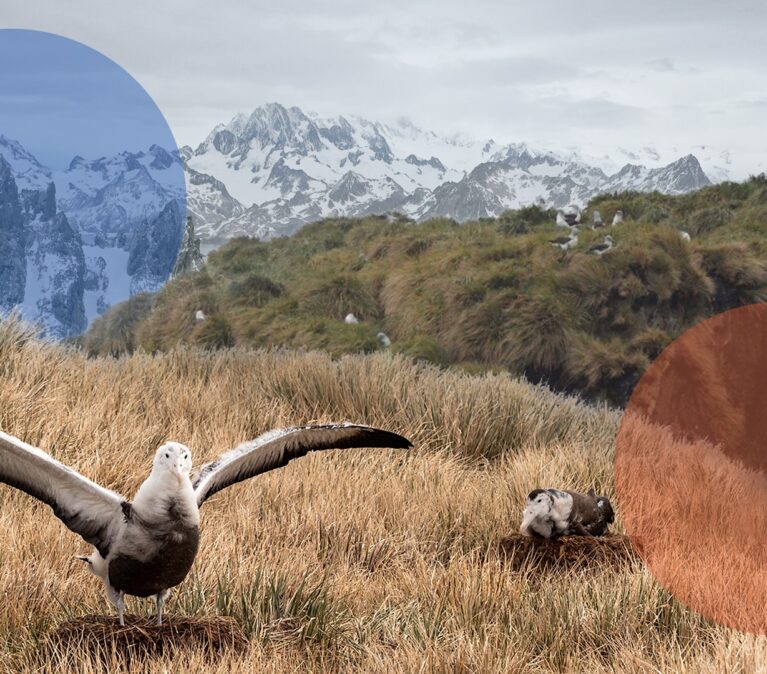
The plastic legacy at the bottom of the planet
Antarctica is no longer the last unspoiled frontier: researchers are now documenting microscopic fragments in the oceans, animals and ice.
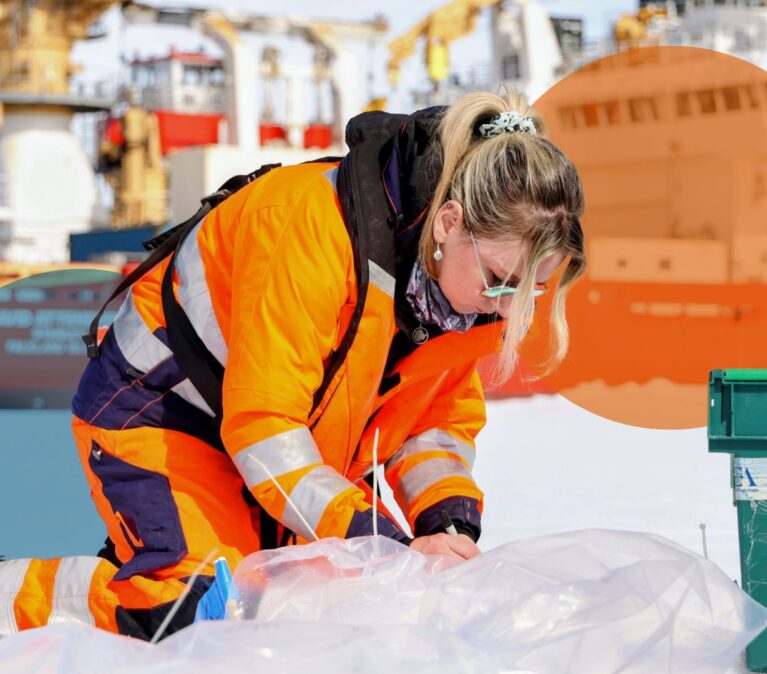
A rendezvous in the middle of nowhere
An eye-witness account of a major logistics operation to collect scientific cargo by ice, sea and air in one of the world's harshest environments.
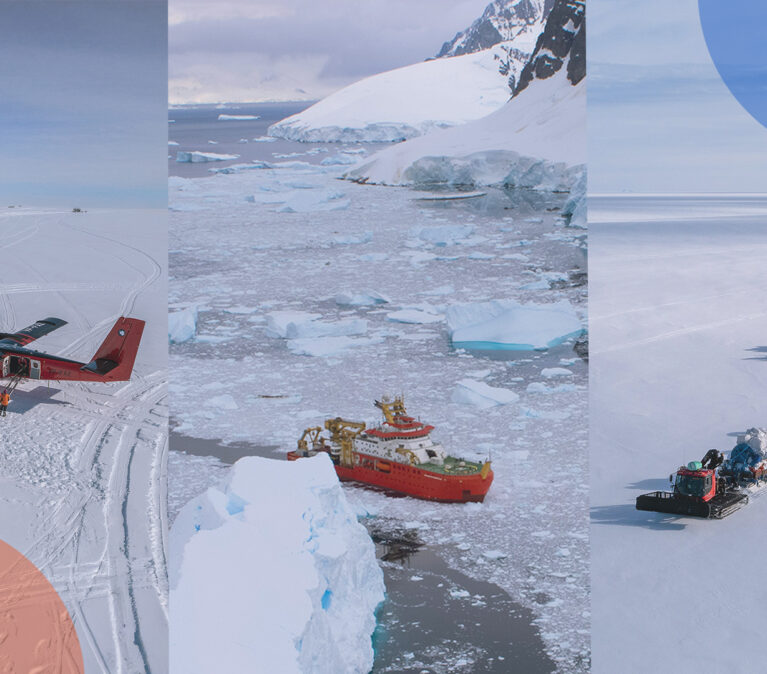
Behind the big blue door: the workshop helping to drive Antarctic science
There's more machinery than you think involved in running an Antarctic research station – and keeping the vehicles moving are a team of hardy and inventive engineers.
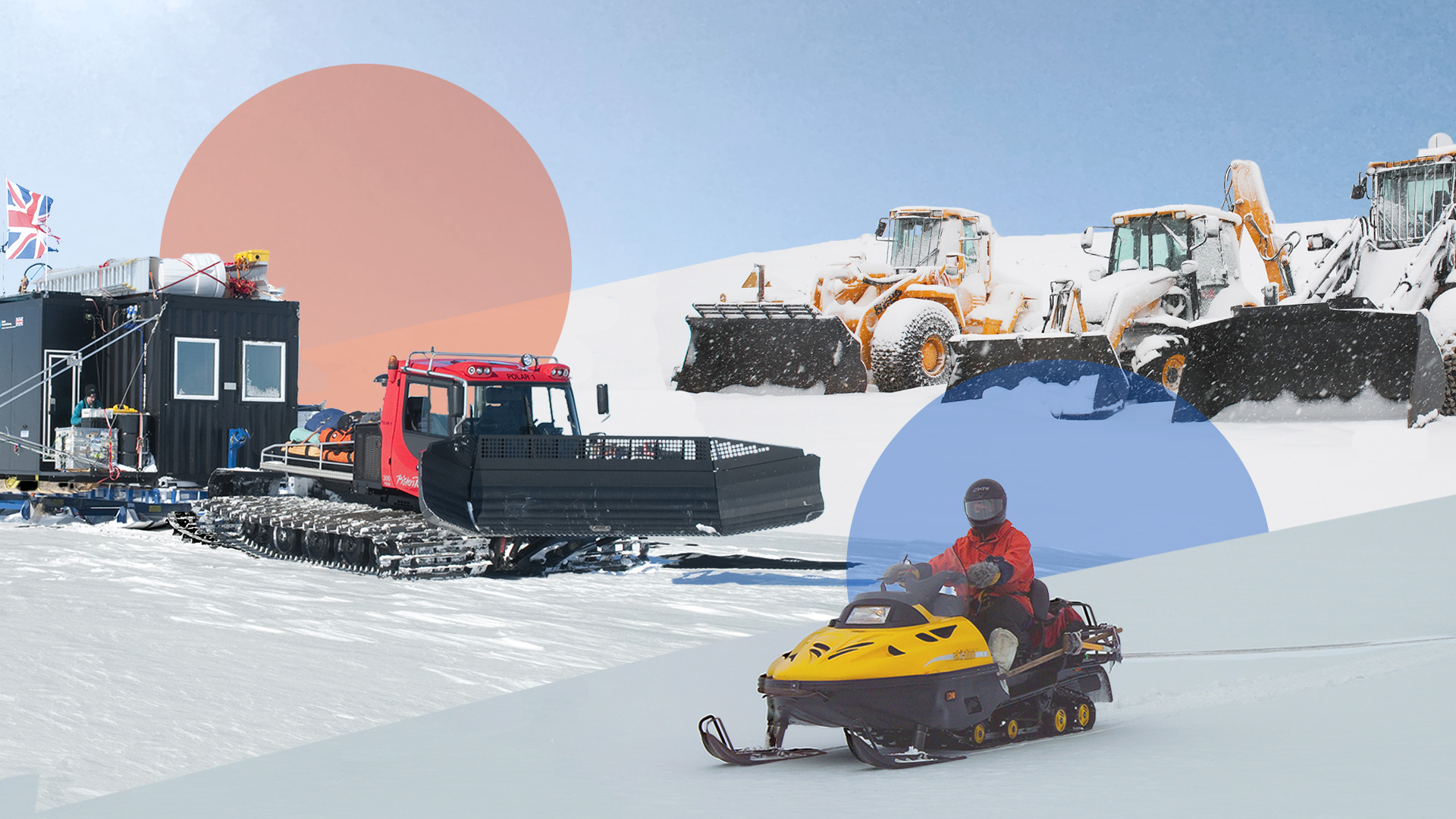
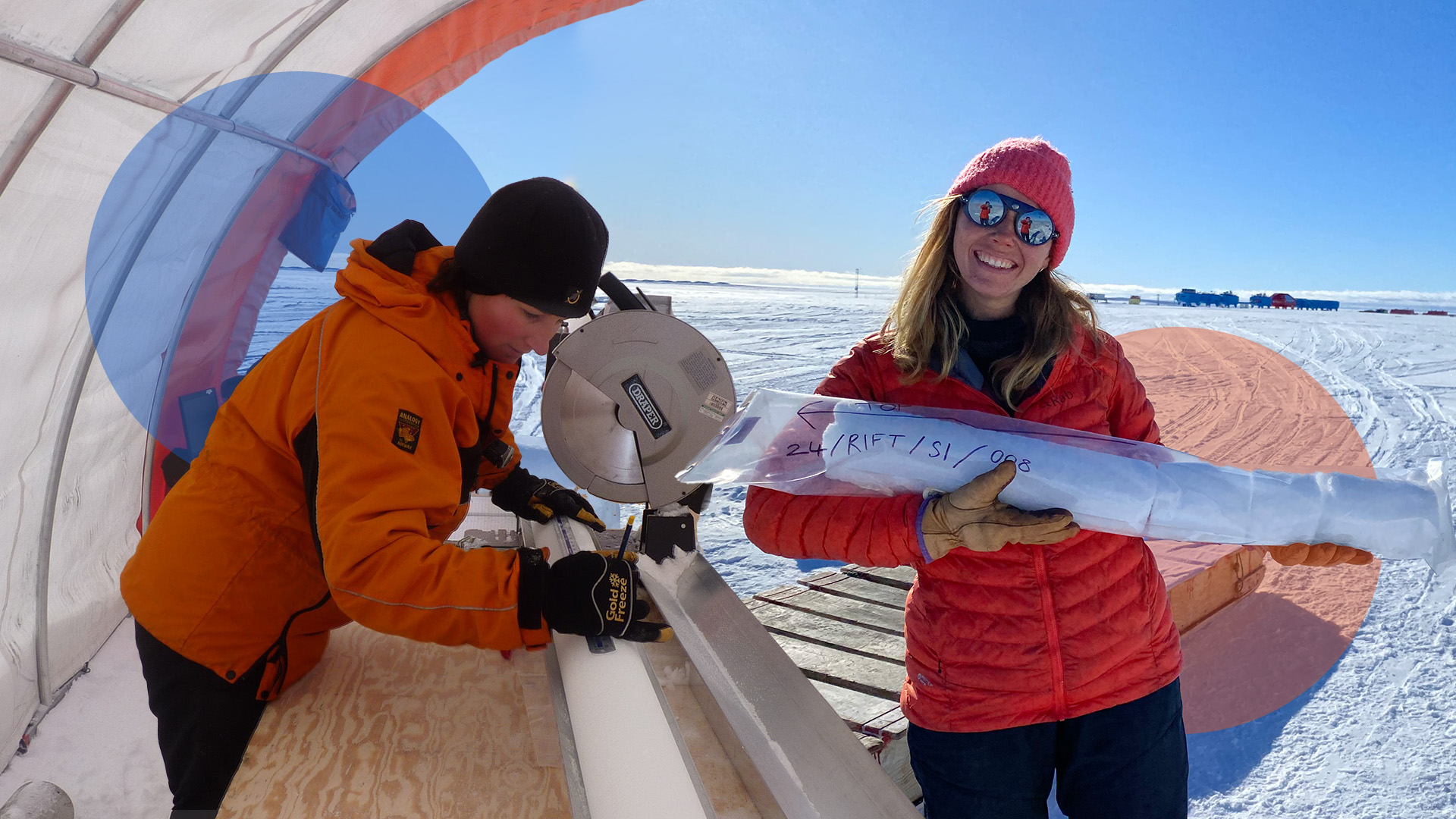
The core of the matter: the scientists using Antarctic ice to understand our climate
Whether it's bubbles of ancient air, microscopic creatures, or the rumble of an ice quake – the secrets of Earth's history and future are hidden in the Antarctica's ice.
Precipitation at the Third Pole: the race to understand Himalayan rainfall
Water is one of the pillars of humanity's survival – and yet there's still much to explain about the processes that bring water to some of the world's largest populations.