The rise of the robots: how autonomous vehicles are transforming polar science
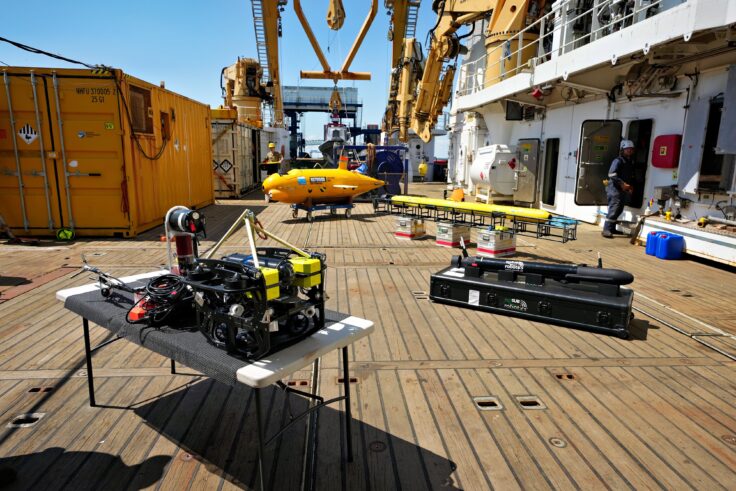
In the harsh and ever-changing landscapes of the polar regions, autonomous robots are quickly becoming a scientist’s best friend as our tools catch up with our questions.

1 to 12 of 63 results
In the harsh and ever-changing landscapes of the polar regions, autonomous robots are quickly becoming a scientist’s best friend as our tools catch up with our questions.
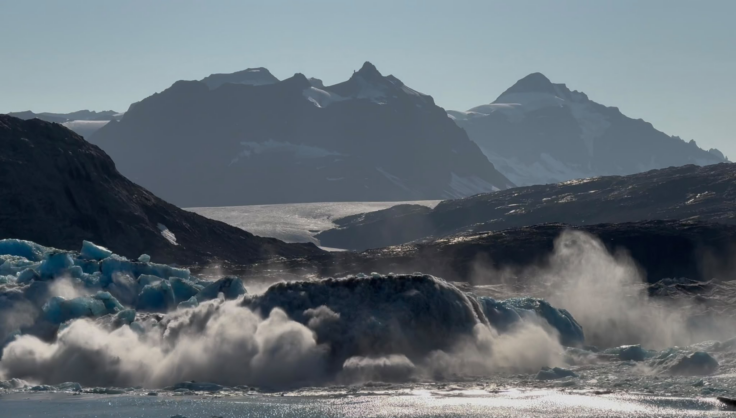
Scientists and crew on board RRS Sir David Attenborough captured footage of a huge glacier calving event in East Greenland.
An international team is collecting observations to understand how a melting Greenland is affecting ocean currents, which could cause weather change in UK and Europe
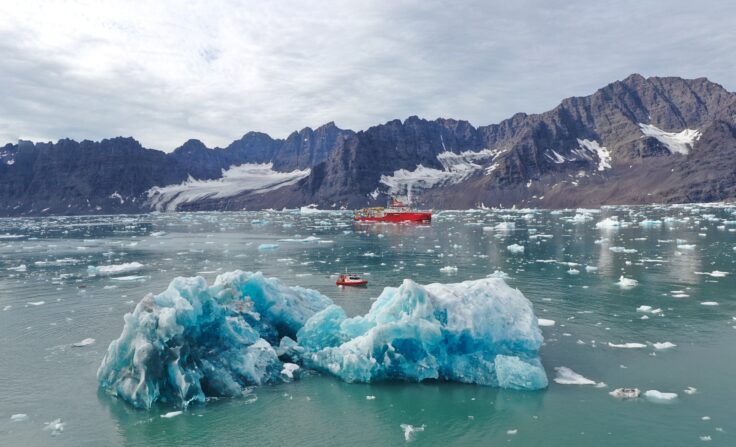
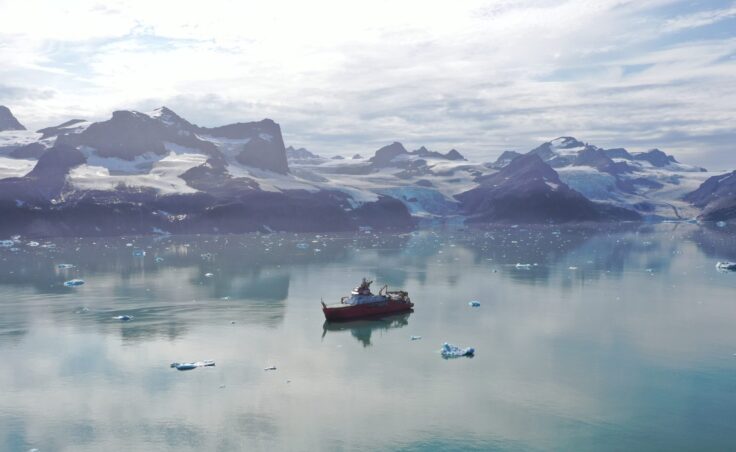
An international team of scientists is heading to Greenland this summer for a two-month expedition to discover how quickly the ice sheet’s rapidly melting glaciers are pushing the Atlantic Ocean towards a critical climate tipping point.
Scientists have detected the DNA of an invasive marine species in Arctic Canada suggesting the region’s waters are no longer cold enough to be a natural barrier.

Well-publicised geoengineering ideas are highly unlikely to help the polar regions and could harm ecosystems, communities, international relations, and our chances of reaching net zero by 2050. This is according to a new assessment, published in the journal Frontiers in Science today (9 September 2025).
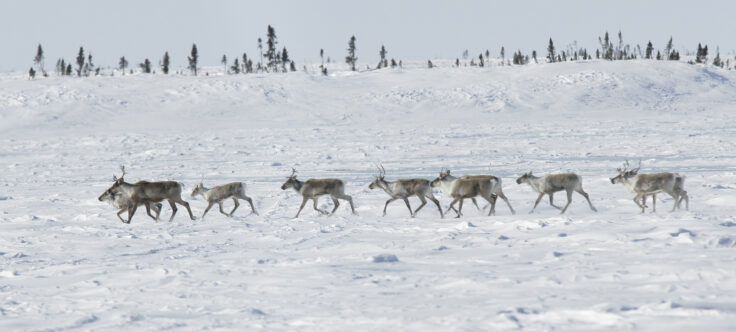
Artificial intelligence sea ice forecasting systems could help predict and protect the migration routes of endangered caribou in the Canadian Arctic, according to a new study.
Congratulations to British Antarctic Survey staff who have been awarded a Polar Medal in the 2025 New Year’s Honours List for their contributions to improving our understanding of Antarctica, through scientific or technical work in or about the polar regions.

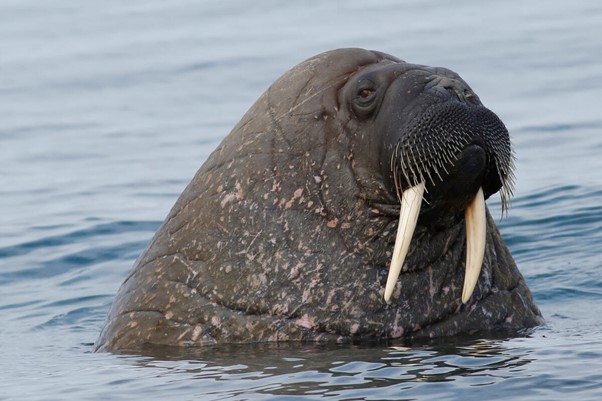
From their unmistakable tusks to their characteristic bristles (the envy of many a ‘Movember’ moustache!), the walrus is one of the Arctic’s most iconic species, and today (Sunday 24 November) is World Walrus Day!
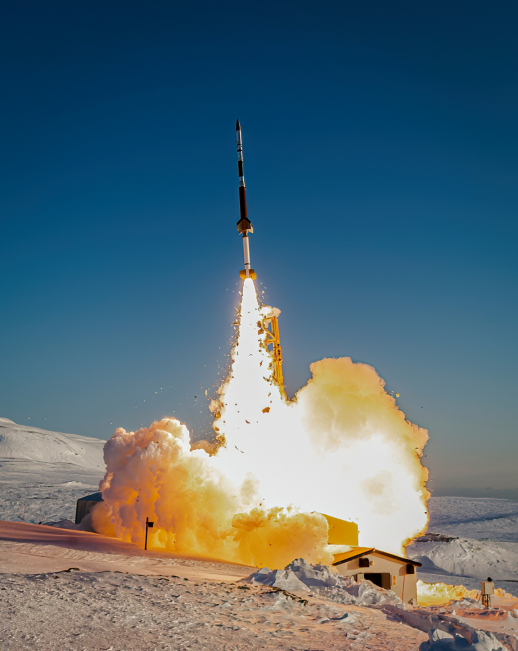
An international team of scientists, including a researcher from British Antarctic Survey (BAS) has, for the first time, successfully measured a planet-wide electric field thought to be as fundamental to Earth as its gravity and magnetic fields.
An interdisciplinary team of researchers is heading back to Greenland this week (30 July) for the second phase of the Wandel Dal Project.

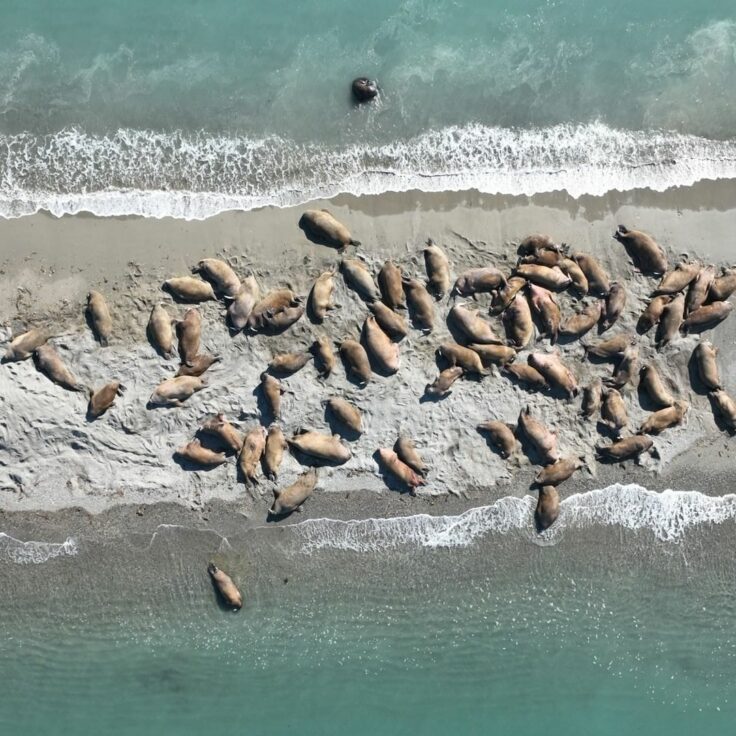
In the first successful attempt to calibrate walrus counts from satellite imagery, scientists used drones to validate animal counts in Svalbard, Norway.