Drones validate walrus counts in satellite images from space
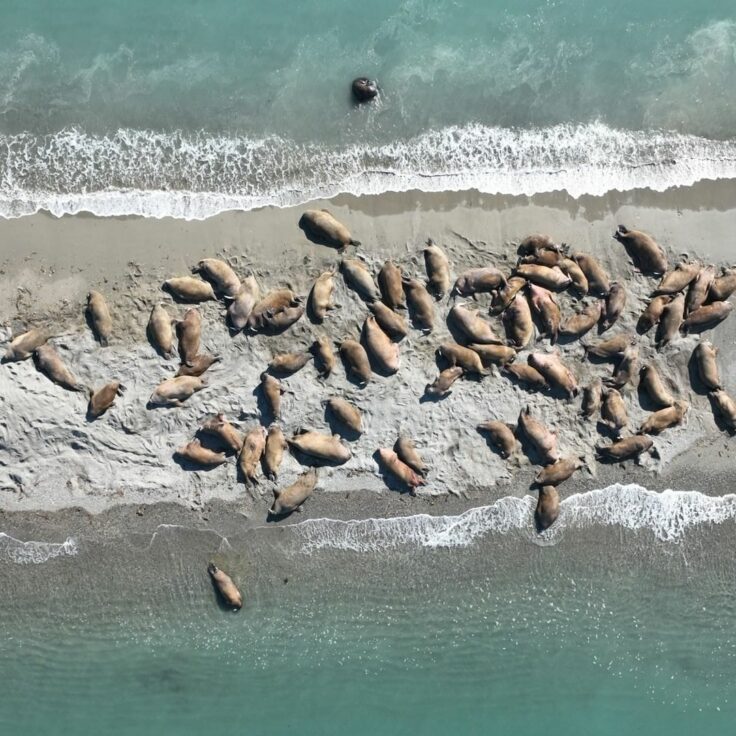
In the first successful attempt to calibrate walrus counts from satellite imagery, scientists used drones to validate animal counts in Svalbard, Norway.

13 to 24 of 64 results
In the first successful attempt to calibrate walrus counts from satellite imagery, scientists used drones to validate animal counts in Svalbard, Norway.
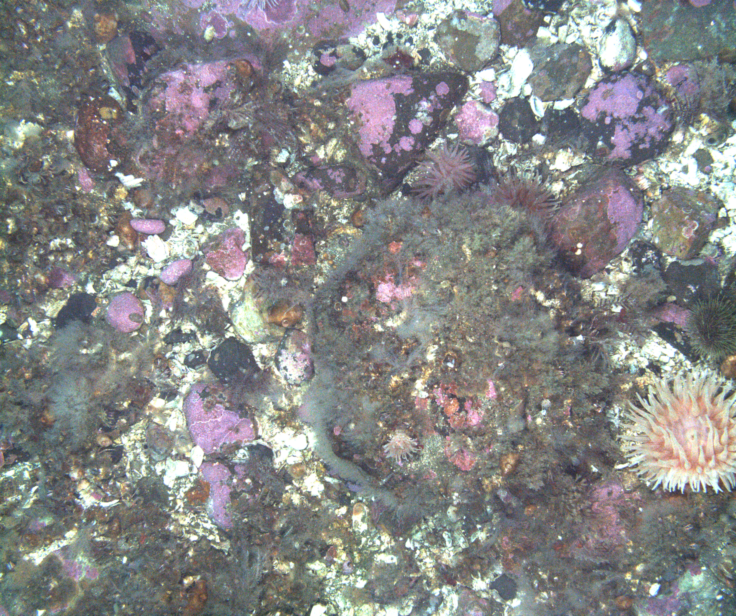
A study published this month in the journal Frontiers in Marine Science reveals that disturbing the seabed, through activities such as trawling, could increase the scale and speed of climate change.
British Antarctic Survey scientists are called up for their expertise this season, in a series of documentaries on radio and television.

Climate change is affecting the vertical migration of zooplankton in the Arctic, with potential implications for the entire Arctic ecosystem, finds a new study, published today in Nature Climate Change.
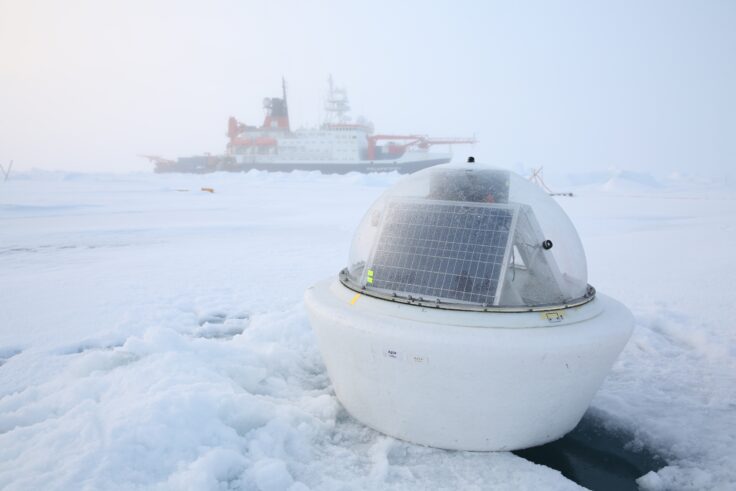
Researchers from British Antarctic Survey are heading to the Canadian Arctic this week to learn more about the impacts of increasing ship traffic in Inuit Nunangat. In recent years, climate […]
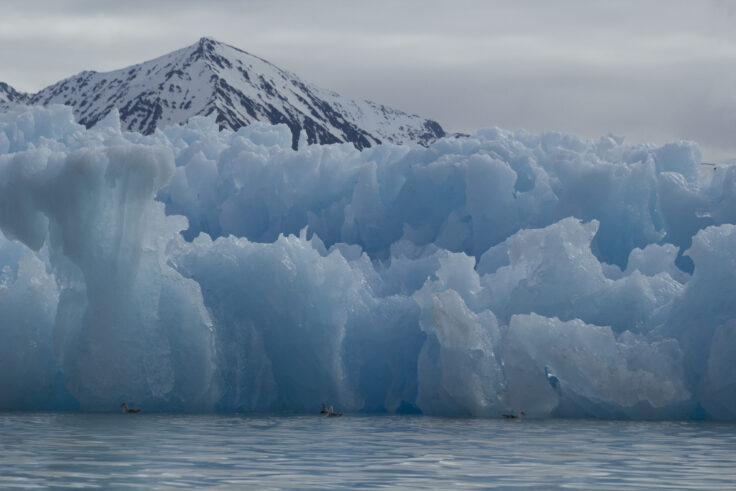
The UK Poet Laureate Simon Armitage CBE has travelled to the UK Arctic Research Station, where he will create new works inspired by the visit. While hosted at the UK […]
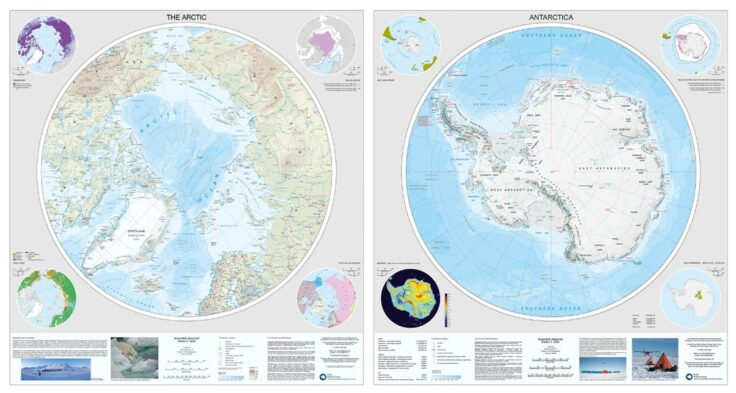
Dramatic changes in the Polar Regions are reflected in a new edition map of Antarctica and the Arctic produced by cartographers at the British Antarctic Survey (BAS). The flagship printed […]
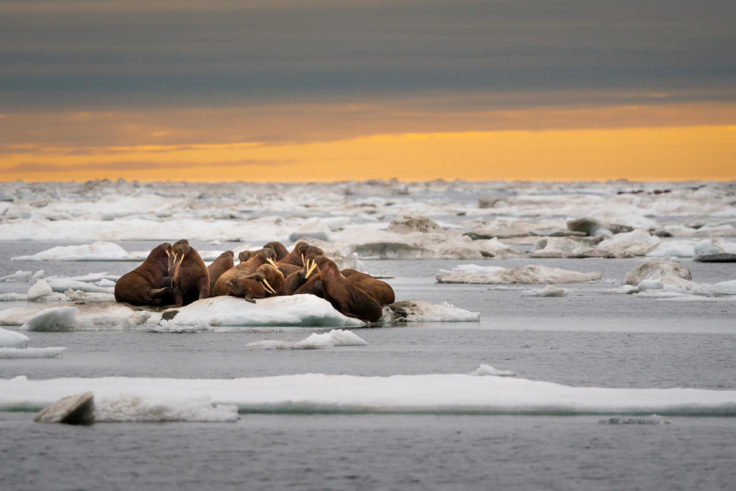
Today, 24 November 2022, marks World Walrus Day, and British Antarctic Survey (BAS) and WWF are inviting the British public to become ‘walrus detectives’ and get involved in their Walrus […]
Dr Andrew Kavanagh of the British Antarctic Survey (BAS) Space Weather team has supported a new National Aeronautics and Space Administration (NASA) rocket experiment which aims to uncover unique features of our atmosphere that enable life on Earth.

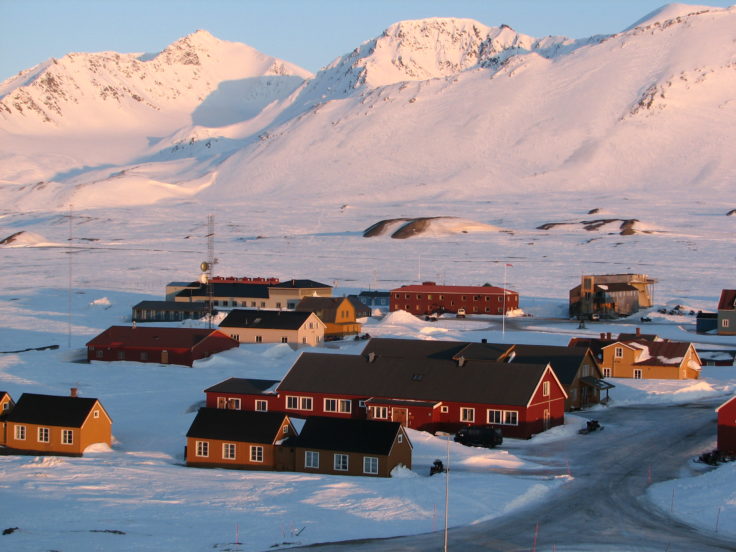
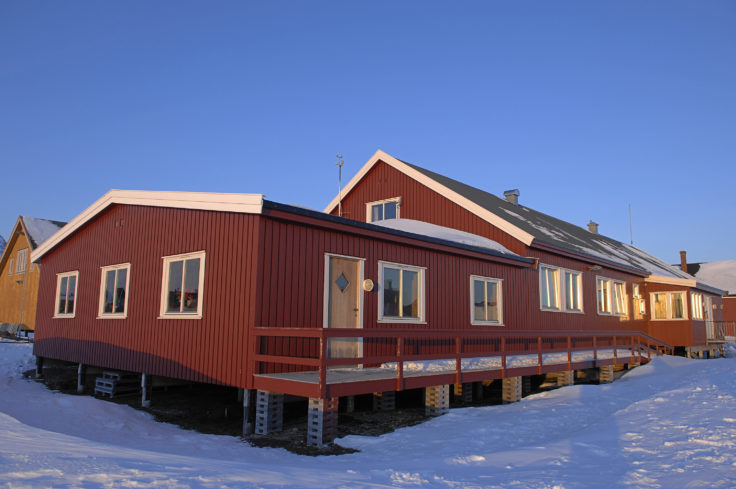
The Arctic Station in Ny-Ålesund, Svalbard in Norway, the UK’s permanent Arctic research facility, celebrates its 30 years anniversary this week (Tuesday 28 September) as it continues to undertake critical […]
A new AI (artificial intelligence) tool is set to enable scientists to more accurately forecast Arctic sea ice conditions months into the future. The improved predictions could underpin new early-warning […]
Outcomes of the first phase of the Diversity in UK Polar Science Initiative (DiPSI) are promoted this month
