
Signy Island Science Manager

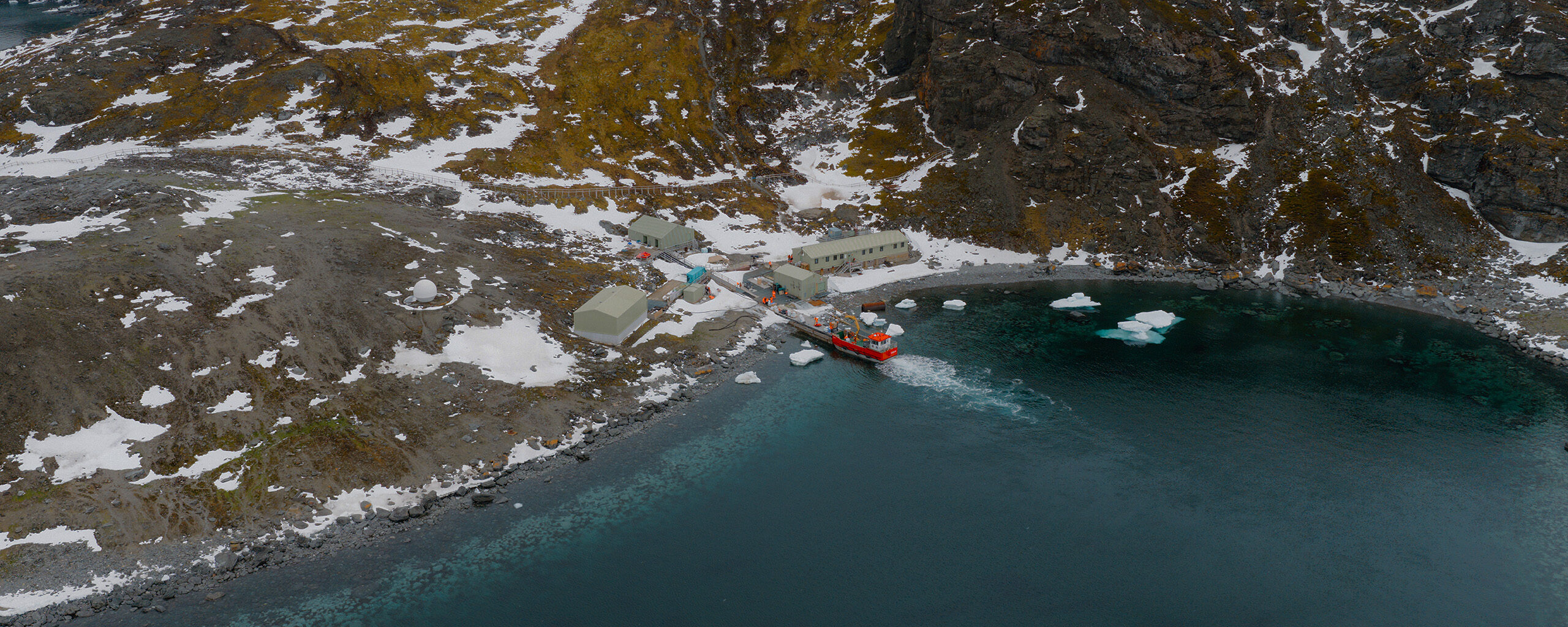
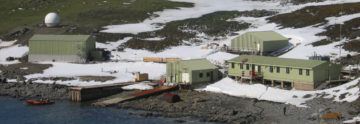
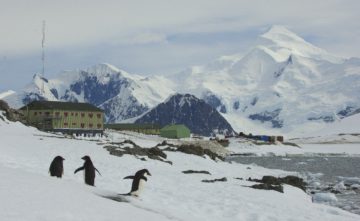
Signy Research Station is a summer-only facility. It is an ideal outdoor laboratory due to the island’s abundant wildlife and simple land-based ecosystems.
Perched on a remote island in the South Orkney Islands, Signy Research Station serves as Britain’s window into Antarctic life. This small but vital facility allows biologists to study fundamental processes that would be too complex to observe elsewhere.
The station’s climate is characterised by low temperatures, gales, and coastal weather conditions. Researchers have been collecting microclimate records for over 25 years.
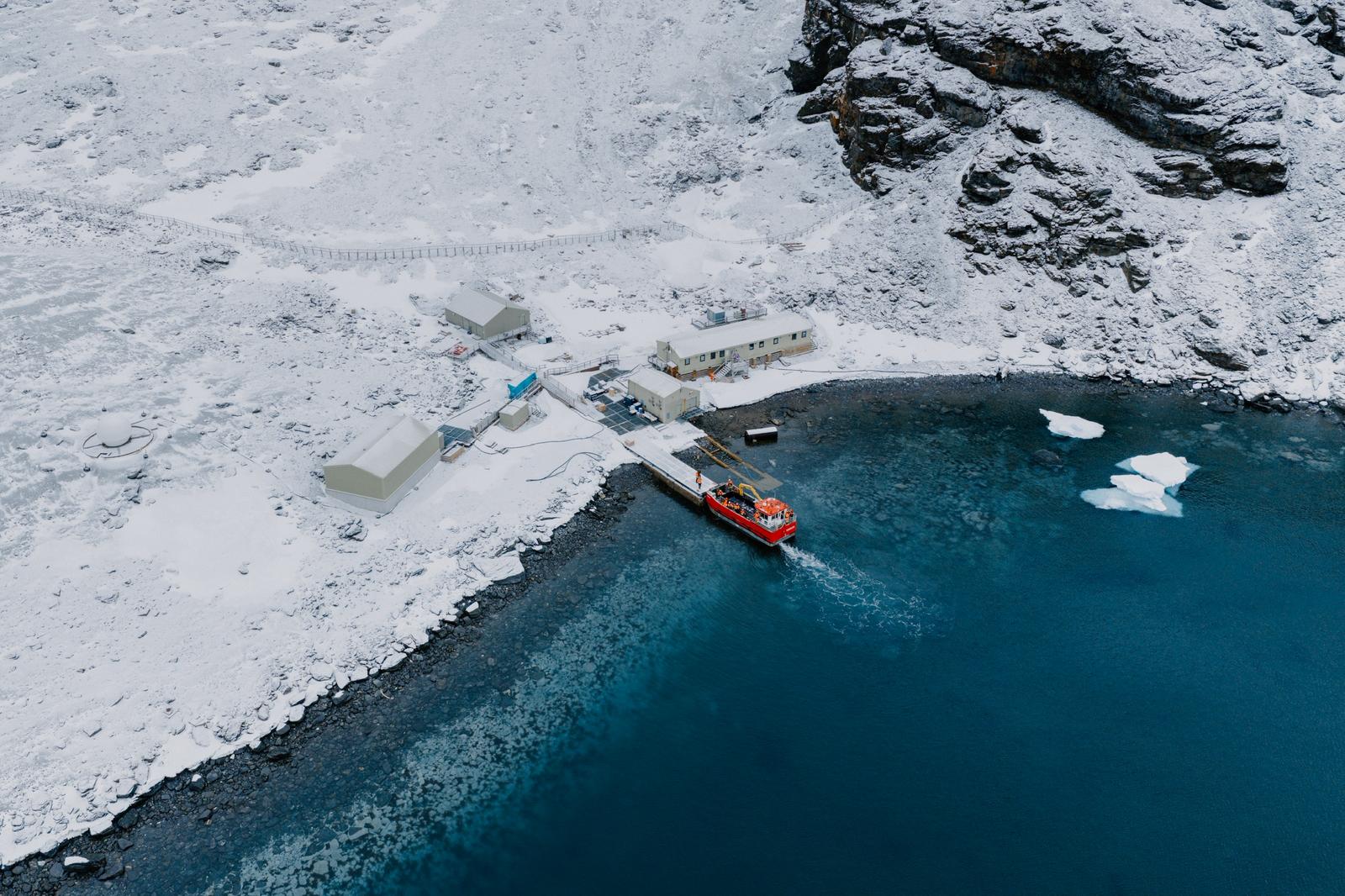
Signy Research Station summer opening by Terror from SDA
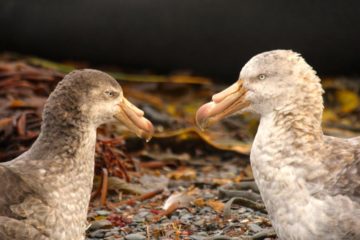
Research at Signy Island focuses on land-based ecology and seabird populations. Scientists conduct long-term studies on species Adélie, chinstrap and gentoo penguins, and southern giant petrels and South Georgia shags.
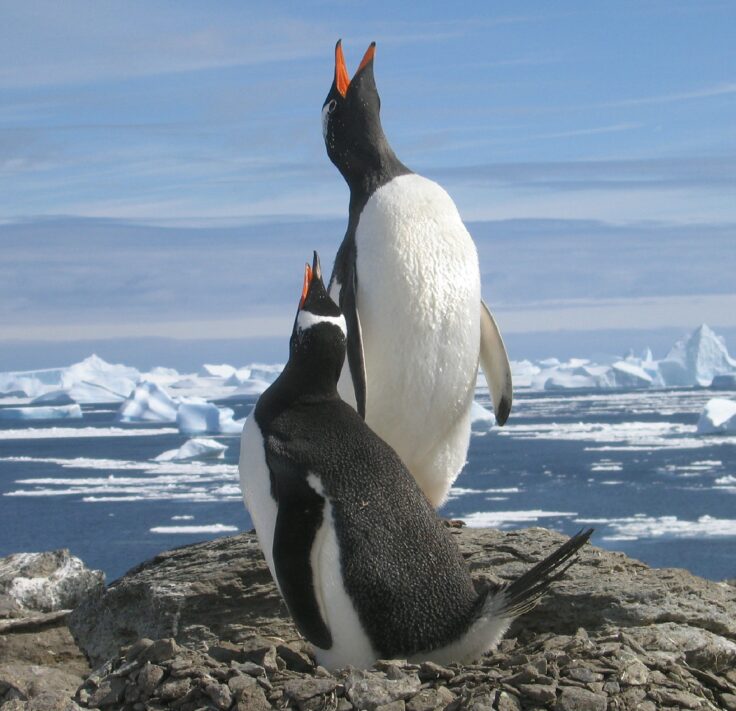
Pair of breeding gentoo penguins at nest site. (Credit: Mike Dunn)
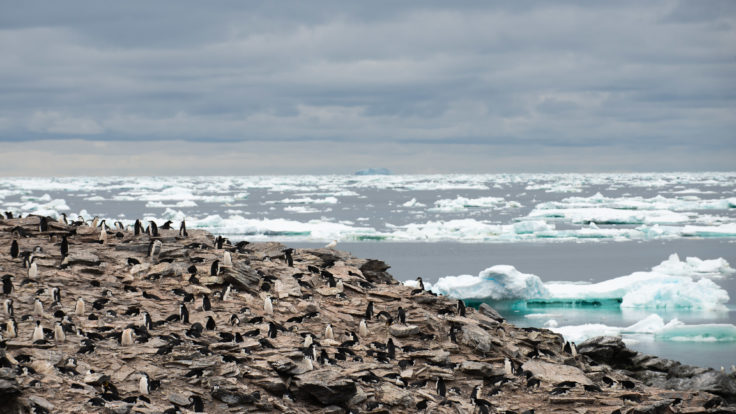
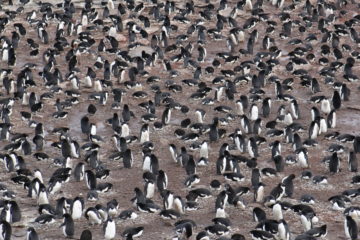
Chinstrap penguin colony at Signy.(Credit: Derren Fox)
The long-term data is used by the Commission for the Conservation of Antarctic Marine Living Resources (CCAMLR) for its Ecosystem Monitoring Programme to track the effects of commercial fishing on these populations.
In this episode of the Iceworld podcast, Derren Fox (Signy Zoological Field Assistant) chats from Signy Research Station, where he spends his days getting up close and personal with Adélie penguins.
The station is a hub for international scientific collaboration, hosting researchers from many countries including Japan, the Netherlands, Italy and Malaysia.
These collaborative projects investigate topics such as how marine predators forage, the consequences of regional climate change, and microbial diversity.
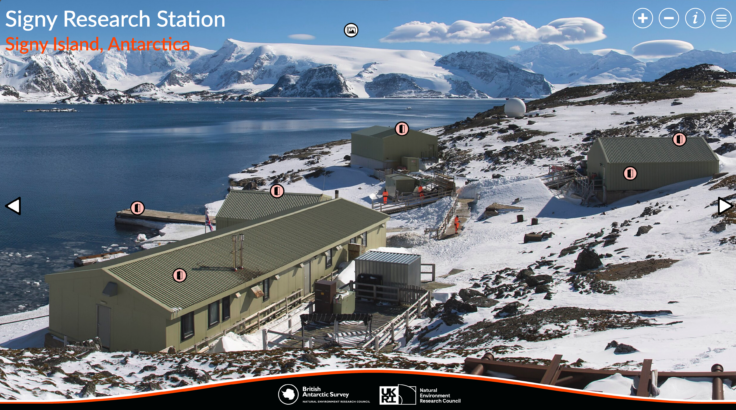
Signy Research Station virtual visit home page
Signy Research Station provides UK scientists with significant opportunities to study penguin, seabird and seal biology, limnology and terrestrial biology related to the southern ocean ecosystems and climate change.
Signy’s research is underpinned by long-term monitoring, some studies extending back more than 50 years, and these long-term studies provide vital data for CCAMLR, the Commission for the Conservation of Antarctic Marine Living Resources.
Signy is also a place of international scientific collaboration and capacity building for the polar community. Researchers from the Japanese National Institute for Polar Reseach, the Netherlands Polar Programme and the University of Malaya all work with BAS scientists at Signy.
Long-term penguin monitoring at Signy is vital for conservation in the Antarctic. Penguin data collected by BAS scientists is used by CCAMLR for its Ecosystem Monitoring Programme, which monitors the effect of fishing in Antarctic waters.
Penguin research at Signy focuses on the three species that breed on the island – Adélie, chinstrap and gentoo – with population size, breeding success and diet composition measured each season.
Chinstrap penguin colony at Signy, Credit: Derren Fox
As well as being vital for conservation, BAS science at Signy also strengthens international cooperation in polar research. Here, BAS runs collaborative studies with scientists from Japan, the Netherlands and Malaysia.
The Netherlands Polar Programme has been working at Signy since the early 1990s, in collaboration with members of the BAS Ecosystems team. Over the last five years their research has focussed on identifying and understanding the likely consequences of the rapid rates of regional climate change currently being experienced along the Antarctic Peninsula and Scotia Arc.
By monitoring sites along a latitudinal/environmental gradient between the Falkland Islands and Rothera – including Signy – and comparing analogous biological features at each, they take advantage of the opportunity provided by a ‘natural experiment’.
They have also set up open-topped chambers at each monitoring site to conduct a series of long-term environmental manipulation experiments that provide an experimental approach to modelling climate change.
Since 2005, BAS has collaborated with experts in microbial diversity and molecular biology from the University of Malaya. As well as enabling Malaysian researchers to collect data at Signy, by collaborating with BAS scientists the project is helping build capacity in Antarctic operations and fieldwork in the Malaysian Antarctic Research Programme.
Microclimate records have been collected at Signy for more than 25 years. At Jane Col – one of the more extreme habitats on the island, and one expected to show the greatest response to climate change – a microclimate station sends data to BAS in Cambridge once a week via the Iridium satellite network.
Together with other stations on Anchorage Island close to Rothera and further South at Mars Oasis and Coal Nunatak, they record soil temperature, air temperature and humidity, wind speed and direction, air pressure and snow depth, forming part of BAS’s long-term studies and data collection that is key to understanding and predicting climate change.
The array of sensors help terrestrial biologists study biodiversity and the physiology of plants and animals. The station records the temperature at four depths in the soil (0, 5, 10, 15cm), air temperature and humidity, wind speed and direction, air pressure and snow depth.
Signy Island Science Manager
Higher Predators carries out long-term science to measure changes in Antarctic ecosystems. The aim is to understand the processes that drive these changes.
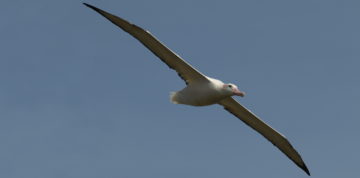
CONSEC explores how climate change and human activity are transforming the Southern Ocean, guiding global science and conservation.
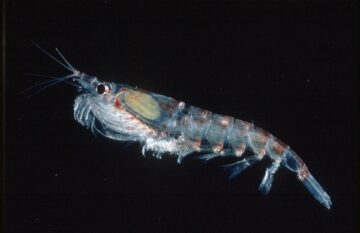
This project investigated plastic pollution across Arctic and Antarctic environments. Scientists collected water, ice, and sediment samples to quantify macro and microplastic pollution, track its sources, and assess its impact on polar wildlife.

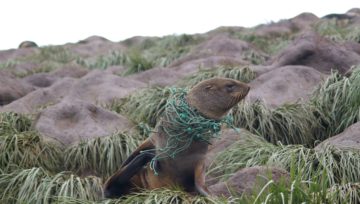
This project monitors plastics and debris in Antarctic and sub-Antarctic ecosystems, tracking impacts on seabirds, marine mammals, and coastal environments.
Modernising the UK’s summer-only Antarctic research station

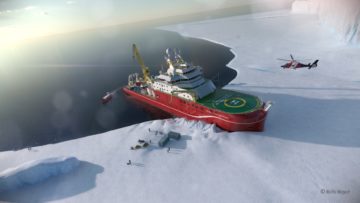
Paul Fox, Senior Responsible Officer for RRS Sir David Attenborough, has written a guest blog for a behind-the-scenes look at NERC’s commission of a new polar research ship for Britain and the associated Antarctic infrastructure modernisation programme.
I wish I could tell you how dramatically isolated we feel here – how the expanse of an ocean that swirls the entire circumference of the planet and stands between […]

A new blog post from ecologist Jes Bartlett, who is working at Signy research station for the Austral summer, about her journey South. Read her previous post about pre-deployment training here. […]
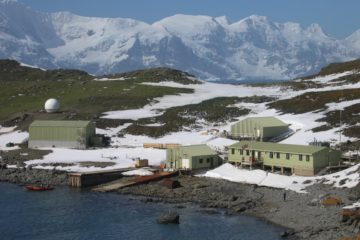
New blog from ship’s doctor Helen Jones as RRS James Clark Ross arrives at Signy research station in the South Orkney Islands Well, and what a wonderful couple of days […]
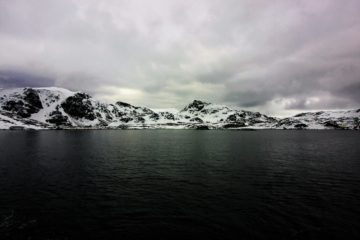
New blog from ecologist Jes Bartlett who will be spending the Austral summer working at Signy Island Research station. Here she describes her pre-deployment training. Shortly after the sigh of […]
Life on Signy Island has been pretty hectic for the last couple of weeks with multiple ship visits, saying goodbye to old colleagues, welcoming new base personnel and, in between, […]
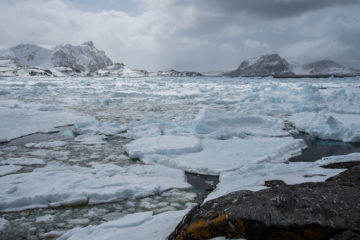
Since 1996 Signy has been a summer-only station, operating for five to six months each year in support of the biological sciences. When we arrived on the RRS James Clark (JCR) Ross […]
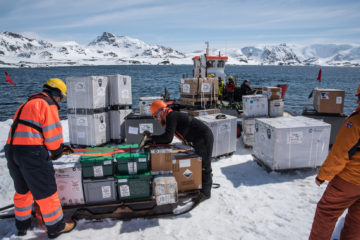
Despite being one of BAS’s smallest stations, I would argue that Signy is one of the most remote. Situated in the South Orkney Islands, at a relatively northerly 60 degrees […]
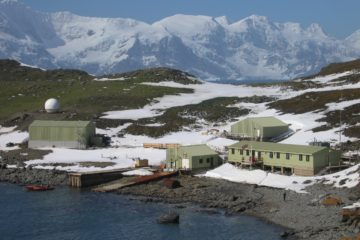
In the small hours of the 15th November the James Clark Ross slipped her moorings at the fuel bunkers of Punta Arenas and headed out into the Straits of Magellan, […]

After a scenic journey south from the Falklands, via Bird Island and King Edward Point, the JCR arrived at Signy on 24th November. Of those onboard, eight were bound for […]
The phrase “Science never sleeps” seems to have been very appropriate on Signy this year. We have 3 scientists on base and this season has seen them up at all […]
The 2011–12 Signy Island research season began in the early hours of the 16th November, as the Royal Research ship James Clark Ross, having left the Falklands several weeks earlier, […]
February 2010 started off with a distinct end to the summer weather! Snow fall and temperatures failing to reach anything resembling a summer day in Wales prevent the snow from […]
We started off the year with a day off work and a wonderful four course meal prepared by Dirk Briggs. Despite starting with a day off work, January would turn […]
Hi, I am Antony Clements. I am the facilities technician here in Signy. Back home I live in a small village in North Dorset, where I work as a plumber. […]
Welcome back to Signy Island in the first diary entry of the 2009–10 season. The summer season on Signy began on the 6th November when Matt (Base Commander), Bruce (Field […]
Simon Herniman, GA After five months of diaries I’m only too aware that my vocabulary simply can’t do Signy justice. Just go there if you can. Simon Herniman
10 November – Base Relief After our initial arrival date of Saturday 4th November was confounded by sea ice that was thick enough to walk on but not thick enough […]
New Year / Jan Christmas was celebrated in style with nine course feast. Everyone had a hand in preparing a dish. Before dinner, party poppers were popped and added to […]
Our Summary of Signy Mar After the mad tango of the opening months the last six weeks have been more of a stately waltz towards closing the station down. Winter […]
Leaving the Nest Feb : 2004 February had almost gone before we realised that it had arrived. It has been immensely busy with a steady flow of scientific and base […]
Penguin Personalities Jan : 2004 Unbelievably, here we are in 2004. January has simply evaporated in a whirl of work and weather.It almost seems as if the moment we had […]
December has been another month of change. In the first week we were visited by the RRS Ernest Shackleton carrying equipment, some food and considerable quantities of technical expertise From […]
It seems as if it has taken forever to finally get to Signy. It’s a small research station by BAS standards with a complement of only eight at the moment, […]
Researchers, engineers and support staff at British Antarctic Survey’s (BAS) five UK research stations and aboard the UK’s polar research ship RRS Sir David Attenborough mark the festive season at […]
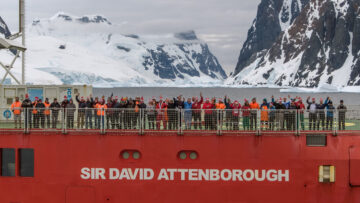
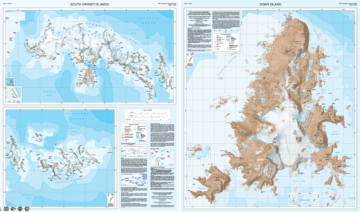
A new map of the South Orkney Islands has been released by British Antarctic Survey (BAS) – the first UK published, topographic map of the region in almost 40 years. The map offers a detailed topographic view of the entire South Orkney archipelago on one side, with a focused, high-resolution map of Signy Island on the reverse.
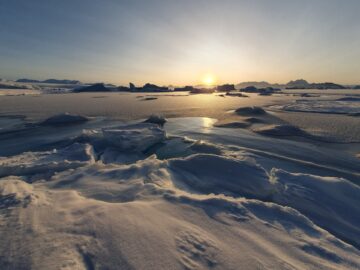
ritish Antarctic Survey (BAS) staff working on the frozen continent are preparing to celebrate the festive season in style. Nearly 300 researchers, engineers, crew and support staff, located across five research stations and on board the RRS Sir David Attenborough, are guaranteed a white Christmas complete with snow, ice and penguins.

The 2023/4 Antarctic field season has wound up and the last of the summer teams are aboard the RRS Sir David Attenborough and heading for home.
The 2022/23 Antarctic field season has ended, marking the conclusion of another successful year of scientific exploration in one of the world’s most remote and challenging environments. This field season, […]
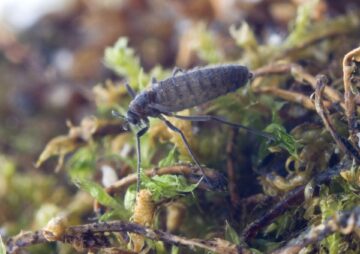
A tiny flightless midge which has colonised Antarctica’s Signy Island is driving fundamental changes to the island’s soil ecosystem. Research by experts at the British Antarctic Survey (BAS) in collaboration […]
Our Antarctic field season has begun, with a challenging and ambitious range of projects to be delivered at five British Antarctic Survey (BAS) research stations and across the wider continent. […]
The British Antarctic Survey (BAS) field season has finished for another year. RRS Sir David Attenborough departed Rothera Research Station for the final time earlier in May and is […]
Applications to carry out small-scale research projects in the Antarctic in the 2022/23 season are invited from UK-based researchers. The Collaborative Antarctic Science Scheme (CASS) provides opportunities for scientists in […]
2021 has been a rollercoaster year for British Antarctic Survey, operating research stations in the Antarctic and the sub-Antarctic through the Covid-19 pandemic, while our new polar research vessel, the […]
Science and support teams from British Antarctic Survey (BAS) are gearing up for the start of the Antarctic summer field season. All five of our research stations will be open […]
Data collected from a long-term study by British Antarctic Survey (BAS) scientists shows declining populations of an already relatively rare Antarctic seabird, the South Georgia shag. Published in the journal […]
Staff at British Antarctic Survey (BAS) ships and research stations prepare to celebrate the festive season. It’s been a year like no other, with extraordinary arrangements made to keep facilities […]
Food wrapping, fishing gear and plastic waste continue to reach the Antarctic. Two new studies into how plastic debris is reaching sub-Antarctic islands are published in the journal Environment International. […]
As you make the last preparations for the festive period, spare a thought for those who will be working away in Antarctica for British Antarctic Survey. Over 300 staff, scientists […]
Of the known non-native or ‘alien’ species found in Antarctica, a non-biting species of midge currently presents one of the highest risks to terrestrial ecosystems, researchers have found. The preliminary […]

A World Meteorological Organization (WMO) committee of experts announces this week (Wed 1 March) new records for the highest temperatures recorded in the Antarctic Region. The results are part of […]
Construction expert BAM has been chosen to partner with British Antarctic Survey (BAS) to modernise UK Antarctic and other research facilities, enabling British scientists to continue delivering world class research […]
As spring returns to the southern hemisphere British Antarctic Survey (BAS) has started another research season which will take them over land, sea and ice in search of answers to […]
A forty year study on a remote Antarctic island shows that while populations of two penguin species are declining, a third is increasing. Analysis of census data from Signy Island […]
New blog from ecologist Jes Bartlett who’s heading to spend the summer working at Signy Island Research station. Here she talks about preparing cargo in her blog: The Cargo Deadline […]
Technical advisor appointment
British Antarctic Survey (BAS) is recruiting now. The smooth operation and maintenance of our research stations depends on skilled technical support teams. Check out our latest vacancies!
New research shows decline in population and breeding success of Antarctic seabird A fifty year study of the charismatic seabird, the southern giant petrel, on the Antarctic island of Signy […]
British Antarctic Survey staff prepare to celebrate Christmas far away from home As you make the last preparations for the festive period, spare a thought for those who will be […]
Lessons from a remote Antarctic island on the vulnerability of ecosystems Scientists have carried out new research that could change the way we think about the vulnerability of ecosystems. Published […]
Moss brought back to life after 1,500 years frozen in ice Researchers from the British Antarctic Survey and Reading University have demonstrated that, after over 1,500 years frozen in Antarctic […]
Christmas messages from Antarctic staff Many British Antarctic Survey scientists and support staff will be spending this Christmas thousands of miles from home on the frozen continent. BAS has five […]
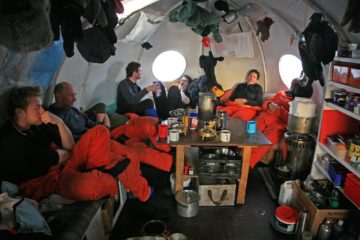
Series of large earthquakes in Scotia Sea close to South Orkney Islands A series of earthquakes has been detected in the Scotia Sea region close to the British Antarctic Survey’s […]
On the eve of the centenary of Sir Robert Falcon Scott’s expedition to the Antarctic, the British Antarctic Survey (BAS) 20011/12 field season is underway. The start of the season […]
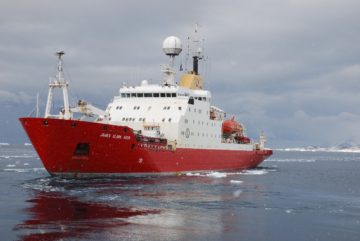
One plant species that grows in Antarctica appears to be thriving according to a team of UK scientists. Antarctic Hairgrass (Deschampsia antarctica) is more effective at absorbing organic nitrogen from […]