
British Antarctic Survey (BAS) addresses the big questions in polar science through interdisciplinary science teams.
Our science teams comprise the our own scientists collaborating with universities and research organisations in the UK and globally. Our teams use the polar regions as a natural laboratory to understand global environmental issues and inform policy.
Science teams
Artificial Intelligence (AI) Lab
The team uses artificial intelligence and machine learning to extract data from our research findings, model polar regions, and guide sustainable decision-making.
Atmosphere, Ice and Climate team
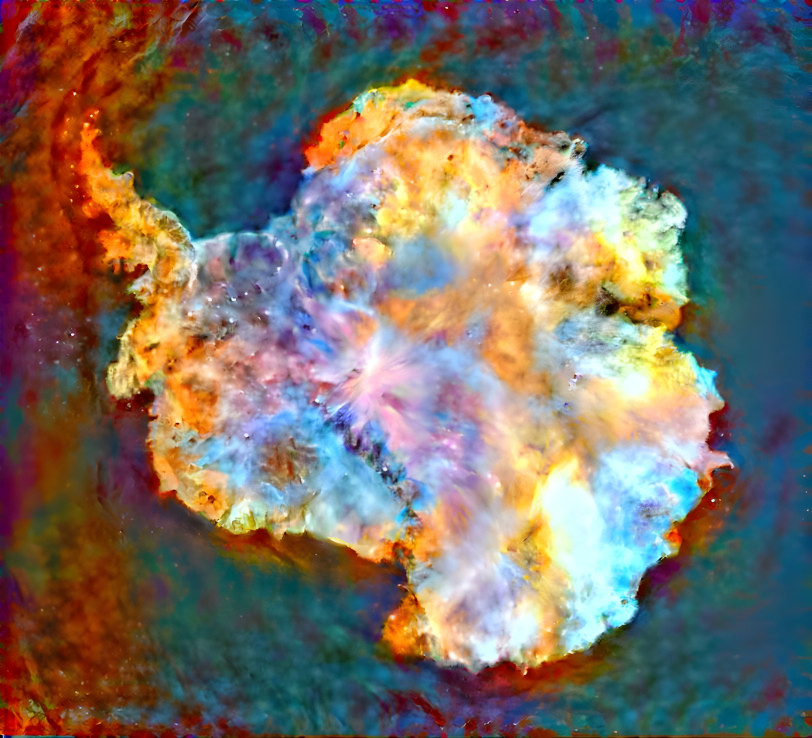
The team studies how the polar atmosphere, ocean, and ice interact with each other and the global climate. Our long-term observations and modelling provide predictions that guide climate policy.

Biodiversity, Evolution and Adaptation team
The team looks at how past, present and future environmental change affects polar biodiversity on land and sea. Their findings contribute to conservation policies world-wide.
Ecosystems team
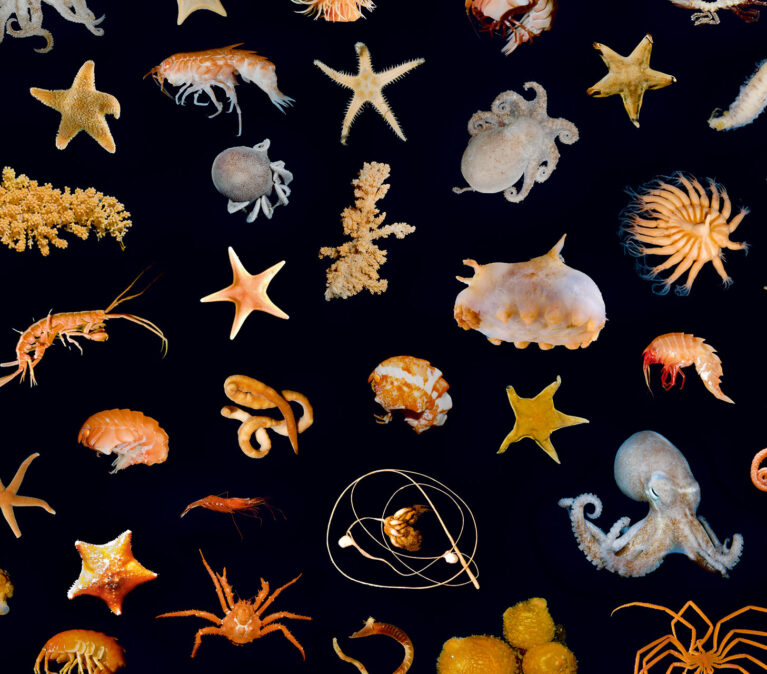
The team studies the combined impacts of climate change and commercial fishing on polar marine ecosystems. Their research helps shape conservation strategies.

Ice Dynamics and Palaeoclimate team
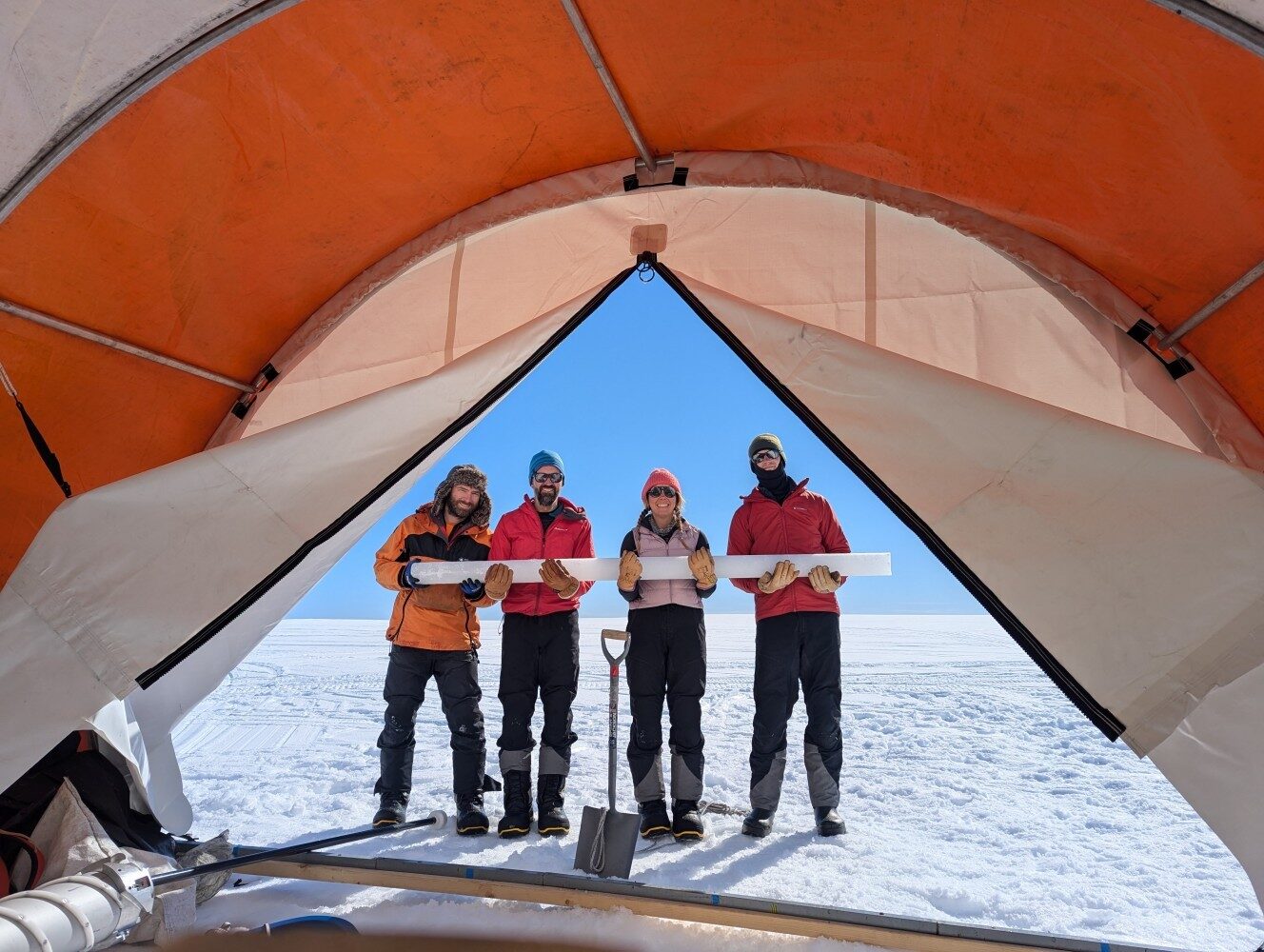
The team aims to improve understanding of glaciers and ice sheets and their response to climate change.
Palaeo Environments, Ice Sheets and Climate Change team
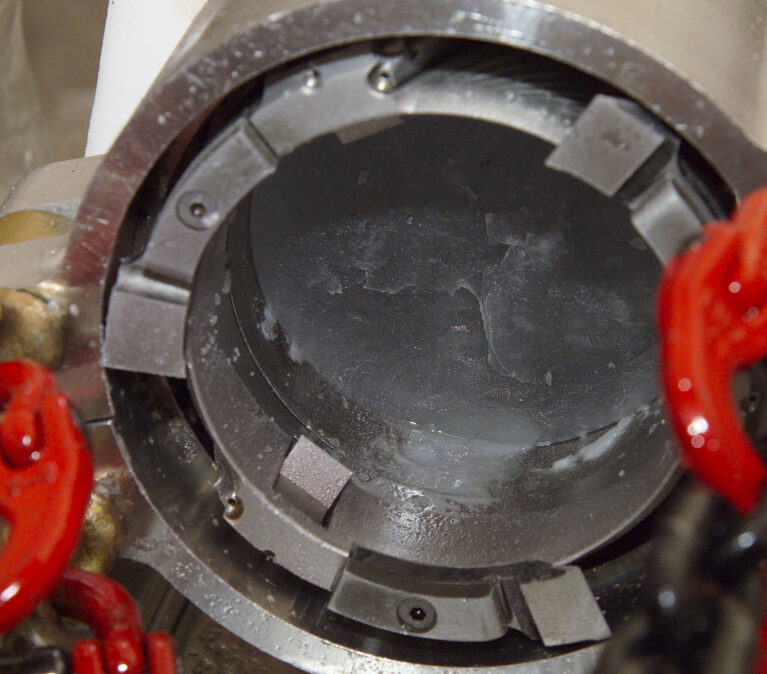
The team specialises in providing detailed records of climate and environmental change from the polar regions. By understanding past changes, we can reduce uncertainty in predictions of future climate and sea level change.

Polar Oceans team
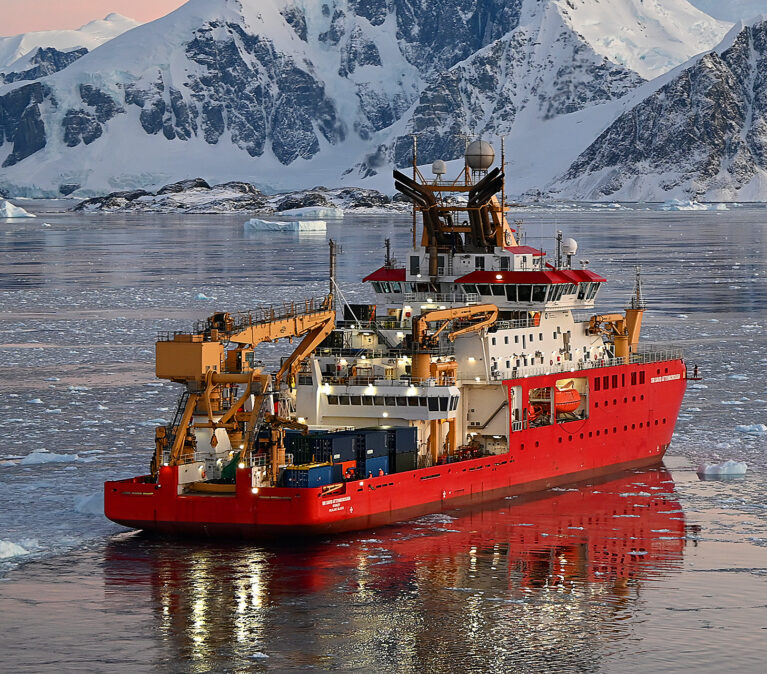
The team researches how polar oceans drive ice melt, store heat and carbon, and influence global climate. Their research helps to reduce uncertainty in scientific predictions. The polar oceans team studies
Space Weather and Atmosphere team
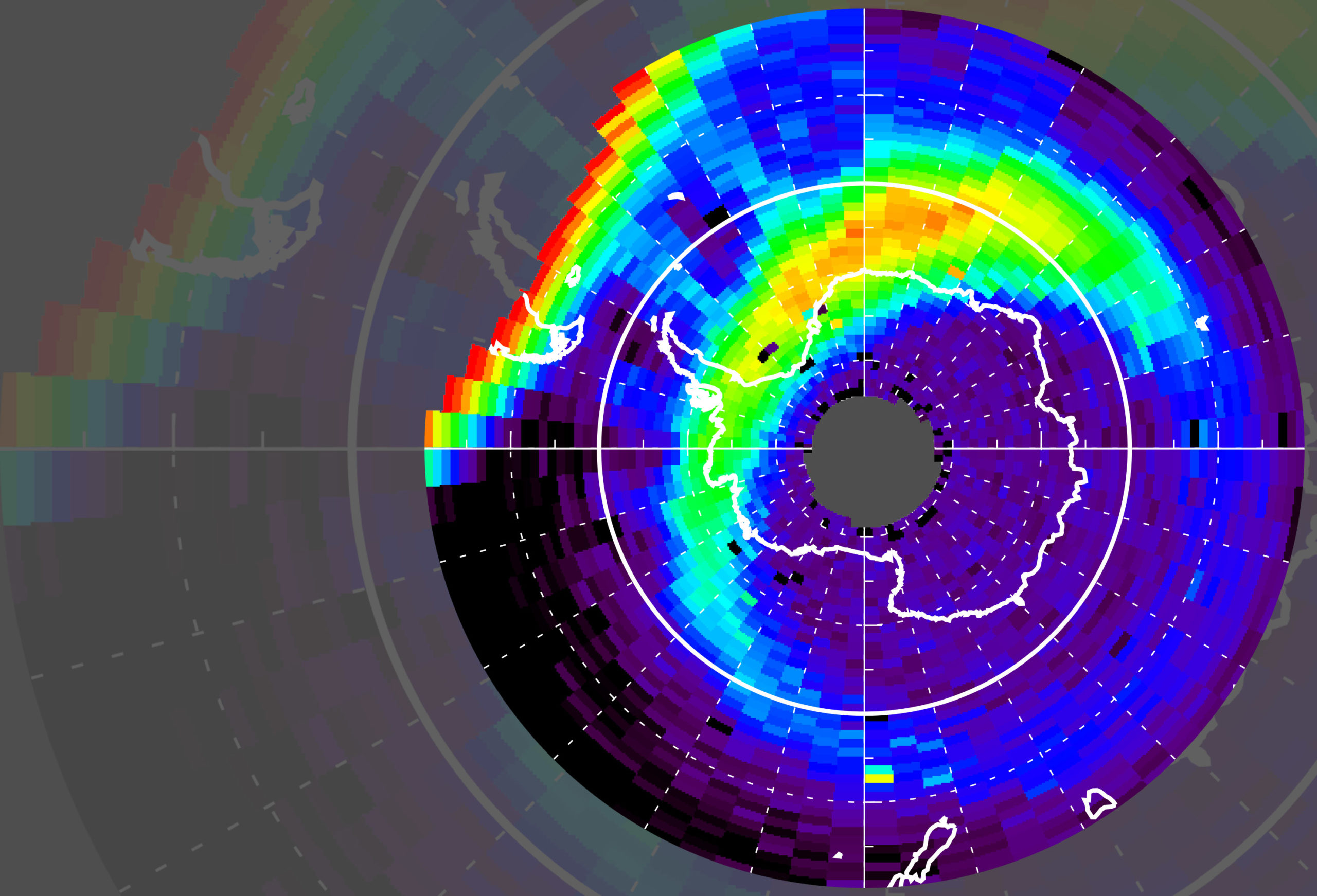
The team focuses on how solar activity affects the Earth’s upper atmosphere and climate. The research helps governments and the aerospace and insurance sectors mitigate the impacts of severe space weather, which can disrupt satellites and power grids.
Supporting research
Our science teams are supported by the Research development and support (ReDS) business team. Their role includes:
- identifying new business and research opportunities
- supporting research grant applications
- managing large European-funded projects
- overseeing science facilities and laboratories.
ReDS also supports postgraduate research programmes and offers technical services and health and safety guidance to the science teams.
Stakeholder and public engagement
A common thread among all the BAS science and support teams is stakeholder and public engagement. This includes:
- producing briefings and advice for UK government departments
- collaborating with international partners
- disseminating research through publications, presentations, and public engagement activities.