Scientists track rapid retreat of Antarctic glacier
Scientists are warning that apparently stable glaciers in Antarctica can change rapidly and lose large quantities of ice as a result of warmer oceans.
25 to 36 of 156 results
Scientists are warning that apparently stable glaciers in Antarctica can change rapidly and lose large quantities of ice as a result of warmer oceans.
British Antarctic Survey glaciologist Hamish Pritchard has won the 2023 Harry Otten Prize for Innovation in Meteorology.
New measurements of how the boundary between onshore glacier and floating ice shelf glides back-and- forth could help predict melting
In a significant milestone for Antarctic research, detailed and extensive information on ice thickness and bed topography is now available for the first time in a centralised and standardised format. […]
The ground beneath Antarctica’s most vulnerable glacier has been mapped for the first time, helping scientists to better understand how it is being affected by climate change. Analysis of the […]
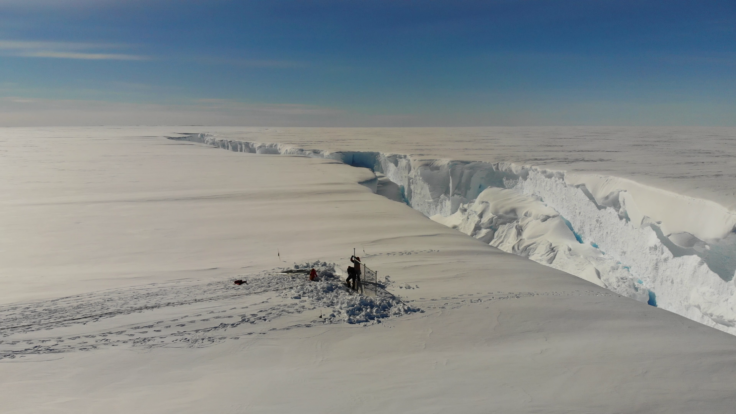
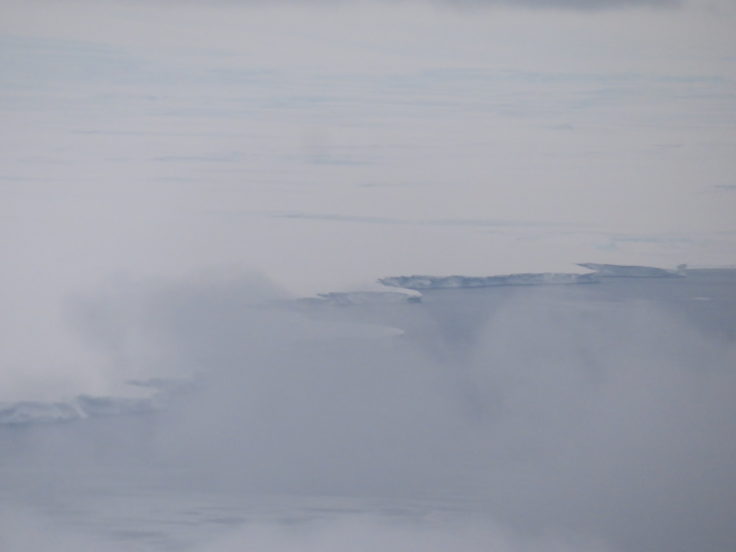
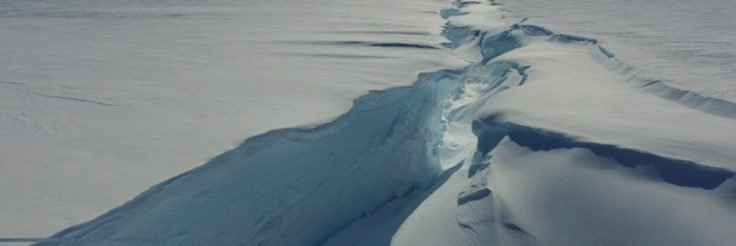
RIFT-TIP is investigating iceberg calving on the Brunt Ice Shelf. It uses field monitoring, lab testing, and modelling to predict when icebergs will form.
Scientists Dr Peter Davis (British Antarctic Survey) and Dr Britney Schmidt (Cornell University) have been named in the 2023 TIME100 annual list of the 100 most influential people in the […]
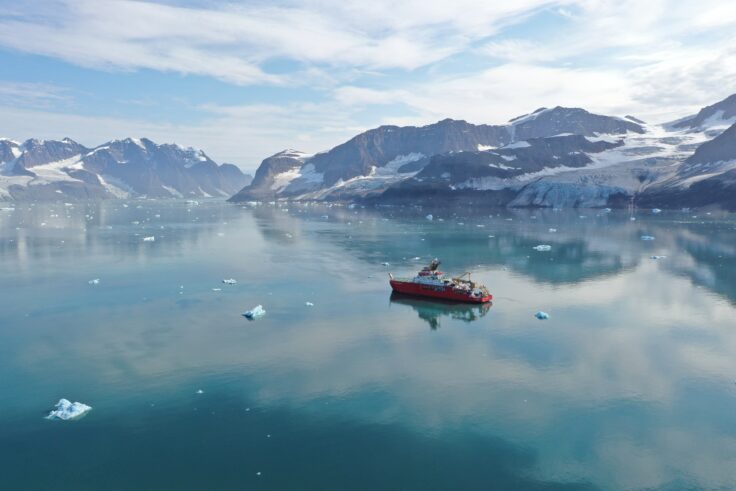
KANG-GLAC studies past and present glacier-ocean changes in southeast Greenland to predict how ice loss will affect ocean circulation, ecosystems and climate.
A new study highlights how extreme snowfall events significantly alter the amount of ice lost by the West Antarctic Ice Sheet. A team of scientists from British Antarctic Survey, along […]
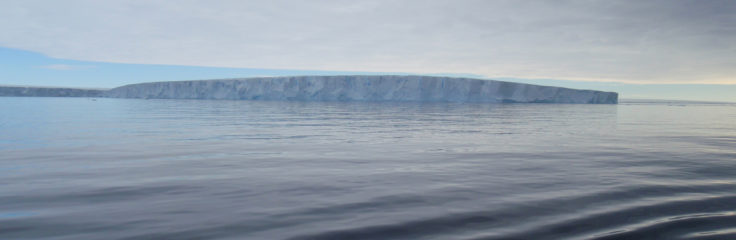
ANTARCTICA – 13 March 2023. British Antarctic Survey (BAS) has released the first aerial pictures of the massive A81 iceberg that calved from the Brunt Ice Shelf in late January. […]
ANTARCTICA – 23 January 2023. A huge iceberg (1550 km²), almost the size of Greater London, has broken off the 150m thick Brunt Ice Shelf. It calved after cracks that […]
Scientists return to East Antarctica this month (December) to locate the oldest ice on Earth. The team is part of an EU-funded research consortium from 10 European countries whose aim […]