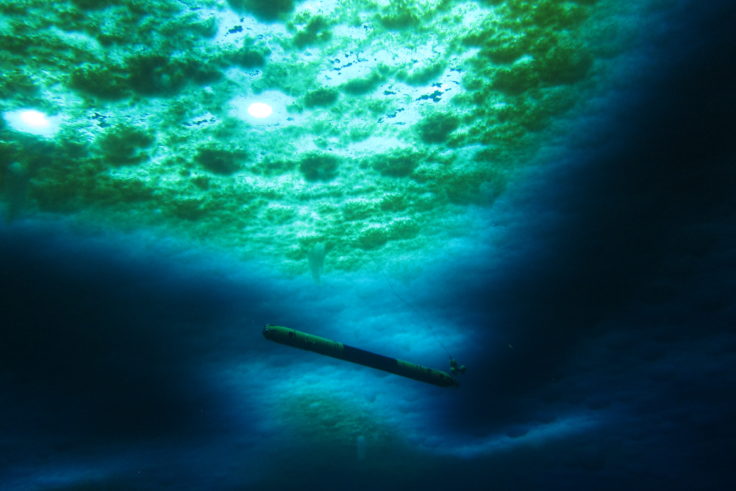
Antarctic ice explains dip in CO2 levels
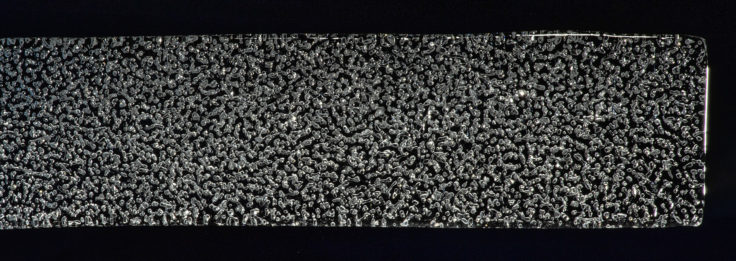
Small bubbles of air from ice in Antarctica resolve a long-standing debate about why there was a decline in atmospheric carbon dioxide (CO2) during the 16th and 17th centuries.

13 to 24 of 149 results
Small bubbles of air from ice in Antarctica resolve a long-standing debate about why there was a decline in atmospheric carbon dioxide (CO2) during the 16th and 17th centuries.
The first direct evidence that the West Antarctic Ice Sheet shrank suddenly and dramatically at the end of the Last Ice Age, around eight thousand years ago, is published in a new study this week.
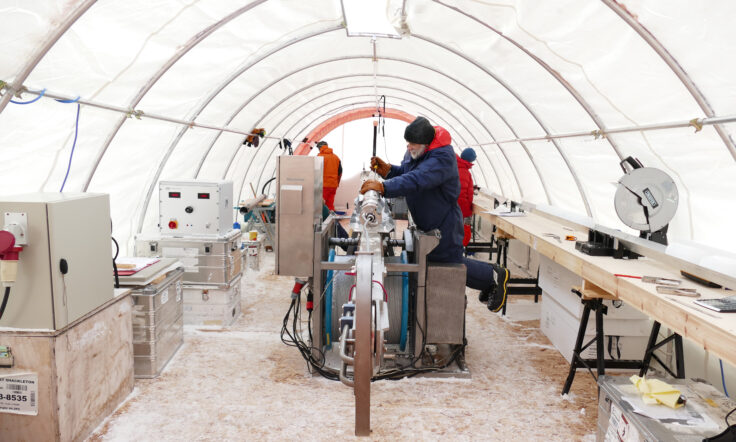
A team of scientists from the British Antarctic Survey (BAS) is gearing up for an expedition to the Brunt Ice Shelf in Antarctica to unravel the mysteries behind the calving processes that result in the formation of colossal icebergs.
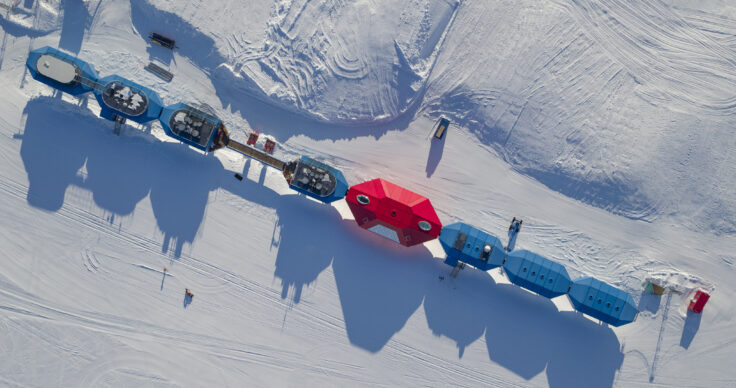
Thirty seven scientists and over 24 support staff are arriving in Antarctica to work on Thwaites Glacier.
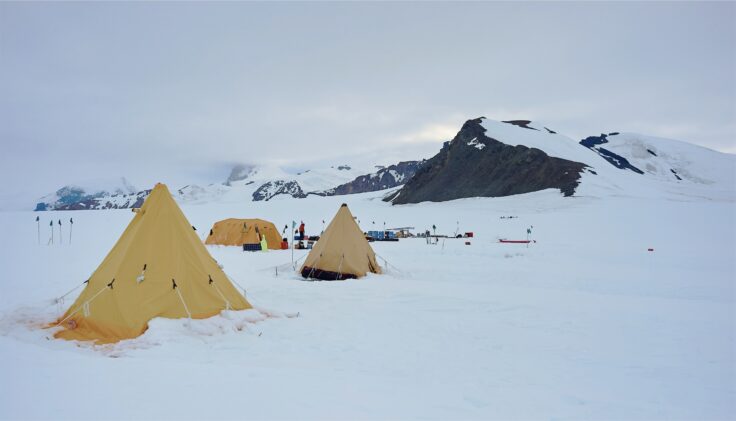
The Royal Society Publishing Photography Competition celebrates the power of photography in capturing scientific phenomena happening all around us, and the role great images play in making science accessible to a wide audience.
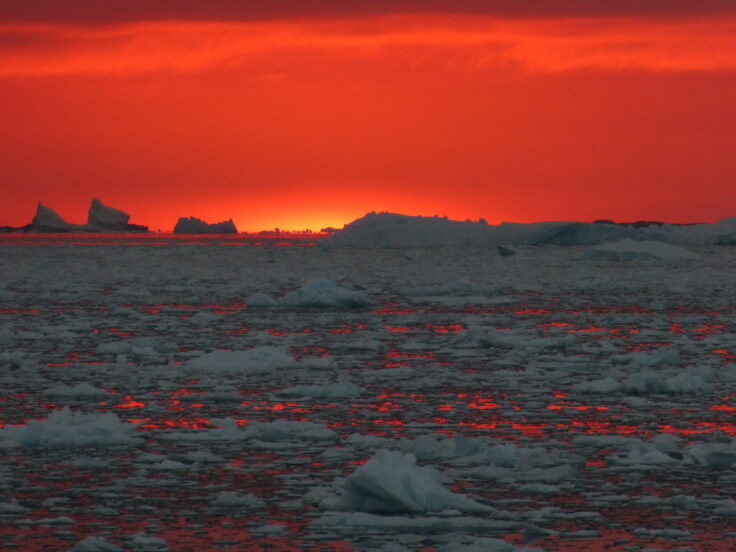
Scientists are warning that apparently stable glaciers in Antarctica can change rapidly and lose large quantities of ice as a result of warmer oceans.
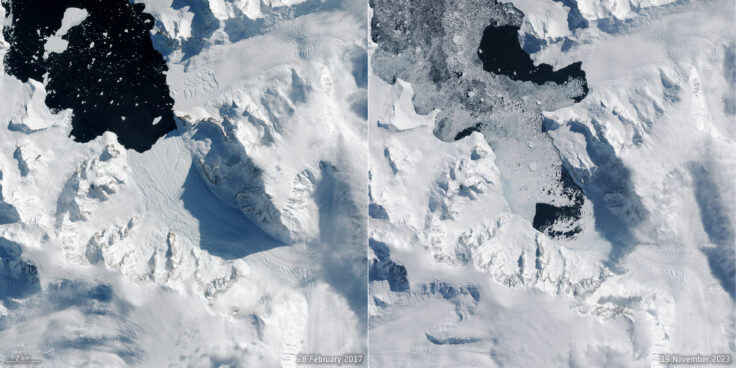
British Antarctic Survey glaciologist Hamish Pritchard has won the 2023 Harry Otten Prize for Innovation in Meteorology.
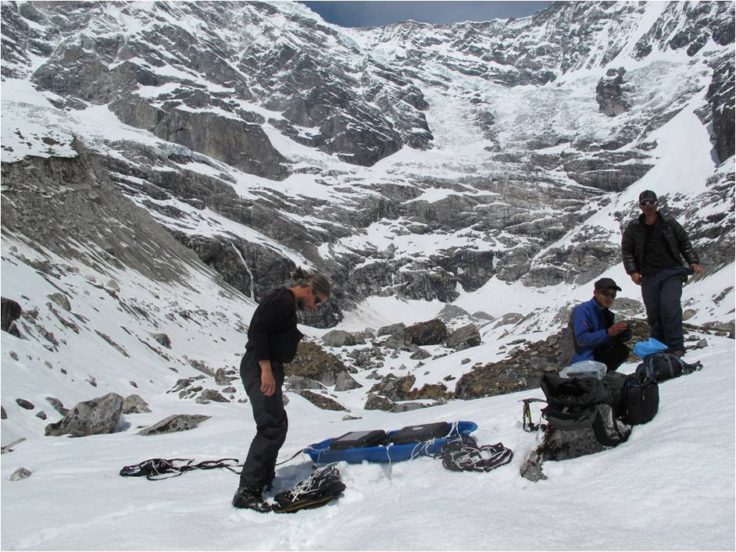
New measurements of how the boundary between onshore glacier and floating ice shelf glides back-and- forth could help predict melting
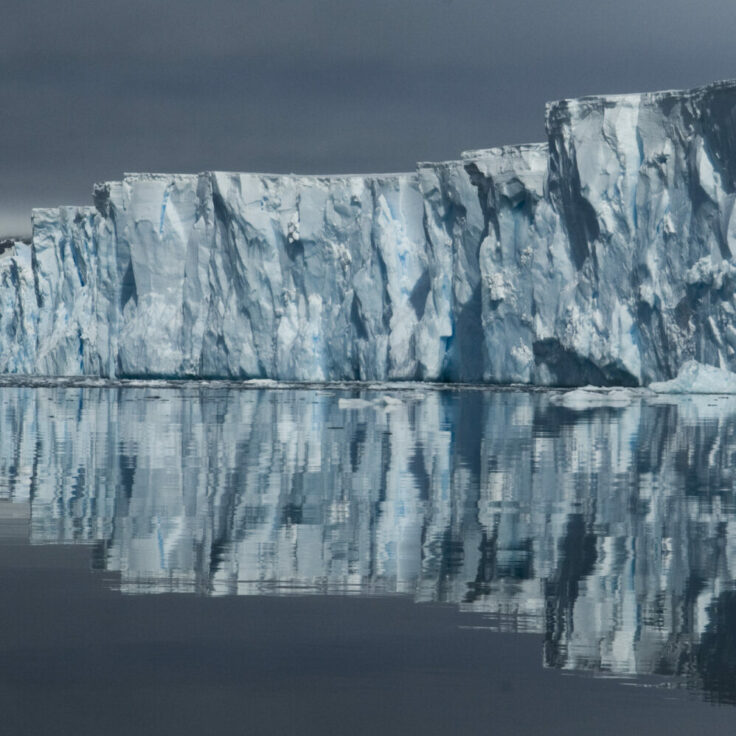
In a significant milestone for Antarctic research, detailed and extensive information on ice thickness and bed topography is now available for the first time in a centralised and standardised format. […]
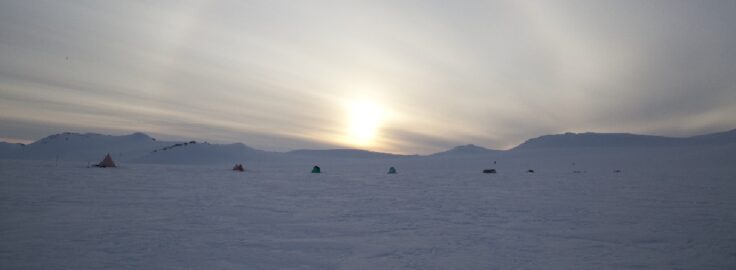
The ground beneath Antarctica’s most vulnerable glacier has been mapped for the first time, helping scientists to better understand how it is being affected by climate change. Analysis of the […]
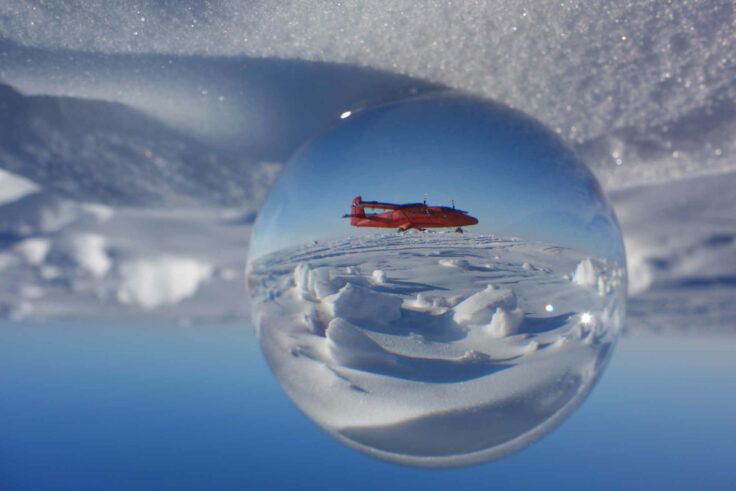
RIFT-TIP is investigating iceberg calving on the Brunt Ice Shelf. It uses field monitoring, lab testing, and modelling to predict when icebergs will form.
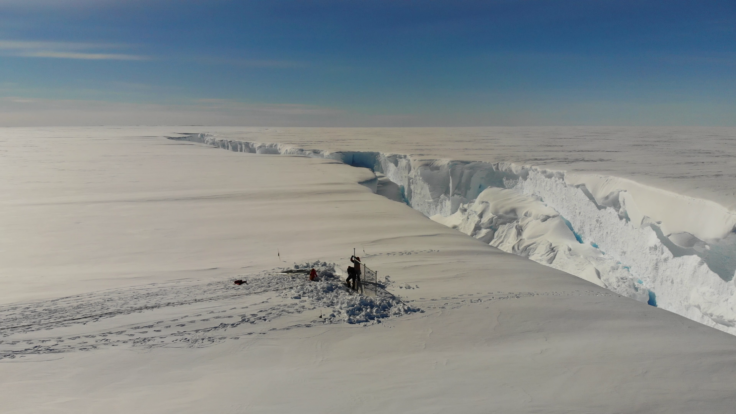
Scientists Dr Peter Davis (British Antarctic Survey) and Dr Britney Schmidt (Cornell University) have been named in the 2023 TIME100 annual list of the 100 most influential people in the […]