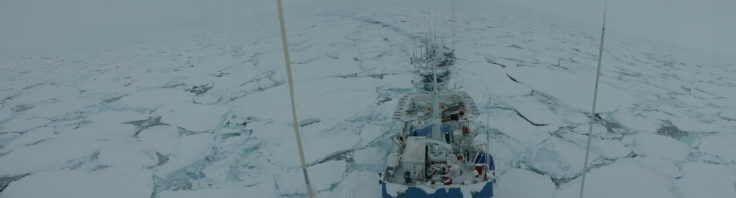
How Antarctic winds shaped CO₂
SIWHA investigates how westerly winds and sea ice have influenced CO2 uptake and release in the Southern Ocean.

9 of 9 results
SIWHA investigates how westerly winds and sea ice have influenced CO2 uptake and release in the Southern Ocean.
Congratulations to Dr Emilie Capron who has been awarded the prestigious Early Career Scientist Award of the International Union of Geodesy and Geophysics (IUGG). Dr Capron is a palaeoclimatologist at British […]
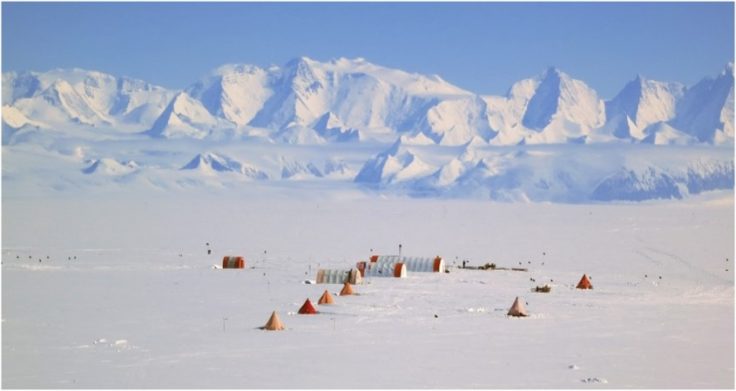
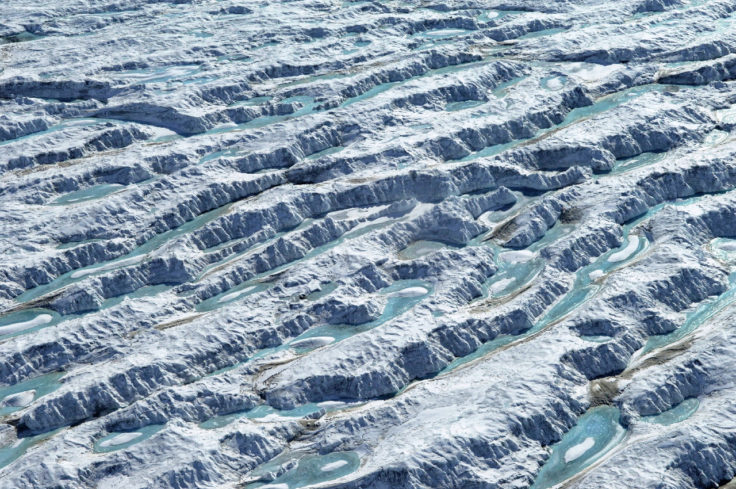
MIDAS investigates how climate warming affects the Larsen C ice shelf in Antarctica. The project studies the formation of large summer melt ponds and their influence on ice shelf structure and stability. Fieldwork, satellite observation, and computer simulations are used to understand these processes.
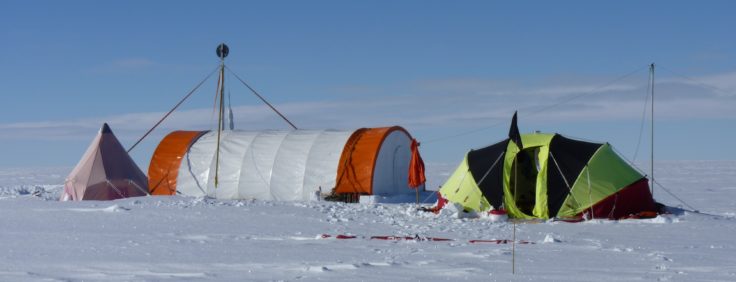
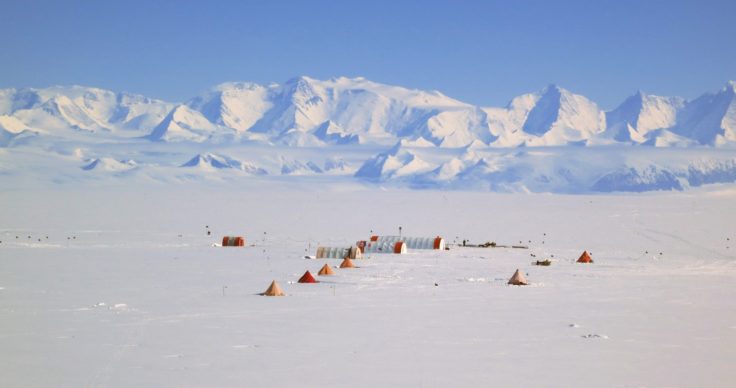
First phase of project to collect 1.5 million years of climate data in Antarctica A team of European scientists heads to East Antarctica this month to locate the oldest ice […]
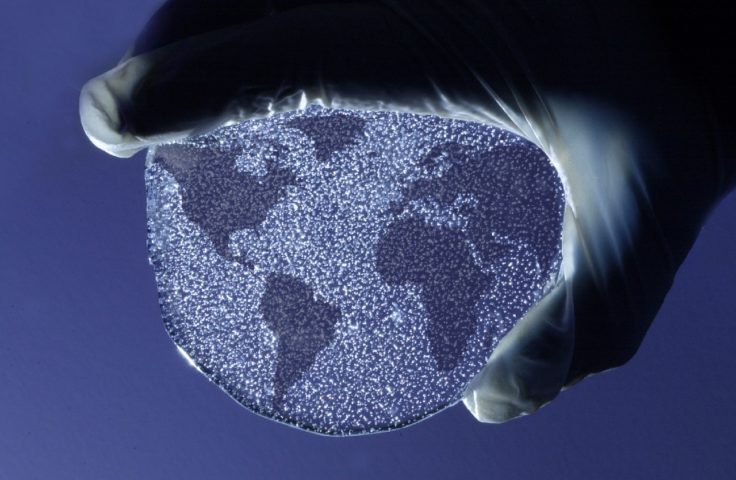
Beyond Epica – Oldest Ice drilled Antarctic cores up to 1.5 million years old. It explored past climate and greenhouse gas cycles, building on the Dome C ice record.
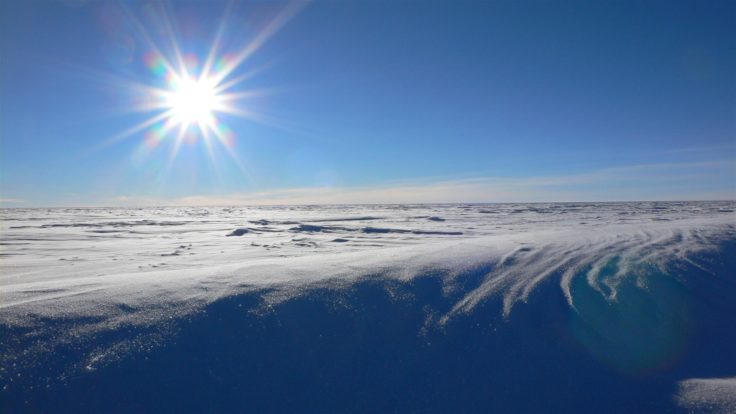
Volcanic ash Ice cores are cylinders of ice (approximately 10cm wide) drilled out of an ice sheet or glacier. On the East Antarctic Ice Sheet, these can be up to […]

Studying ice response during past climate changes improves understanding of Antarctic ice sheet dynamics. This knowledge helps predict how ice sheets may behave under future warming scenarios.
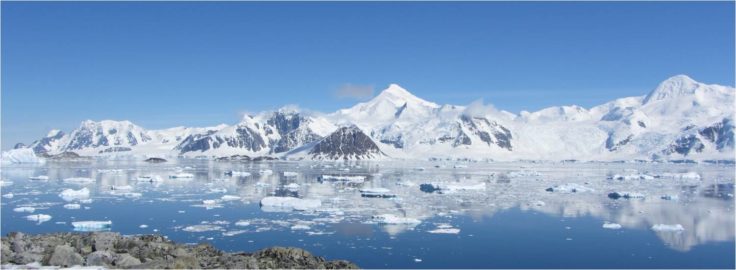
This project used ice cores drilled across the Antarctic Peninsula and West Antarctica to reconstruct past climate and understand whether the recent warming in these rapidly changing regions is unusual over longer timescales..
Extreme science in extreme conditions: frozen in to the Arctic winter Dr Markus Frey, a British Antarctic Survey (BAS) ice and atmospheric scientist, is living and working aboard the Norwegian […]