Giant West Antarctic iceberg disintegrates
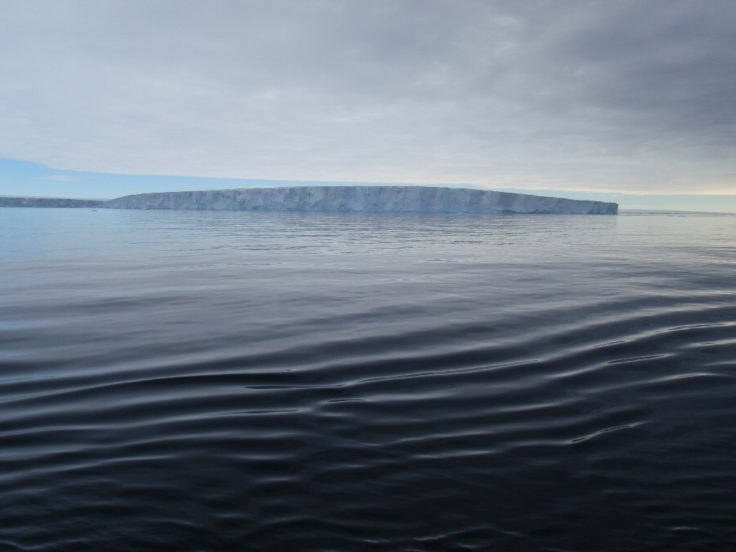
An animation of the giant iceberg that calved off the Pine Island Glacier in West Antarctica just over two months ago shows an unexpected break up. Satellite images revealed a […]

25 to 36 of 54 results
An animation of the giant iceberg that calved off the Pine Island Glacier in West Antarctica just over two months ago shows an unexpected break up. Satellite images revealed a […]
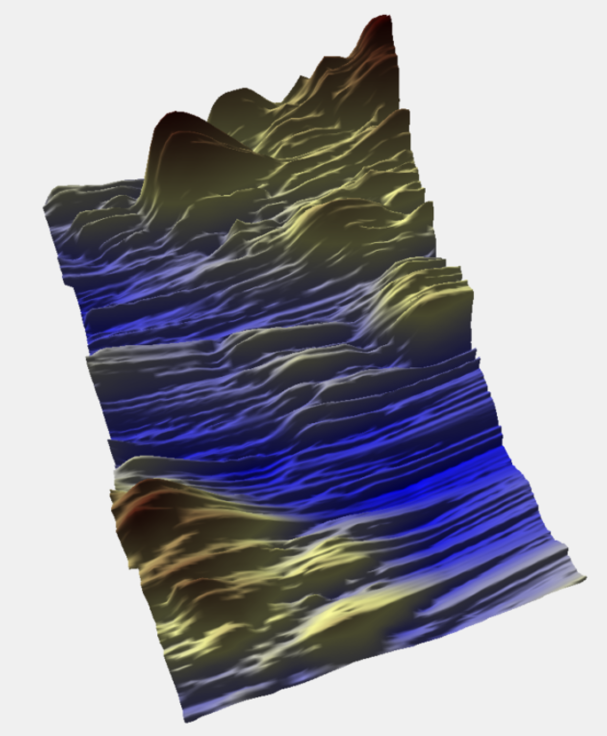
A UK team of researchers has produced high-resolution maps of the bed beneath a major glacier in West Antarctica, which will help them predict future sea-level rise from this region. […]
Latest satellite images reveal a new 100-square-mile iceberg emerging from Antarctica’s Pine Island Glacier. The calving event did not come as a complete surprise, but is a troubling sign with […]
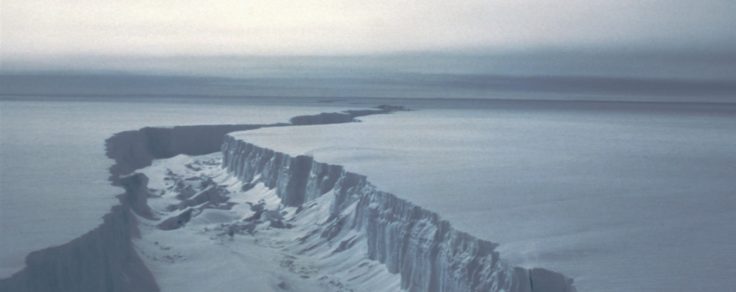
British Antarctic Survey (BAS) recently captured this video footage of a huge crack in the Larsen C Ice Shelf, on the Antarctic Peninsula. Currently a huge iceberg, roughly the size […]
New study reveals when West Antarctica’s largest glacier started retreating Reporting this week (Wednesday 23 November) in the journal Nature an international team led by British Antarctic Survey (BAS) explains […]
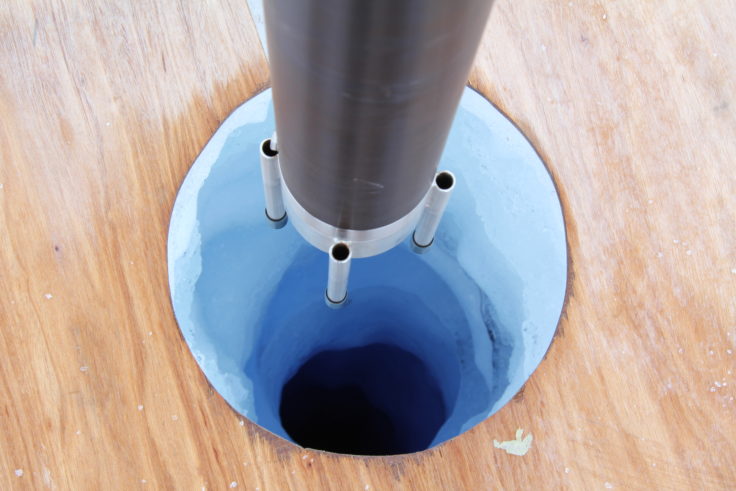
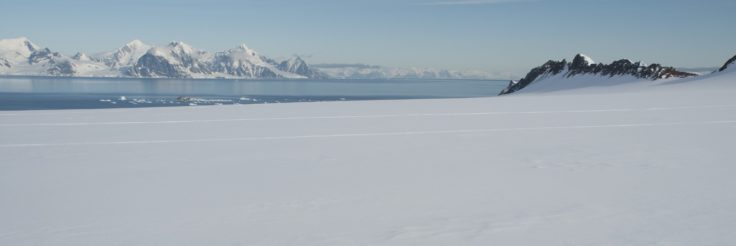
A new study has found for the first time that ocean warming is the primary cause of retreat of glaciers on the Antarctic Peninsula. The Peninsula is one of the largest current contributors to sea-level rise and this new finding will enable researchers to make better predictions of ice loss from this region.
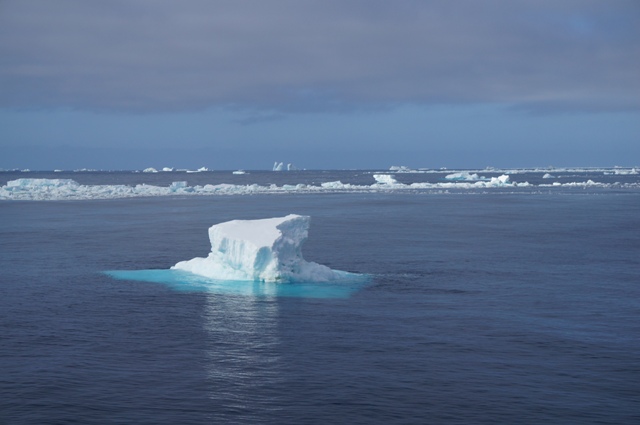
Pine Island Glacier in West Antarctica is currently one of the single biggest contributors to sea-level rise with an estimated volume loss of 1.2mm sea-level equivalent per decade. The loss […]
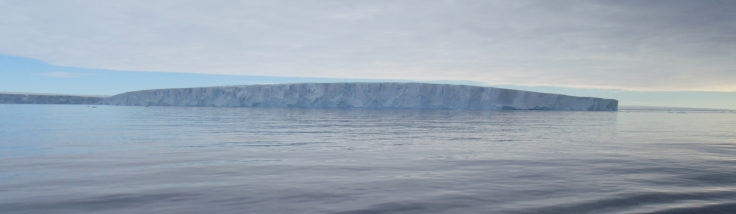
Ice layers Radio waves can be transmitted down through an ice sheet, ice stream or glacier and are reflected off the internal layers in the ice as well as off […]

In February 2002, satellite images from a remote location in Antarctica revealed how an immense volume of floating ice, up to 1km thick, suddenly collapsed. Over the course of a […]
Studying ice response during past climate changes improves understanding of Antarctic ice sheet dynamics. This knowledge helps predict how ice sheets may behave under future warming scenarios.
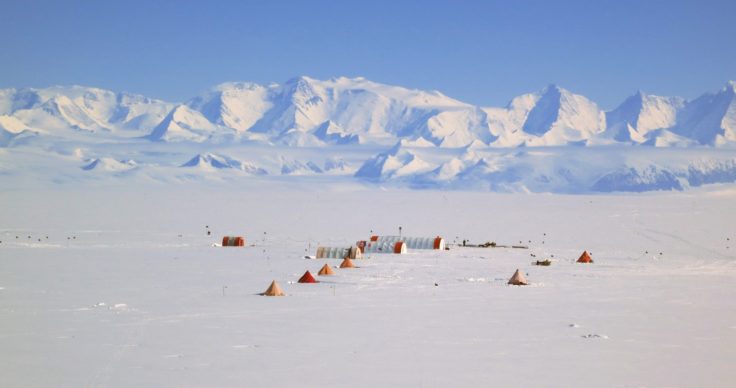
By exploiting advances in ice sheet modelling, and new Antarctic-wide datasets, this project aims to predict how far and how fast the observed ocean-driven thinning of floating ice shelves will propagate into the interior of the Antarctic ice sheet, and assess the consequences for global sea level over decadal-to-centennial timescales.
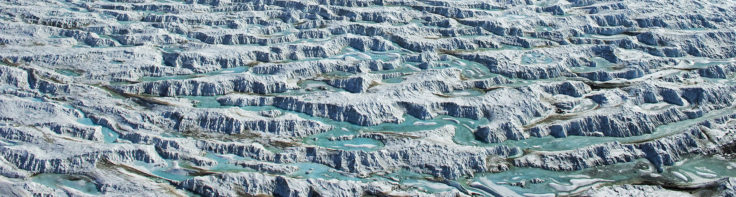
The ice sheet modelling group integrates observational data with dynamical models to improve our representation of how the ice flows beneath the surface, and to reveal how the shape and flow of the Antarctic ice sheet has changed in the past.