Fish by-catch in the Antarctic krill fishery
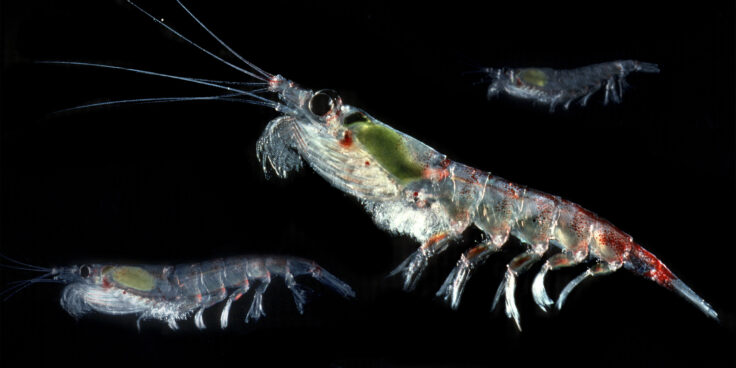
This project is improving our understanding of fish bycatch in the Antarctic krill fishery, to help support better management and conservation.
61 to 72 of 260 results
This project is improving our understanding of fish bycatch in the Antarctic krill fishery, to help support better management and conservation.
The amazing survival strategies of polar marine creatures might help to explain how the first animals on Earth could have evolved earlier than the oldest fossils suggest according to new […]
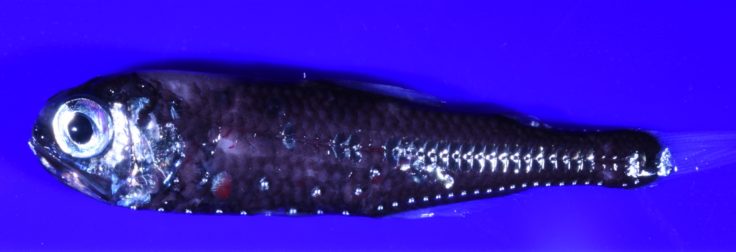
A new study, led by British Antarctic Survey and the University of Bristol, provides the first evidence that a controversial evolutionary process may be responsible for lanternfishes becoming one of […]
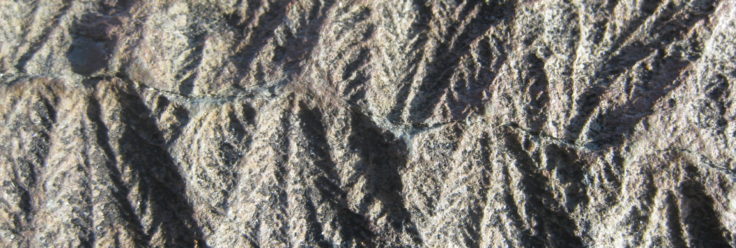
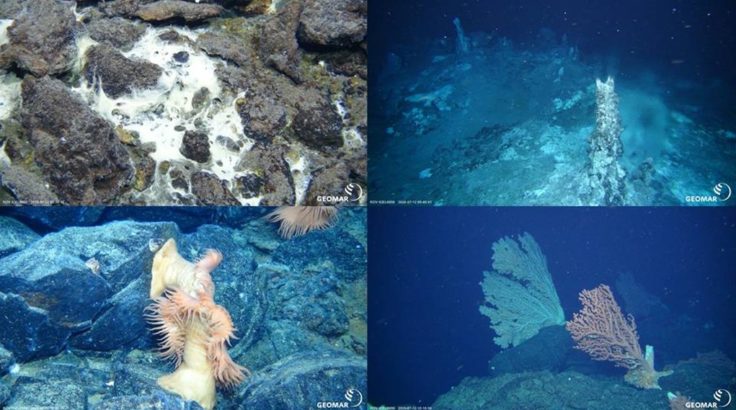
HEXPLORES searches for active hydrothermal vents in the Red Sea Rift. The Rift contains the world’s largest submarine metalliferous sulphide deposit. Yet no active vent systems have been located there.
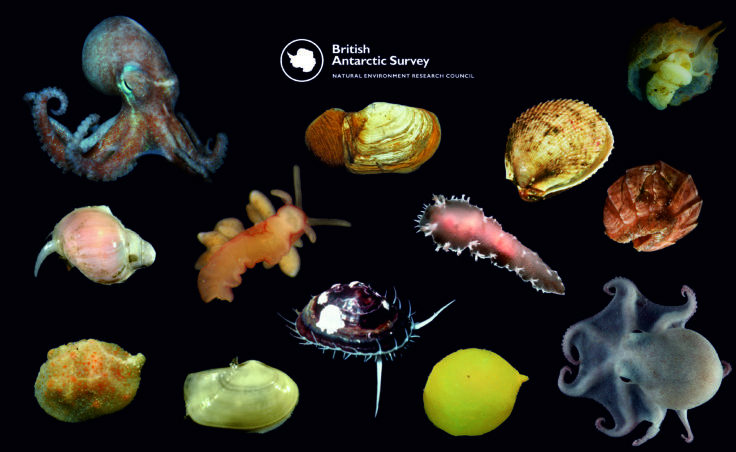
The first Red List for Antarctic and Subantarctic marine molluscs, for the British Antarctic Territory, Falkland Islands, South Georgia and South Sandwich Islands, funded by Darwin Plus.
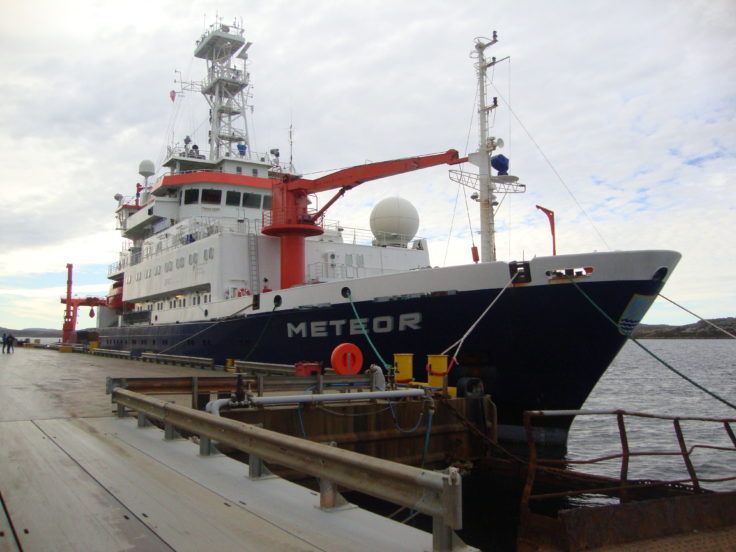
The international IceAGE project focuses on the collection of genetically useful material for DNA barcoding, population genetics and other molecular analyses of Icelandic marine animals.
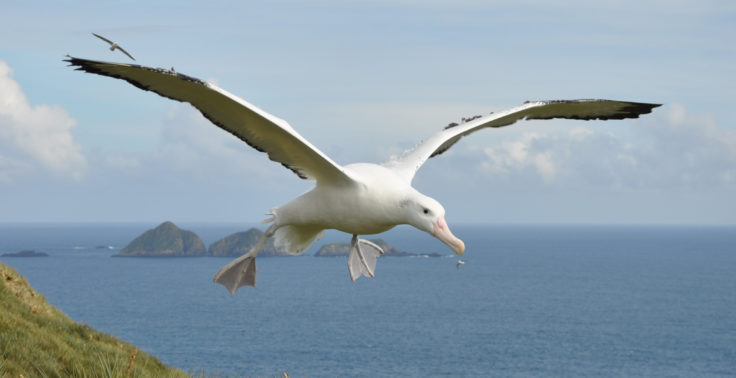
British Antarctic Survey (BAS) and RSPB are recruiting albatross detectives to help to search for wandering albatrosses in satellite images taken from space. This is to help us learn more […]
Scientists have unlocked the mysteries of how shark and ray species move up and down the ocean water column, in efforts to better understand them and protect their future. […]
The second of six winter krill surveys in South Georgia and the South Sandwich Islands is underway. The first winter krill survey was completed successfully on board the South Georgia […]
Scientists have reconstructed more than 60 million years of evolutionary history to reveal how penguins became oceanic birds. An international team of 40 researchers analysed the genomes – the complete […]
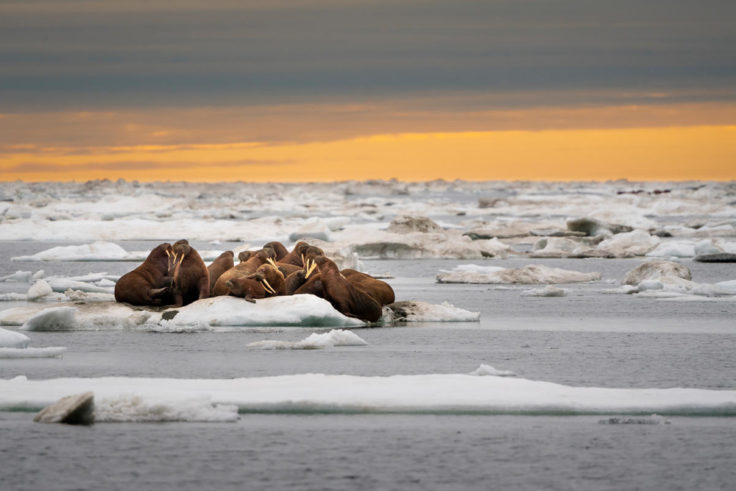
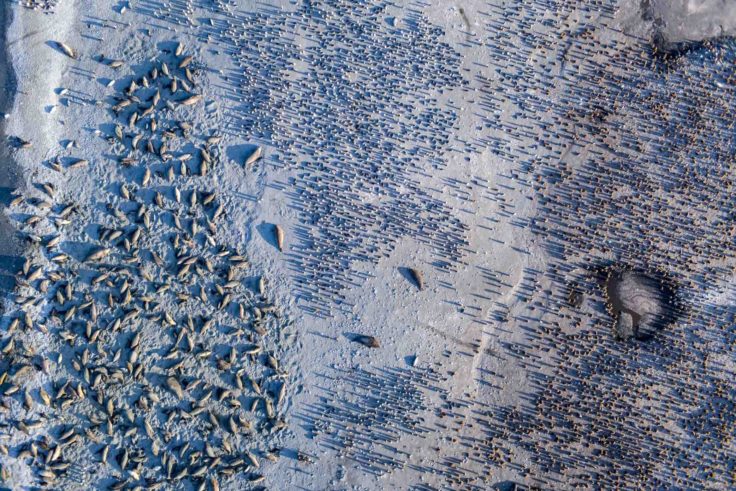
Researchers are heading to the Arctic to begin fieldwork to study walrus populations for the next stage in the Walrus from Space project.
A new study featuring contributions from British Antarctic Survey (BAS) scientists has predicted the top emerging threats to ocean biodiversity over the coming decades.