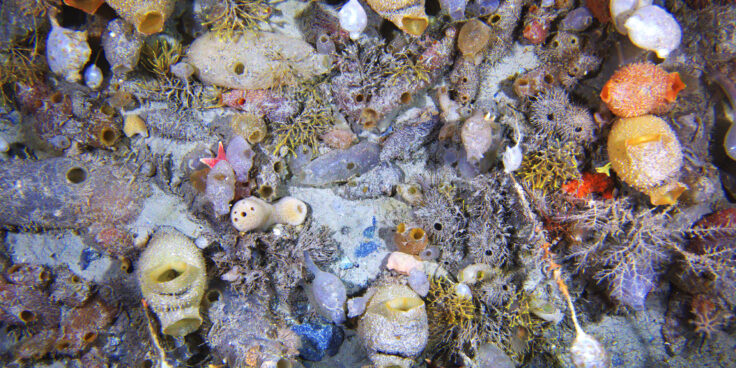
The evolution and ecology of Antarctic sea floor communities
Antarctic seafloor ecosystems are both unique and fragile. Studying their past and present gives us valuable insights into how climate change may reshape them.
37 to 48 of 262 results
Antarctic seafloor ecosystems are both unique and fragile. Studying their past and present gives us valuable insights into how climate change may reshape them.
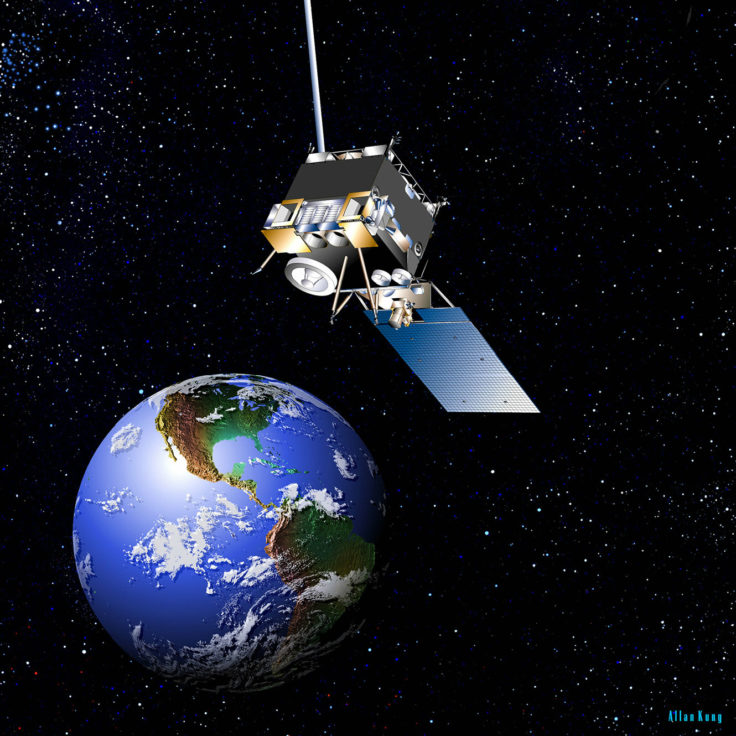
The shortlist has been announced for The Natural Environment Research Council’s (NERC) Impact Awards 2023. Four BAS projects have made the shortlist and commended list, ranging from biodiversity and ecology to space weather.
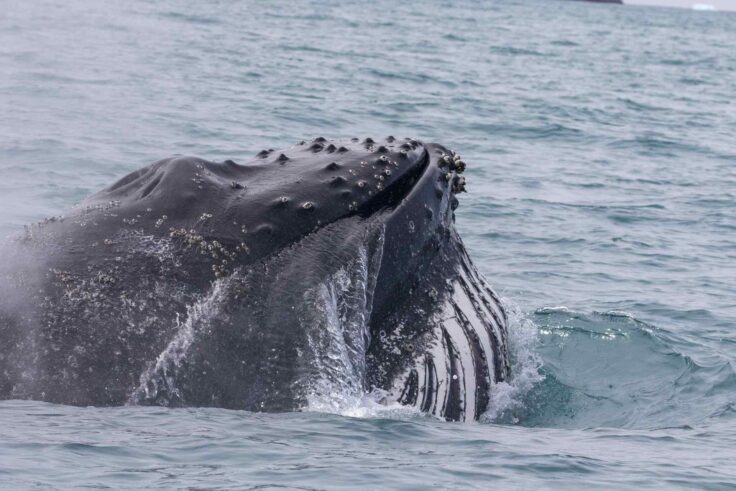
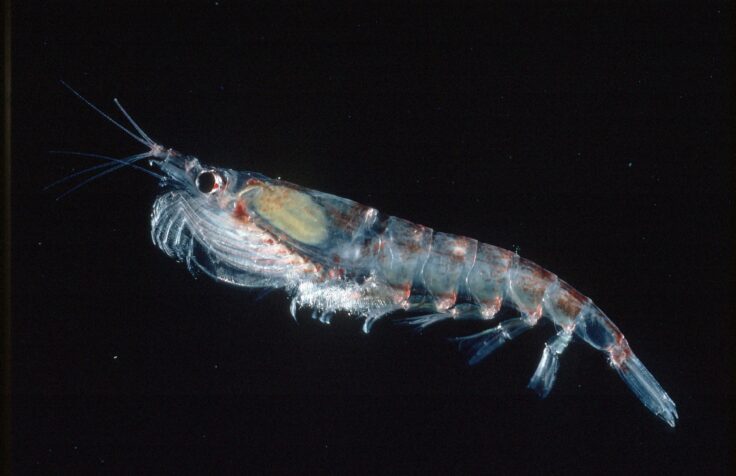
Hungry Humpbacks studied how humpback whales, the largest predators of krill in the region, fed at South Georgia.
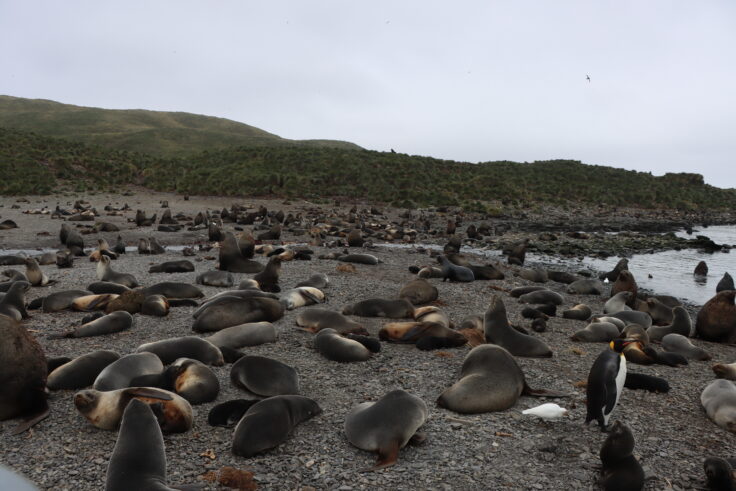
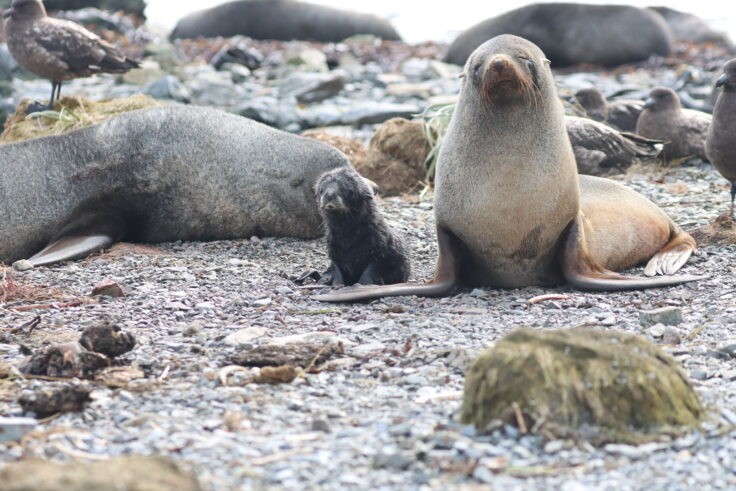
Antarctic fur seals that were hunted to near extinction have recovered but now face dangerous decline because of a lack of food, new research suggests.
A new study of northern gannets has found that individual birds are left or right winged. The study, published in in Biology Letters, is the first to demonstrate ‘handedness’ in seabirds while hunting.
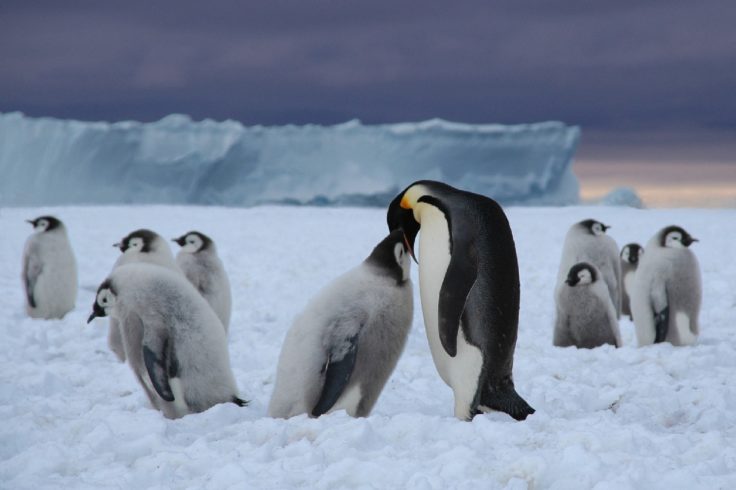
Emperor penguin colonies experienced unprecedented breeding failure in a region of Antarctica where there was total sea ice loss in 2022.
CONSEC explores how climate change and human activity are transforming the Southern Ocean, guiding global science and conservation.
How do you spot an invader you can’t see in a harsh and unforgiving environment? A team of international scientists are looking for new methods to defend the frozen continent […]
Plastic pollution accumulating in international waters poses a serious risk to marine life, including a number of threatened bird species. A huge team of scientists studied the global movements of […]
An international team of researchers has sequenced the genomes of 24 Antarctic fish species to investigate how they survive the extreme cold. The study, published in the journal Nature Communications, […]
Researchers have discovered a flesh-eating fish is in major decline – by looking at the stomach content of some of the world’s largest bird, albatrosses. The Patagonian Lamprey, Geotria macrostoma, […]
The AI for smart conservation project combines sea ice forecasts, satellite data, and GPS tracking to create early-warning systems for Arctic wildlife.