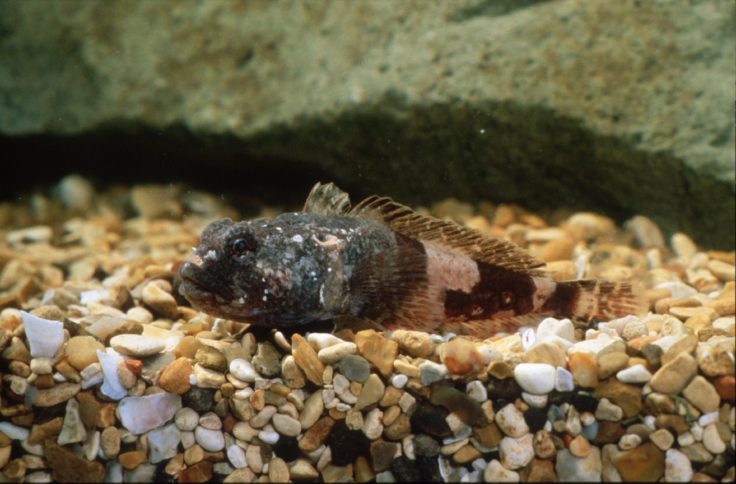
Groundfish survey reveals key insights into South Georgia’s marine life
A team of scientists from the British Antarctic Survey (BAS) explored the diverse marine life and groundfish thriving 300 metres below the surface.

13 to 24 of 266 results
A team of scientists from the British Antarctic Survey (BAS) explored the diverse marine life and groundfish thriving 300 metres below the surface.
Scientists have discovered vibrant communities of ancient sponges and corals on the newly exposed seafloor following the calving of the giant A-84 iceberg.
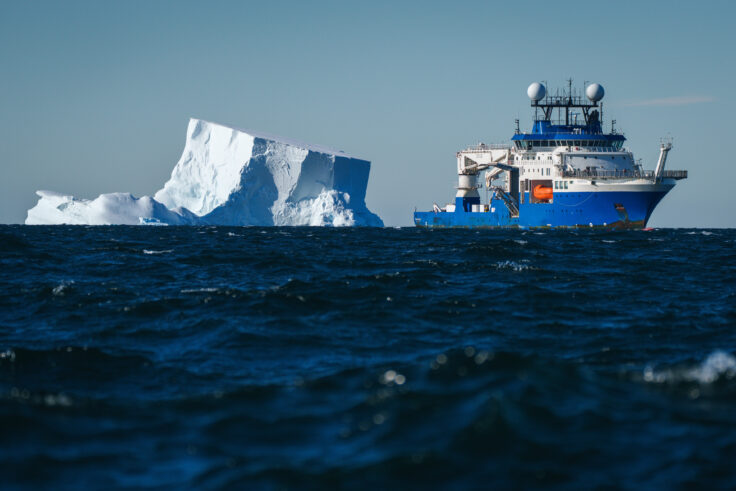
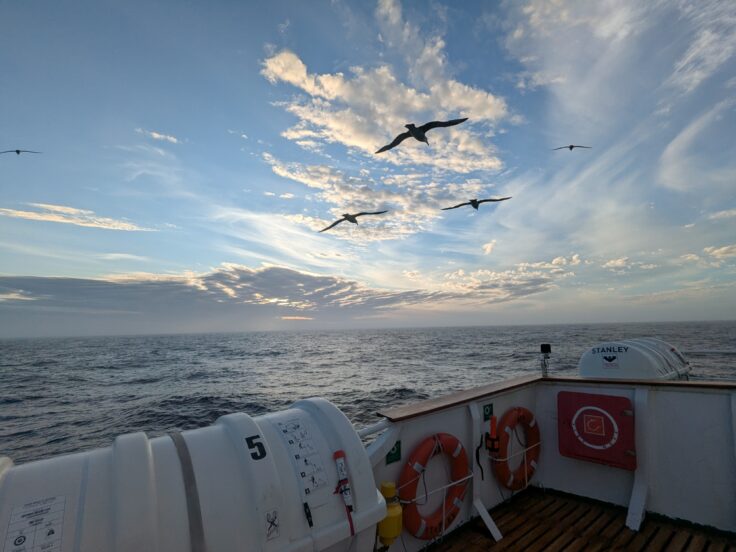
Scientists return to the Southern Ocean this week (5 February 2025), as part of the BIOPOLE project, to answer fundamental questions about how nutrients drive the global carbon cycle and ocean ecosystems.
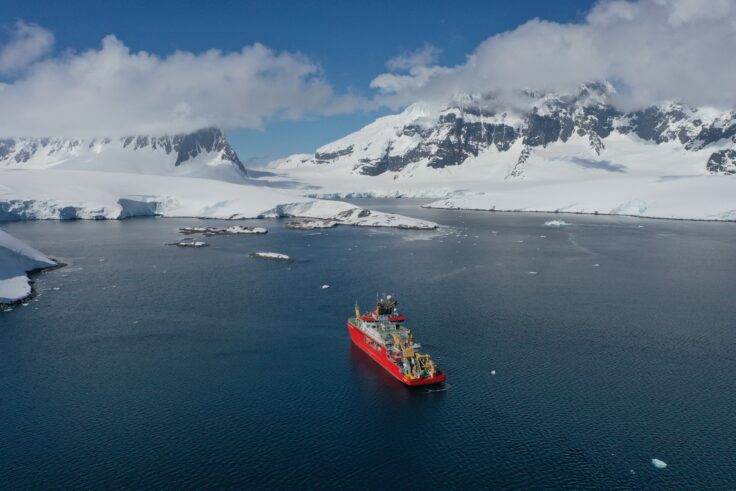
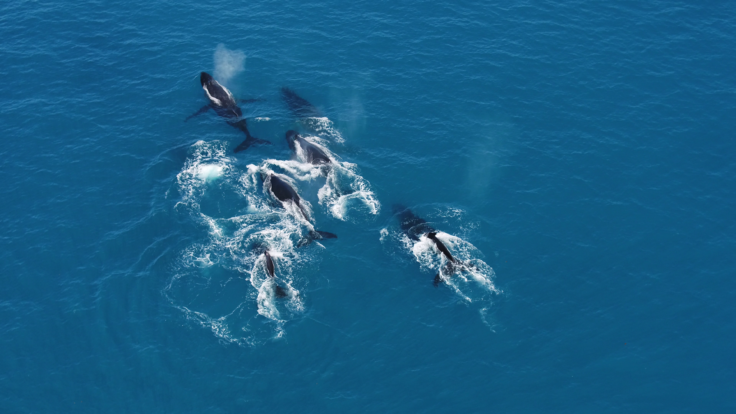
scientists are focusing on two major projects: one on whales and their consumption of krill (a shrimp-like creature that’s abundant in the Southern Ocean), and another on populations of bottom-dwelling fish.
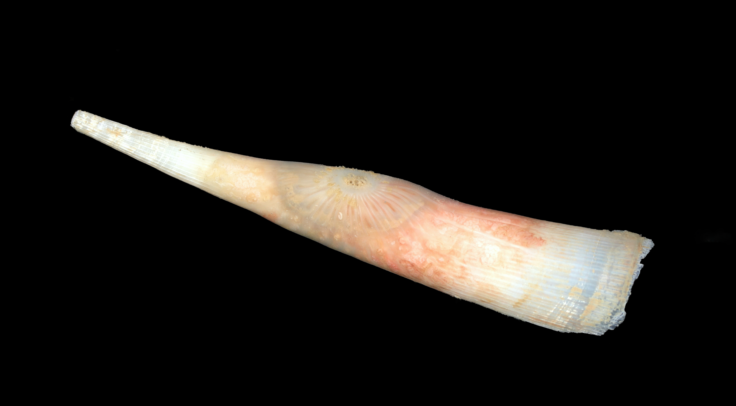
A new species of tusk shell, a burrowing marine mollusc, has been discovered in deep, North Atlantic waters by scientists from British Antarctic Survey and the Senckenberg Society for Nature Research.
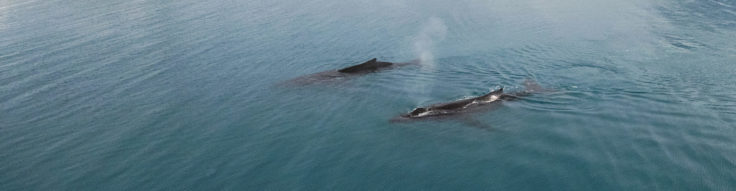
A new study examines the risk to whales from ship strikes – the leading cause of death worldwide for the species.
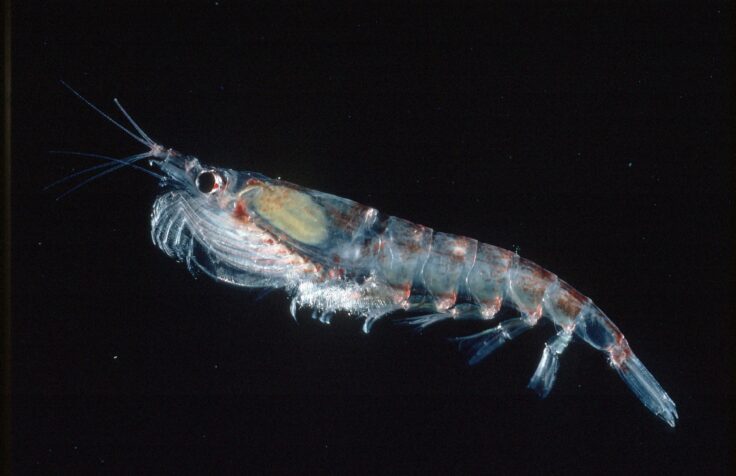
New research shows that increased levels of plastic pollution in the Southern Ocean could reduce the ability of Antarctic krill, a tiny shrimp-like crustacean, to help take CO2 from the atmosphere.
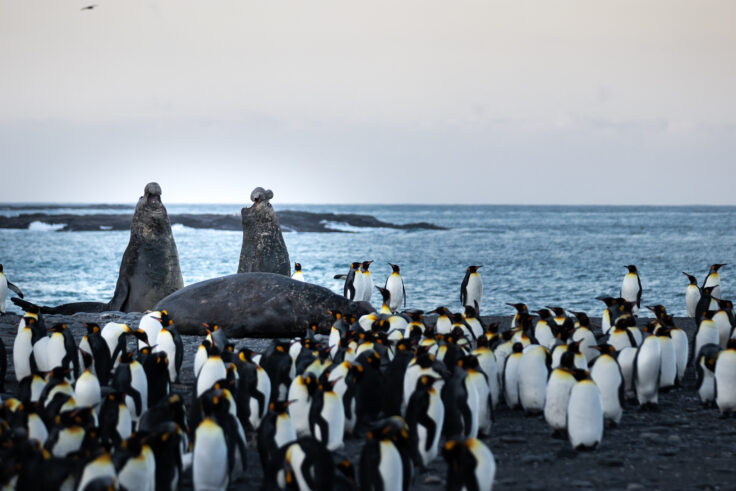
A team of researchers are using drones and satellite images from space to count southern elephant seals on the sub-Antarctic Island of South Georgia.
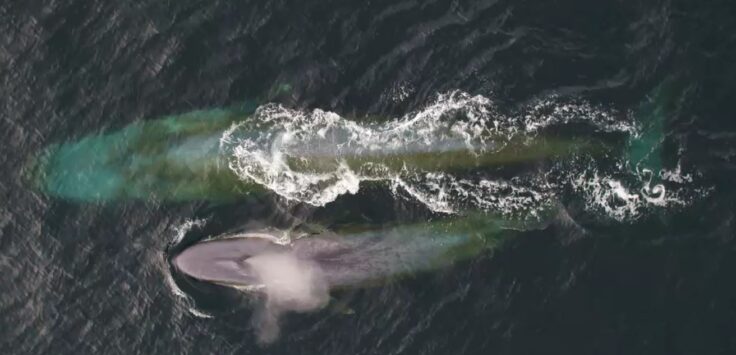
This project is creating a long-term framework for monitoring whale numbers and behaviour.
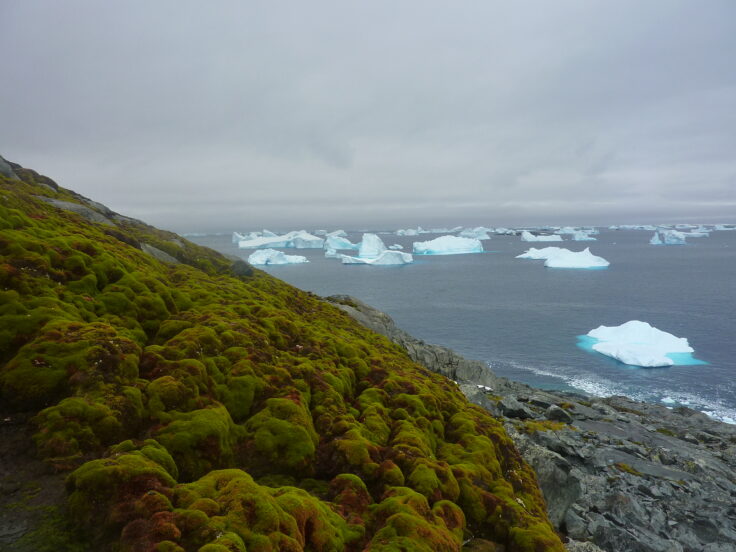
New research released today in Nature Geoscience reveals that vegetation cover on the Antarctic Peninsula has increased more than tenfold in the past four decades.
Antarctica’s rapidly receding sea ice could have a negative impact on the food supply of seabirds that breed hundreds of miles away from the continent.

Cambridge researchers are set to explore the uncharted depths of life in the extreme cold, with findings that could reshape our understanding of biology and pave the way for future scientific breakthroughs.