DNA reveals unique microorganisms evolved at poles
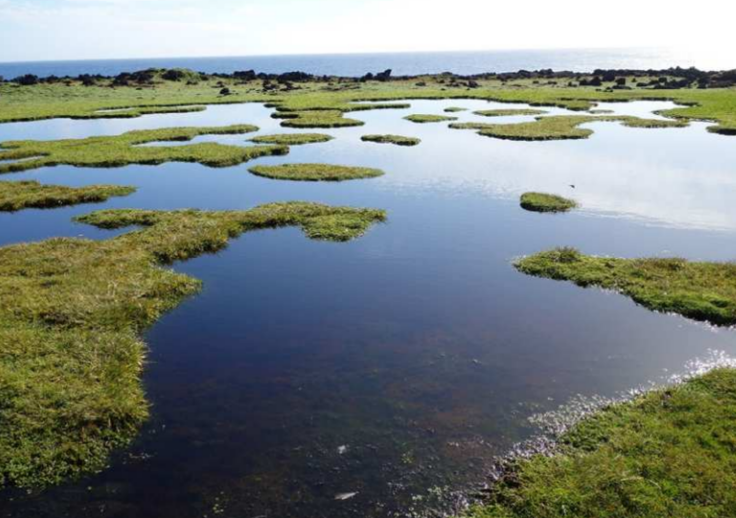
Communities of microorganisms at the bottom of polar lakes evolved independently from other regions, influenced by the particular geological, biological and climate history of their regions.

25 to 36 of 258 results
Communities of microorganisms at the bottom of polar lakes evolved independently from other regions, influenced by the particular geological, biological and climate history of their regions.
The British Antarctic Survey (BAS) will build a new unique science facility at its UK Cambridge headquarters, enabling scientists to understand how organisms that live in cold polar environments evolved and the impact of environmental change on these special ecosystems.
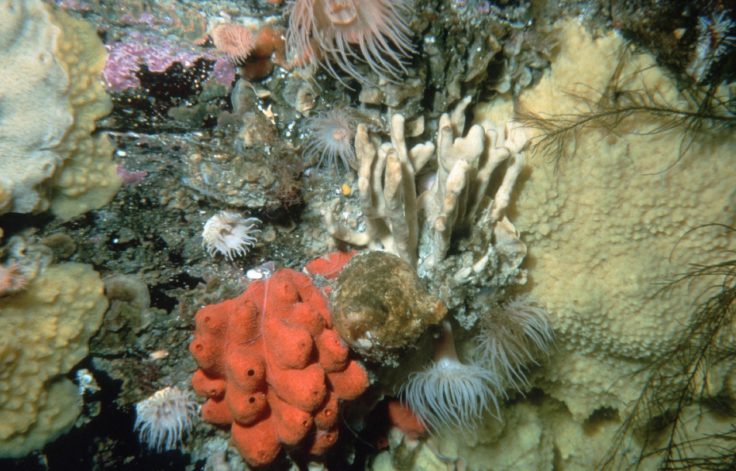
A study published this month in the journal Frontiers in Marine Science reveals that disturbing the seabed, through activities such as trawling, could increase the scale and speed of climate change.
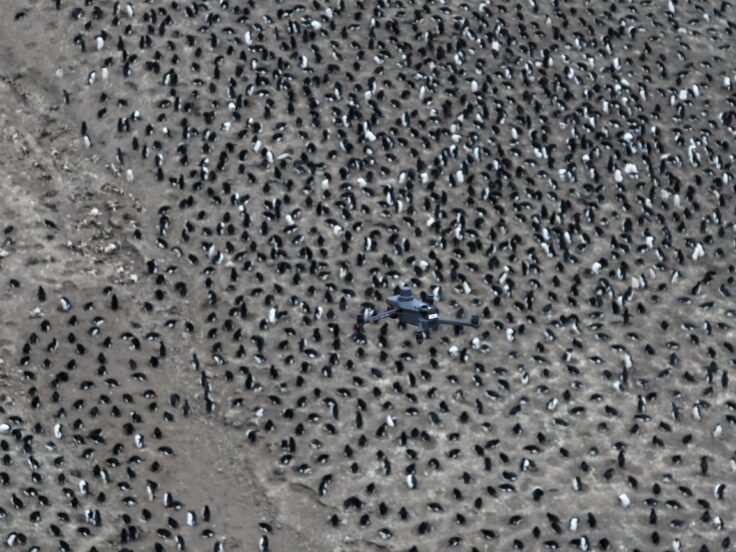
Researchers from British Antarctic Survey (BAS) have carried out aerial surveys of the remote volcanic Zavodovski Island in the sub-Antarctic to count the largest penguin colony in the world.
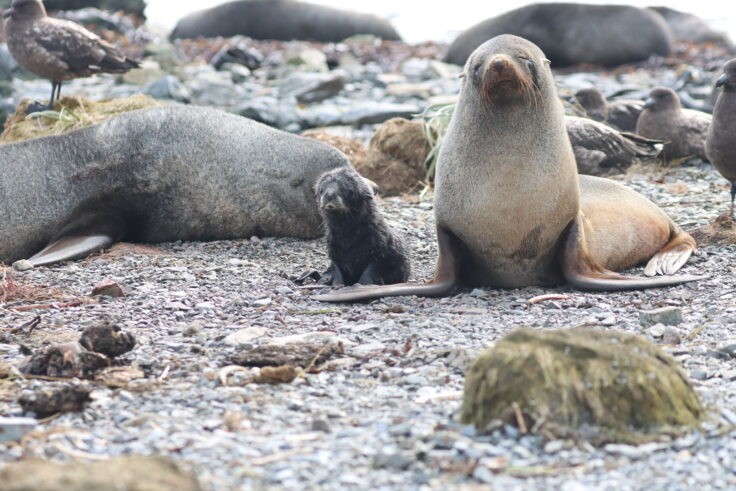
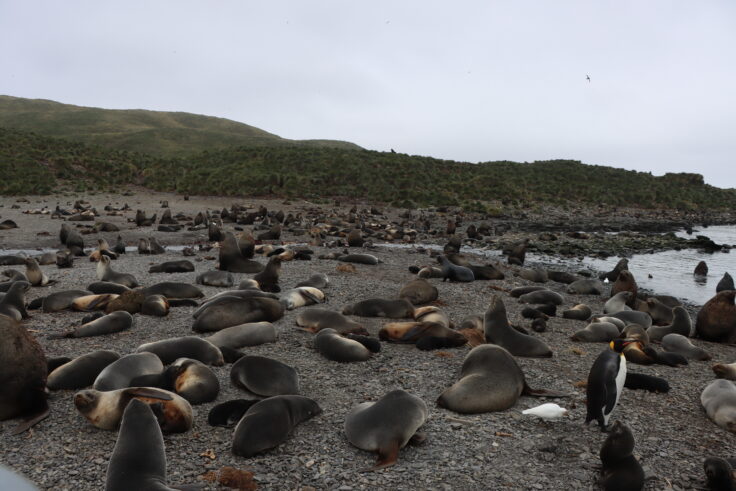
Testing for Highly Pathogenic Avian Influenza (HPAI) continues on the subantarctic island of South Georgia since it was detected in October 2023. The latest results from samples taken from the islands reveal that the disease has now been detected in elephant and fur seals.
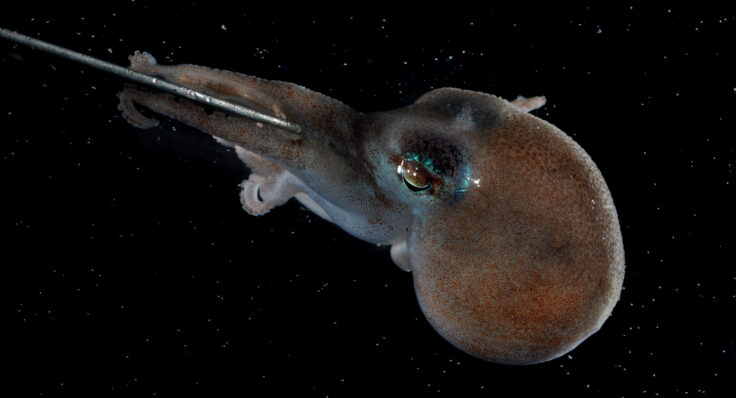
Scientists, including from British Antarctic Survey, have used octopus DNA to discover that the West Antarctic Ice Sheet (WAIS) likely collapsed during the Last Interglacial period around 120,000 years ago – when the global temperatures were similar to today.
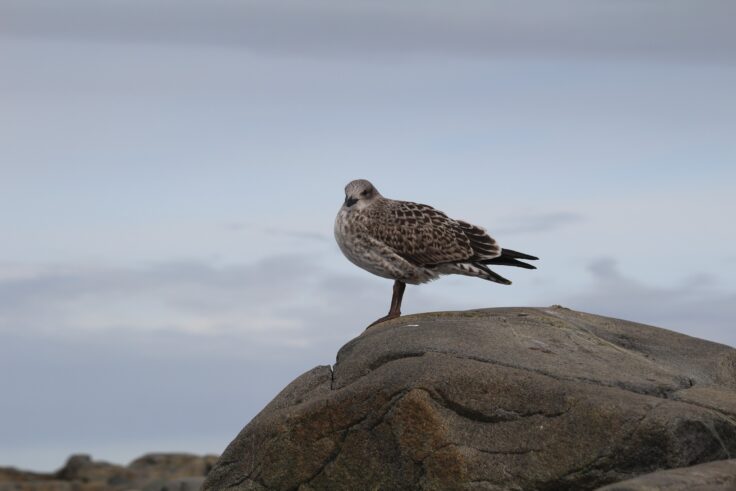
Last month, October 2023, Highly Pathogenic Avian Influenza (HPAI) was confirmed on Bird Island, South Georgia in the brown skua populations.
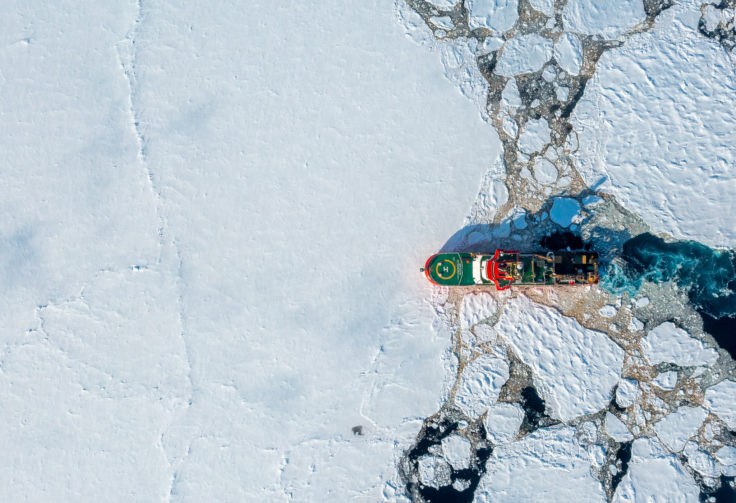
A team of international researchers set sail on the RRS Sir David Attenborough today (20 November) to answer some of the big questions about how Antarctic ecosystems and sea ice drive global ocean cycles of carbon and nutrients.
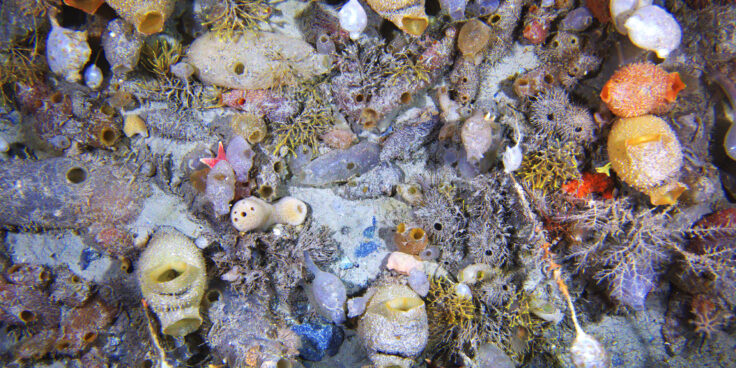
Antarctic seafloor ecosystems are both unique and fragile. Studying their past and present gives us valuable insights into how climate change may reshape them.
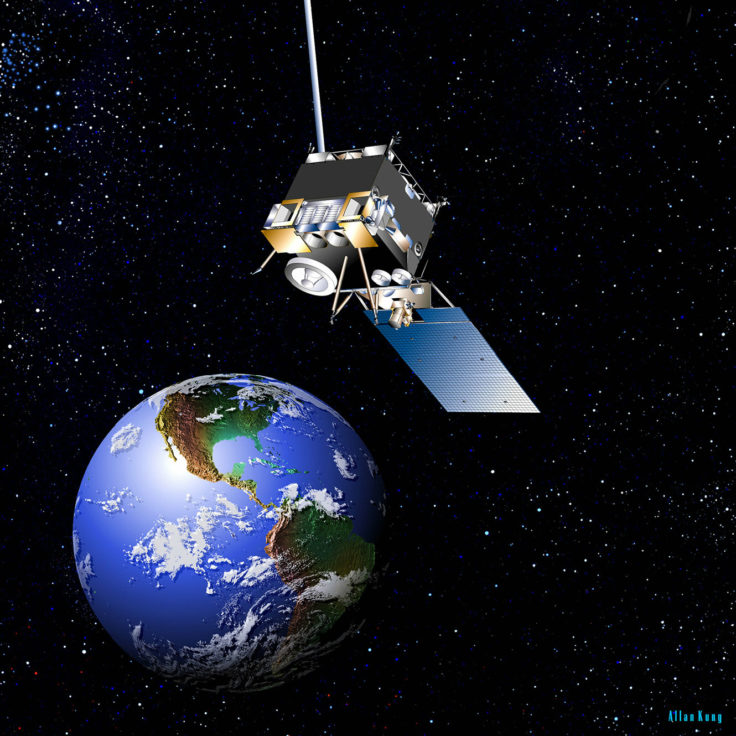
The shortlist has been announced for The Natural Environment Research Council’s (NERC) Impact Awards 2023. Four BAS projects have made the shortlist and commended list, ranging from biodiversity and ecology to space weather.
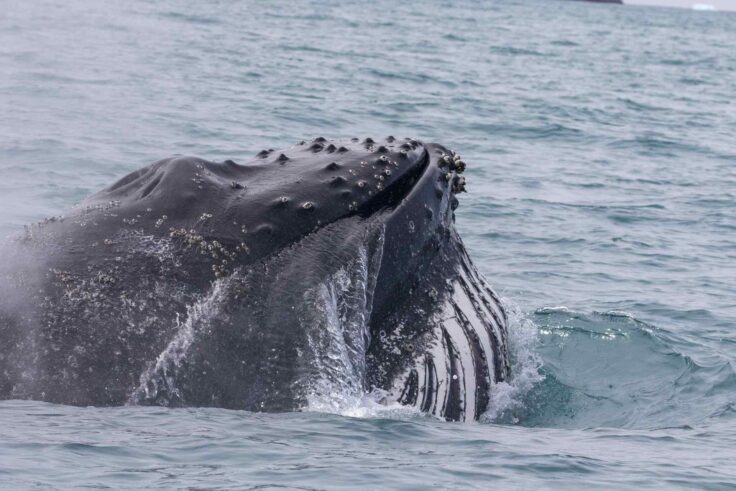
Hungry Humpbacks studied how humpback whales, the largest predators of krill in the region, fed at South Georgia.
Antarctic fur seals that were hunted to near extinction have recovered but now face dangerous decline because of a lack of food, new research suggests.