Sustained Monitoring of Whales at South Georgia
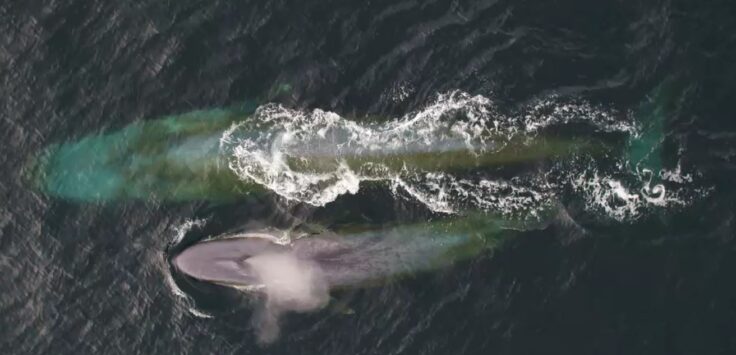
This project is creating a long-term framework for monitoring whale numbers and behaviour.

13 to 24 of 258 results
This project is creating a long-term framework for monitoring whale numbers and behaviour.
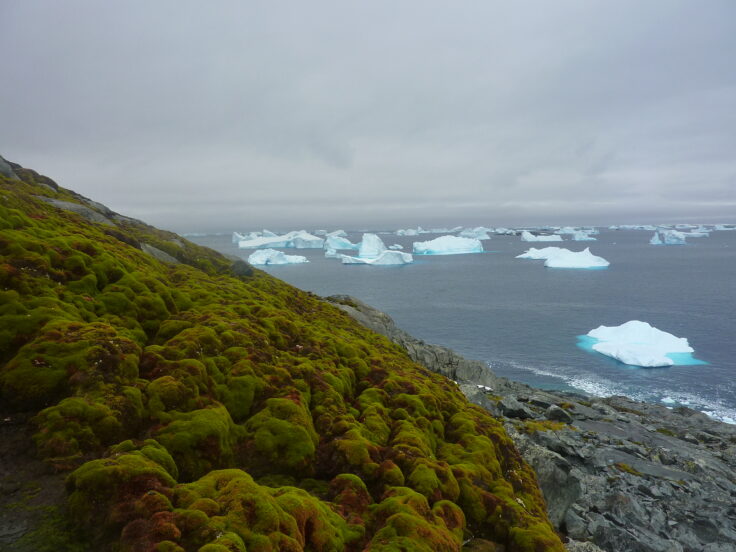
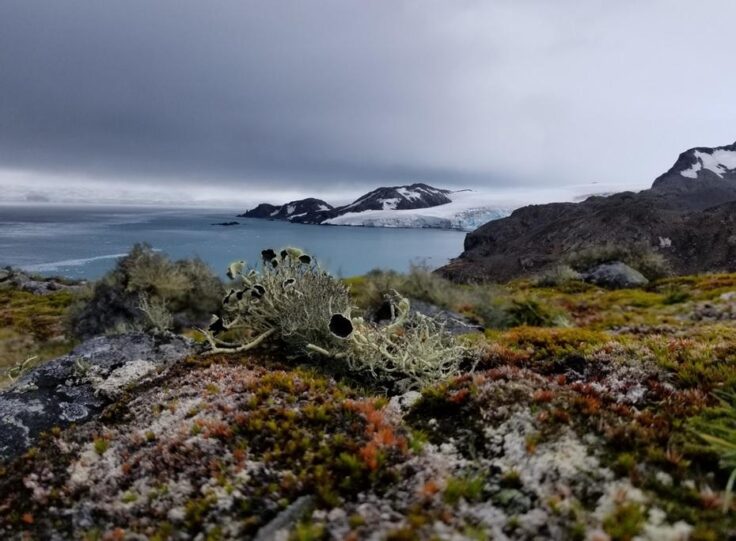
New research released today in Nature Geoscience reveals that vegetation cover on the Antarctic Peninsula has increased more than tenfold in the past four decades.
Antarctica’s rapidly receding sea ice could have a negative impact on the food supply of seabirds that breed hundreds of miles away from the continent.

Cambridge researchers are set to explore the uncharted depths of life in the extreme cold, with findings that could reshape our understanding of biology and pave the way for future scientific breakthroughs.
The first continent-wide mapping study of plant life across Antarctica reveals growth in previously uncharted areas, and is set to inform conservation measures across the region.
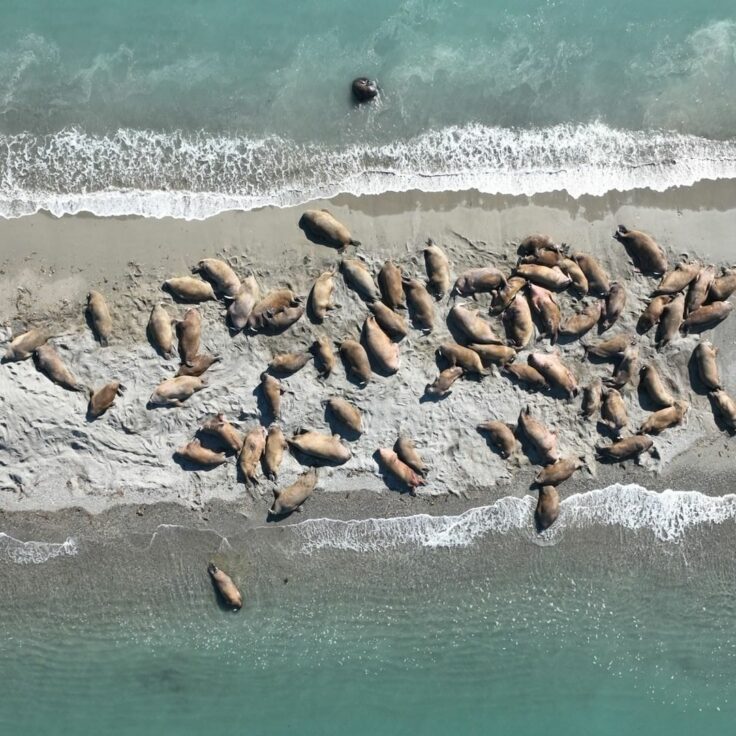
In the first successful attempt to calibrate walrus counts from satellite imagery, scientists used drones to validate animal counts in Svalbard, Norway.
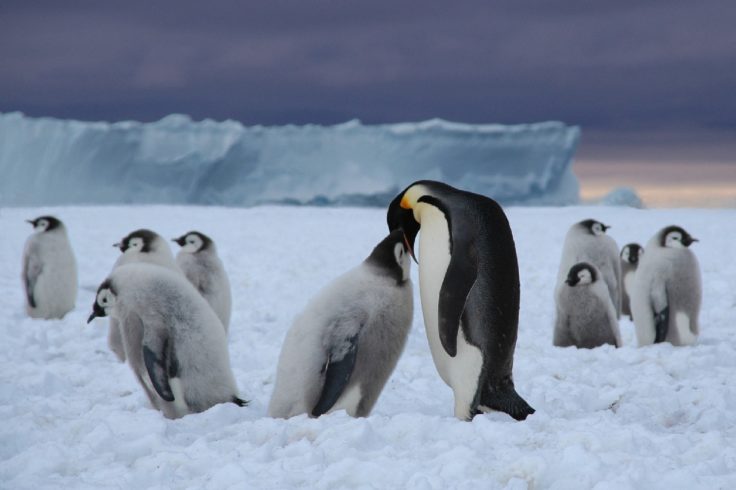
British Antarctic Survey (BAS) is inviting the public to become ‘penguin detectives’ and spend five minutes counting emperor penguins to help with vital research into these iconic animals.

Record low levels of Antarctic sea-ice in late 2023 resulted in breeding failures in a fifth of the continent’s emperor penguin colonies, according to a new study from British Antarctic Survey (BAS).
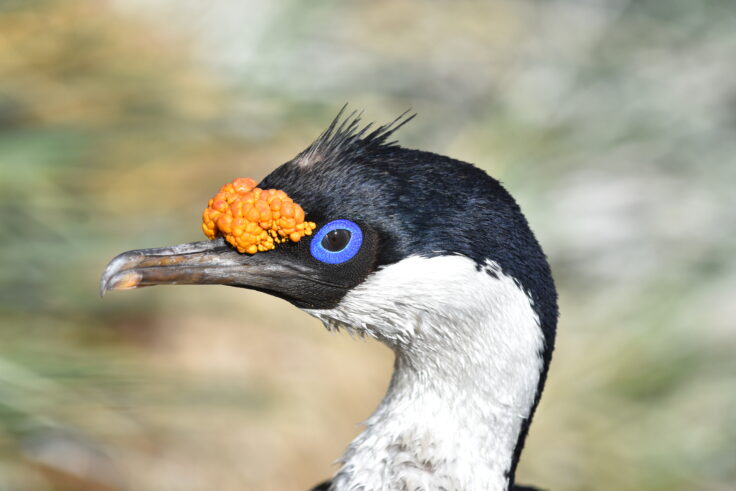
This project tests whether satellite imagery can be used to monitor breeding seabirds across the island group.
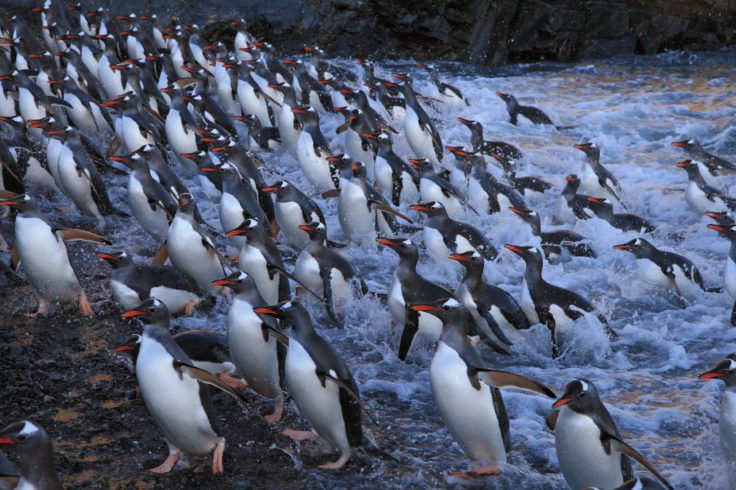
Penguins on the sub-Antarctic Islands of South Georgia have tested positive for Avian flu. This is the first time the virus has been detected in gentoo and king penguin populations on the islands.
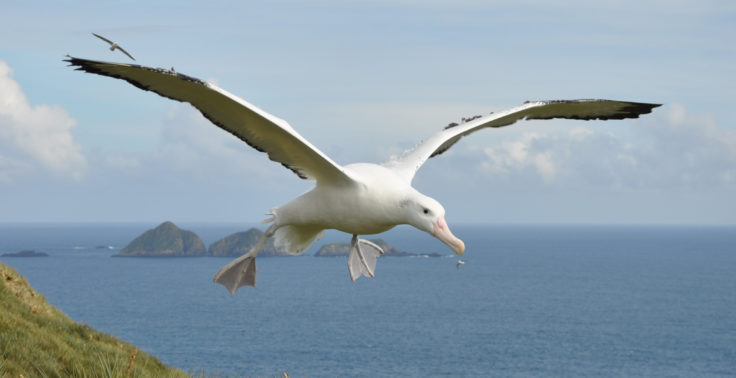
Highly Pathogenic Avian Influenza (HPAI) continues to affect the wildlife on the subantarctic islands of South Georgia. The latest results from samples taken from the islands reveal that the disease has now been detected in the wandering albatross.
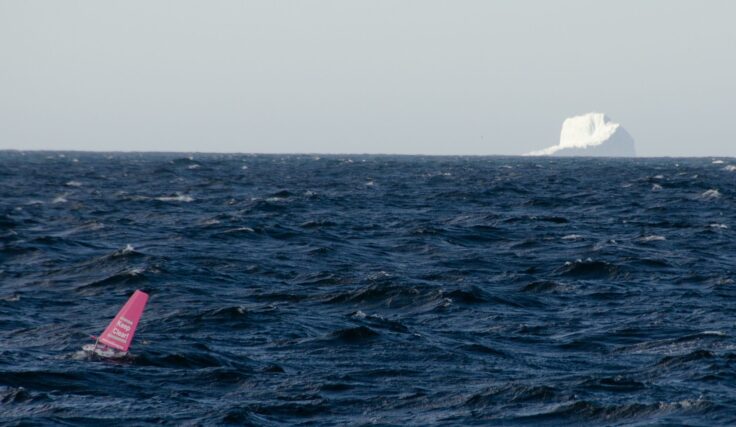
Scientists studying krill in the sub-Antarctic have successfully completed a three-day mission using a Sailbuoy uncrewed surface vessel (USV). This mission marks the first Maritime and Coastguard Agency (MCA) approved deployment of a USV for science around South Georgia.