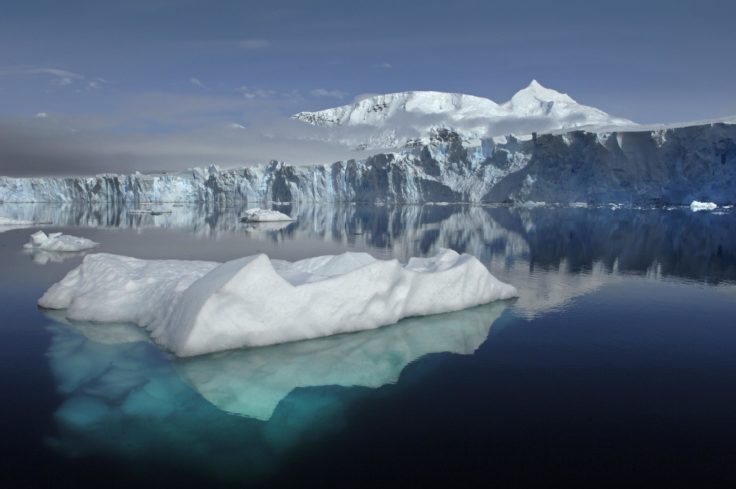
FEATURED PAPER: Icebergs and blue carbon
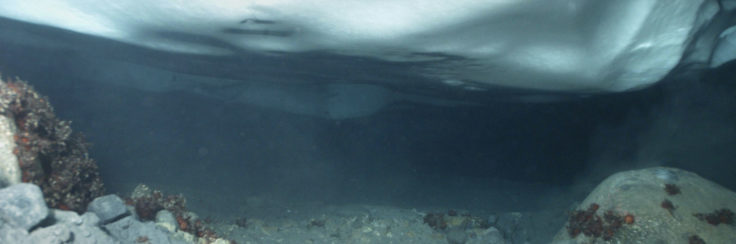
When divers laid a grid of 225 markers on the seabed it started one of the longest marine disturbance experiments anywhere in the world. Surveyed and replaced annually, they show […]

193 to 204 of 266 results
When divers laid a grid of 225 markers on the seabed it started one of the longest marine disturbance experiments anywhere in the world. Surveyed and replaced annually, they show […]
A new study on how molluscs build their shells in the sub-zero waters of Antarctica is published today (Friday 11 November) in the journal Scientific Reports. A team of European […]
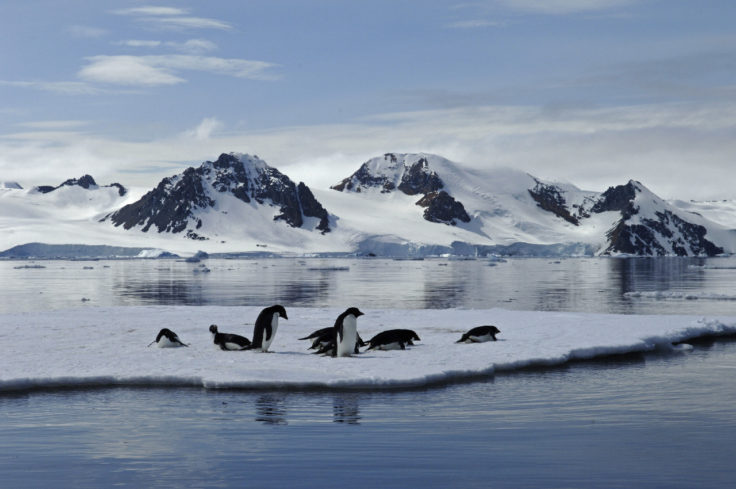
HOBART, Australia: The world’s experts on Antarctic marine conservation have this week agreed to establish a marine protected area (MPA) in Antarctica’s Ross Sea. At the meeting of the Commission […]
Shallow-water ecosystems are a major carbon sink, as many species living on the seafloor use carbon to build their tissue and shells. This carbon can become part of seafloor sediment […]
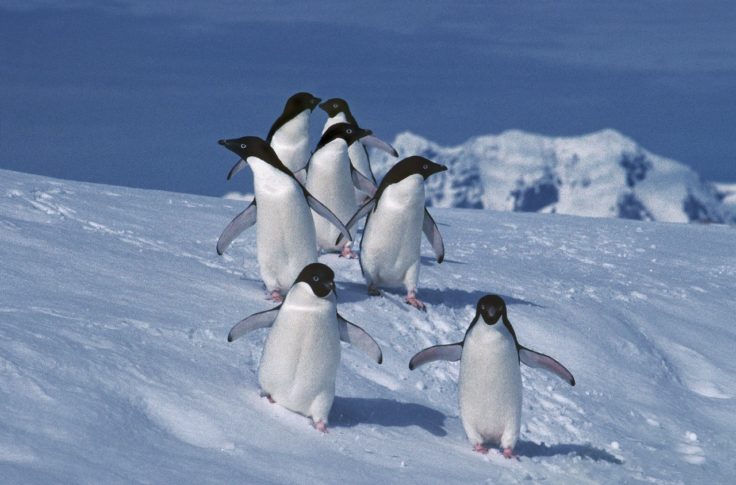
A forty year study on a remote Antarctic island shows that while populations of two penguin species are declining, a third is increasing. Analysis of census data from Signy Island […]

Keel-laying ceremony at Cammell Laird
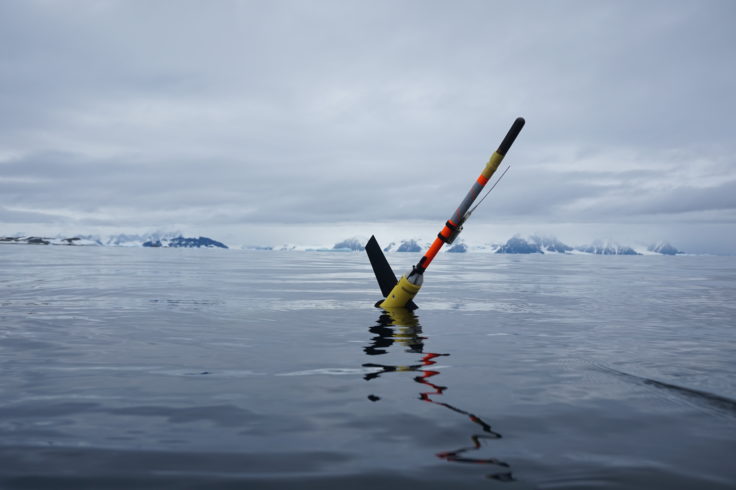
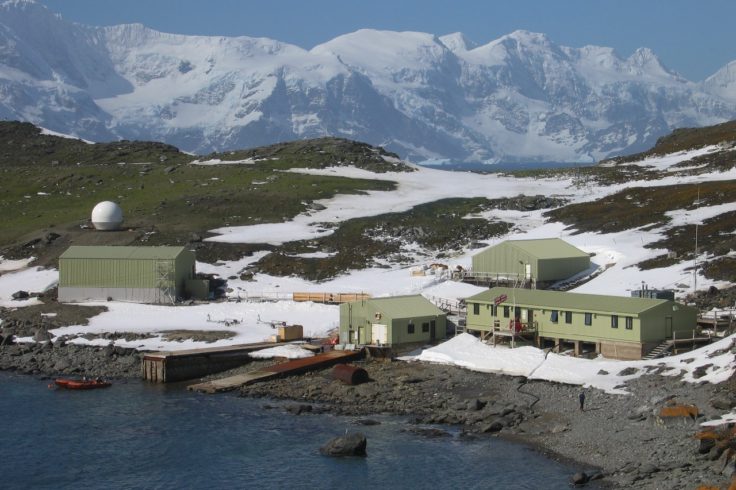
New blog from ecologist Jes Bartlett who’s heading to spend the summer working at Signy Island Research station. Here she talks about preparing cargo in her blog: The Cargo Deadline […]
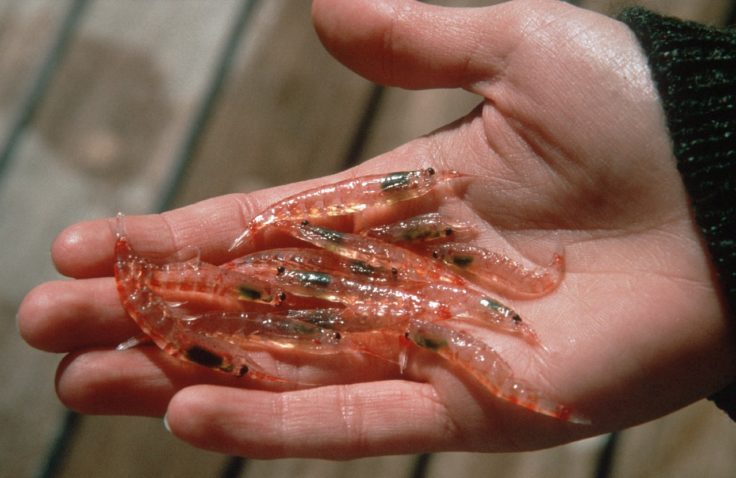
Scientists have discovered that Antarctic krill – a tiny shrimp-like crustacean – plays a key role in fertilising the Southern Ocean with iron, which stimulates the growth of phytoplankton, the […]
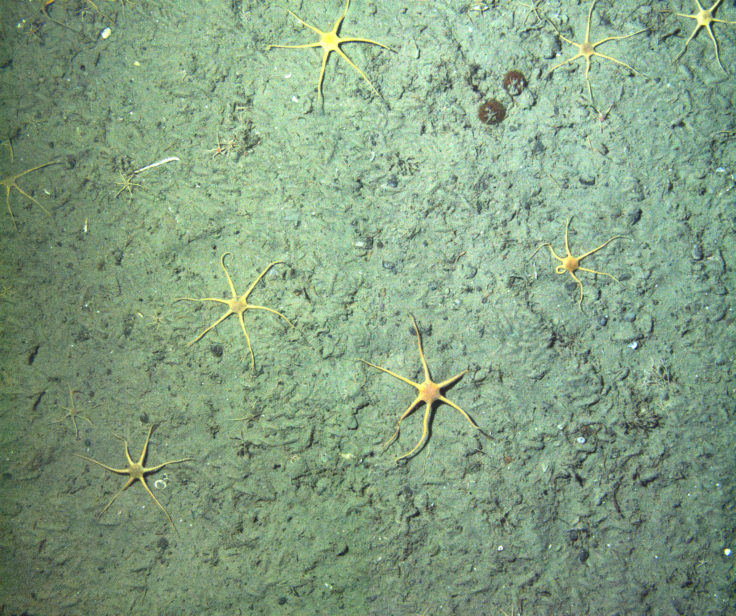
A new marine biodiversity study in one of the largest Marine Protected Areas in the world reveals the impact of environmental change on subantarctic seabed animals and answers big questions […]
A review of breeding distributions, population trends, threats and key priorities for conservation actions on land and at sea for the 29 species covered by the Agreement on the Conservation […]
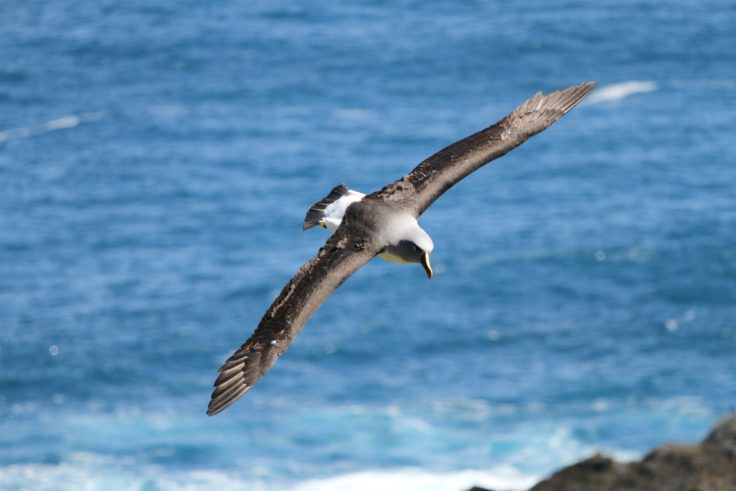
A new study of the movements of sub-Antarctic albatrosses tracked from two remote islands some 5,000 km apart, shows that although the birds from each breeding site take similar routes around the Southern Ocean, they forage in different areas for the majority of the time. The results are published this month in the Nature journal Scientific Reports.
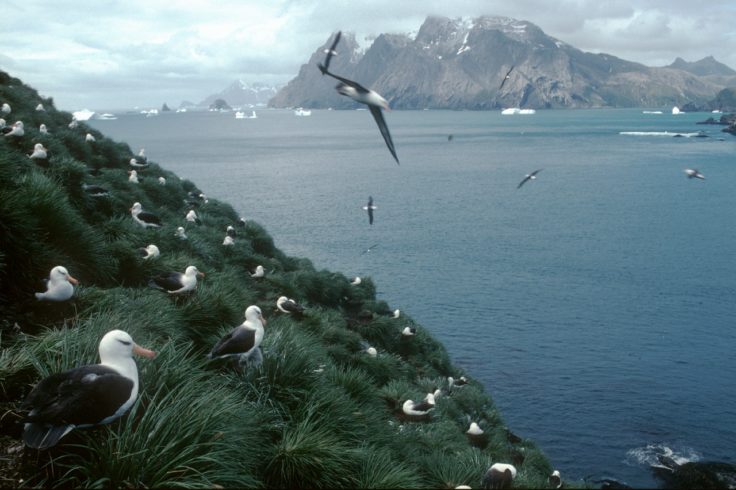
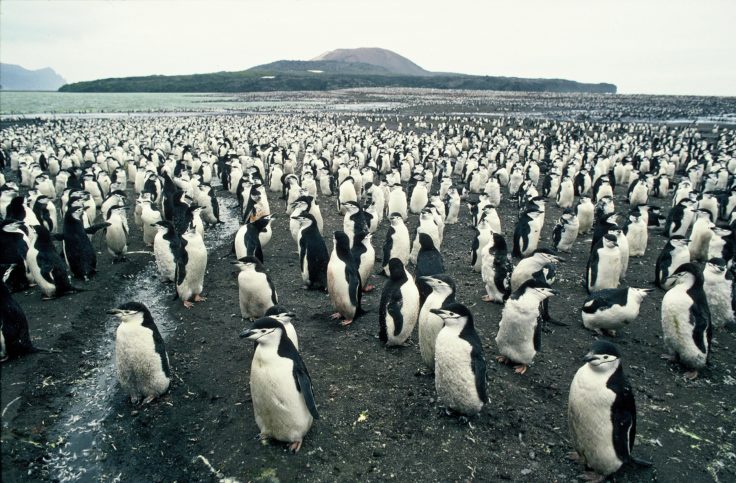
A volcano erupting on a small island in the Sub Antarctic is depositing ash over one of the world’s largest penguin colonies.