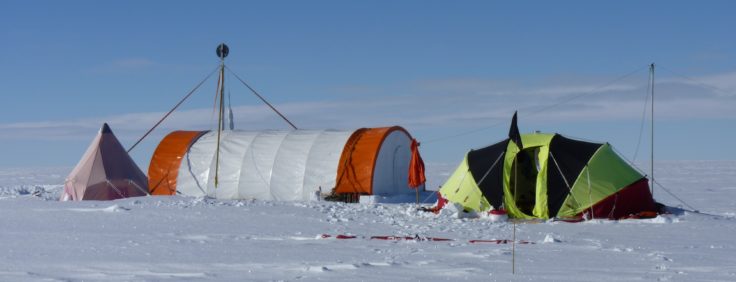
Antarctica’s sea ice could impact seabirds’ food supply
Antarctica’s rapidly receding sea ice could have a negative impact on the food supply of seabirds that breed hundreds of miles away from the continent.


1 to 12 of 41 results
Antarctica’s rapidly receding sea ice could have a negative impact on the food supply of seabirds that breed hundreds of miles away from the continent.
Scientists at the British Antarctic Survey (BAS) have found that the record-low levels of sea ice around Antarctica in 2023 were extremely unlikely to happen without the influence of climate change.
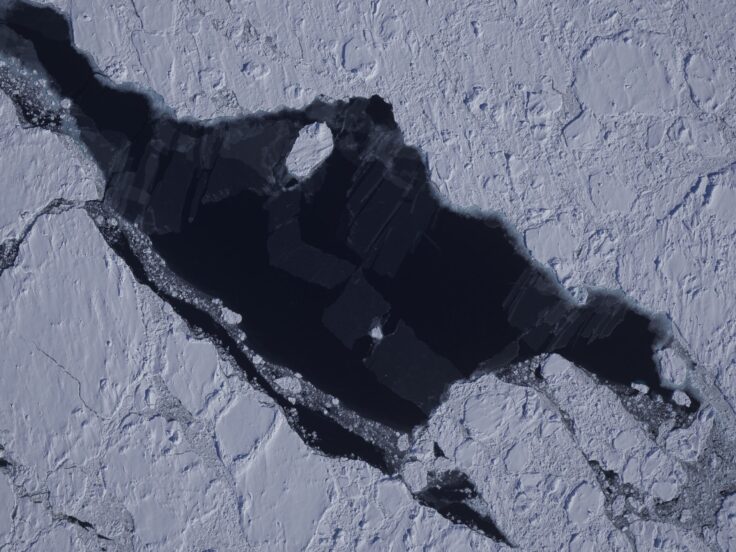
Record low levels of Antarctic sea-ice in late 2023 resulted in breeding failures in a fifth of the continent’s emperor penguin colonies, according to a new study from British Antarctic Survey (BAS).
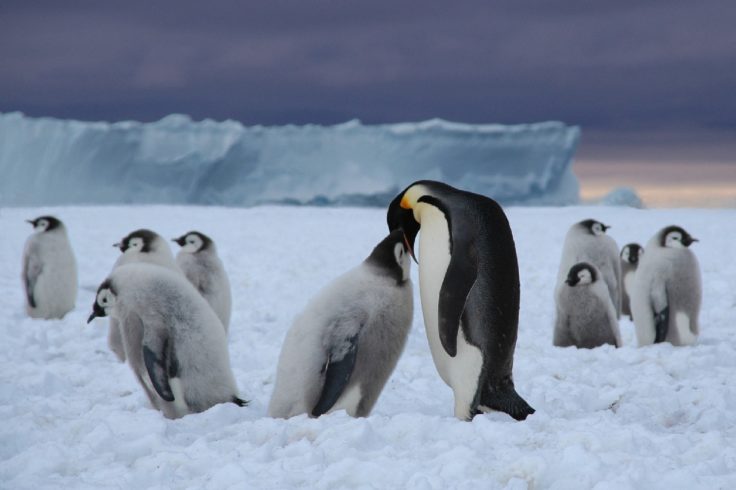
Climate change is affecting the vertical migration of zooplankton in the Arctic, with potential implications for the entire Arctic ecosystem, finds a new study, published today in Nature Climate Change.
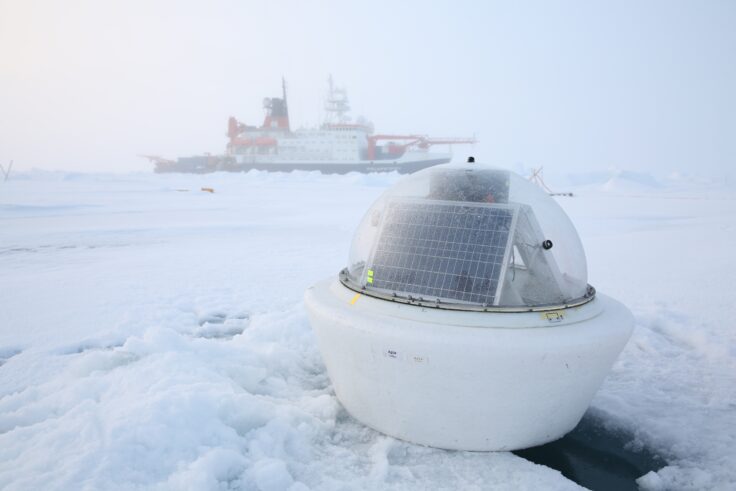
The overarching goal of the project is to determine the role of sea-ice surface properties in Arctic cyclone dynamics and to characterise the interaction of Arctic cyclones with the summer-time Arctic environment.
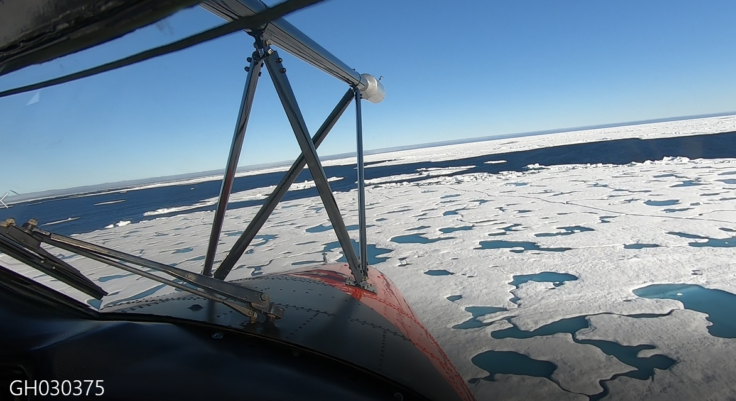
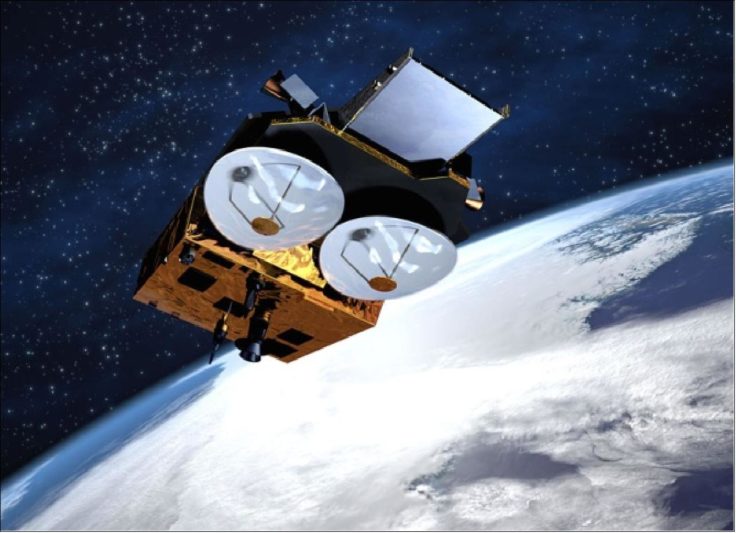
An ambitious flying campaign out of British Antarctic Survey’s Rothera Research Station over the Weddell Sea this month (December) aims to calibrate the data collected from two important satellites that […]
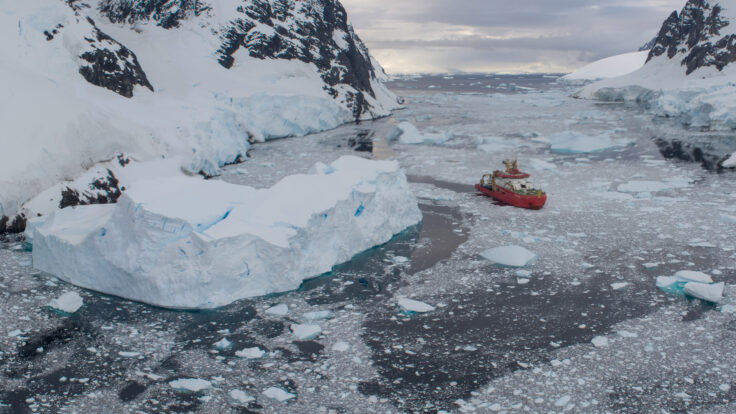
Artificial Intelligence (AI) will enable ships navigating in polar ocean conditions to be more efficient using a new route planning tool created by British Antarctic Survey (BAS) researchers. The tool […]

British Antarctic Survey (BAS) scientists will investigate critical challenges facing the UK, thanks to new funding from the Natural Environment Research Council (NERC). A £47m investment to several UK research […]

This project is developing digital twins of Antarctic and Arctic environments and resources. A digital twin makes it possible to test “what if” questions far more quickly than traditional computer models.
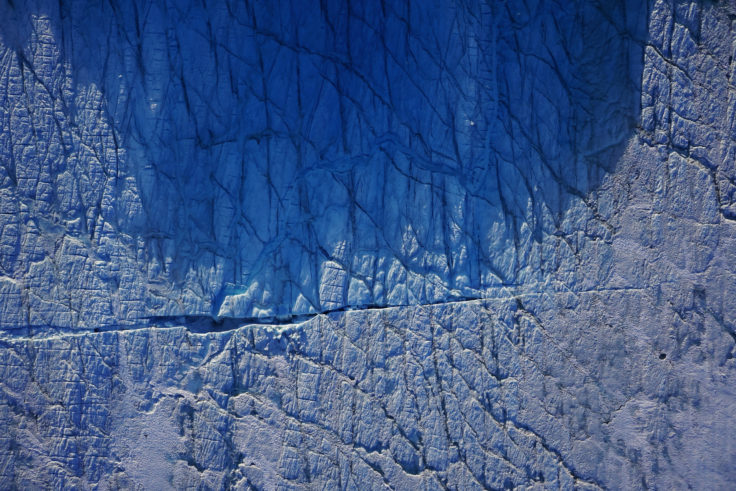
A £5m project funded by the Natural Environment Research Council (NERC) to investigate the complex changes seen in sea ice around the Antarctic begins this month (March 2022) as the […]

A new study has found that the world’s second-largest ice sheet is generating huge amounts of heat. Researchers including BAS oceanographer Dr Keith Nicholls have observed extremely high rates of melting at the bottom of the Greenland Ice Sheet.
SIWHA investigates how westerly winds and sea ice have influenced CO2 uptake and release in the Southern Ocean.