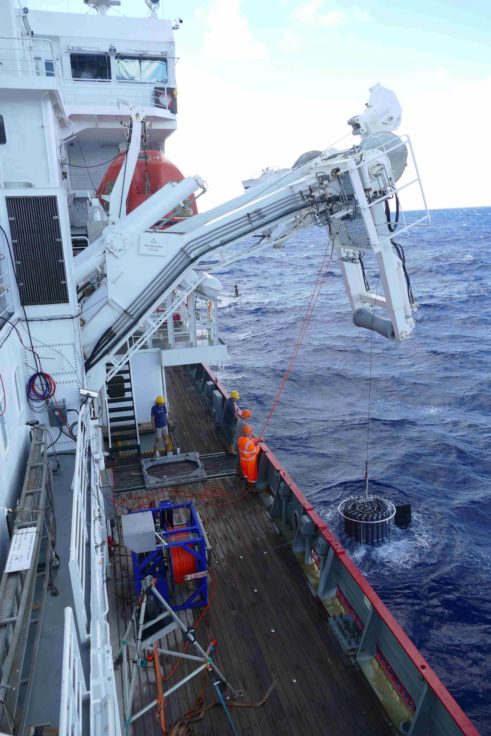
How Antarctic winds shaped CO₂
SIWHA investigates how westerly winds and sea ice have influenced CO2 uptake and release in the Southern Ocean.

13 to 24 of 42 results
SIWHA investigates how westerly winds and sea ice have influenced CO2 uptake and release in the Southern Ocean.
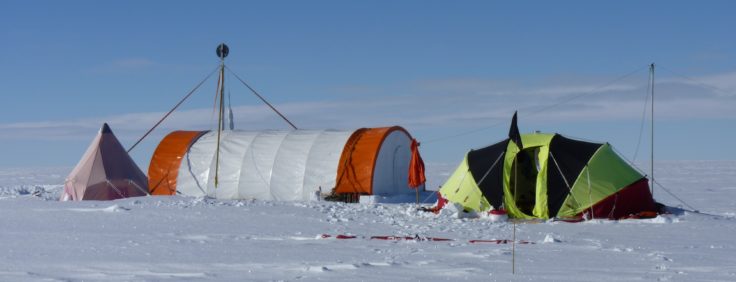
A new AI (artificial intelligence) tool is set to enable scientists to more accurately forecast Arctic sea ice conditions months into the future. The improved predictions could underpin new early-warning […]
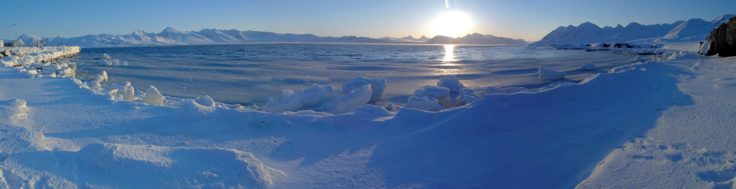
Warming water and receding sea ice in the Western Antarctic Peninsula is changing the local plankton community with potential consequences for climate change, according to an international team of researchers. […]
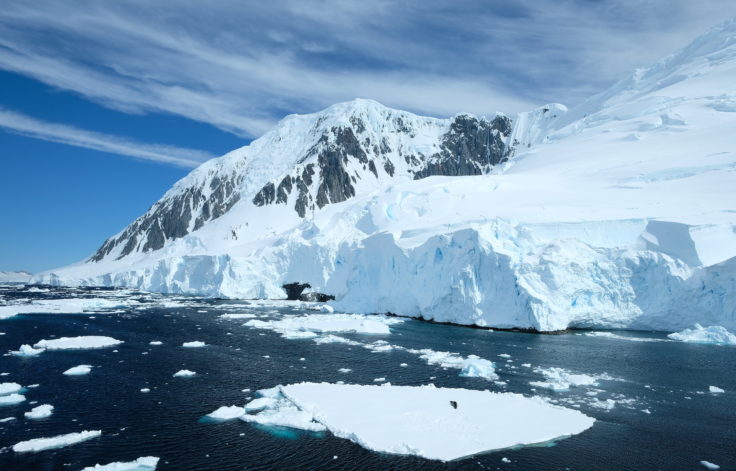
SO-WISE addresses a critical knowledge gap in understanding how warm ocean water reaches and melts the undersides of West Antarctic ice shelves, which is currently the largest source of uncertainty in global sea level rise projections.

A new study, published this week in the journal Nature Climate Change, supports predictions that the Arctic could be free of sea ice by 2035. High temperatures in the Arctic […]
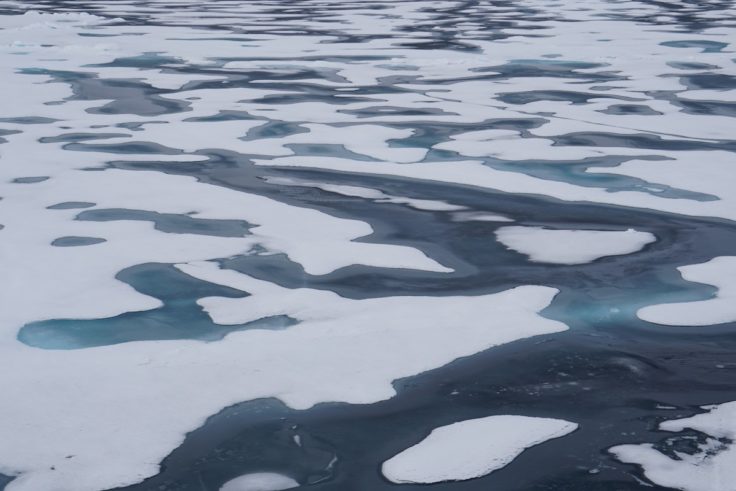
Scientists have discovered that summer sea ice in the Weddell Sea area of Antarctica has decreased by one million square kilometres – an area twice the size of Spain – […]
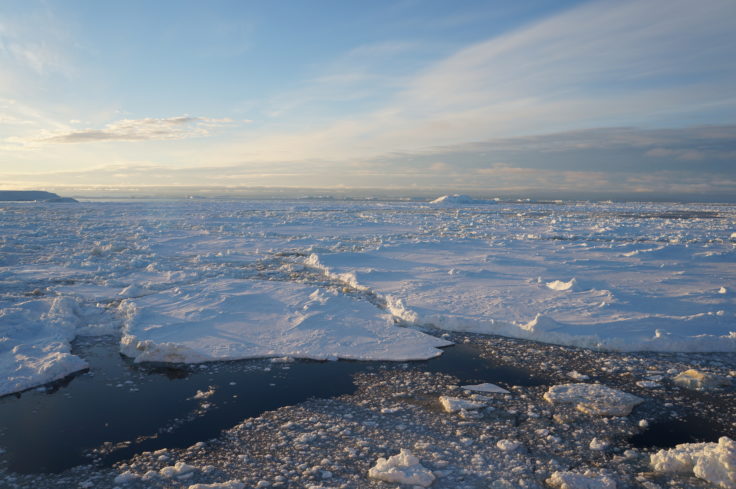
A new study on ice cores shows that reductions in sea ice in the Arctic in the period between 30-100,000 years ago led to major climate events. During this period, […]
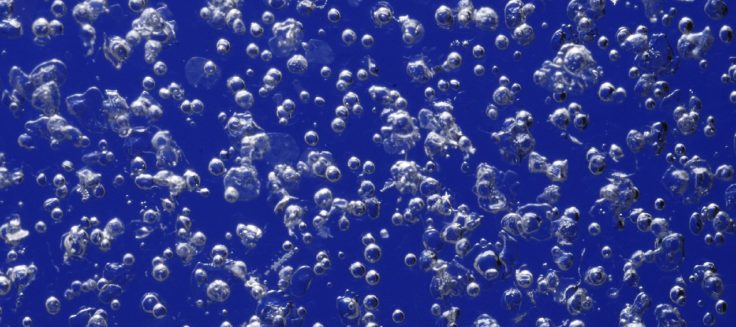
This study, led by scientists from the British Antarctic Survey, suggests that sea-ice loss in different regions of the Arctic, and of different amounts, leads to different effects on surface […]
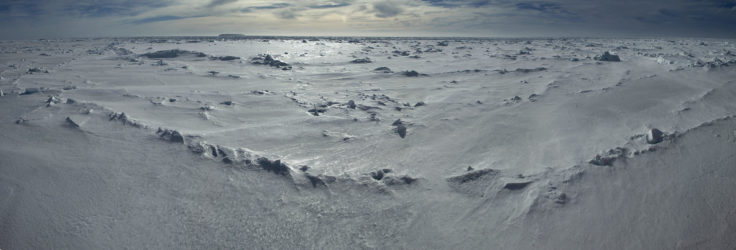
An international study involving British Antarctic Survey (BAS) scientists has shed light on how the larvae of Antarctic krill – small shrimp-like crustaceans – use sea ice to ensure their […]
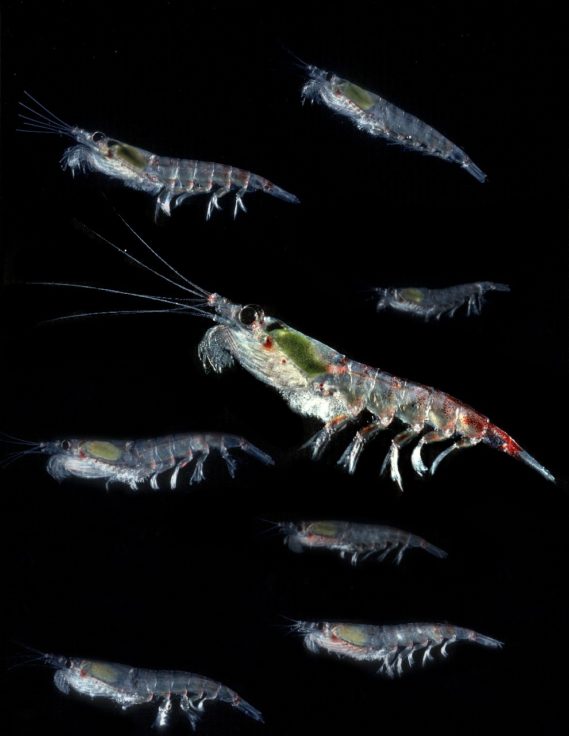
A new multidisciplinary study led by scientists at British Antarctic Study (BAS) stresses the need for an integrated approach to understand the effects of climate change on Antarctic marine ecosystems. […]
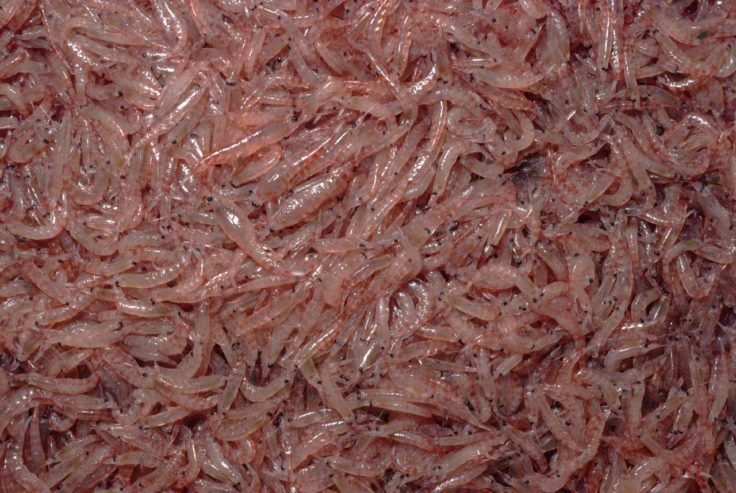
Arctic sea ice extent has likely reached its minimum extent for the year, at 4.64 million square kilometers (1.79 million square miles) on September 13, 2017, according to a team […]
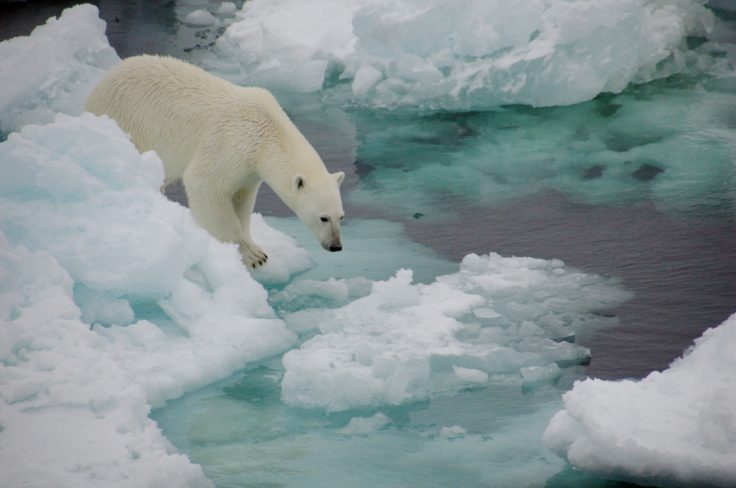
A new £10 million research programme to investigate how the Arctic Ocean is changing kicked off last week (Friday 30 June) with its first research expedition to the Barents Sea. […]