Earth’s Oldest Ice
Beyond Epica – Oldest Ice drilled Antarctic cores up to 1.5 million years old. It explored past climate and greenhouse gas cycles, building on the Dome C ice record.

37 to 48 of 56 results
Beyond Epica – Oldest Ice drilled Antarctic cores up to 1.5 million years old. It explored past climate and greenhouse gas cycles, building on the Dome C ice record.
An international team of scientists have used air bubbles in polar ice from pre-industrial times to measure the sensitivity of the Earth’s land biosphere to changes in temperature.
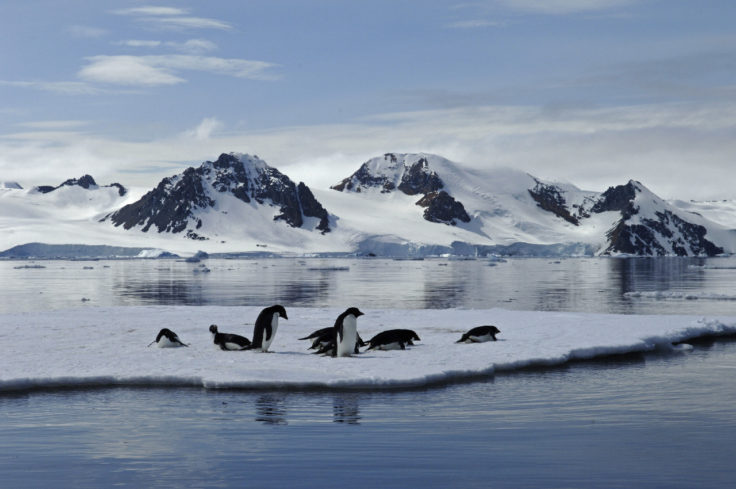
The rapid warming of the Antarctic Peninsula, which occurred from the early-1950s to the late 1990s, has paused. Stabilisation of the ozone hole along with natural climate variability were significant in bringing about the change. Together these influences have now caused the northern part of the peninsula to enter a temporary cooling phase. Temperatures remain higher than measured during the middle of the 20th Century and glacial retreat is still taking place. However, scientists predict that if greenhouse gas concentrations continue to rise at the current rate, temperatures will increase across the Antarctic Peninsula by several degrees Centigrade by the end of this century.
The catastrophic release of fresh water from a vast South American lake at the end of the last Ice Age was significant enough to change circulation in the Pacific Ocean […]
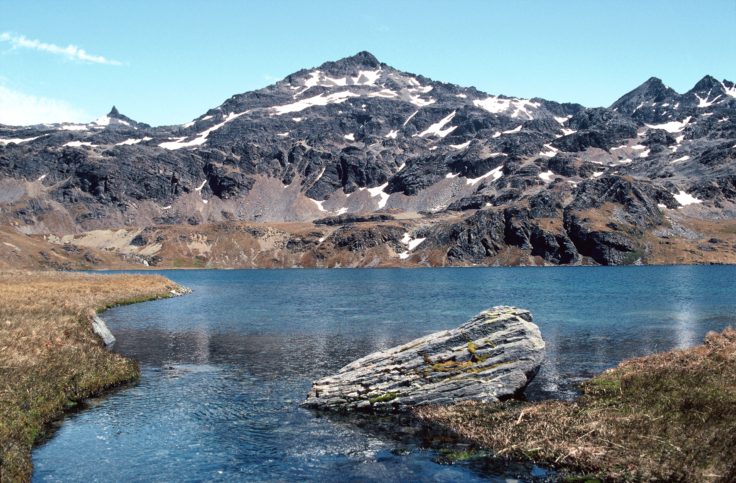
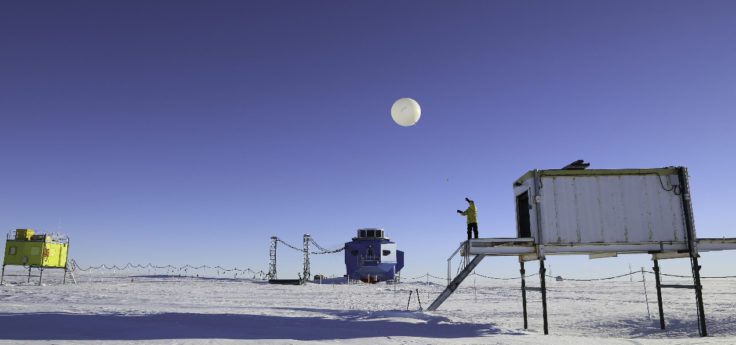
Long-term meteorological and ozone observations and data help determine the causes of climate change in the polar regions.
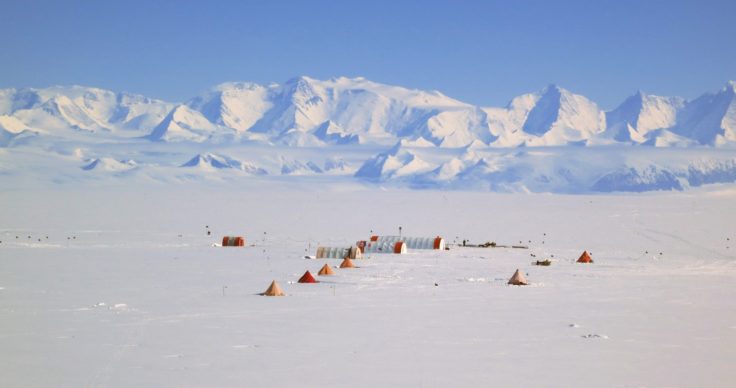
The Earth’s climate was warmer than today by at least 1°C during the Last Interglacial (between 129,000 and 116,000 years ago). Thus, the Last Interglacial represents an invaluable case study […]
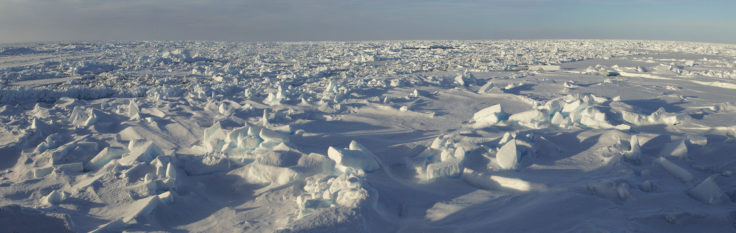
Studying ice response during past climate changes improves understanding of Antarctic ice sheet dynamics. This knowledge helps predict how ice sheets may behave under future warming scenarios.
This project attempts to reconstruct changes in the intermediate-deep ocean density gradient in the South Atlantic across the last deglaciation in order to assess the link between deep ocean stratification and atmospheric CO2.
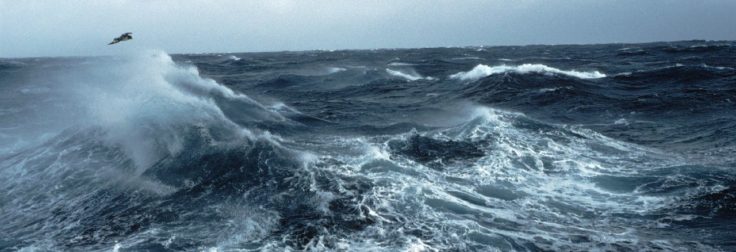
This project used ice cores drilled across the Antarctic Peninsula and West Antarctica to reconstruct past climate and understand whether the recent warming in these rapidly changing regions is unusual over longer timescales..
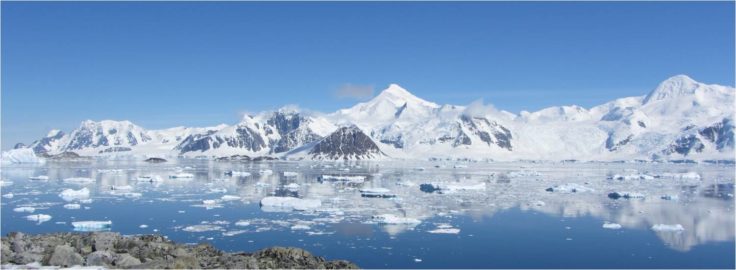
This project studies the last Interglacial (129-116 thousand years ago, ka) when CO2 and global temperature were both higher than they were before human industrialisation. By examining Last Interglacial climate, we can gain insights into climate processes and feedbacks close to those expected by the end of the 21st century.
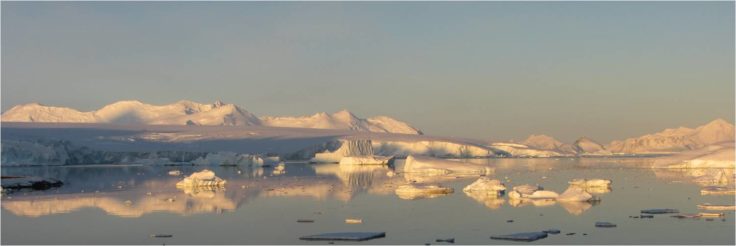
This project used ice core chemical and biological tracers, including marine diatoms swept onto the ice sheet by wind, to reconstruct 300 years of wind strength and atmospheric circulation patterns in West Antarctica.
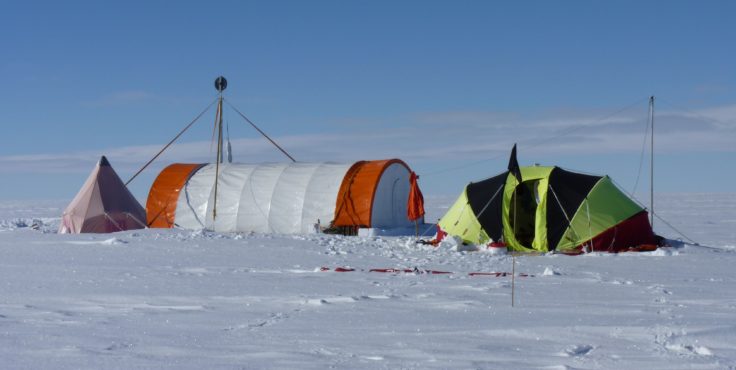
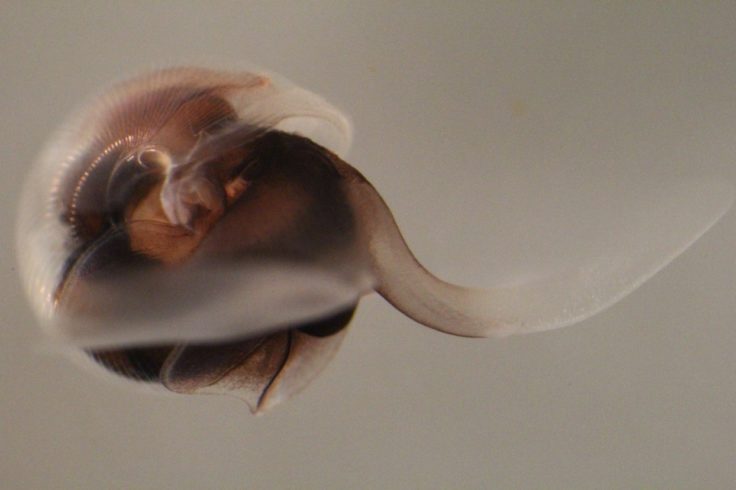
A project studying the impact of ocean acidification on pteropods, small shelled marine animals considered a sentinel species for ocean acidification.