Ocean forcing of ice-sheet change
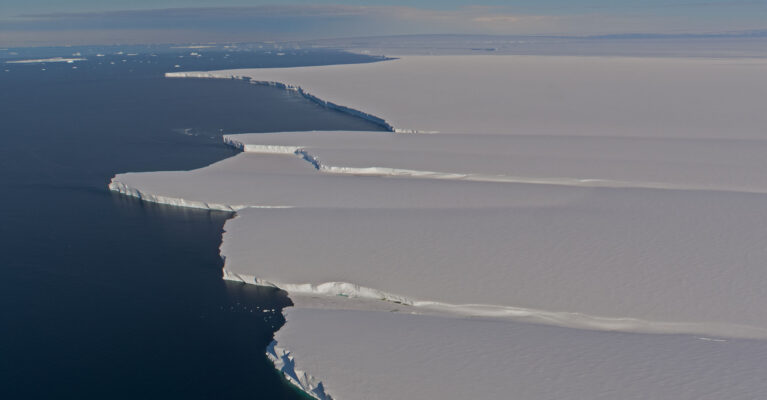
The OFIC project studied how ocean heat drove ice loss in rapidly retreating parts of the Antarctic ice sheet.

25 to 36 of 263 projects
The OFIC project studied how ocean heat drove ice loss in rapidly retreating parts of the Antarctic ice sheet.
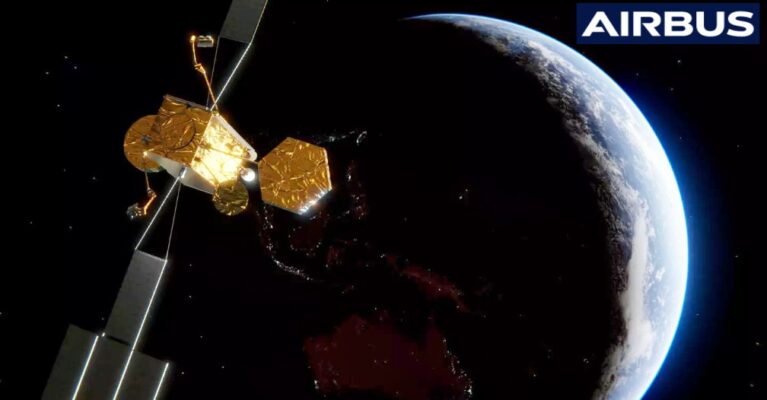
RADBELT-DA applies data assimilation techniques to improve radiation belt forecasts to protect satellites from space weather damage and service disruption.
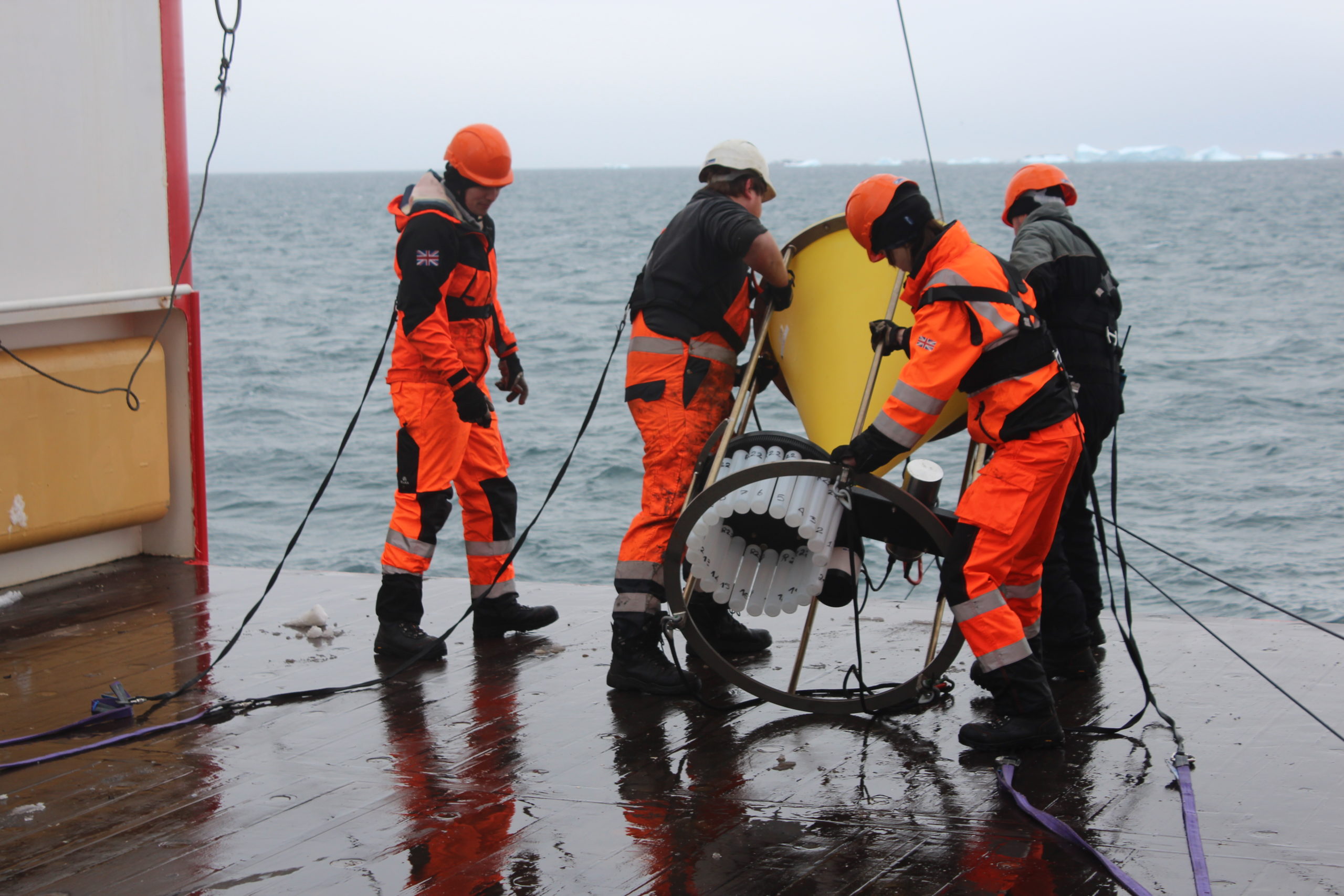
SCOOBIES makes long-term observations of key Earth system indicators in the Southern Ocean. These observations are vital for both UK and global science.
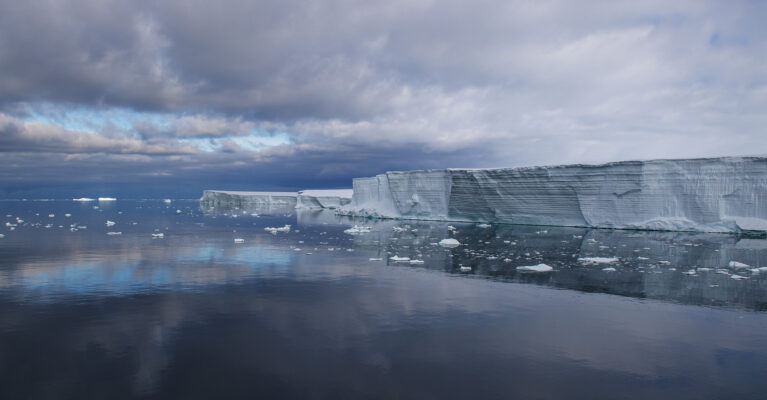
SiCLING studies how silicon cycles in Arctic and Antarctic glacial environments and how these cycles affect marine ecosystems and carbon flow.
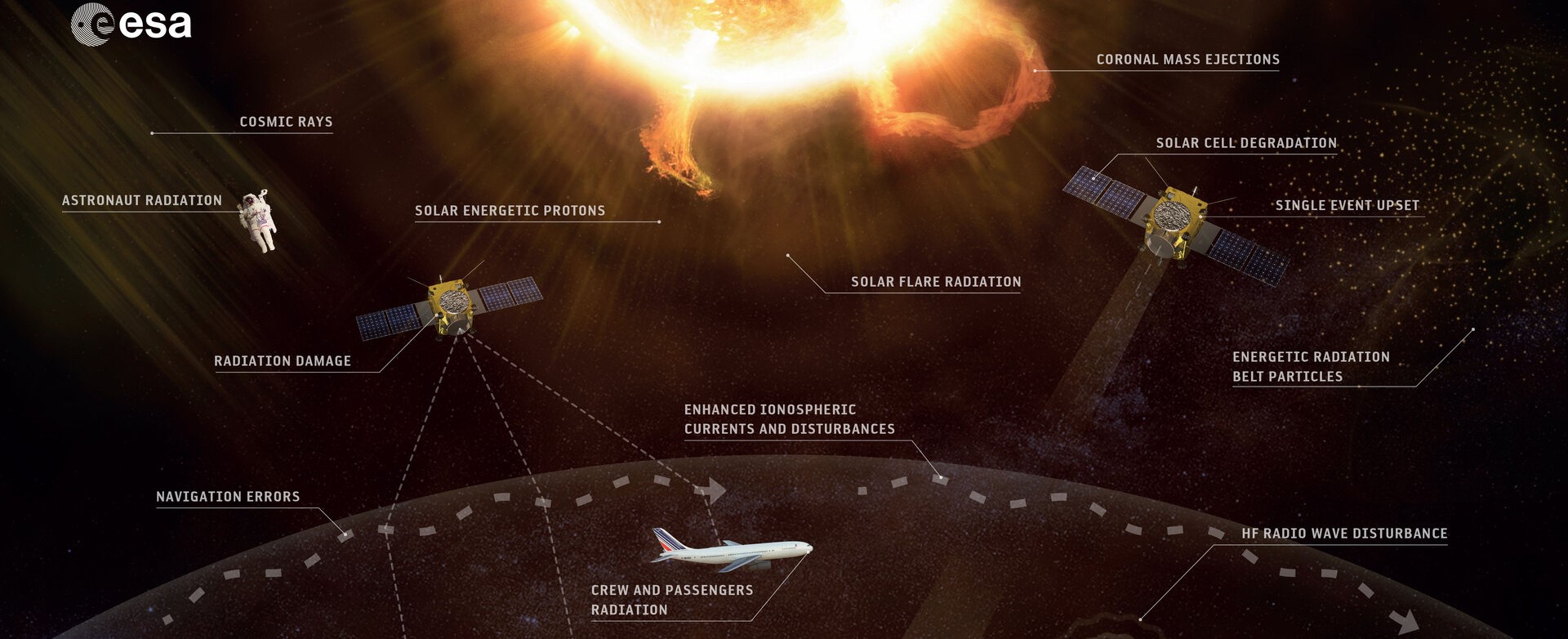
SEIEG is an independent committee of experts that provide support and advice to the UK Met Office and government departments.

Counting whales in South Georgia.
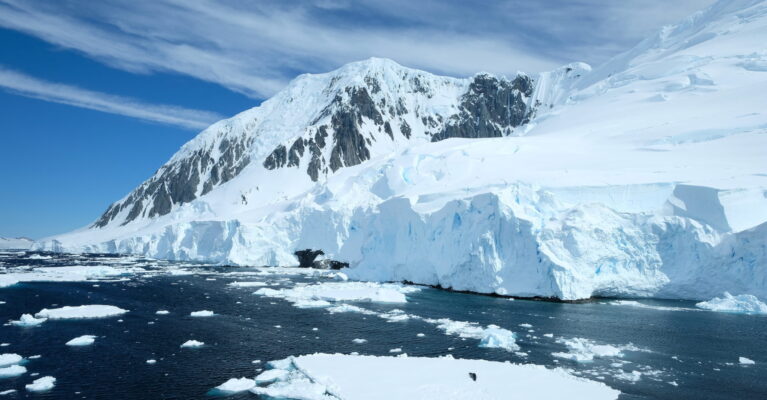
SURFEIT unites UK and international scientists to study Antarctic ice and atmosphere interactions, improve sea-level projections, and support climate action.
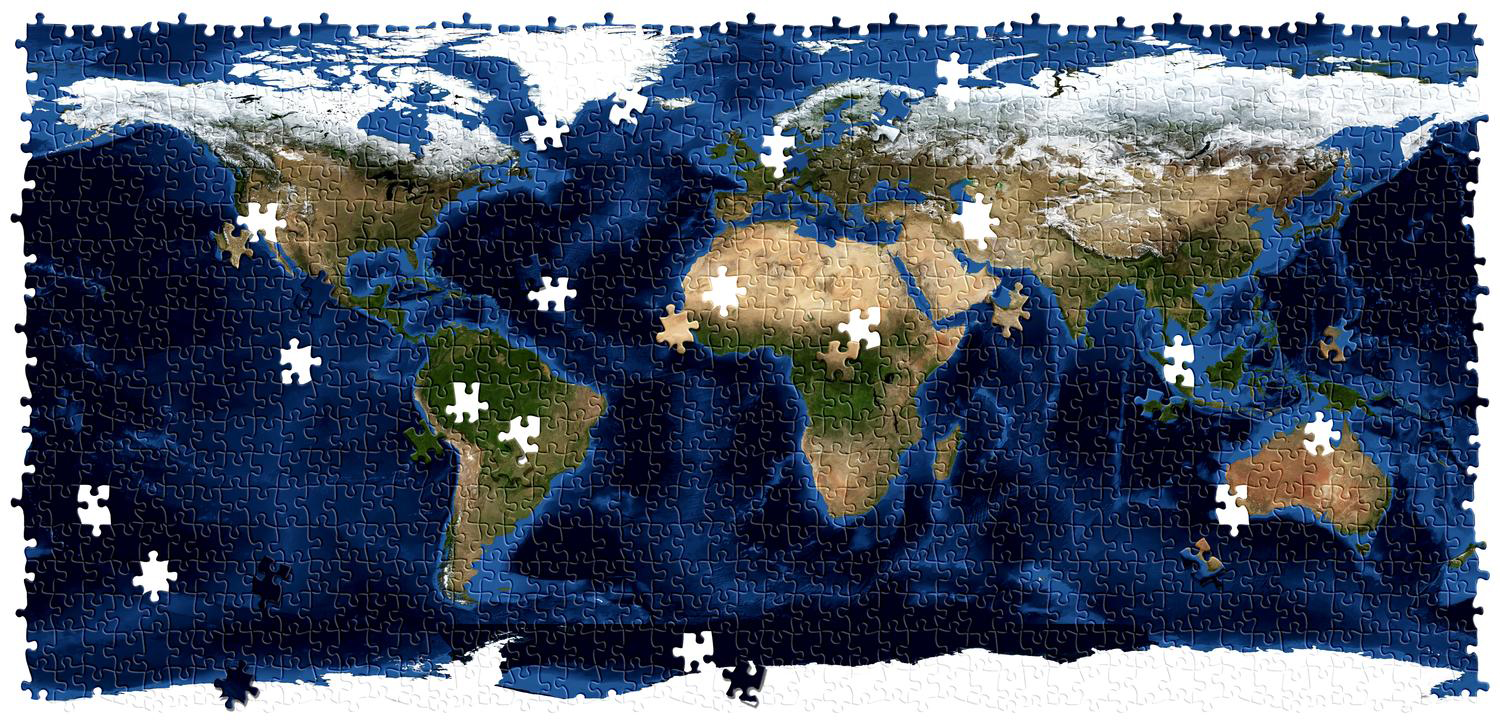
The Cambridge Centre for Climate Science has been established to promote research and other activities in Climate Science.
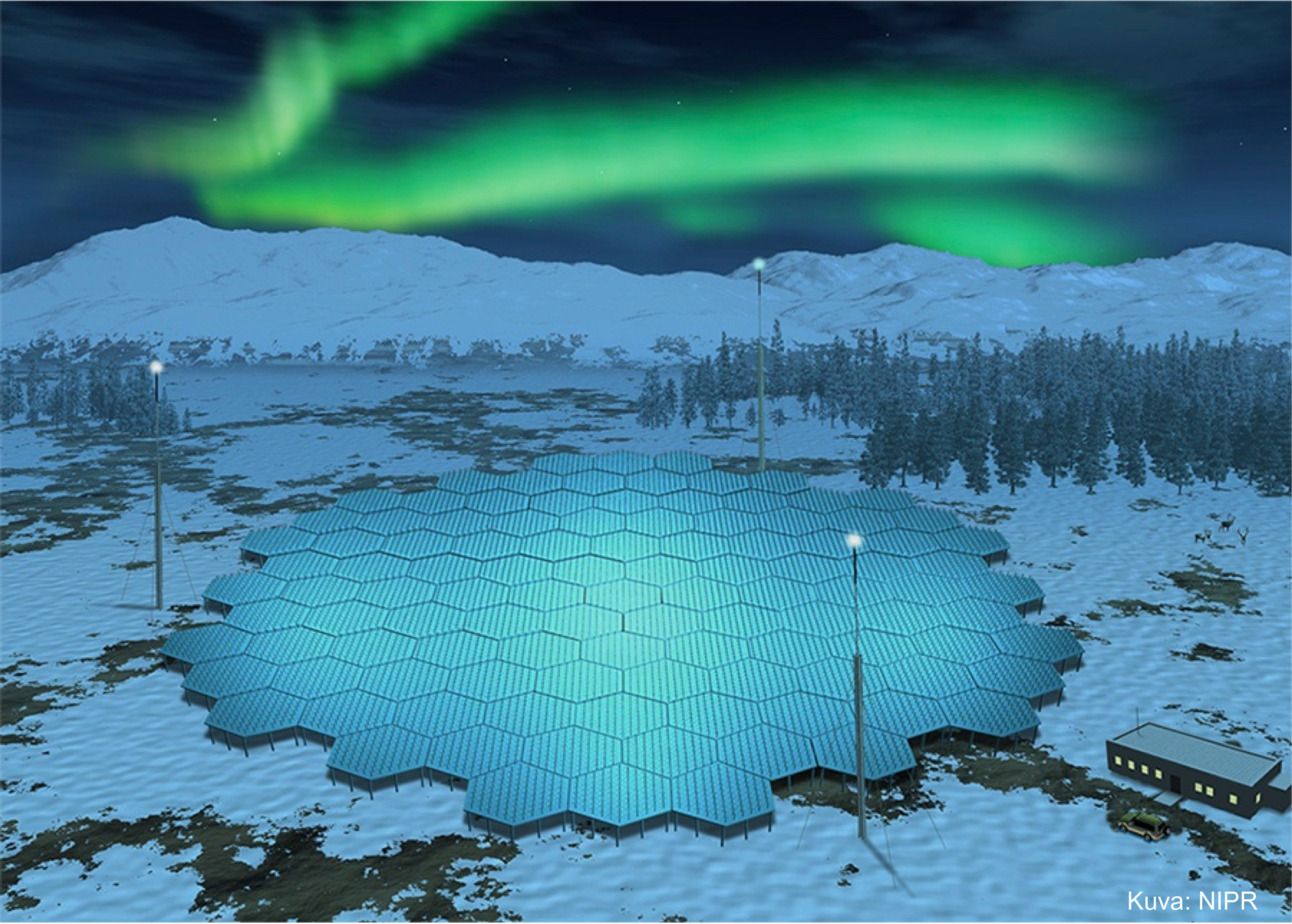
MesoS2D uses powerful radars and satellites to study a little-understood layer of the atmosphere, the mesosphere.
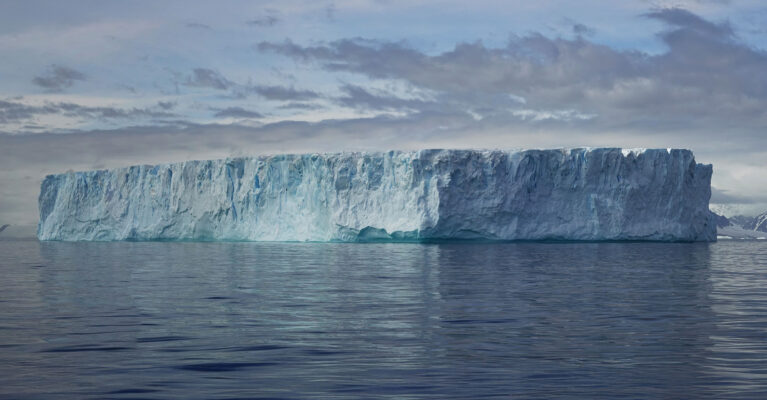
OCEAN:ICE studies how Antarctic ice and Southern Ocean processes drive sea-level rise and influence global climate, using new data and advanced ice–ocean–climate models.
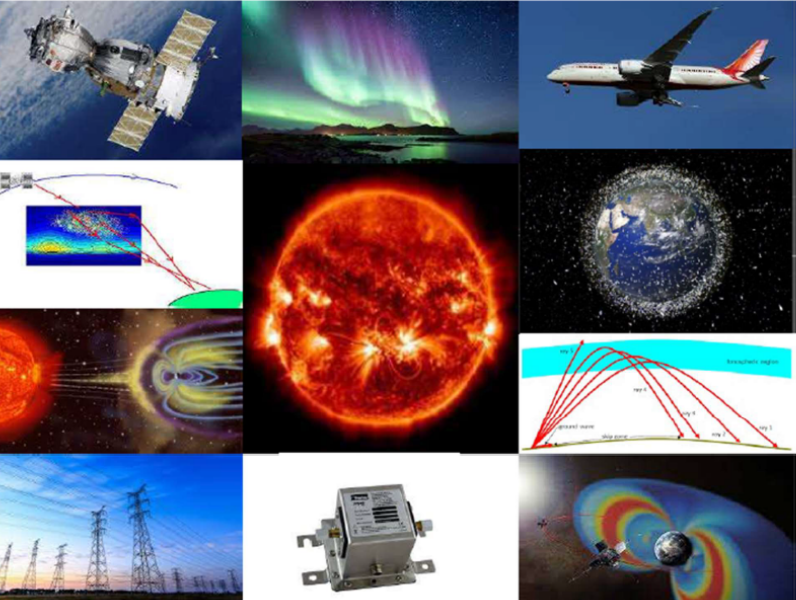
SWIMMR-T generated accurate and actionable nowcasts and forecasts of the thermosphere to reduced uncertainty estimates of the orbital characteristics of satellites and debris.
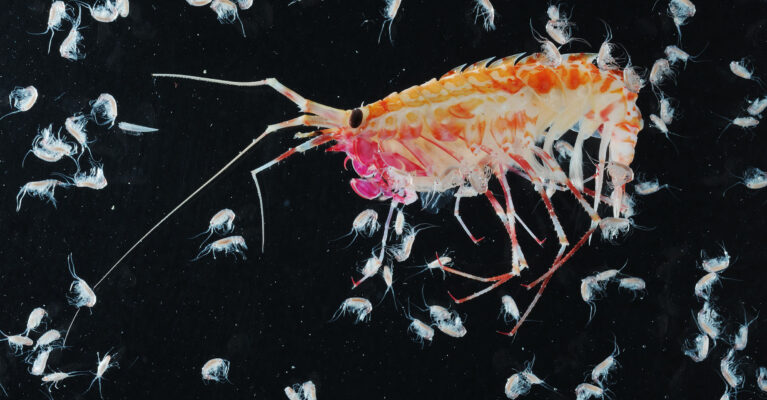
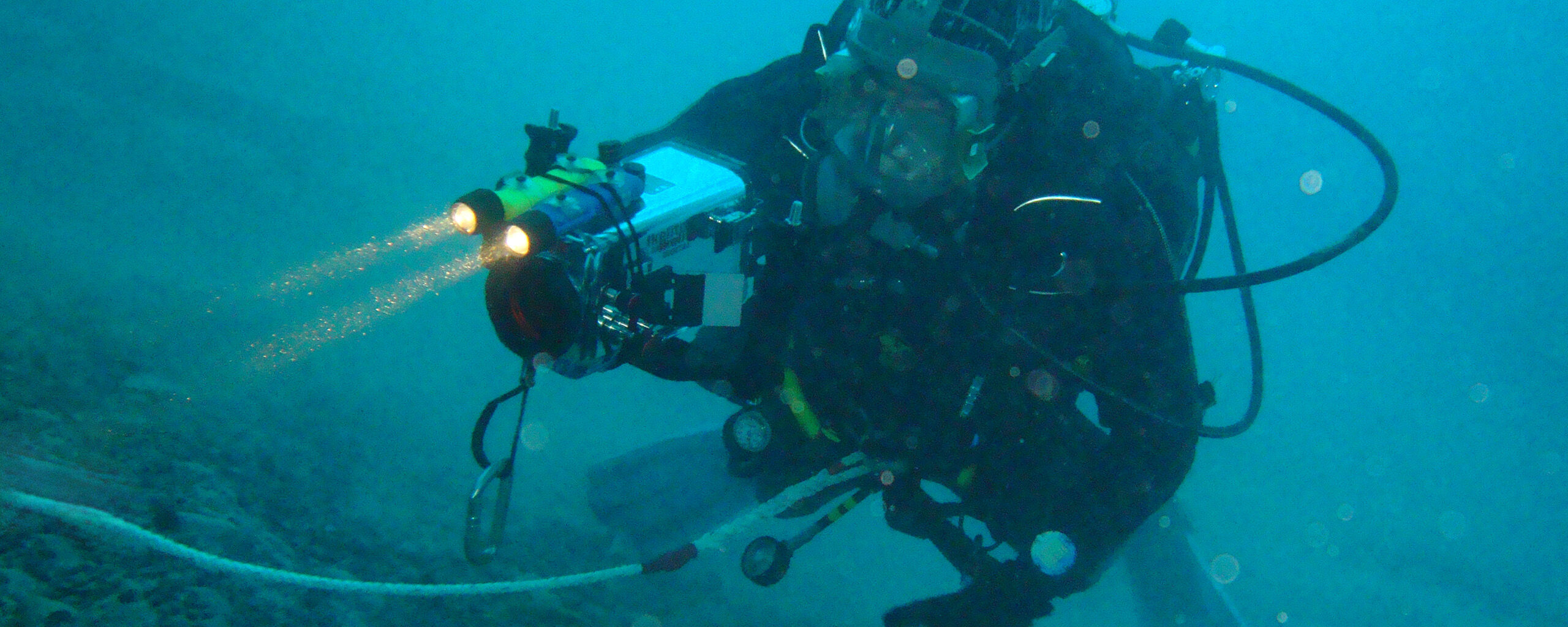
This project studies how Antarctic aquatic ectotherms — animals whose body temperature depends on their environment — survive in freezing waters.