Biogeochemical processes in polar ecosystems
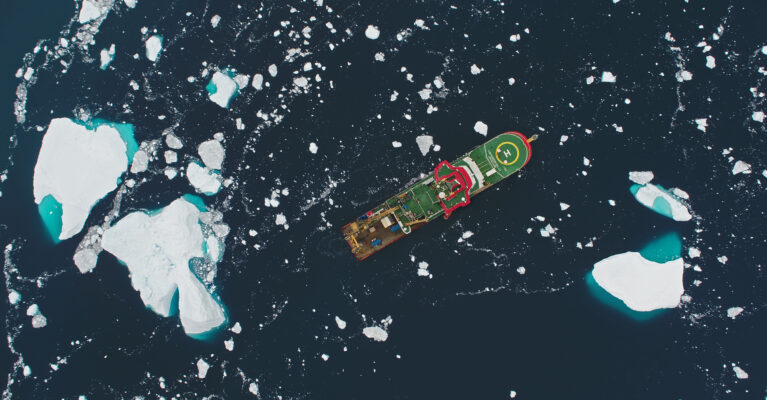
BIOPOLE studies how climate change is affecting the release of nutrients from the polar regions, and their redistribution around the world’s oceans.

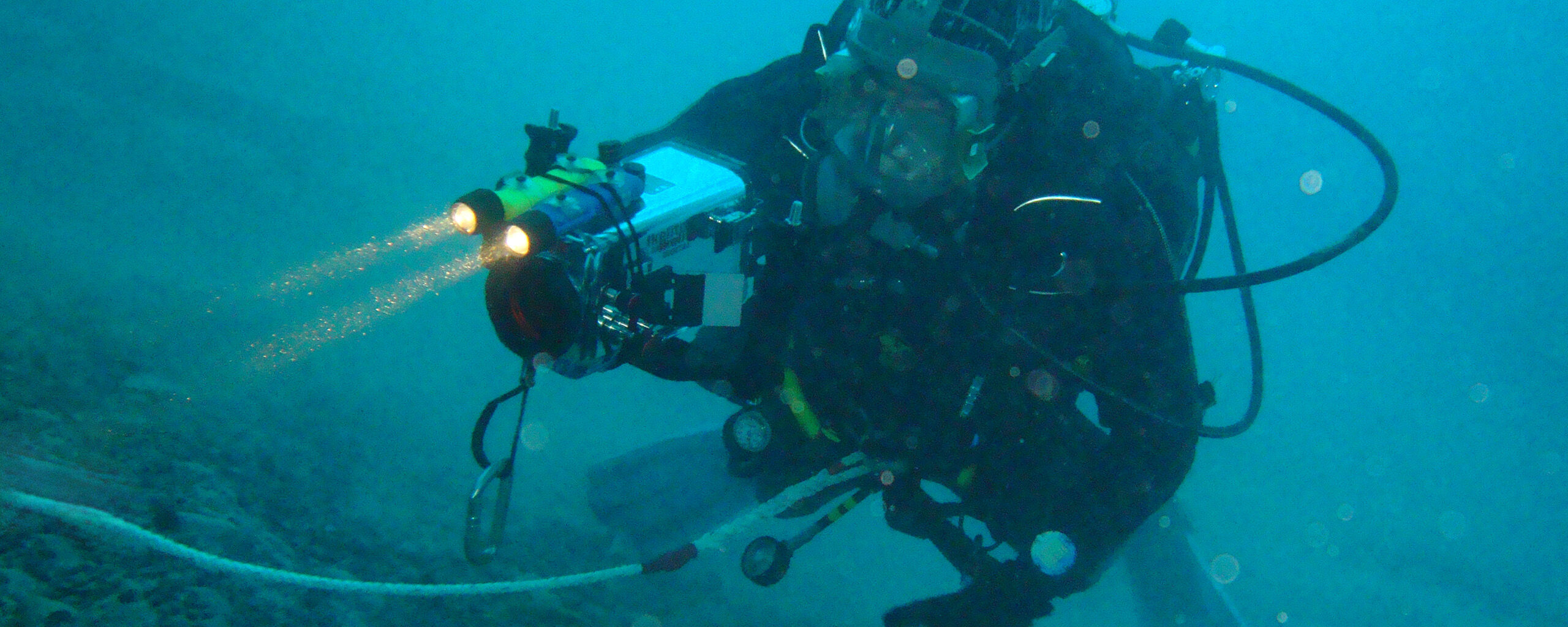
1 to 12 of 263 projects
BIOPOLE studies how climate change is affecting the release of nutrients from the polar regions, and their redistribution around the world’s oceans.
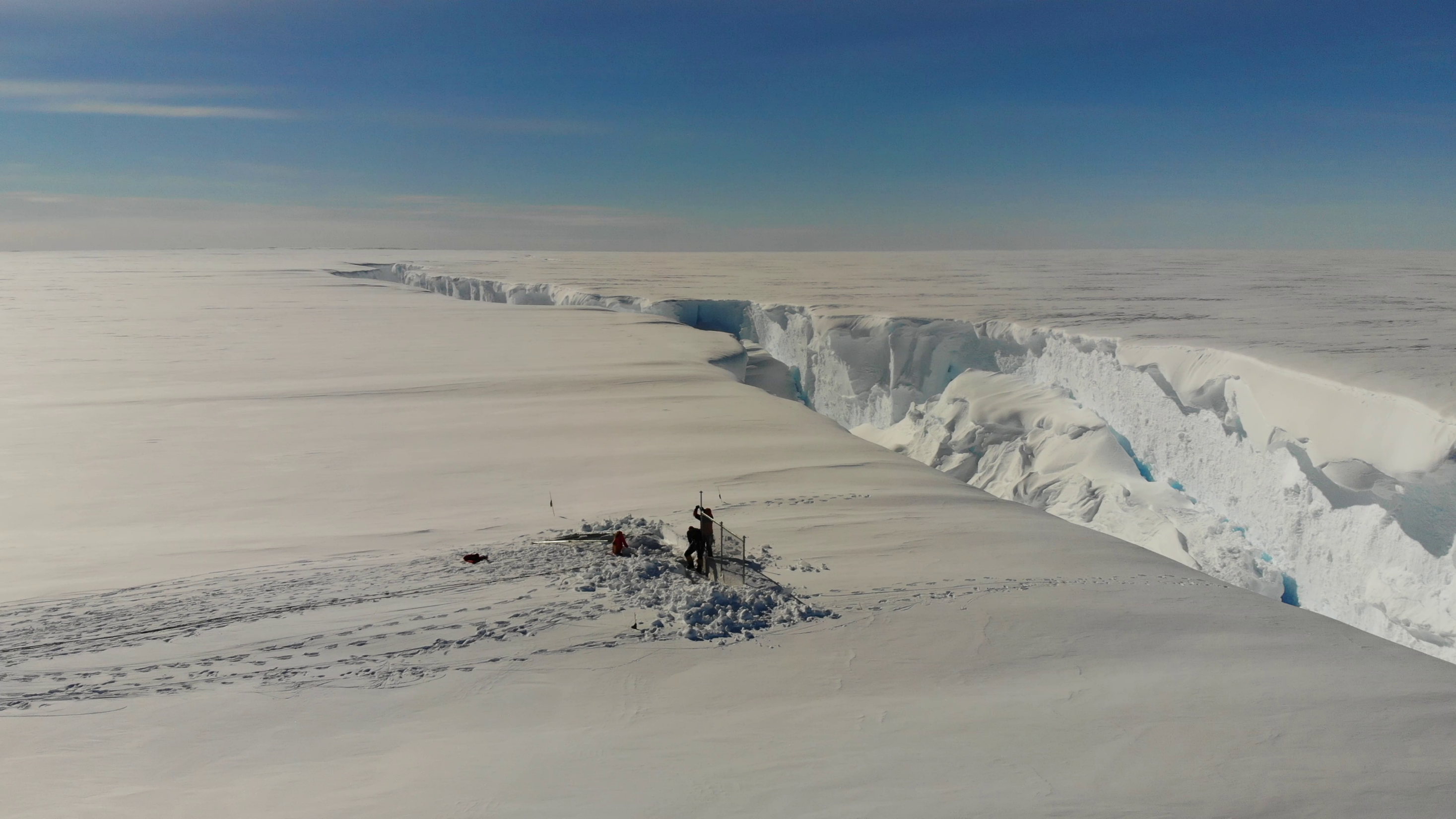
RIFT-TIP is investigating iceberg calving on the Brunt Ice Shelf. It uses field monitoring, lab testing, and modelling to predict when icebergs will form.
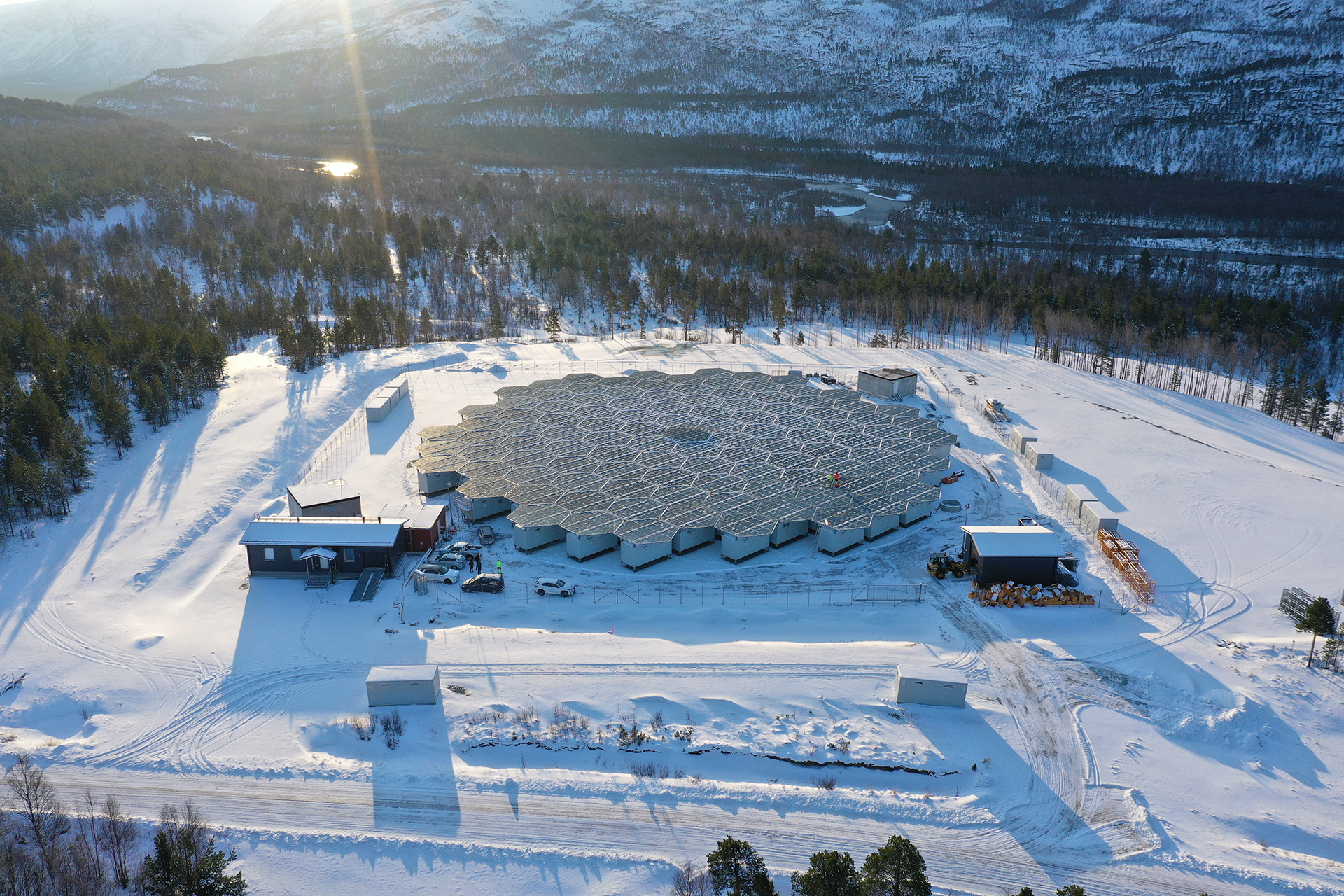
DRIIVE researches how polar ionosphere changes affect satellite orbits, communications, and space weather forecasts.
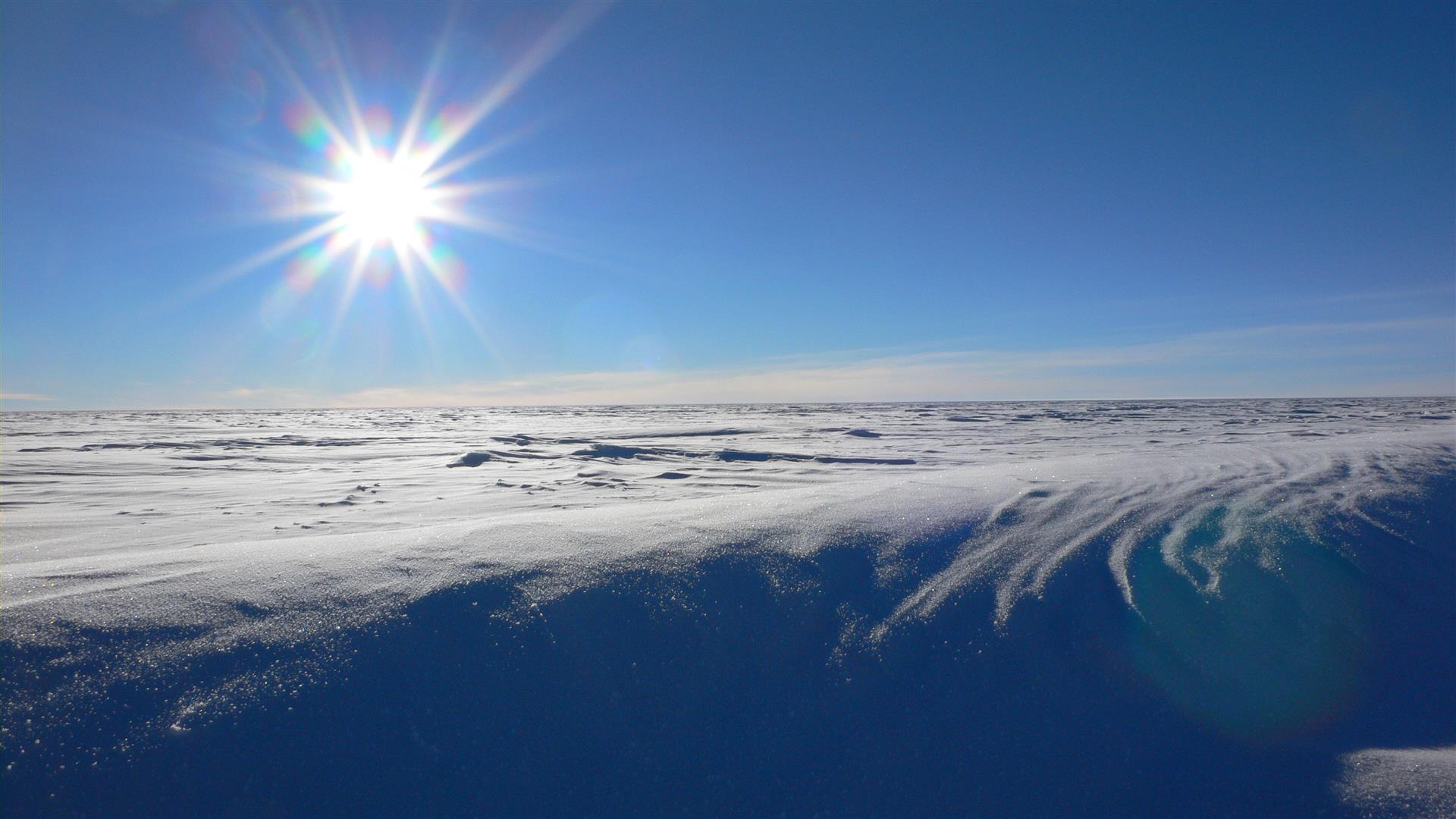
Beyond Epica – Oldest Ice drilled Antarctic cores up to 1.5 million years old. It explored past climate and greenhouse gas cycles, building on the Dome C ice record.
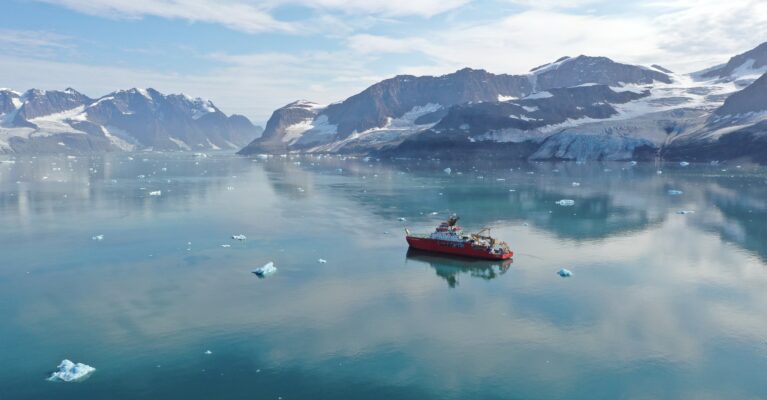
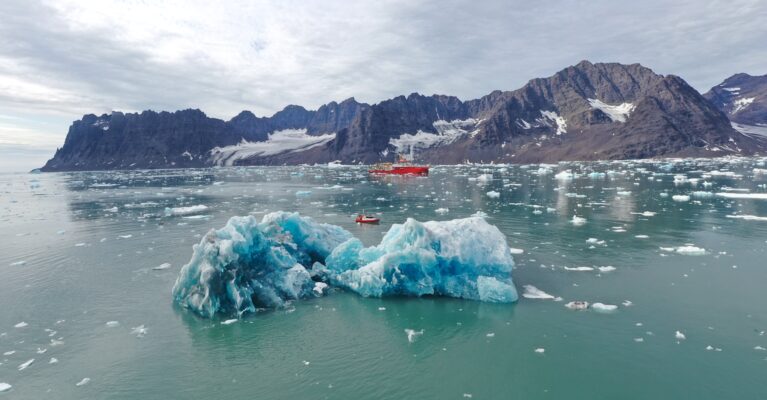
KANG-GLAC studies past and present glacier-ocean changes in southeast Greenland to predict how ice loss will affect ocean circulation, ecosystems and climate.
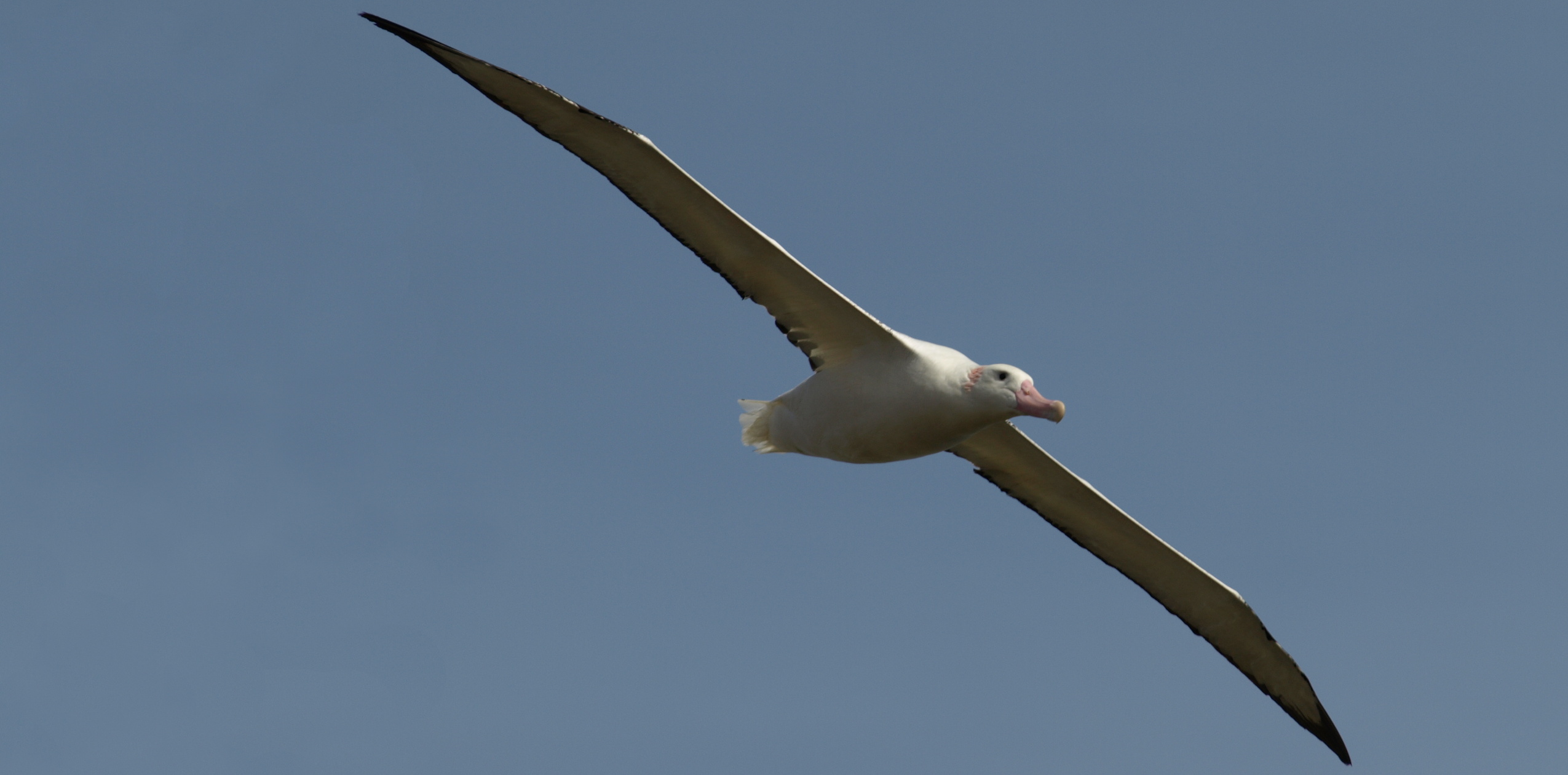
Higher Predators carries out long-term science to measure changes in Antarctic ecosystems. The aim is to understand the processes that drive these changes.
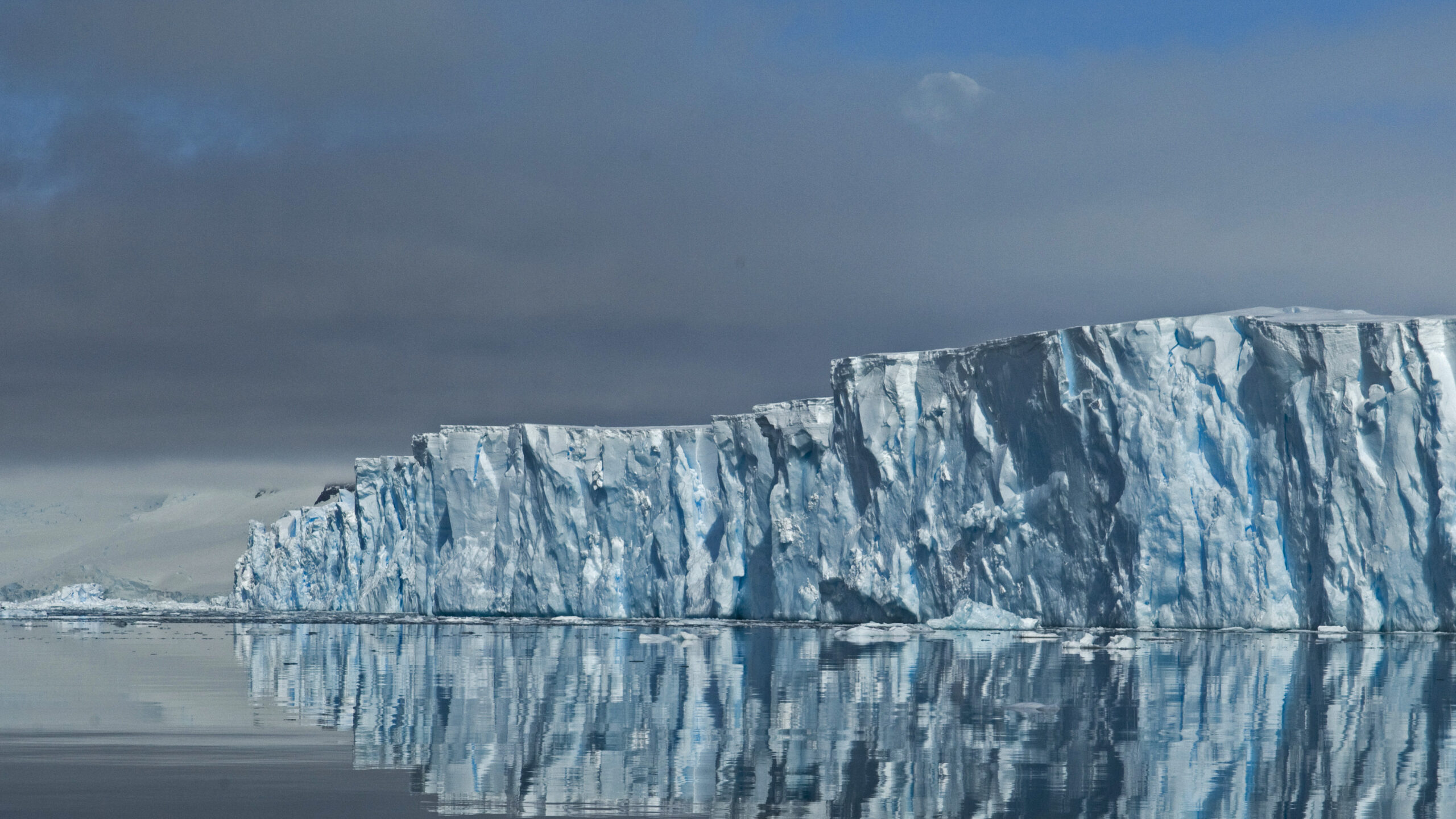
The International Thwaites Glacier Collaboration unites global scientists to study Antarctica’s most vulnerable glacier, predict sea-level rise, and inform climate action worldwide.
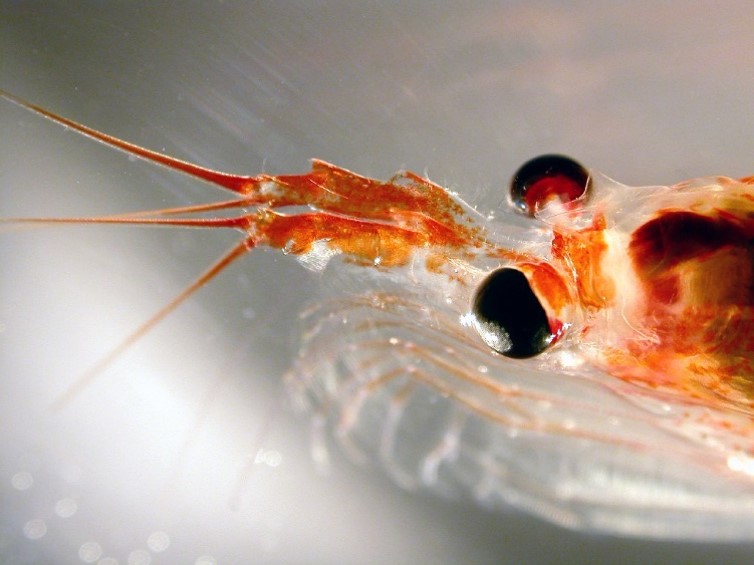
KRILLBASE compiles and shares circumpolar data on Antarctic krill and salps. The project supports research, fisheries management, and conservation across the Southern Ocean.
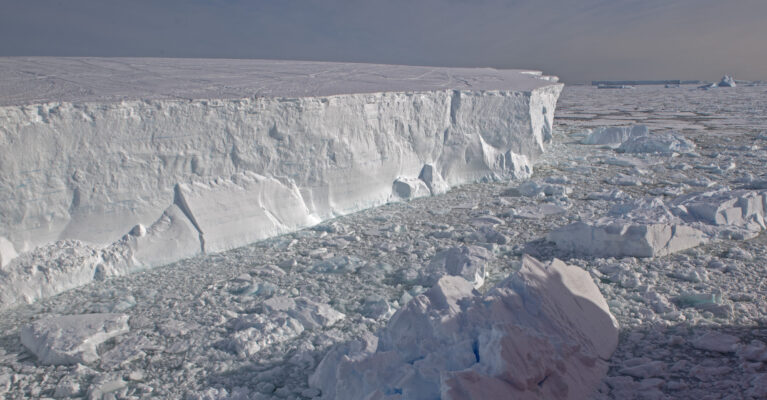
POLOMINTS investigates how glacier calving triggers internal tsunamis, reshaping polar ocean mixing and influencing climate, ecosystems, and carbon cycling.
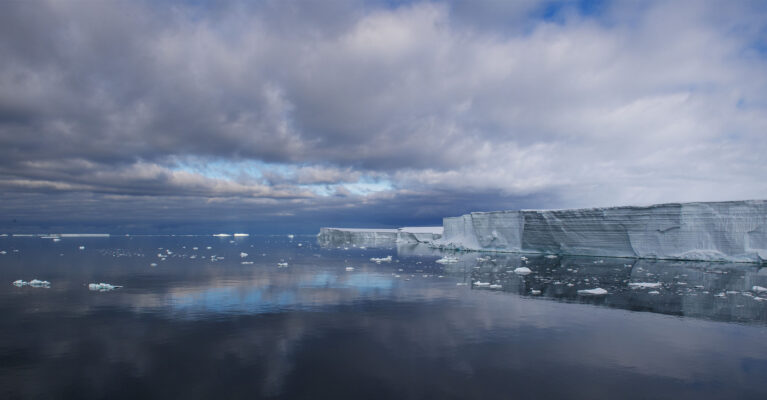
Southern Ocean Clouds improves climate models by studying cloud processes over the Southern Ocean to reduce global prediction errors.
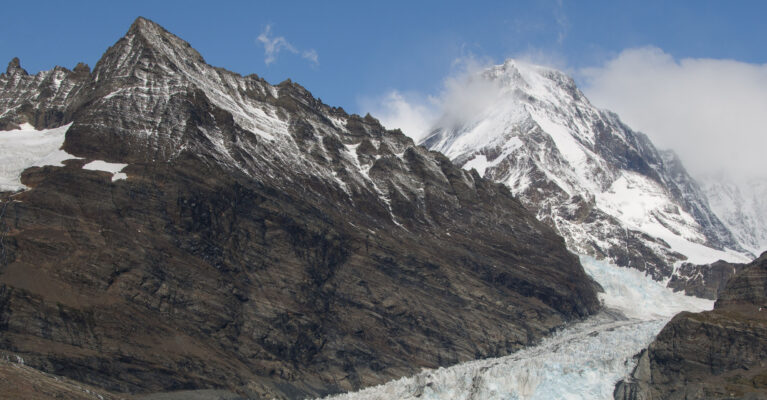
The Big Thaw studies snow and glacier changes in the Alps and Himalayas to improve forecasts of mountain water resources for global communities.
GIANT is a pioneering science project that will test the potential for early warning of a critical climate tipping point.