Drones and images from space count elephant seals
A team of researchers are using drones and satellite images from space to count southern elephant seals on the sub-Antarctic Island of South Georgia.
109 to 120 of 1417 results
A team of researchers are using drones and satellite images from space to count southern elephant seals on the sub-Antarctic Island of South Georgia.
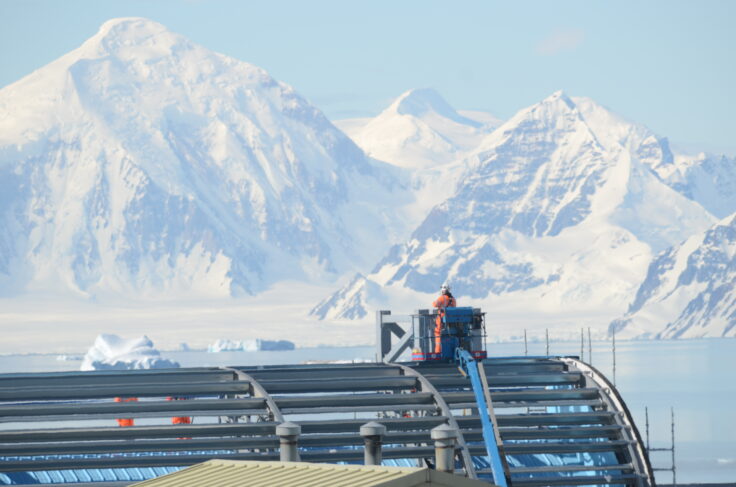
Welcome to our second Postcard from Rothera Research Station, giving you an update on progress as we modernise our largest station in Antarctica.
A new season of construction is underway in Antarctica for the British Antarctic Survey (BAS). Specialist teams are arriving at Rothera, the UK’s largest research station and gateway for international science and collaboration.
British Antarctic Survey has won the Gold Award at the National Building and Construction Awards 2024 for ‘The Project of the Year (£10 million to £25 million)’.
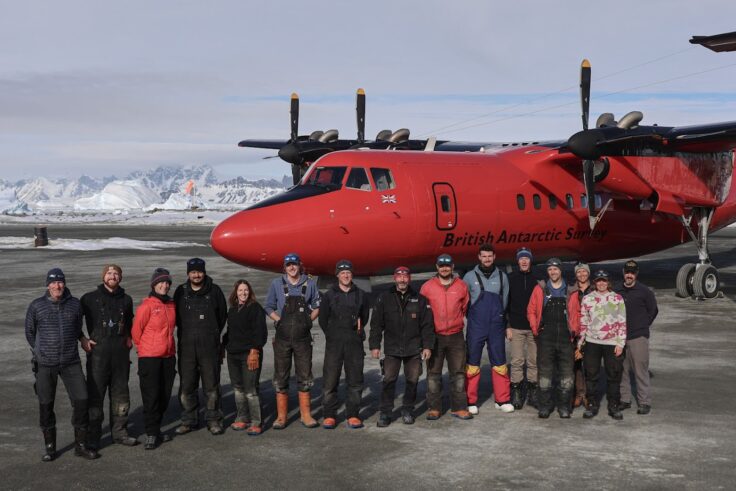
The Antarctic field season is now underway, marked by the arrival of the first aircraft at Rothera Research Station. And with a new season brings a new roster of innovative and exciting projects being delivered across British Antarctic Survey’s (BAS) five research stations and the UK’s polar research ship, the RRS Sir David Attenborough.
It’s not too late to sign up to Ticket to Antarctica. Your name can join RRS Sir David Attenborough in the Falkland Islands
British Antarctic Survey (BAS) is a beneficiary of a major investment in the UK’s network of leading environmental science research centres announced today (8 October).
New research released today in Nature Geoscience reveals that vegetation cover on the Antarctic Peninsula has increased more than tenfold in the past four decades.
A greater understanding of how climate change impacts at a regional level is vital to developing effective climate policies that protect communities from escalating risks.
New science briefing summarises results of the ambitious international collaboration to study Antarctica’s most worrying glacier
Antarctica’s rapidly receding sea ice could have a negative impact on the food supply of seabirds that breed hundreds of miles away from the continent.
Your name will go on a journey to the frozen wilderness!
New project seeks to inspire, educate and entertain the public about Antarctica.