Palaeobiologist

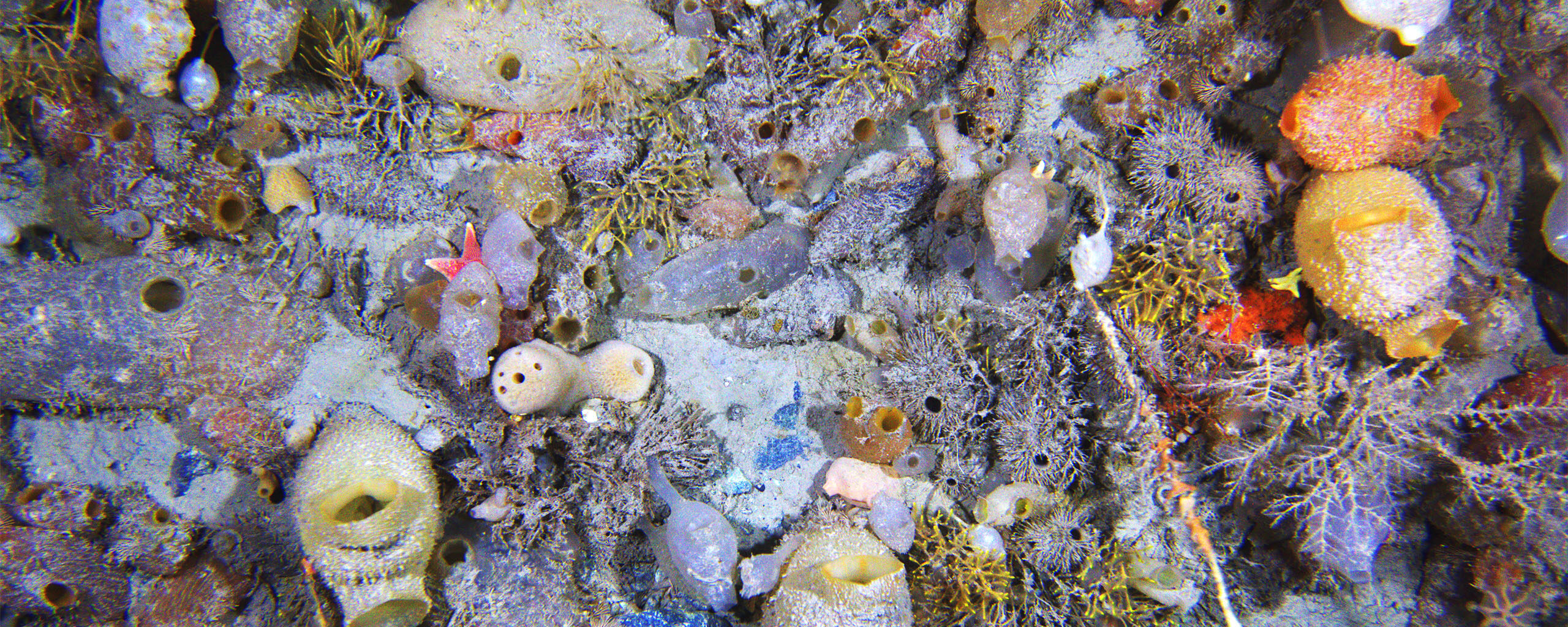
This UKRI Future Leaders Fellowship studies the evolution and ecology of Antarctic seafloor communities. The project looks at how these ecosystems have changed in the past, how they function today, and how they may respond to future environmental change.
Biodiversity loss and extinction are pressing global issues. Around 66% of marine environments have already been significantly altered by human activity. Losing a species is not just about losing one organism. It can disrupt the way an entire ecosystem works.
The Southern Ocean seafloor is one of the least explored habitats on Earth. Many organisms here exist nowhere else. Some may also hold future value for society. Antarctica is among the fastest-warming regions of the planet. This makes it a natural laboratory for studying environmental change.
This project helps to:
Antarctic seafloor ecosystems are both unique and fragile. Studying their past and present gives us valuable insights into how climate change may reshape them. It also helps us learn how to protect biodiversity into the future.
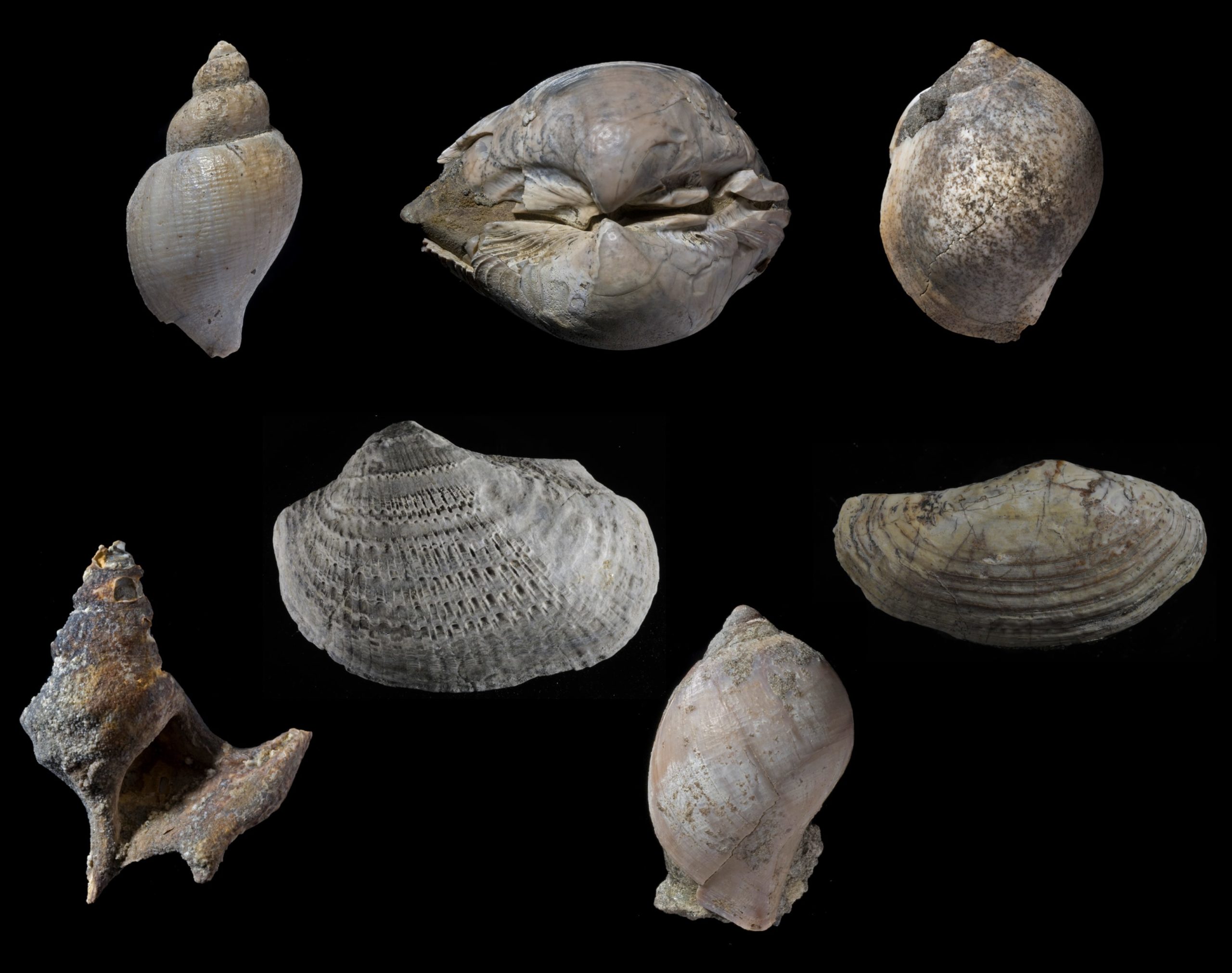
Clues to the past: fossils of marine molluscs from Antarctica.
The project is led by Dr Rowan Whittle through a UKRI Future Leaders Fellowship. It brings together expertise in palaeontology, marine biology, ecology, and climate science.
The research combines fossil records, modern observations, and new technologies:
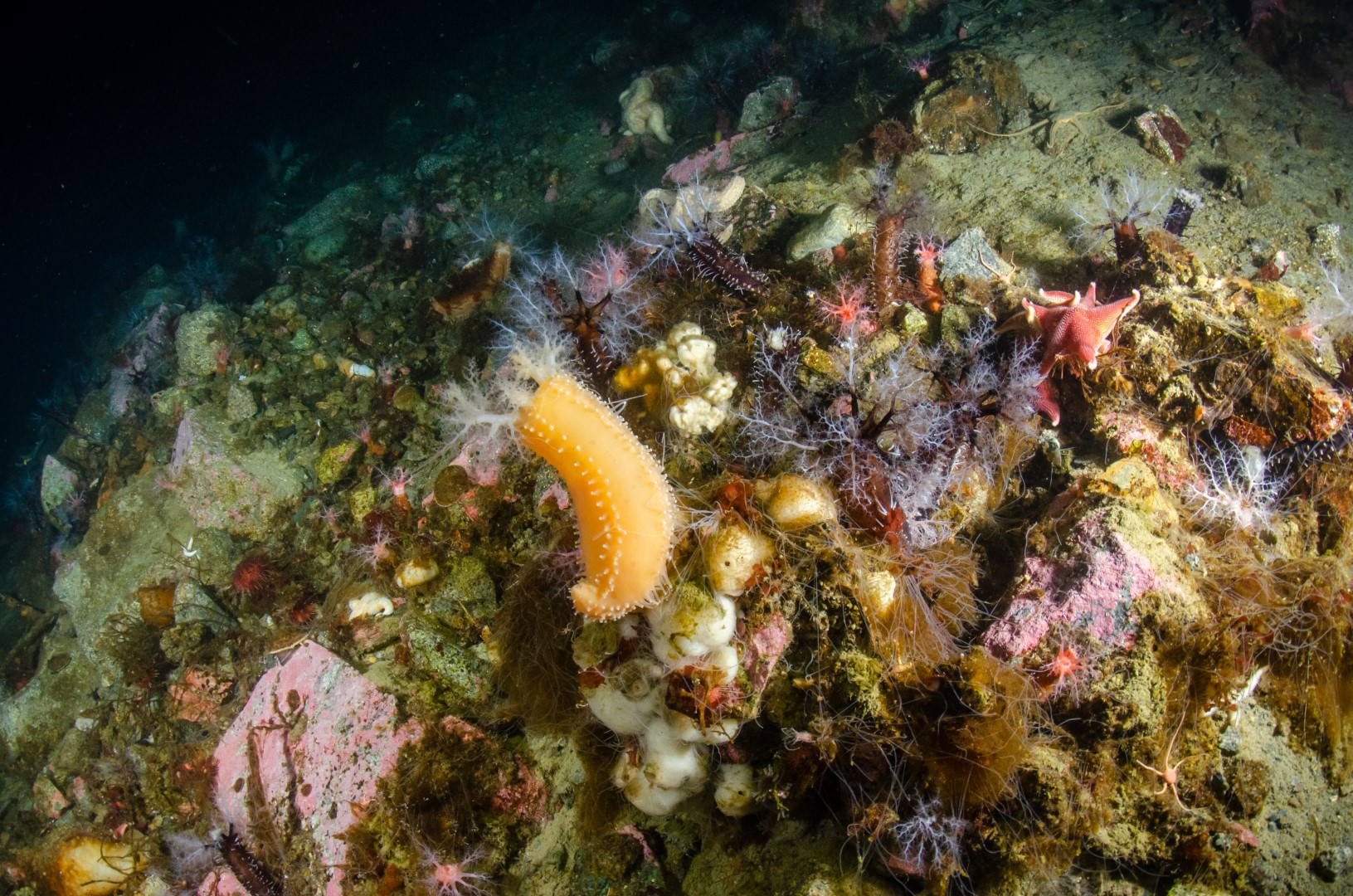
Present day Antarctic seafloor life: dominated by filter feeding animals.
The project aims to:
The team uses fossil studies, ecological surveys, and fieldwork to investigate Antarctic seafloor ecosystems. Fossil records show how communities changed during past warm and cold periods. Modern technologies reveal how today’s ecosystems are structured and how vulnerable they are.
Together, these approaches improve our ability to predict the risks of climate change. They also guide how we protect some of the planet’s most unique and fragile marine ecosystems.
The strategic aims for this project are to answer the questions in three themes, working across traditional disciplinary boundaries:
The following objectives will fulfill these aims:
Objective 1: Quantify the structure of Antarctic greenhouse and icehouse fossil communities.
Objective 2: Determine the preservational and palaeoenvironmental controls on these structures.
Objective 3: Compare greenhouse and icehouse communities to see if past climate change restructured Southern Ocean benthic ecology and biodiversity.
Objective 4: Identify the key structural elements of modern Southern Ocean ecosystems.
Objective 5: Determine the factors that maintain the stability of modern Southern Ocean benthic ecosystems.
Objective 6: Identify the potential adverse changes to the biodiversity and functioning of Southern Ocean benthic ecosystems due to anthropogenic disturbance.
Palaeobiologist
Marine Biogeographer
Machine Learning Research Scientist
Artificial Intelligence (AI) Lab, Palaeo Environments, Ice Sheets and Climate Change team

Palaeobiologist/Antarctic Marine Invertebrates
Dr Emily Mitchell, University of Cambridge
Exploring the seafloor
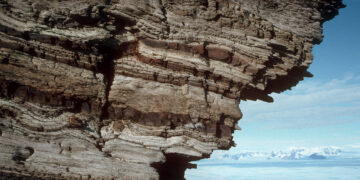
Since its beginnings in 1945, BAS has been collecting and studying Antarctic rocks and fossils.
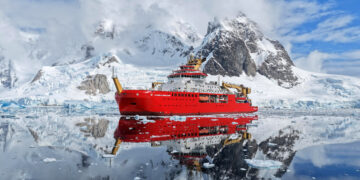
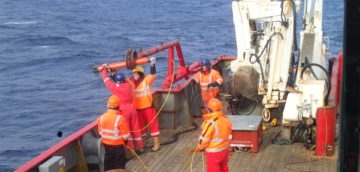
Our state-of-the-art polar science ship provides scientists access to remote and challenging marine environments across the Antarctic and Arctic.