Marine Ecologist IMP 3


The SO-AntEco expedition investigated the diversity of life both inside and outside of the South Orkney Islands Southern Shelf Marine Protected Area (SOISS MPA) region in order to better understand the distribution and composition of the seafloor communities around islands.
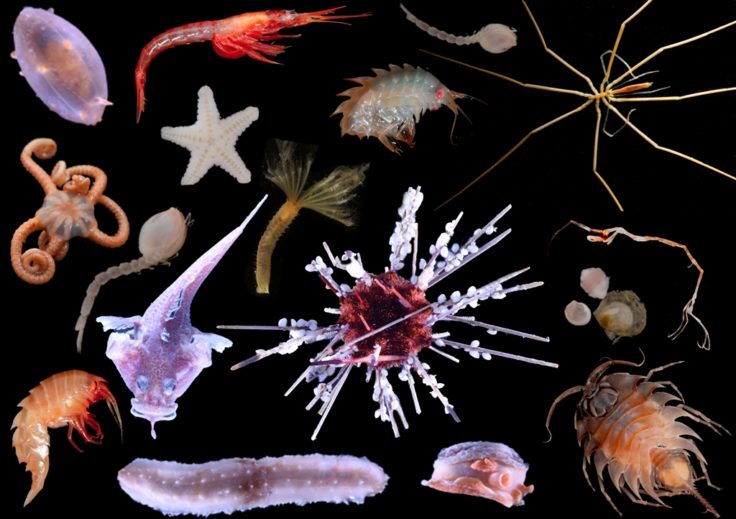
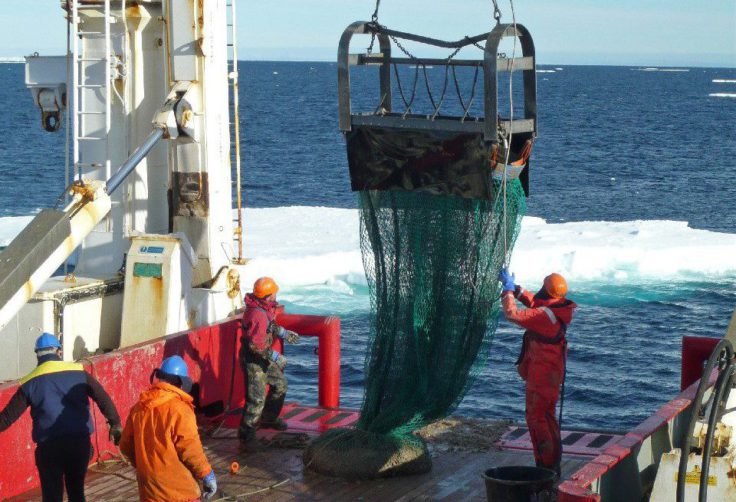
It undertook a research cruise that explored the different seafloor habitats to investigate if different environments support different communities of animals. Understanding where animals that are vulnerable to fishing and other human impacts (such as corals and sponges) live will help us to manage the region’s natural resources in the future.
SO-AntEco was a British Antarctic Survey (BAS) led expedition undertaken in conjunction with an international team of scientists from the Scientific Committee for Antarctic Research (SCAR) AntEco research programme. The team included participants from 9 different countries and 16 institutes. It also involved scientists from four UK universities (Bristol, Hull, Liverpool and Oxford) and the Natural History Museum in London.
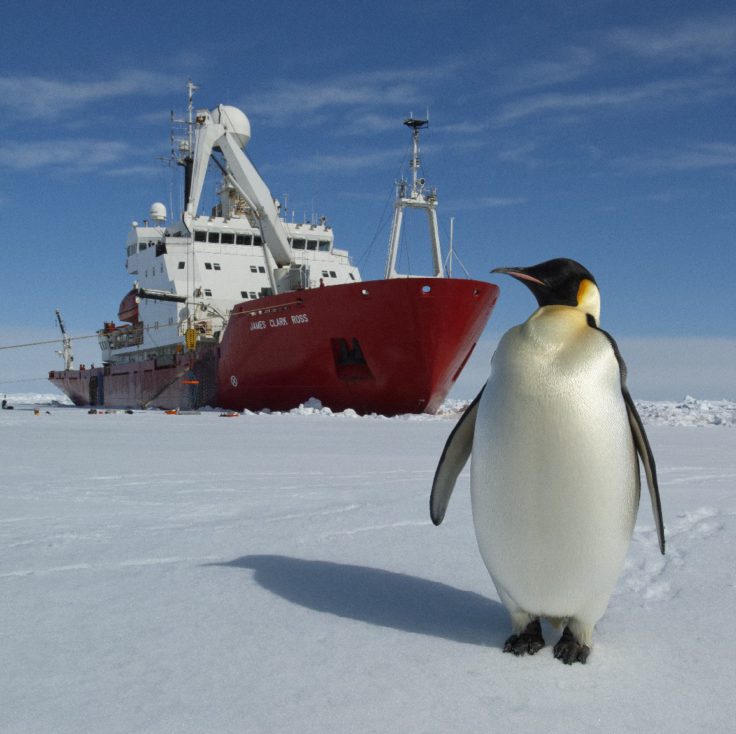
The expedition took place on board the BAS research ship the RRS James Clark Ross in early 2016 and was the sister project of the Krill Hotspots project. This expedition aimed to address aspects of all four of the BAS Grand Challenges for polar science.
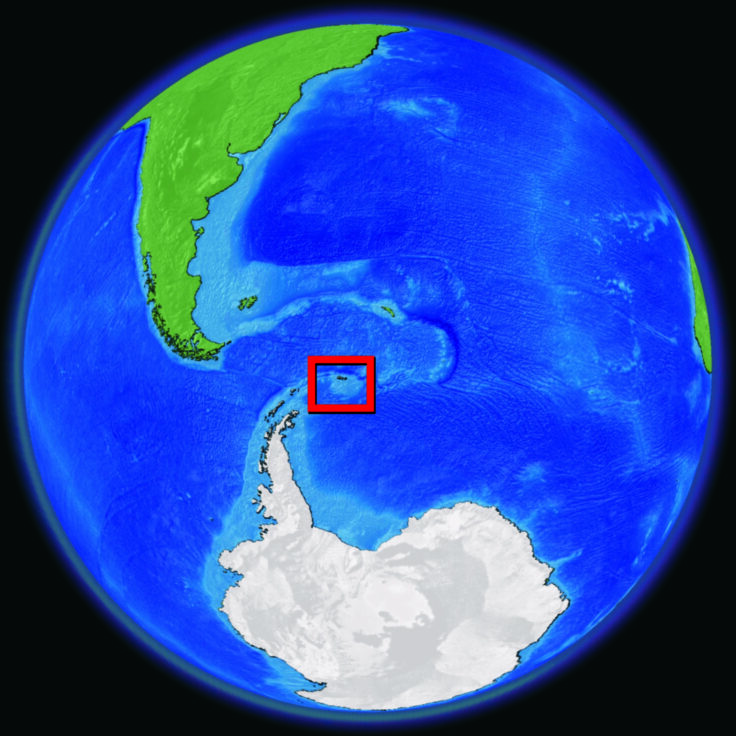
The South Orkney Islands is a small archipelago located in the Southern Ocean, 375 miles north-east of the tip of the Antarctic Peninsula. The seafloor around the South Orkney Islands has been shown to be an area with exceptionally high biodiversity. The marine animals there represent approximately one fifth of all species recorded for the entire Southern Ocean.
The Commission for the Conservation of Antarctic Marine Living Resources (CCAMLR) closed all finfish fisheries around the South Orkney Islands in 1989, and in 2009 they established the South Orkney Islands Southern Shelf Marine Protected Area (SOISS MPA), the first MPA located entirely within the High Seas anywhere on the planet.
Marine Ecologist IMP 3

Marine Biogeographer
Marine Biogeographer
Senior Biodiversity Biologist
Senior Data and Systems Architect

Palaeobiologist
Dr Helena Wiklund – Natural History Museum
Dr Laura Robinson – University of Bristol
Dr Cath Waller – University of Hull
Madeleine Brasier – University of Liverpool/Natural History Museum
Oliver Ashford – University of Oxford
Dr Michelle Taylor – University of Oxford
Prof. Bruno Danis – Université Libre de Bruxelles
Dr Marc Eléaume – Muséum national d’Histoire naturelle
Camille Moreau – Université Libre de Bruxelles
Prof. Angelika Brandt – Universität Hamburg
Rachel Downey – Senckenberg Research Institute, Frankfurt
Dr Louise Allcock – National University of Ireland, Galway
Dr Vassily Spiridonov – P.P. Shirshov Institute of Oceanology
Prof. Estefania Rodriguez – American Museum of Natural History
Melanie Mackenzie – Museum Victoria
Claudio Ghiglione – University of Siena and Italian National Antarctic Museum
Dr Anton Van de Putte – University of Leuven
Prof. Philippe Archambault – Université du Québec
The ship’s science labs have all been packed up and cleaned, kit boxes stowed in the container, cargo paperwork finished and cruise reports written. The SO-AntEco team is ready to […]
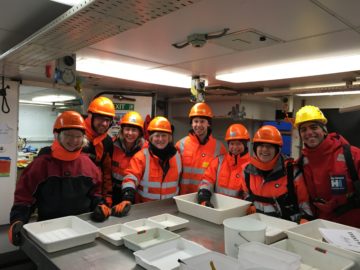
Oh look it’s snowing/raining and getting dark… it must be time for the Night Shift. I’m Hilary, the night shift leader on the SO-AntEco scientific cruise to the South Orkney […]
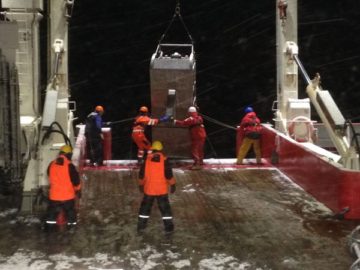
Last week was UK Science Week, and we asked schools and anyone else who had burning questions about the Antarctic deep sea to send them to us here on the […]
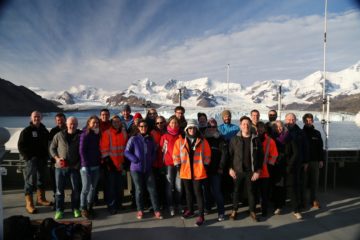
Lost in a Sea of Biology! Dr Laura Robinson is interested in documenting and understanding the processes that govern climate on time scales ranging from the modern day back through hundreds of […]
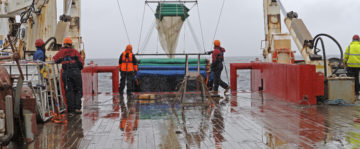
New ‘buoy’ at sea Oliver Ashford – a PhD student from Oxford University – is the youngest member of the SO-AntEco research cruise onboard the RRS James Clark Ross. He’s working with […]
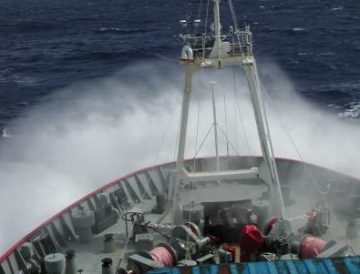
As the days count down towards departure the dreams about forgetting my passport at the airport become more frequent. My office in Cambridge is a long way from the Antarctic […]
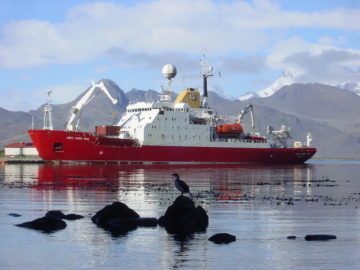
Please join us in congratulating Dr Huw Griffiths, Marine Biogeographer at British Antarctic Survey, who has been awarded the Scientific Committee on Antarctic Research (SCAR) Medal for Education and Communication. […]
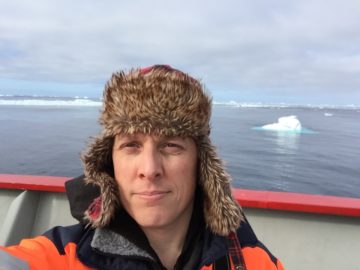
New season tackles ambitious science and logistical challenges The British Antarctic Survey (BAS) 2015/16 field season is underway with dozens of scientists and support staff – together with planes and tonnes […]
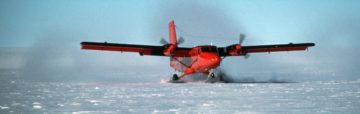
The data collected by this expedition will be used to produce official reports and will be made publicly available through the official SCAR biodiversity data portal – biodiversity.aq.