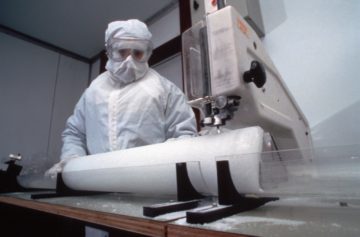
Lifetime of Halley Glaciologist

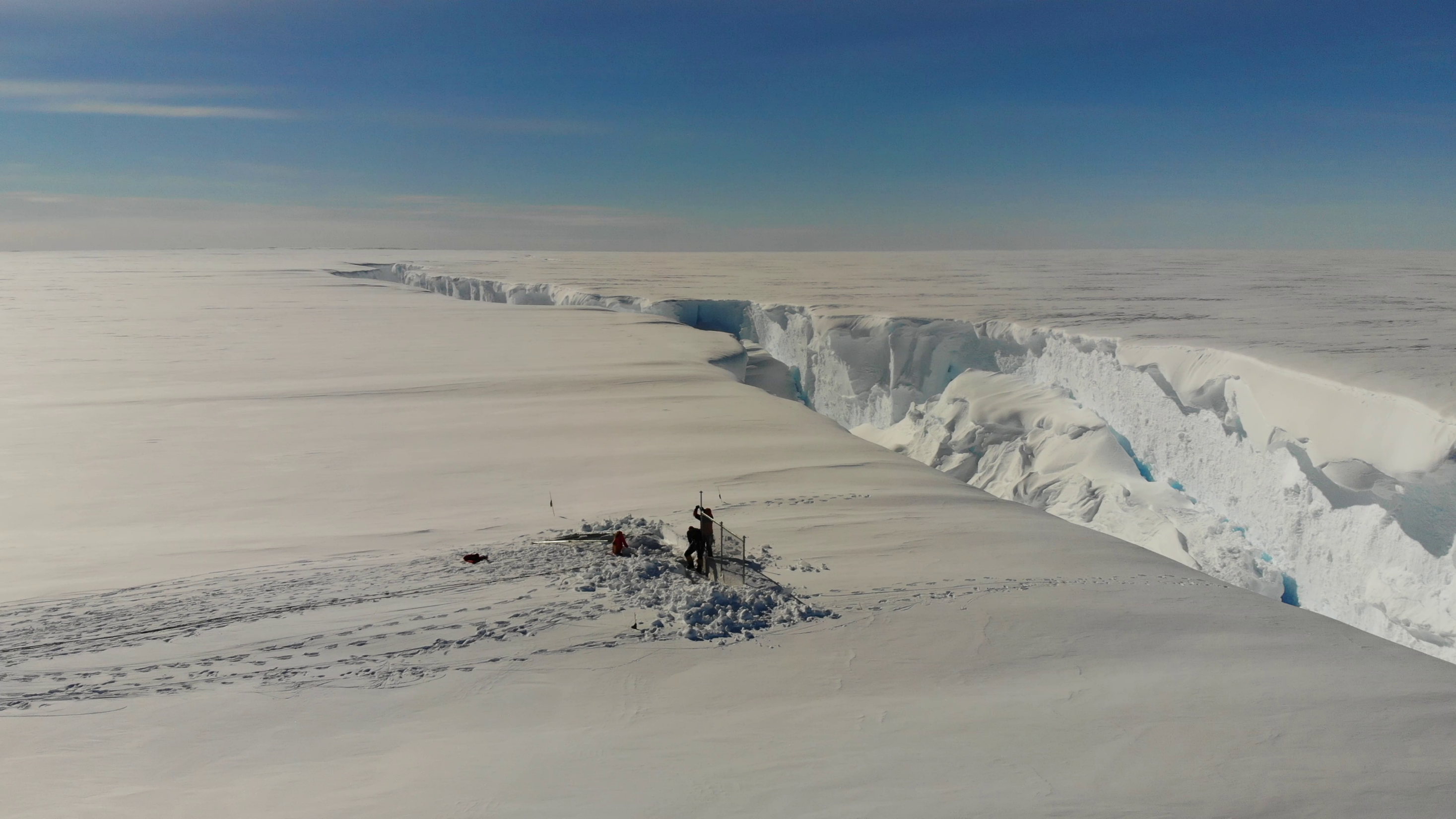
We are studying how cracks grow in Antarctic ice shelves and how this leads to iceberg calving. Research focuses on the Brunt Ice Shelf, where rifts such as Chasm-1 and Halloween Crack have developed with two huge icebergs (A-74 and A-81) calving from the ice shelf over the last few years.
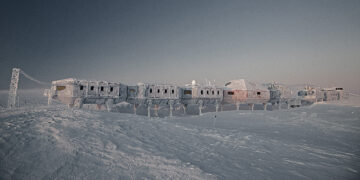
The Brunt Ice Shelf is home to British Antarctic Survey’s Halley Research Station – which was re-located in 2017 to avoid the cracks that led to the iceberg calvings.
RIFT-TIP combines field data, lab testing and computer modelling to understand what controls the ice just before it fractures and breaks. The work will improve predictions of when and how icebergs break away.
Iceberg calving is the main way ice shelves lose their mass. It is a natural phenomenon, but as Antarctica responds to climate change more icebergs could calve. This could allow more glaciers to flow into the sea, contributing to sea level rise.
Better knowledge of fracture growth in the ice also helps assess risks to polar research stations, infrastructure and ecosystems.
RIFT-TIP uses several approaches to study ice fracture:
The project aims to:
RIFT-TIP is a Natural Environment Research Council funded project.
It brings together glaciologists and geophysicists.
Fieldwork takes place near Halley Research Station, with laboratory testing in Cambridge.
The objectives form a clear pathway to predicting the temporal evolution of large fractures in ice, not previously possible.
The work is designed to bridge the gap between small-scale laboratory observations, and regional-scale ice dynamics.
Lifetime of Halley Glaciologist

Ice Sheet Modelling
Glacier Geophysicist

Palaeoclimatolgist IMP3
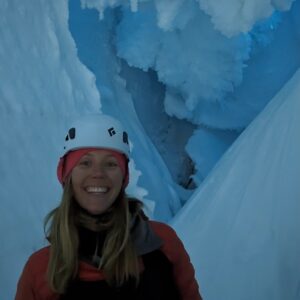
Ice Fracture Geophysicist
Whether it’s bubbles of ancient air, microscopic creatures, or the rumble of an impending ice quake – there’s more hidden in Antarctica’s vast polar desert than meets the eye. Ice […]
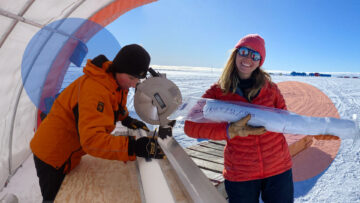
Understanding what is going on inside an ice shelf is important for many reasons. But mostly, it allows us to better understand their contribution to sea level rise, and to […]
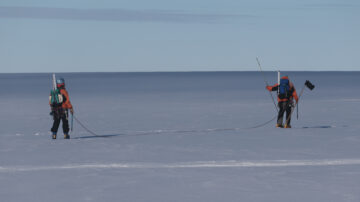
Scientists are a step closer to being able to predict when large icebergs will calve in Antarctica.
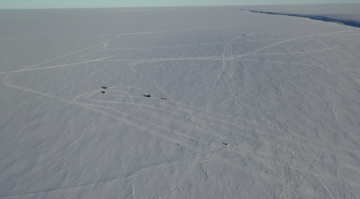
A team of scientists from the British Antarctic Survey (BAS) is gearing up for an expedition to the Brunt Ice Shelf in Antarctica to unravel the mysteries behind the calving processes that result in the formation of colossal icebergs.
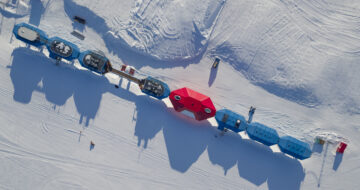
The Antarctic field season has started, with over 600 people beginning the journey South to work on over 60 projects on station and in the field.
Halley Research Station is globally significant for observing the Earth, its atmosphere, and space weather.
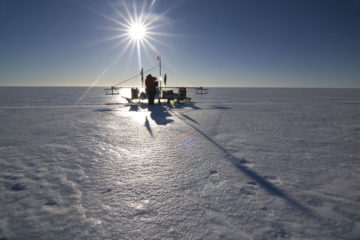
Research teams use phase-sensitive radars for determining ice shelf basal melt rates. Data is used to enhance climate models.
UK national facility and capability