Science Leader IMP 1
BAS Science Strategy Executive Group, Space Weather and Atmosphere team, Leadership teams, BAS Executive team

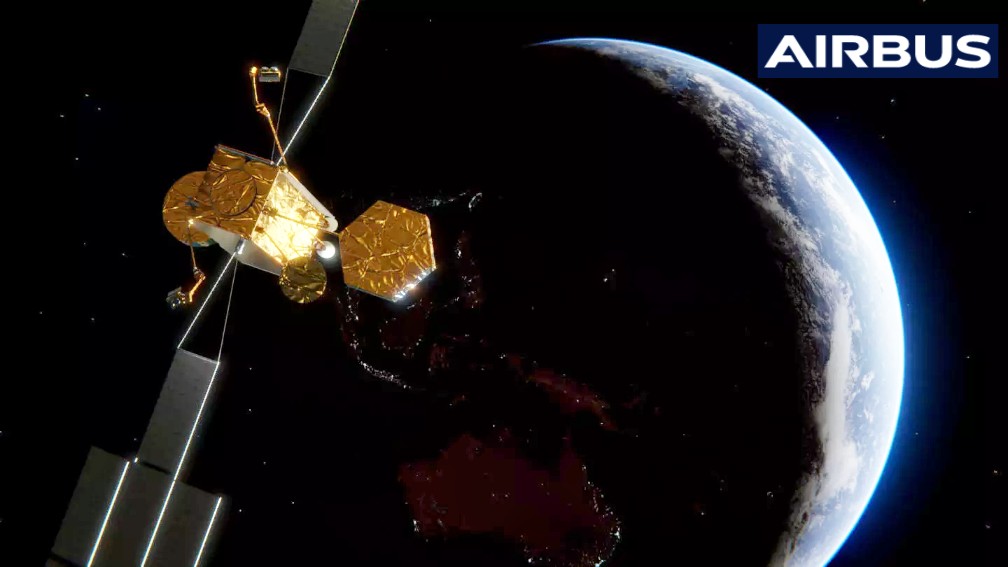
Radbelt-DA applies data assimilation techniques, like those used in weather forecasting, to British Antarctic Survey’s radiation belt model (BAS-RBM). This improves reconstructions of past conditions and forecasts of radiation belt activity.
The project helps satellite operators determine whether a satellite outage is caused by space weather.
The Earth’s radiation belts are regions where high-energy charged particles are trapped by Earth’s magnetic field. They extend beyond geostationary orbit and can damage satellites.
It can be easy to forget just how crucial a role satellites play in all our lives. They enable the global communication, navigation, weather forecasting, scientific research, and security systems that we rely on every day.
During high solar activity, radiation levels can rise sharply. This can cause satellite service outages and in rare cases, satellite loss.
The BAS-RBM can reconstruct past events and forecast radiation levels up to one day ahead.
These forecasts are available through the European Space Agency and are used by satellite operators, designers, and insurers.
Radiation Belt Data Assimilation:
The project is a collaboration between:
It is funded by the Defence Science and Technology Laboratory.
The goal of the Radbelt-DA project is to apply data assimilation techniques used in weather forecasting to the BAS radiation belt model (BAS-RBM). This will enable much better reconstructions of the radiation belts, and better forecasting skill. It will provide satellite operators a better information to decide if a satellite outage is due to a space weather event.
To achieve this goal, we have set three objectives:
The work includes analysis of satellite data and using the BAS radiation belt model (BAS-RBM) to simulate events on a global scale.
Science Leader IMP 1
BAS Science Strategy Executive Group, Space Weather and Atmosphere team, Leadership teams, BAS Executive team

Radiation Belt Modeller