
Signy Island Science Manager

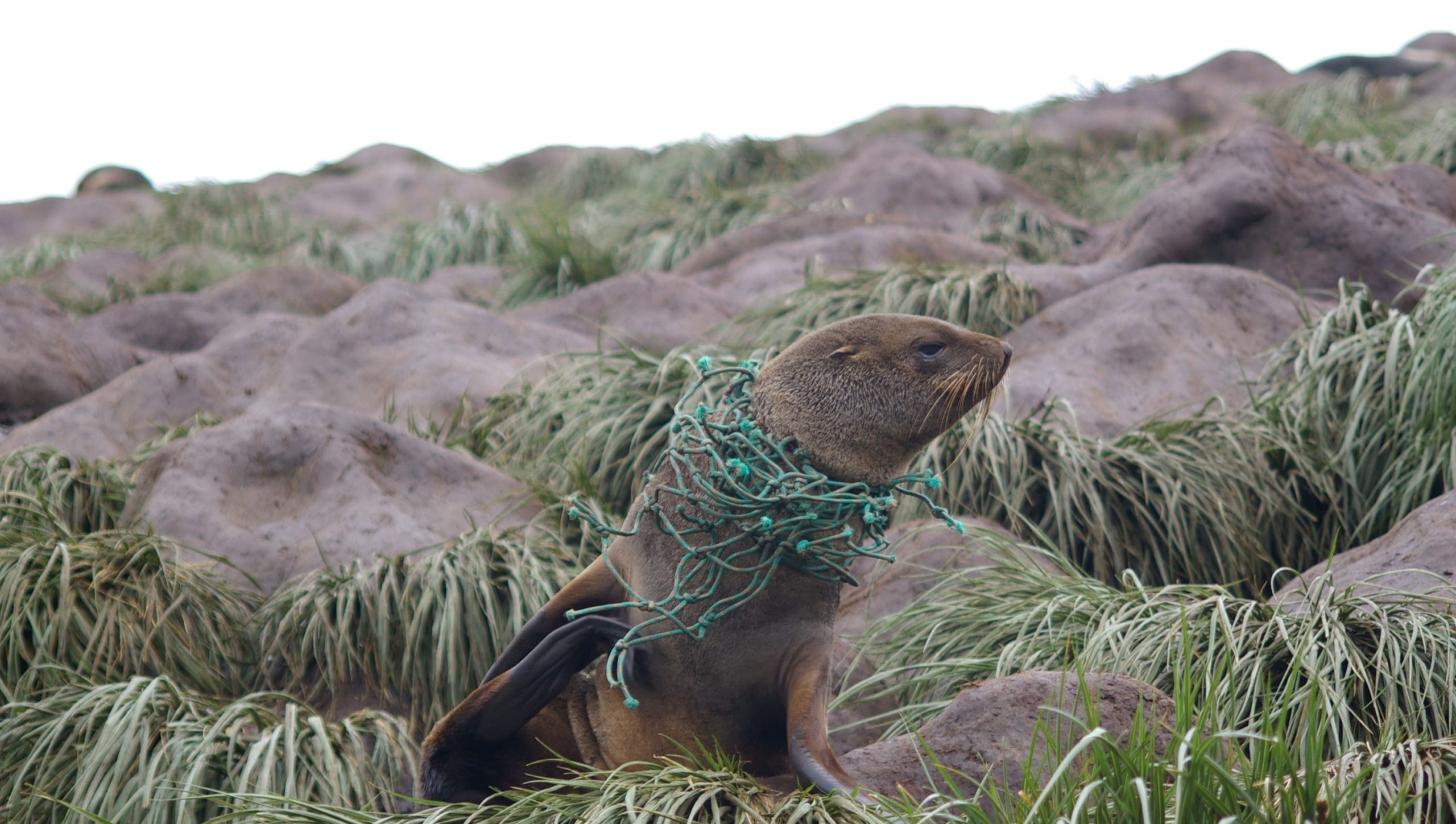
This project monitors the impact of marine plastics and debris on seabirds in the Antarctic and sub-Antarctic. Research is based at Bird Island Research Station.
Scientists have collected data on plastics and other human-related debris since the summer of 1992/93. Small but persistent amounts have been found in 12 species of seabirds. Items include fishing lines, squid jigs, floats, wrappers, bags, and bottle tops. Birds likely mistake these items for prey while foraging at sea.
Most debris is recorded in wandering and grey-headed albatrosses. These birds forage across vast areas of ocean. Some debris, such as hooks and fishing lines, likely comes from demersal longline vessels operating on the Patagonian Shelf. The exact countries responsible are not known.
Plastic pollution is a major threat to seabirds and marine mammals. Birds ingest or become entangled in debris, reducing health, reproduction, and survival.
Measuring the scale and types of debris helps design conservation strategies. This knowledge supports efforts to reduce human impacts on vulnerable wildlife.
Since the 1980s, Antarctic fur seals have been found entangled in packaging bands, synthetic lines, and fishing nets. The number of affected animals is small. However, entanglements have declined thanks to laws banning plastic disposal at sea and better waste management.
Researchers at South Georgia and the South Orkney Islands actively remove entanglements. These actions save animals that would otherwise die.
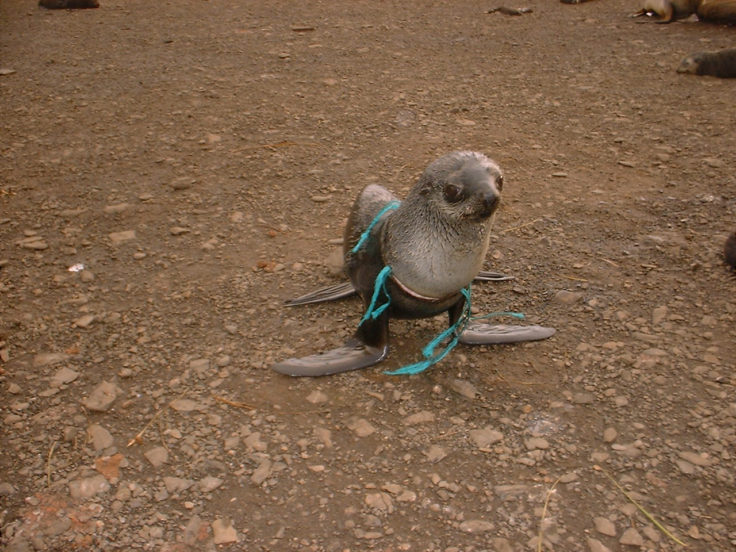
Young Fur Seal entangled in plastic debris
At Main Bay, Bird Island, debris has been monitored year-round since 1989. More than 9,000 items have been recovered. Ninety-four percent are plastic, including Styrofoam, fishing gear, and packaging.
At Signy Island, summer beach surveys began in 1996 at Foca Cove, Cummings Cove, and Starfish Cove. More than 1,800 items have been collected, mostly plastic packaging and fishing equipment.
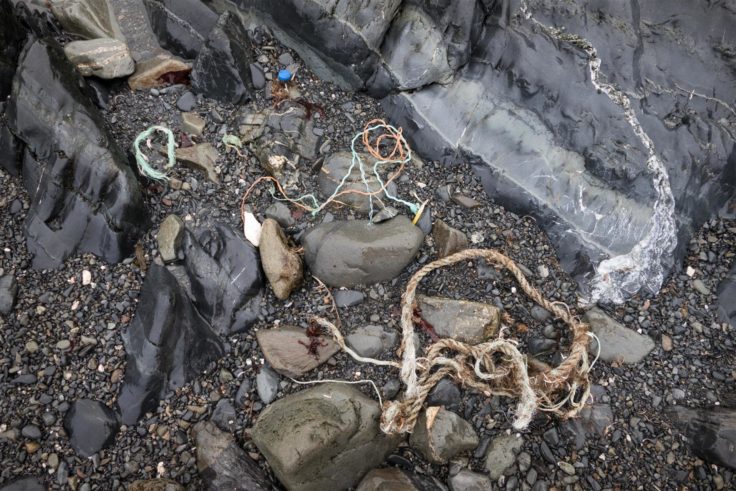
Plastic debris on Main Bay beach at Bird Island
The project is led by scientists at Bird Island Research Station and other BAS Antarctic and sub-Antarctic stations.
It also works with international conservation and research organisations.
This long-term monitoring study aims:
Signy Island Science Manager
Seabird Ecologist Deputy Science Leader IMP 3

Data Analyst
E Fellow
New study of plastics in the Antarctic Peninsula, South Georgia and the Sandwich Islands
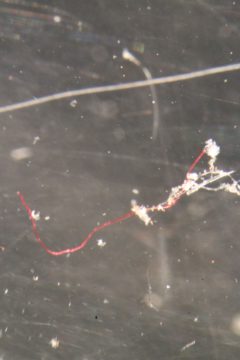
Food wrapping, fishing gear and plastic waste continue to reach the Antarctic. Two new studies into how plastic debris is reaching sub-Antarctic islands are published in the journal Environment International. […]
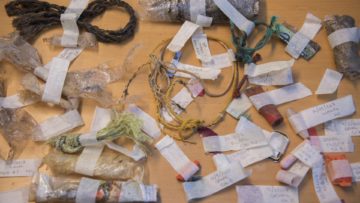
Blue Planet II – the nature documentary that explores the deepest and darkest realms of the world’s oceans – is back on the BBC some 16 years after it was […]
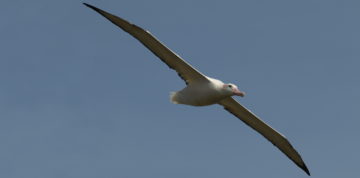
The levels of microplastic particles accumulating in the Antarctic are much worse than expected, a team of experts has warned. The continent is considered to be a pristine wilderness compared […]
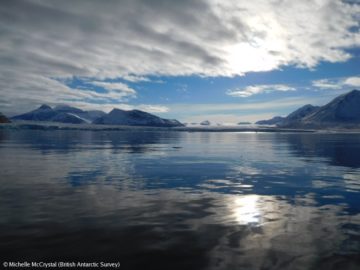
22 April 2002 PR Number 6/2002 Discarded human debris is encouraging colonization of exotic marine animals in the world’s oceans and threatening global biodiversity, particularly in the Southern Ocean. The […]

The Bird Island Research Station focuses on the long-term study of seabirds and seals in one of the world’s richest wildlife sites.
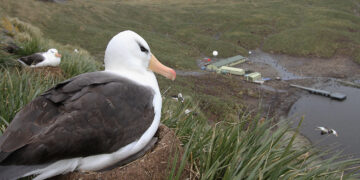
Signy serves as Britain’s window into Antarctic life. This small but vital facility allows biologists to study processes too complex to observe elsewhere.
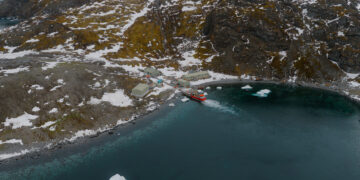
King Edward Point Research Station on South Georgia has been a centre for marine and fisheries research for 25 years.
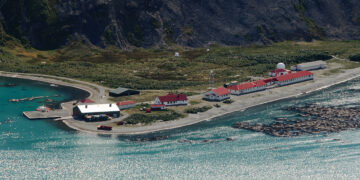
The Aurora Innovation Centre offers a space and support services for interdisciplinary collaboration to tackle environmental challenges and increase real-world benefit of polar research.