Marine Geophysicist

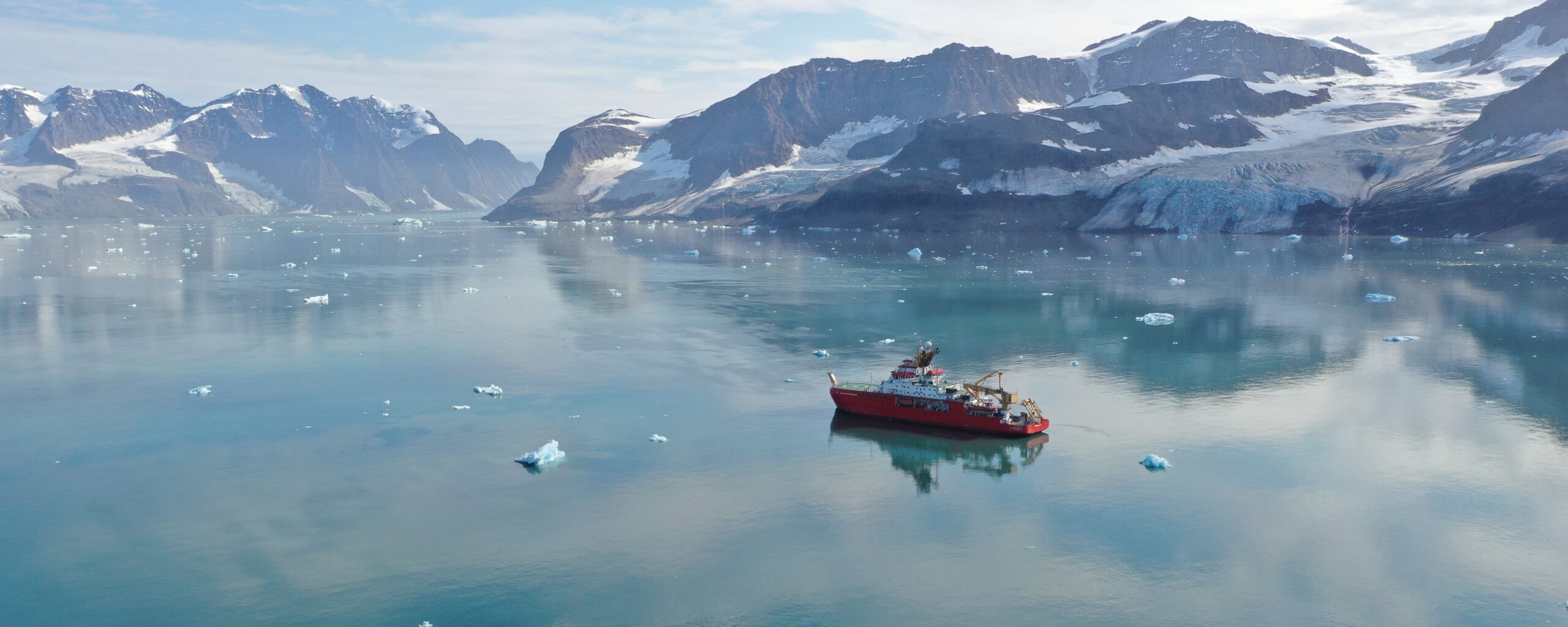
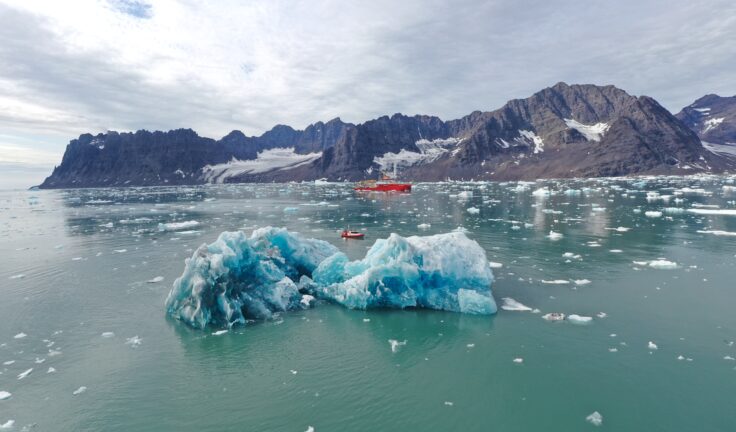
The Greenland Ice Sheet is one of the fastest warming places on Earth. It is losing ice at an accelerating rate due to climate change. Warm ocean waters travel through fjords and meet marine-terminating glaciers, driving melting and iceberg calving. This adds freshwater to the ocean, which alters circulation and ecosystems not only around Greenland but also across the North Atlantic. These changes have the potential to affect UK weather systems.
KANG-GLAC investigates how ice-sheet loss has progressed during past warm periods, and what this means for future ocean circulation and marine productivity, the creation of ocean life through photosynthesis
KANG-GLAC aims to:
Freshwater from melting ice sheets has far-reaching impacts. It influences the strength of ocean currents, nutrient cycling and marine ecosystems. Understanding these links is crucial for predicting how climate change will affect water, food and weather patterns worldwide.
KANG-GLAC is a 3.5-year project led by UK researchers with international collaborators. The team includes experts in glaciology, oceanography, marine biology and climate modelling.
The project uses the UK’s polar research vessel, the RRS Sir David Attenborough, making full use of its state-of-the-art facilities for research and logistics.
The project studies how Greenland’s glaciers, oceans and ecosystems interact by combining three approaches: modern observations, marine sediment cores analysis and computer models.
The team spent six weeks on a research cruise to southeast Greenland, where they collected data about the ocean, marine life and geology. They measured how warm ocean water mixes with melting glacier ice, and how this affects sea life and nutrients in the water today.
They also drilled into the seabed to extract sediment cores and collected samples from the land. These cores act like history books, showing how glaciers, oceans and ecosystems have changed over the past 11,000 years. By comparing what they found in the sediment with their modern measurements, the researchers can check their results are accurate.
They then will use computer models and this new data to understand how Greenland’s ice sheet responded to warmer temperatures in the past. This helps us predict what might happen to the ice sheet as our climate continues to warm.
KANG-GLAC aims to:
These objectives provide vital context for understanding how current and future ice-sheet loss will shape ocean systems and marine ecosystems.
Project co-lead Dr Kelly Hogan said: “Every day we’re seeing in the news how the Arctic is changing, and we know there will be knock-on effects for the rest of the planet.”
“We need to understand how the Greenland Ice Sheet is likely to decay over the coming decades to centuries, and what the subsequent effects will be on both ocean currents and marine food webs. This is now urgent information for us to gather so policymakers can understand what will happen in the North Atlantic and set out appropriate adaptation and mitigation plans.”
Results will be shared through publications, project updates, and collaborations with the wider polar and climate science communities.
Marine Geophysicist
Pelagic Marine Ecologist
Science Leader IMP 3
Observational Oceanographer

Marine Ecologist

TiPES Modeller
Colm Ó Cofaigh (Durham: Co-PI)
Jerry Lloyd (Durham: Co-I)
Dave Roberts (Durham: Co-I)
John Howe (SAMS: Co-I)
Mark Inall (SAMS: Co-I)
Christian März (Bonn: Co-I)
Jochen Voss (Leeds: Co-I)
Marie Porter (SAMS: named researcher)
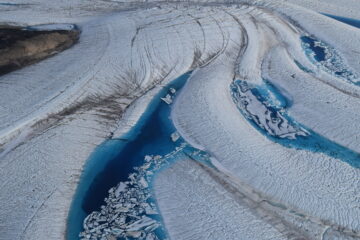
A team will work in south-east Greenland to advance our understanding of the region’s rapidly decaying ice sheet and its impacts on ocean and global climate systems.
Our state-of-the-art polar science ship provides scientists access to remote and challenging marine environments across the Antarctic and Arctic.
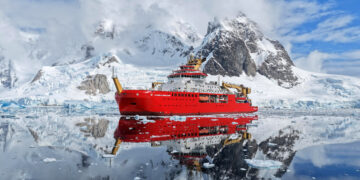
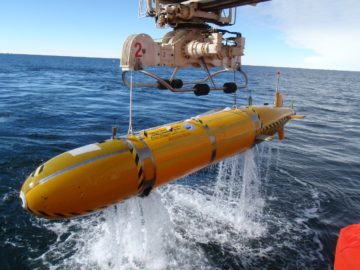
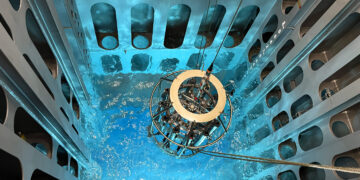
RRS Sir David Attenborough is the first British polar research vessel to feature a scientific moon pool.