
Ice Core Post Doctoral Researcher

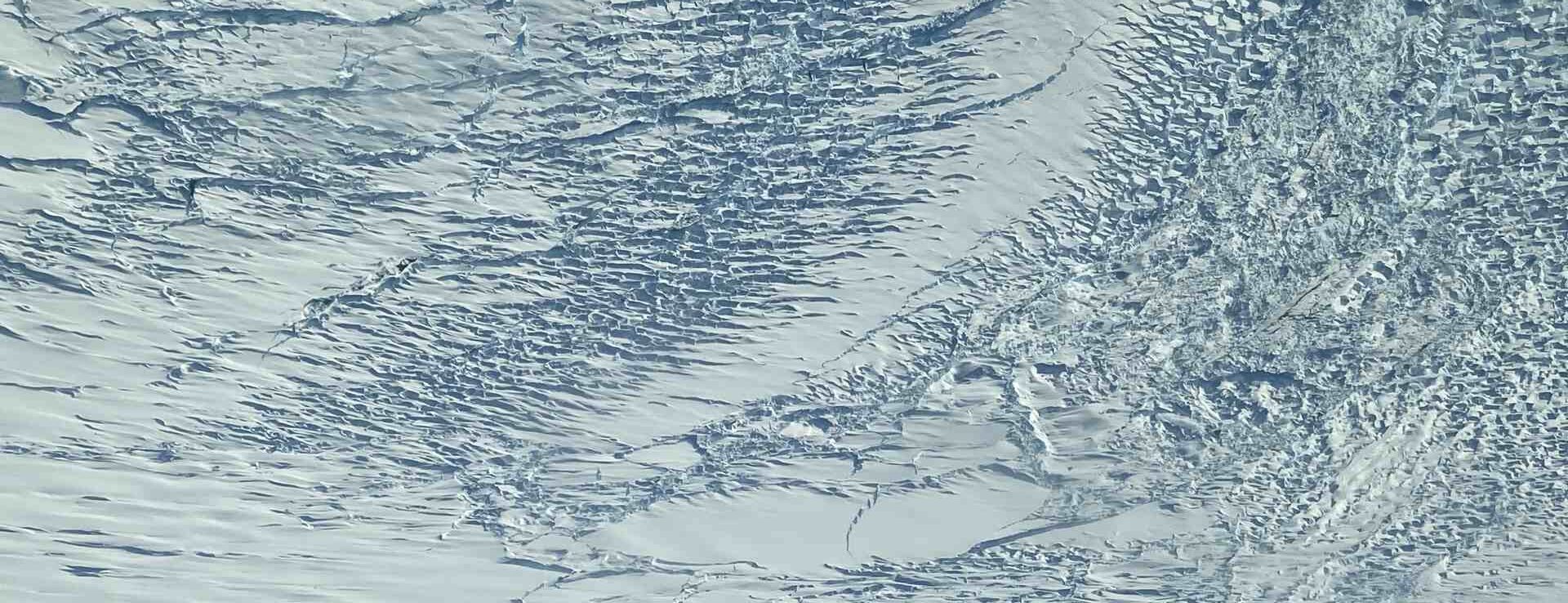
This project maps how much of Antarctica’s ice shelf “sponge” (firn) remains, so we can better predict which shelves are most at risk of contributing to future sea-level rise.
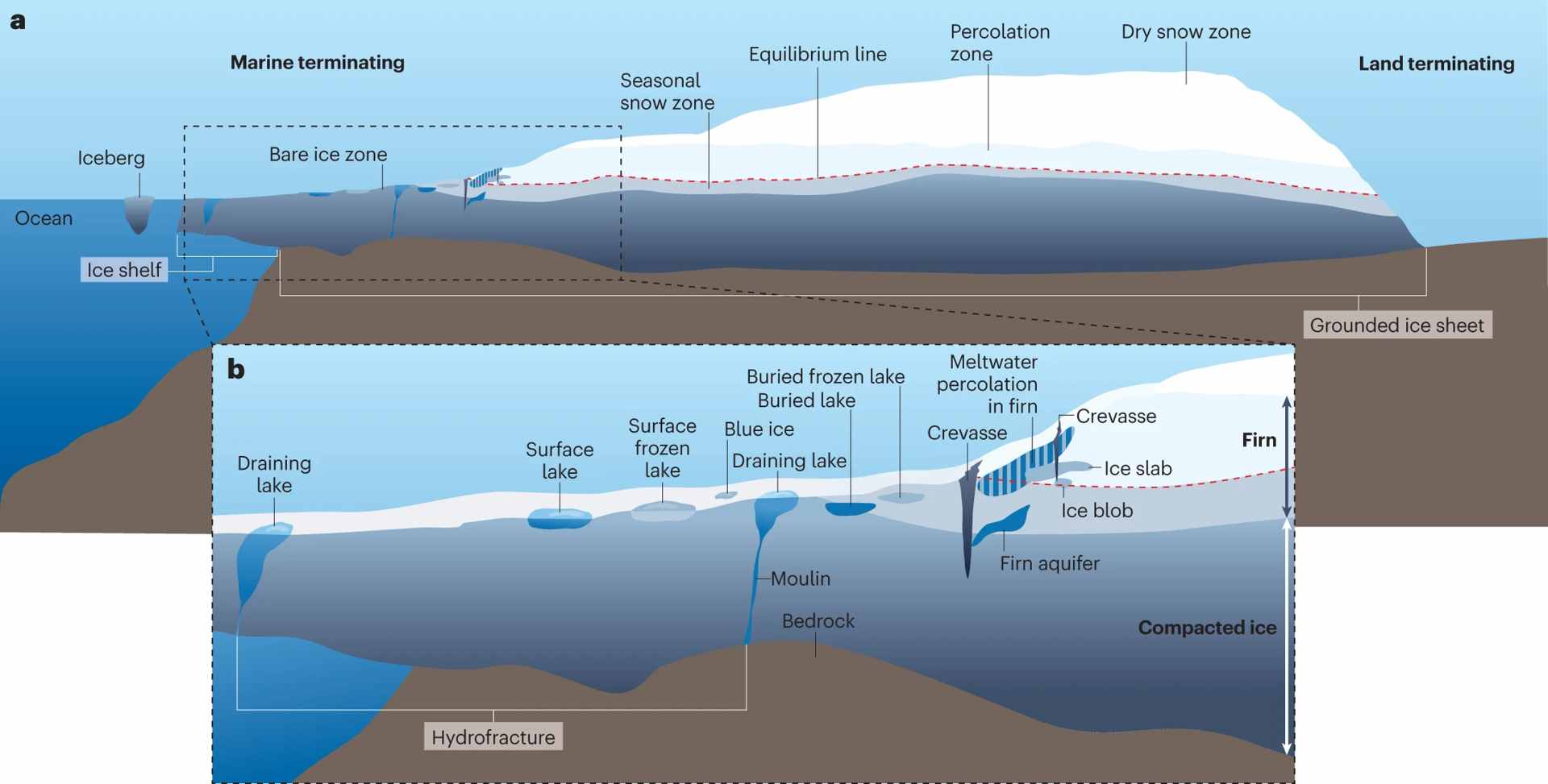
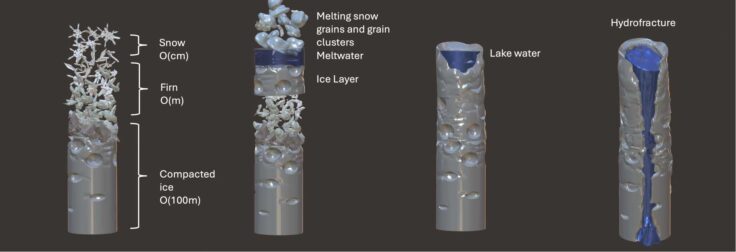
Antarctic ice shelves act like giant brake pads, holding back the ice sheet and slowing its slide into the ocean. Sitting on top of those shelves is a porous layer of compacted snow called firn: a natural sponge that soaks up meltwater and refreezes it, preventing dangerous surface ponds from forming. FIRN-CAISSO asks: how full is that sponge today, and where is it running out?
We combine detailed measurements from firn cores drilled on the George VI Ice Shelf with satellite microwave observations and regional firn models to scale local measurements into a continent-wide picture. The result is a clearer map of where firn can still absorb meltwater and where it can’t. A crucial piece of the puzzle for anticipating ice shelf weakening as the climate warms.
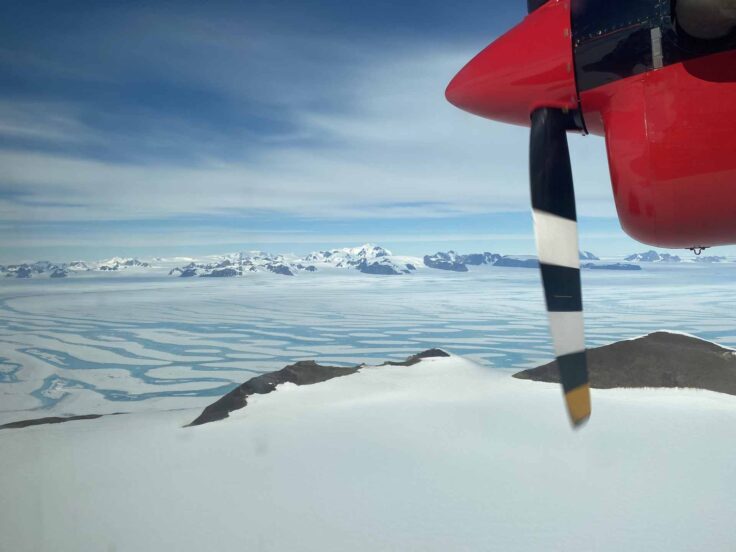
When the firn sponge is exhausted, meltwater can pool on the surface and force its way into cracks, triggering hydrofracture and rapid ice shelf collapse, the same mechanism caused the Larsen B Ice Shelf to break up. Because ice shelves slow the flow of inland ice, their collapse can accelerate ice loss and raise sea levels. By pinpointing where firn storage is already low or likely to decline, FIRN-CAISSO
improves our ability to forecast which regions of Antarctica are most vulnerable, informing coastal planners, policymakers and climate risk assessments.
We blend boots‑on‑the‑ground science with satellite and model power. In the field on the George VI Ice Shelf, our team drills firn cores, digs snow pits and runs Ground Penetrating Radar (GPR). Cores and pits provide direct samples for lab scans of density, grain size, layer structure and traces of refrozen water, while GPR maps layering and layer depths between sites.
Together these observations give a detailed picture of remaining pore space. Back in the lab, those measurements are used to calibrate physics‑based firn models that simulate compaction, melt percolation and refreeze. To expand our reach, we use passive microwave satellite data, which senses surface wetness and structural changes across broad regions, together with models to translate local core measurements into continent-scale maps. The fused dataset lets us estimate current firn air content across ice shelves and run future scenarios to see where the firn sponge will be exhausted first.
Ice Core Post Doctoral Researcher
Palaeoclimatolgist IMP3
Bert Wouters, Delft University of Technology, P
Stef Lhermitte, Delft University of Technology, Co-I
Daniëlle Bintanja, Delft University of Technology, PhD Candidate
Tri Datta, Delft University of Technology, Field Team Member
Rebecca Dell, Scott Polar Research Institute, Collaborator
Femke Vossepoel, Delft University of Technology, Collaborator