Sea Ice Physicist

DEFIANT stands for ‘drivers and effects of fluctuations in sea ice in the Antarctic’.
Extreme changes in sea ice extent highlighted major challenges in prediction and understanding. The project addressed the need to:
Meeting these aims required a large research programme. This included year-round observations and improved climate model processes.
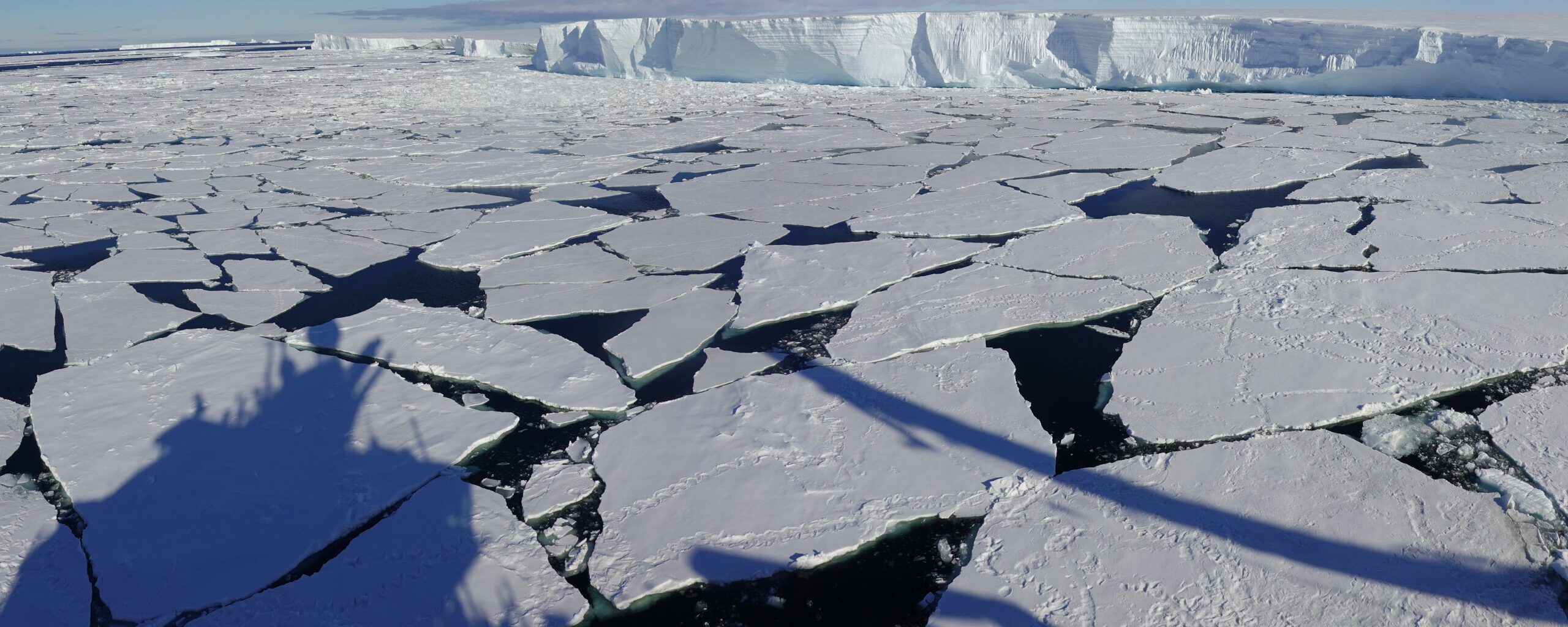
Climate models suggested that Antarctic sea ice extent should decrease as atmospheric CO₂ concentrations rise. Satellite observations showed a different pattern. Between 1979 and 2015, Antarctic sea ice extent increased by around 1.5% per decade.
In 2016, this trend was abruptly interrupted by an unprecedented reduction in sea ice extent. Sea ice later returned close to pre-2016 levels. This highlighted strong year-to-year variability in Antarctic sea ice conditions.
These fluctuations are important for the global climate system. Sea ice affects Antarctic Ice Sheet melting and the uptake of heat and CO₂ by the Southern Ocean.
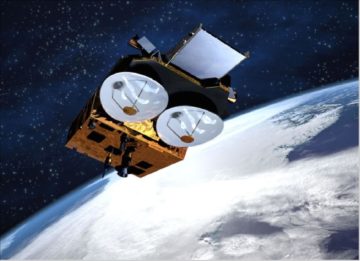
DEFIANT delivered a major observational campaign focused on Antarctic sea ice variability. The project combined data from research ships, stations, aircraft, satellites, and robotic technologies.
Measurements were collected from RV Polarstern, RSS Sir David Attenborough, and BAS’s Rothera Research Station. These were supported by aircraft, satellites, Boaty McBoatface, and on-ice buoys. Together, these observations provided year-round measurements of the atmosphere, sea ice, and ocean.
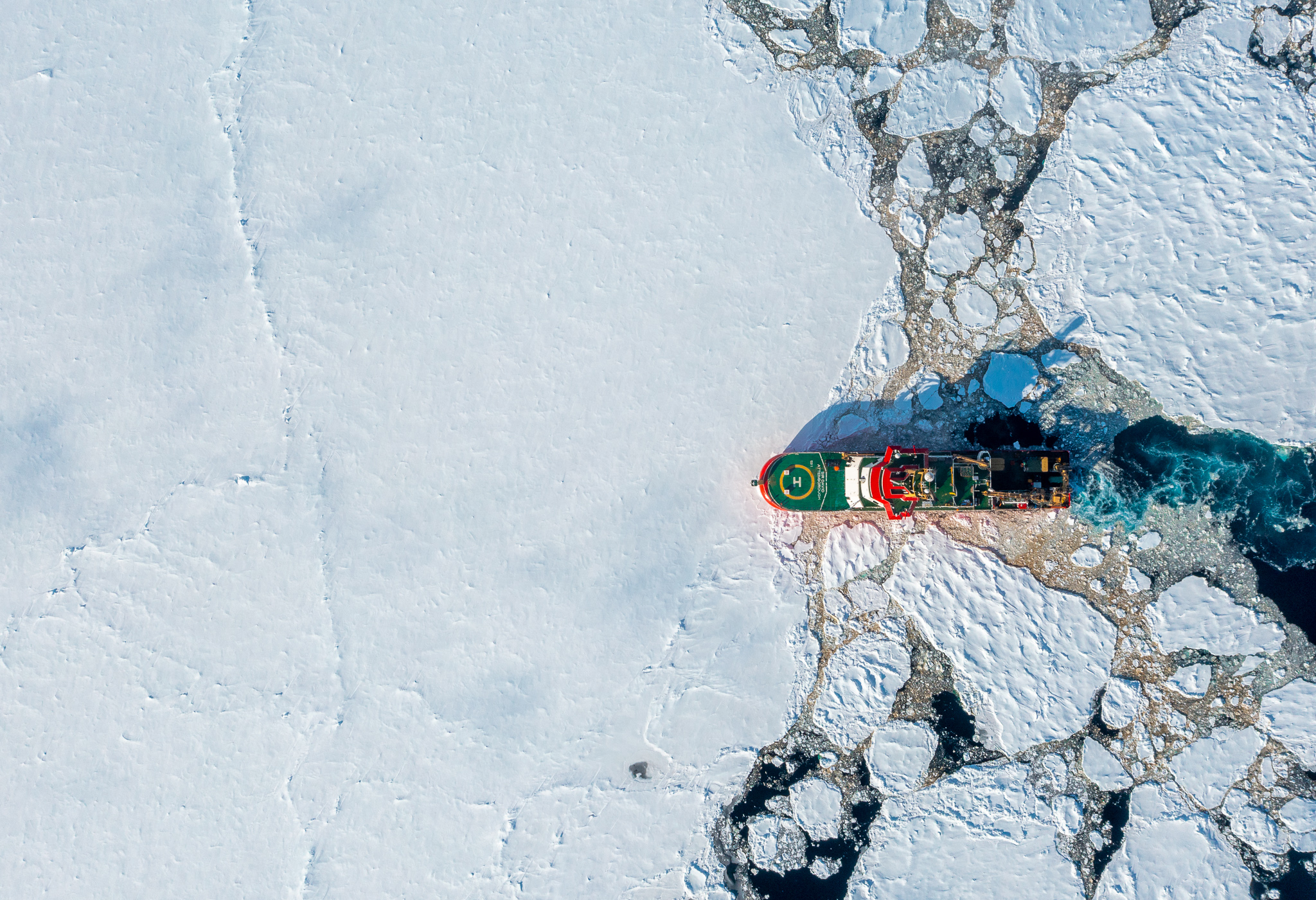
RRS Sir David Attenborough during a sea ice science cruise
The project aimed to:
DEFIANT was funded by the Natural Environment Research Council (NERC), part of UK Research and Innovation (UKRI).
With BAS as its lead institute, the project was co-designed and co-produced by eight UK institutes:
International collaborators included partners from Australia, Canada, Germany, the European Space Agency, India, Norway, Spain, and the USA.
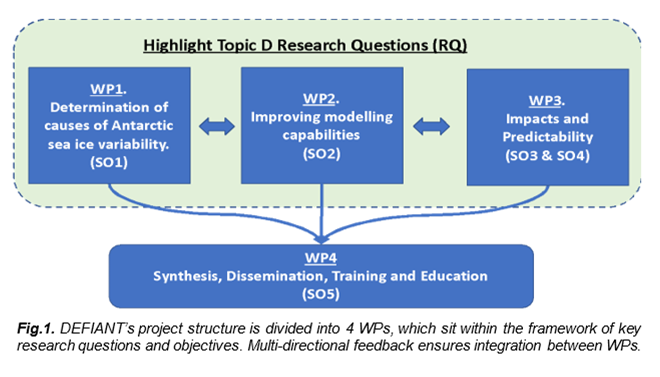
The Specific Objectives (SOs) of DEFIANT are as follows:
SO1: Identify the atmospheric and oceanic processes that caused the 2016 rapid decline in Antarctic sea ice.
SO2: Improve the physical representation of the processes responsible for historical changes in Antarctic ice, ocean, and atmosphere models, including the decadal growth and recent collapse.
SO3: Identify the short-term (<10 years) effect of the sudden decrease in Antarctic sea ice on global oceanic circulation patterns using model simulations with improved physics.
SO4: Combine historical observations and model predictions to assess whether enhanced variability and loss of sea ice constitute a new normal and examine the implications for exchange and redistribution of heat and CO2 over decadal timescales.
SO5: Synthesise advances from above SOs, disseminate knowledge gained and deliver new climate modelling tools.
Delivery plan
Achieving our SOs requires a substantial, multi-disciplinary delivery plan, and extensive international cooperation. The DEFIANT team will (i) perform observations of governing processes to develop an enhanced process-level understanding of sea ice variability, especially in relation to the 2016 extreme event; (ii) deliver better representation of the underlying physics of these governing processes into models; (iii) provide more accurate predictions, through model enhancement, calibration and validation, of short-term (<10 years) impacts of sudden sea ice loss on global oceanic circulation patterns, and long-term (>10 years) implications for exchange and redistribution of heat and CO2; and (iv) spread our new knowledge and modelling tools to the widest possible audience.
The SOs are achieved through four interlinked Work Packages (WPs). Within WPs1-3 we address the key research questions and each WP’s closing task is a synthesis of the knowledge gained. This information feeds into WP4, which focuses on synthesis, dissemination, and training and education. A significant WP4 output is the delivery of a White Paper that summarises the state of knowledge on Antarctic sea ice, including the impacts of sudden reductions in ice extent. This will provide a comprehensive follow-up to the US NAS workshop on Antarctic sea ice.
Sea Ice Physicist
Programme Support Manager

Independent Research Fellow

Polar Climate Scientist
Sea Ice Physicist
Science Leader IMP 2

Atmosphere Ice and Climate Dep Science Leader

Observational Oceanographer

Director
BAS Science Strategy Executive Group, Leadership teams, BAS Executive team
Dr Robbie Mallett is a sea ice scientist, currently over-wintering at Rothera Research Station in Antarctica as part of an eight-month research campaign for the NERC DEFIANT project. Robbie explains the […]
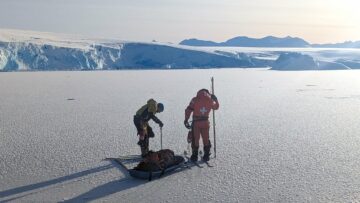
The 2022/23 Antarctic field season has ended, marking the conclusion of another successful year of scientific exploration in one of the world’s most remote and challenging environments. This field season, […]
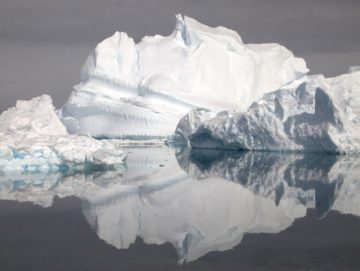
An ambitious flying campaign out of British Antarctic Survey’s Rothera Research Station over the Weddell Sea this month (December) aims to calibrate the data collected from two important satellites that […]