Science Leader - IMP 3
BAS Science Strategy Executive Group, Palaeo Environments, Ice Sheets and Climate Change team

This project monitors glaciological changes on the Brunt Ice Shelf, home to Halley Research Station.
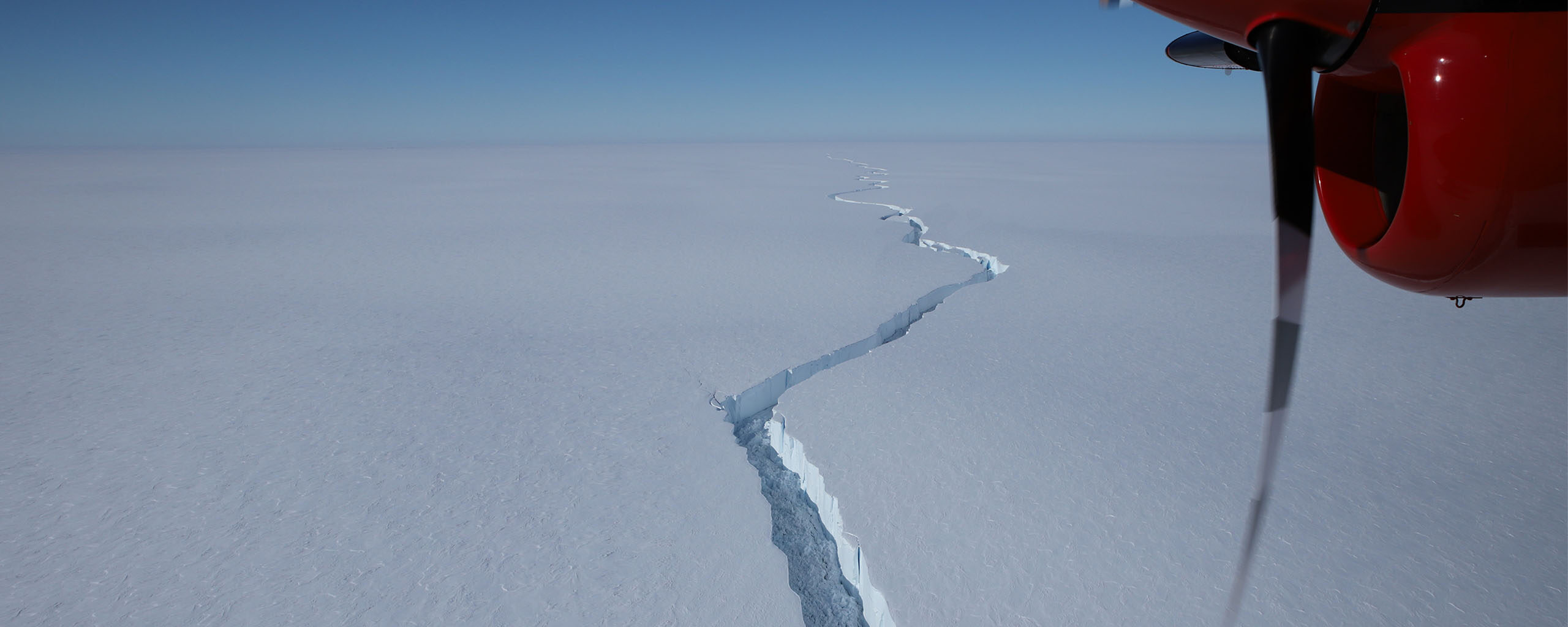
The ice shelf is around 150 metres thick. Scientists classify very large cracks that go all the way to the sea as “chasms”. Narrower cracks of indeterminate depth are called crevasses.
The project uses a combination of in situ instruments, satellite imagery, drones, and numerical models. The aim is to track ice shelf changes and assess risks to operations and infrastructure.

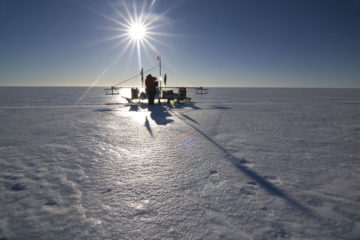
GPR (Ground Penetrating Radar) survey on the Brunt Ice Shelf
In 2012, satellite monitoring revealed movement in Chasm 1, which had been dormant for at least 35 years. Chasm 1 continues to grow, impacting the safety and operation of Halley VI. In 2016/17, the research station was successfully relocated to a safer area.
In October 2016, a new crack called the ‘Halloween Crack’ appeared 17 km north of the station. It crosses the route sometimes used to resupply Halley. Together, Chasm 1 and Halloween Crack form a complex glaciological situation. The final outcome is uncertain. Station closure during recent winters has been a precautionary measure when evacuation would be difficult.
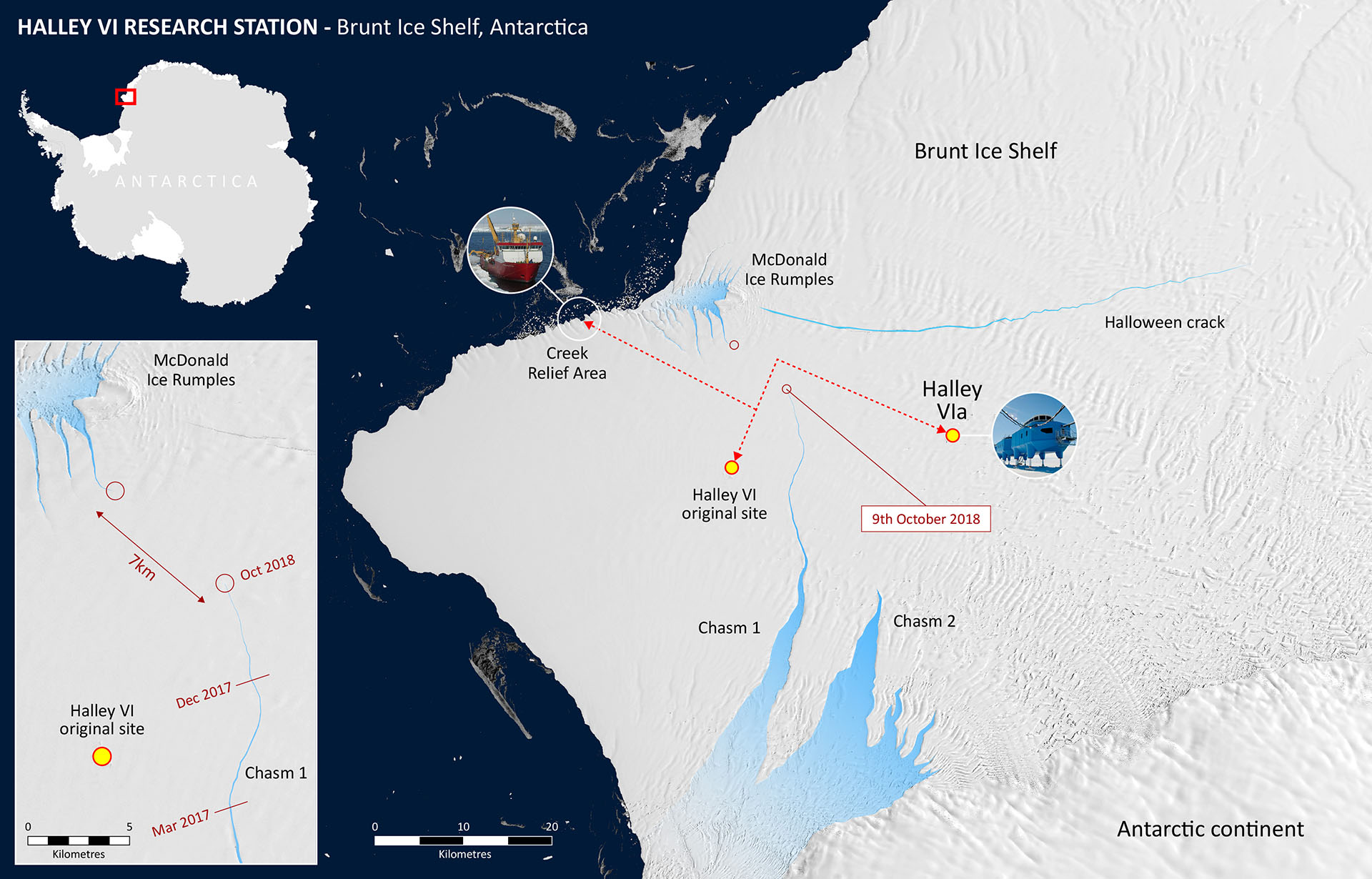
Brunt Ice Shelf, Antarctica
The Brunt Ice Shelf is one of the most closely observed ice shelves on Earth. A network of 15 GPS instruments records ice deformation daily. Satellite images from Copernicus Sentinel 1 & 2, NASA Worldview, Landsat 8, and TerraSAR-X track rift tips and ice velocity. Ground-penetrating radar and drone footage provide detailed measurements of crack growth.
Data from these sources are used in computer models and bathymetric maps to predict iceberg calving. The Autonomous phase-sensitive Radio Echo Sounder (ApRES) provides the primary early warning system. It measures the width of Chasm 1 every two hours and informs daily station operations.
A major calving event is likely as Chasm 1 approaches the McDonald Ice Rumples. The ice shelf’s future depends on the chasm’s trajectory. If it moves upstream of the rumples, the ice shelf could detach from the bed. If it moves downstream, the ice shelf remains structurally intact.
Ground truthing and field surveys
Glaciologists use ice-penetrating radar to map Chasm 1 and estimate its likely path and speed. They continuously monitor cracks and crevasses using radar, GPS, and satellite imagery. The 2018/19 field season updated estimates for Chasm 1 growth. Routes previously used to resupply Halley are avoided as new cracks emerge.
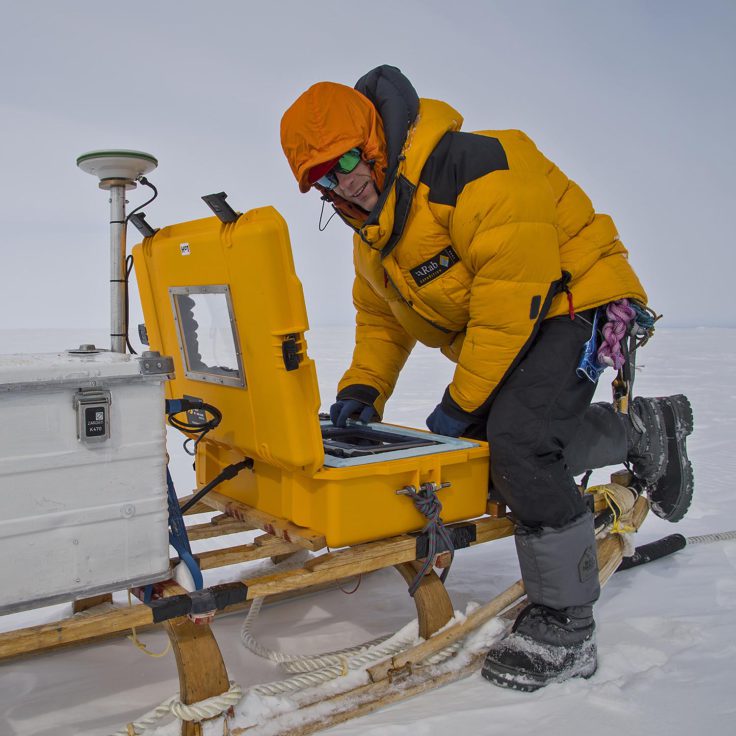
BAS Scientist checking the data recording during a GPR survey on the Brunt Ice Shelf
The project aims to:
British Antarctic Survey leads the monitoring program. Teams include glaciologists, technical staff, and operational support at Halley Research Station. They work closely with satellite data providers and modelling experts.
The aim of this project is to provide the best scientific intelligence to:
The future of the ice shelf depends on the trajectory of Chasm 1. If it progresses upstream of the McDonald Ice Rumples (MIR), the ice shelf could become structurally detached from the bed. The alternative is that Chasm 1 progresses downstream of the pinning point at the ice rumples, the ice shelf remains in contact with the bed, and retains its structural integrity. To provide scientific evidence for an assessment of the future stability of the ice shelf and its infrastructure BAS researchers will:
Science Leader - IMP 3
BAS Science Strategy Executive Group, Palaeo Environments, Ice Sheets and Climate Change team
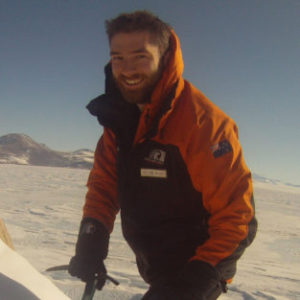
Lifetime of Halley Glaciologist
Six thousand miles from home, on a shelf of ice that moves, cracks and occasionally breaks away, British scientists have been keeping watch for seventy years.
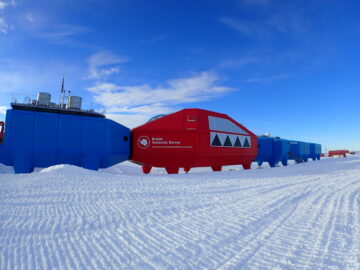
Neil Brims is the Electrician at Halley VI Research Station. In our latest blog, find out what life is like at Halley and how it feels to live at the […]
The Antarctic field season has started, with over 600 people beginning the journey South to work on over 60 projects on station and in the field.
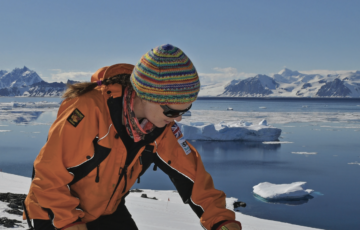
Following the calving of the A-81 iceberg at the end of January 2023, the Brunt Ice Shelf is moving faster than before. It is currently moving approximately 4 metres a day towards the sea, whereas before the calving it moved at an average of between 1-2.5 metres a day.
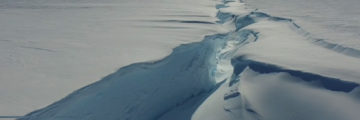
ANTARCTICA – 13 March 2023. British Antarctic Survey (BAS) has released the first aerial pictures of the massive A81 iceberg that calved from the Brunt Ice Shelf in late January. […]
Science and support teams from British Antarctic Survey (BAS) are gearing up for the start of the Antarctic summer field season. All five of our research stations will be open […]
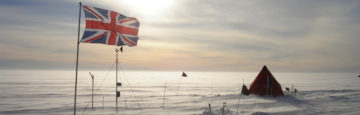
A huge iceberg (1270 km²) the size of the county of Bedfordshire has broken off the 150-m thick Brunt Ice Shelf, almost a decade after scientists at British Antarctic Survey […]
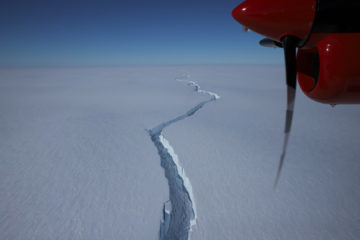
Getting ready to go south
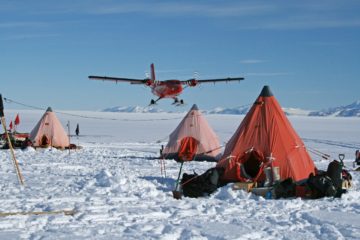
British Antarctic Survey (BAS) Halley VI Research Station has closed for the 2019 Antarctic winter after a successful summer field season. It will re-open again in November this year. The […]
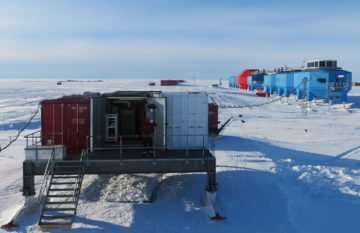
Halley opens for 2018 summer field season
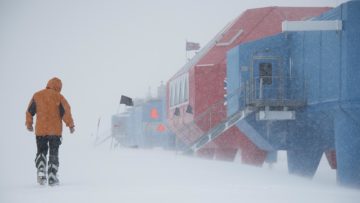
British Antarctic Survey (BAS) has decided, for safety reasons, that it will close its Halley VI Research Station during the 2018 Antarctic winter. This will be the second time that […]
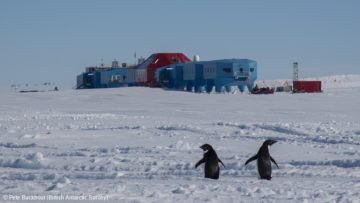
British Antarctic Survey (BAS) has successfully relocated Halley VI Research Station to its new home on the Brunt Ice Shelf. Operational teams have spent the past 13 weeks moving each […]
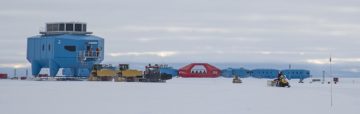
British Antarctic Survey (BAS) has decided not to winter at Halley VI Research Station for safety reasons. The station, which is located on the floating Brunt Ice Shelf in Antarctica, […]
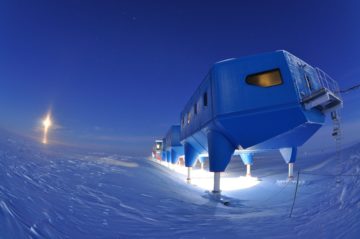
British Antarctic Survey is getting ready to move its Halley VI Research Station 23 km across the ice. This is the first time that the station, which has a re-locatable […]
Halley Research Station is globally significant for observing the Earth, its atmosphere, and space weather.
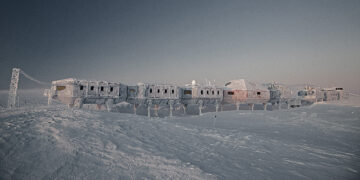
Discover the UK’s national capability to support science from the air
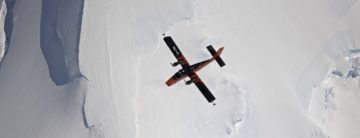
Research teams use phase-sensitive radars for determining ice shelf basal melt rates. Data is used to enhance climate models.