The science mission
Exploring the climate history of the East Antarctic Ice Sheet and the geological structure and evolution of the Gamburtsev Subglacial Mountains were the primary goals of this flagship International Polar […]


265 to 276 of 303 results
Exploring the climate history of the East Antarctic Ice Sheet and the geological structure and evolution of the Gamburtsev Subglacial Mountains were the primary goals of this flagship International Polar […]
This project attempts to reconstruct changes in the intermediate-deep ocean density gradient in the South Atlantic across the last deglaciation in order to assess the link between deep ocean stratification and atmospheric CO2.
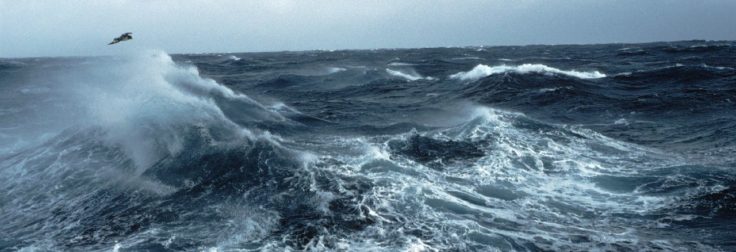
This project examines Antarctic sea-ice’s role in global climate, using marine sediment and ice core records to reconstruct past sea-ice extent.
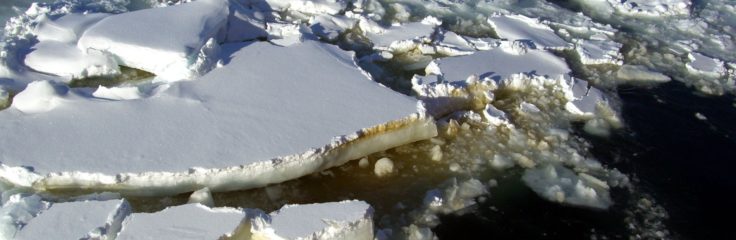
Research project investigating how shifting southern westerly winds drive warm Circumpolar Deep Water onto the West Antarctic Peninsula shelf, accelerating glacier melt, reducing sea ice, and transforming marine ecosystems.
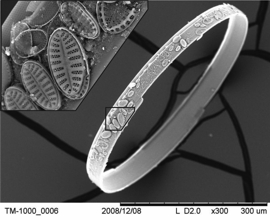
By studying the geochemistry of deep marine sediments recovered from the Southern Ocean sea floor, this research aims to establish the extent of this reorganisation of deep water circulation, and to better understand its potential impacts on past climate.

What can surface exposure dating tell us about ice sheet history? Information on the shape and size of the Antarctic Ice Sheets over the past 20,000 years is contained within […]
A new drill (the Rapid Access Isotope Drill, or RAID) is being developed by BAS which, rather than collect a full ice-core, this drill will chop up the ice and will allow collecting ice chippings.
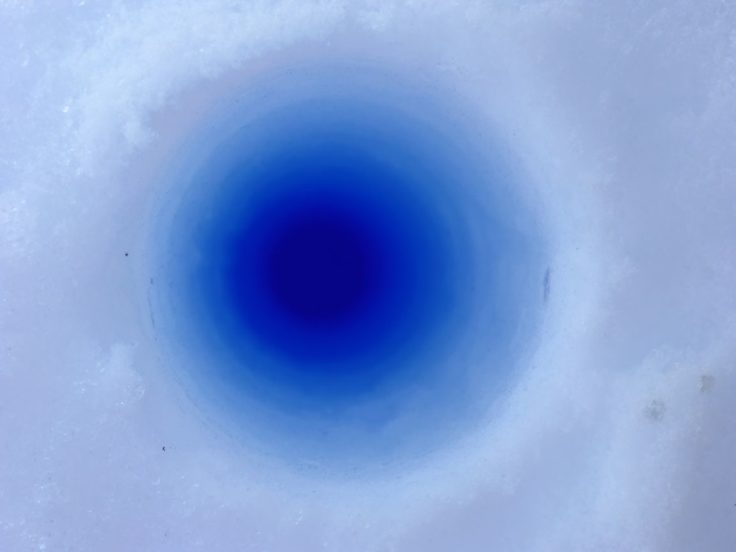
By exploiting advances in ice sheet modelling, and new Antarctic-wide datasets, this project aims to predict how far and how fast the observed ocean-driven thinning of floating ice shelves will propagate into the interior of the Antarctic ice sheet, and assess the consequences for global sea level over decadal-to-centennial timescales.
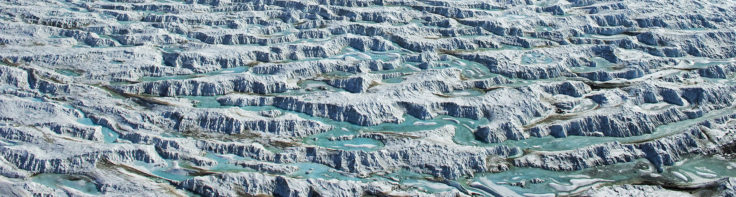
The ice sheet modelling group integrates observational data with dynamical models to improve our representation of how the ice flows beneath the surface, and to reveal how the shape and flow of the Antarctic ice sheet has changed in the past.

This project used ice cores drilled across the Antarctic Peninsula and West Antarctica to reconstruct past climate and understand whether the recent warming in these rapidly changing regions is unusual over longer timescales..
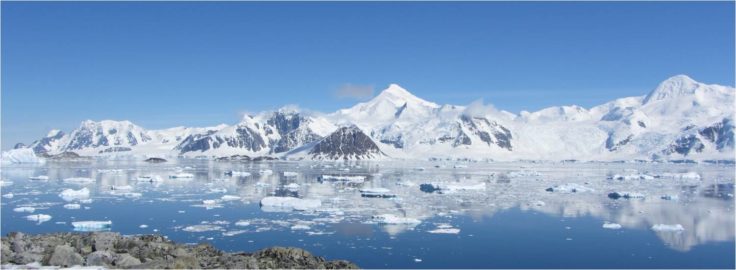
This project studies the last Interglacial (129-116 thousand years ago, ka) when CO2 and global temperature were both higher than they were before human industrialisation. By examining Last Interglacial climate, we can gain insights into climate processes and feedbacks close to those expected by the end of the 21st century.
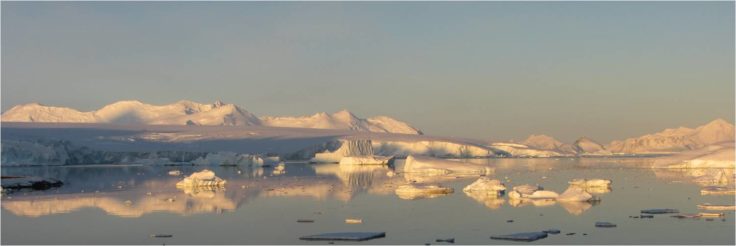
Why does global biodiversity show such a steep increase just as climates were deteriorating?