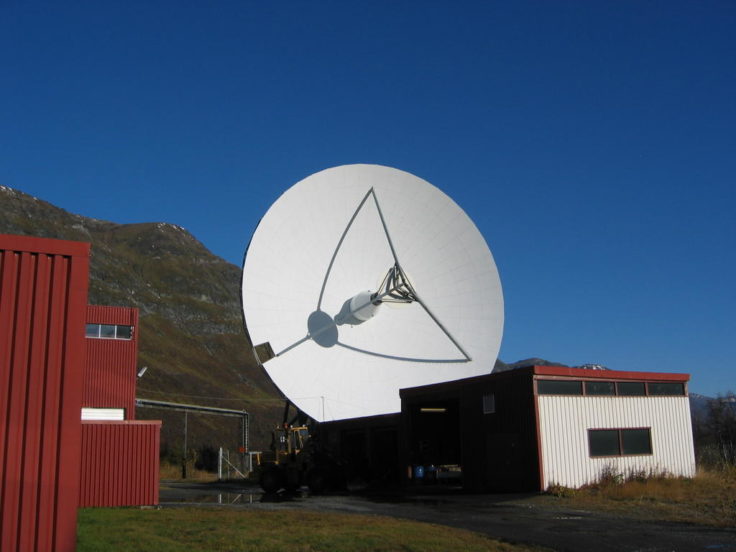
Oceanographic models for the Scotia Sea
Development of regional models to examine the detailed oceanography of island shelves and surrounding regions.

217 to 228 of 303 results
Development of regional models to examine the detailed oceanography of island shelves and surrounding regions.
DynOPO investigated the flow of Antarctic Bottom Water through the Orkney Passage, a submarine valley connecting the Atlantic Ocean to the Weddell Sea. The project tested whether winds over the Weddell Sea regulate the volume and temperature of this deep, cold water mass by altering turbulent mixing.
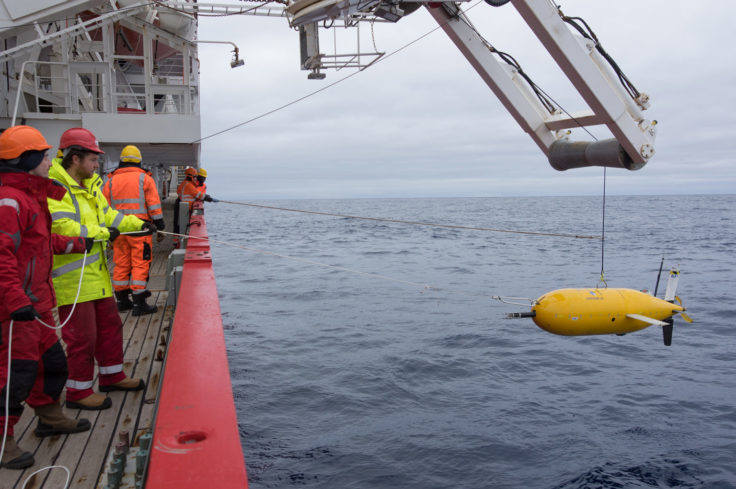
A research project studying temperature tolerances of over 20 Antarctic marine invertebrate species at Rothera Research Station.
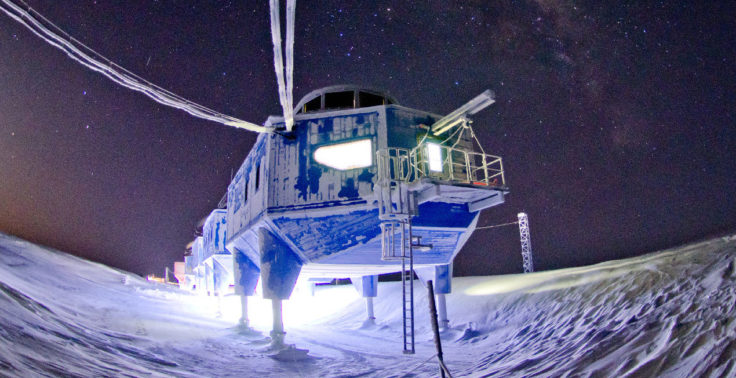
In 2017 Antarctica’s first re-locatable research station was moved successfully 23 km inland to avoid the path of large cracks in the ice
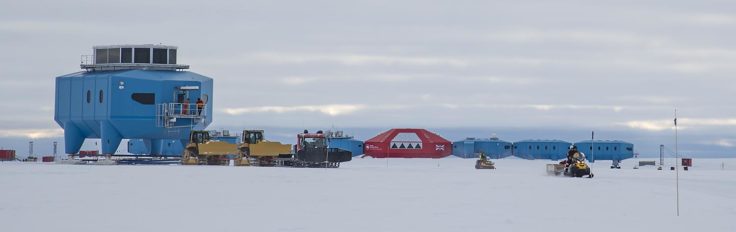
Using Antarctica as a ‘platform’ for simulating certain aspects of a manned spaceflight mission, this project will investigate how living in an isolated community during 24-hour winter darkness affects the health of Halley staff and their and ability to perform specific problem-solving functions.
Understanding how the external skeleton changes in response to environmental pressures is helping us predict how a major part of the marine ecosystem (molluscs make up 23% of all marine species) will fare under climate change.
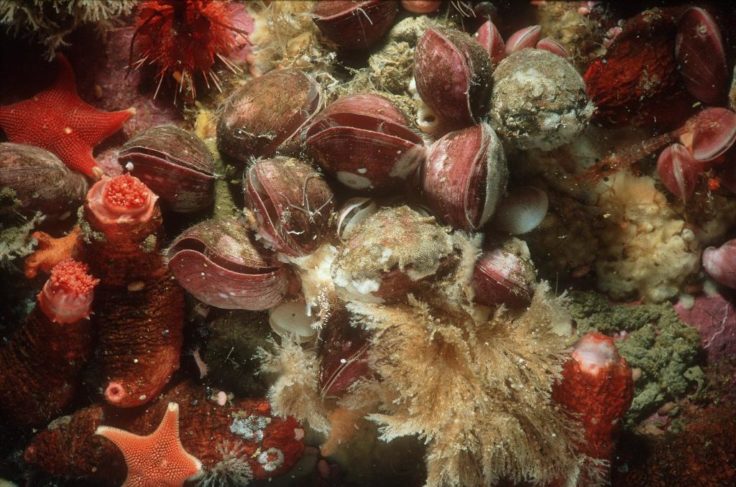
Reproductive capacity and success of marine animals
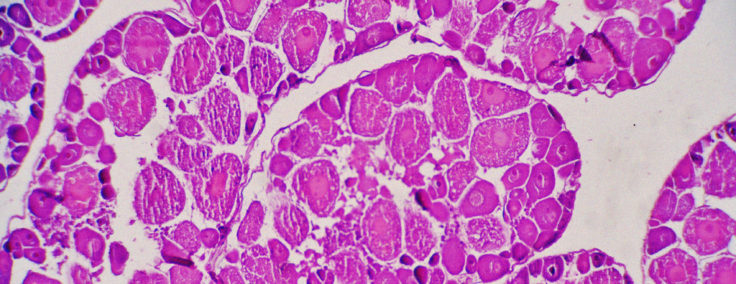
Dynamic Live Cell Imaging investigated how Antarctic marine organisms, particularly fish, function at temperatures below 0°C
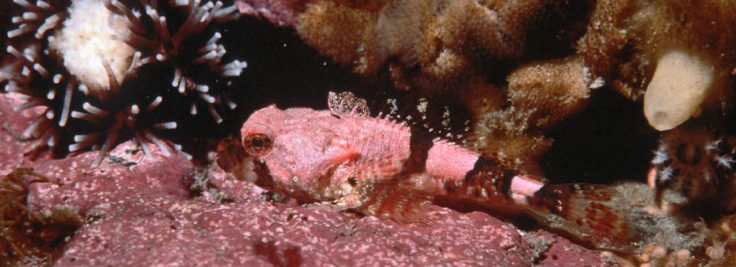
Since Near-shore Marine Biology was moved to Rothera in 1997, we have been conducting biological long-term monitoring in both the marine and terrestrial environments. These represent some of the longest continuous datasets in the Southern Ocean.
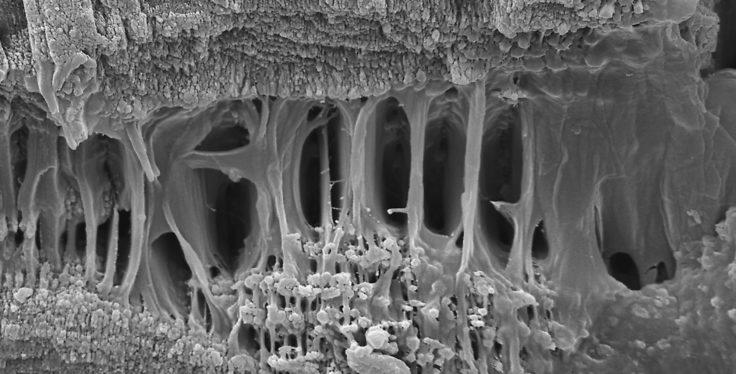
Cold Skeletons investigates how extreme cold affects skeleton formation in Antarctic marine animals.
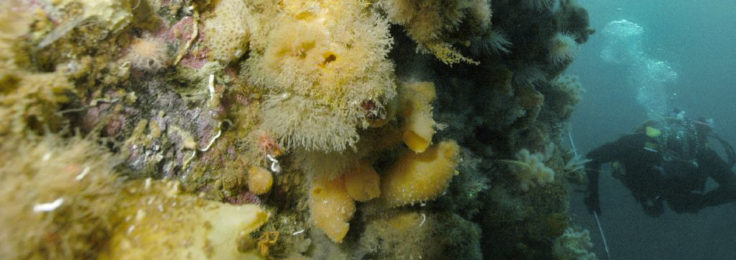
Baseline study to monitor how marine biodiversity will respond to climate change
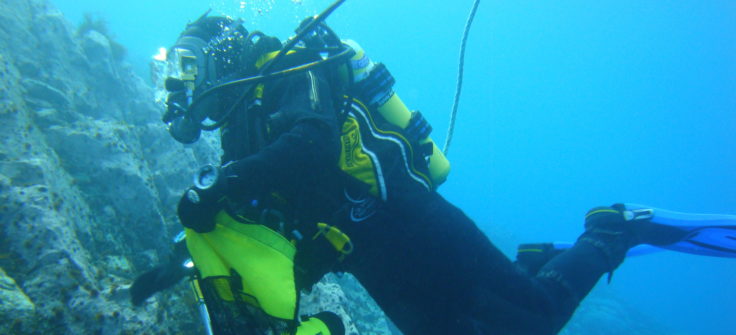
The UK EISCAT support group (UKESG) is a collaboration between the British Antarctic Survey and the Rutherford Appleton Laboratory, funded via the National Centre for Atmospheric Science (NCAS).