World’s largest iceberg grounds near sub-Antarctic Island of South Georgia
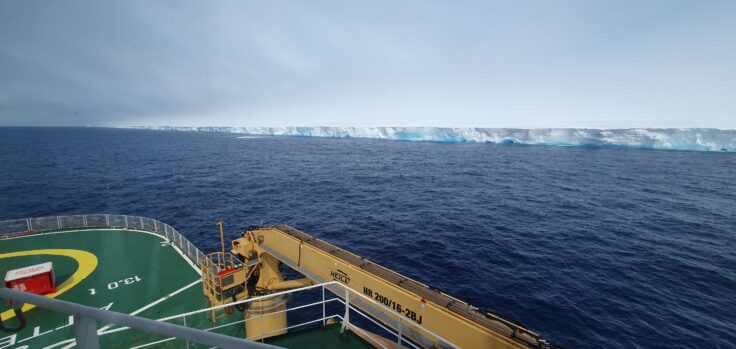
The world’s largest and oldest iceberg A23a has finally come to a standstill as it appears to have run aground near the sub-Antarctic Island of South Georgia.

73 to 84 of 1414 results
The world’s largest and oldest iceberg A23a has finally come to a standstill as it appears to have run aground near the sub-Antarctic Island of South Georgia.
Congratulations to Professor Kate Hendry who has been awarded The Geological Society’s Bigsby Medal for eminent services to geology.
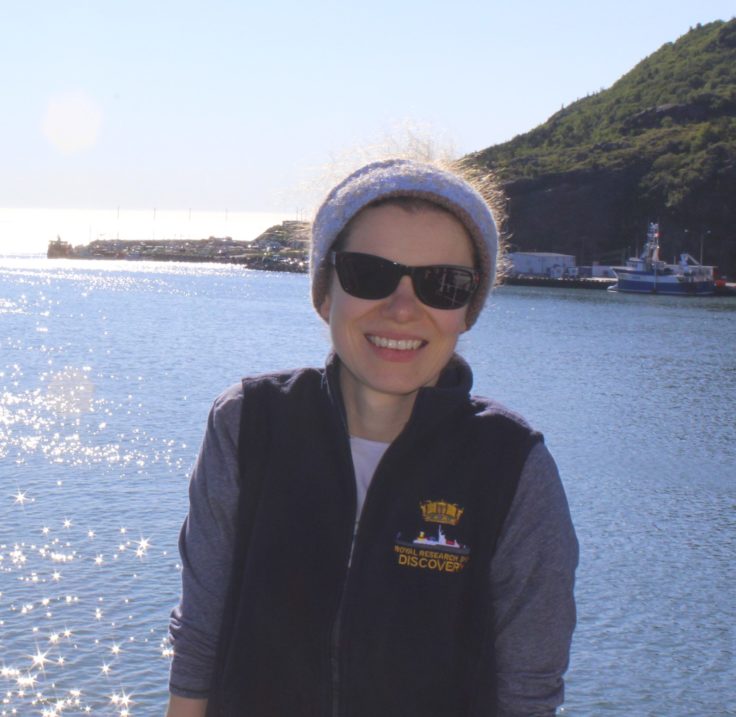
Meet Olivier Hubert, the chef bringing culinary excellence to the bottom of the world at British Antarctic Survey’s research stations.
British Antarctic Survey (BAS) researchers have been selected for funding from The Advanced Research + Invention Agency (ARIA) to help improve our understanding of climate tipping points.
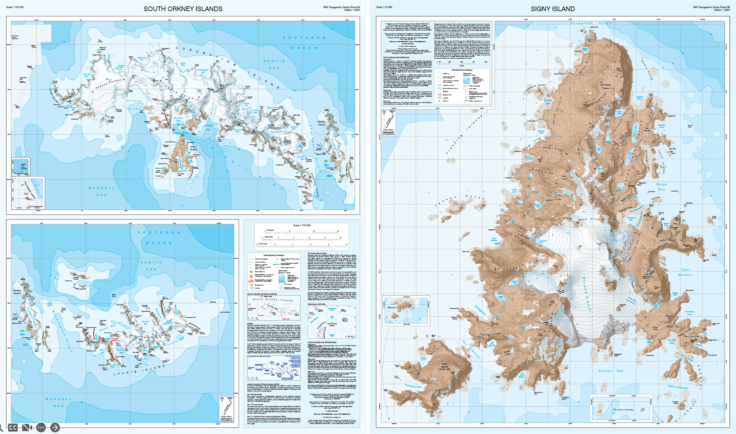
A new map of the South Orkney Islands has been released by British Antarctic Survey (BAS) – the first UK published, topographic map of the region in almost 40 years. The map offers a detailed topographic view of the entire South Orkney archipelago on one side, with a focused, high-resolution map of Signy Island on the reverse.
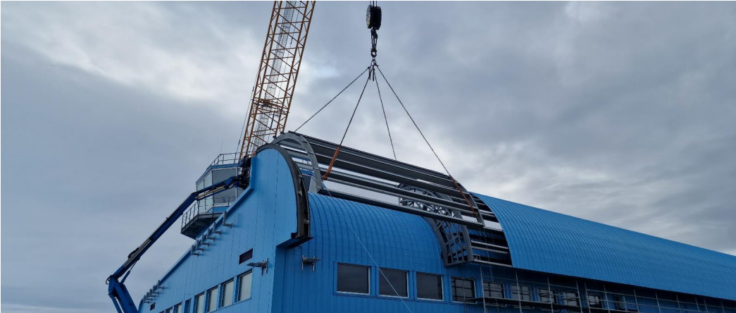
Here’s our fifth postcard from Rothera, where exciting changes are transforming our largest Antarctic research station this month.
Extreme precipitation events in Antarctica, which are mostly dominated by snowfall due to sub-zero temperatures, also include rainfall, according to new research.
Scientists have discovered microplastics in the snow near some of Antarctica’s deep field camps, revealing how far-reaching plastic pollution has become.
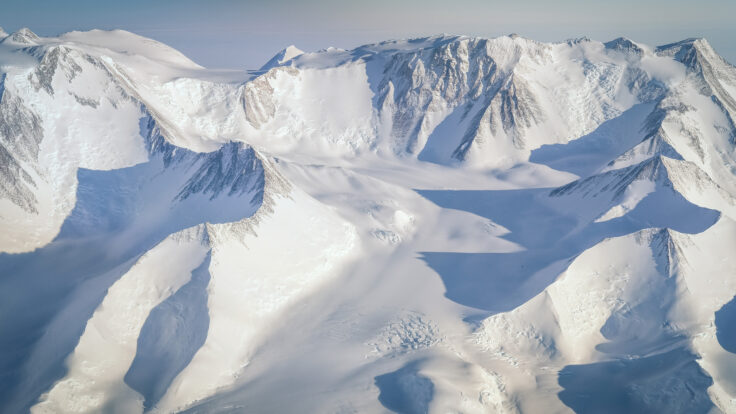
Scientists return to the Southern Ocean this week (5 February 2025), as part of the BIOPOLE project, to answer fundamental questions about how nutrients drive the global carbon cycle and ocean ecosystems.
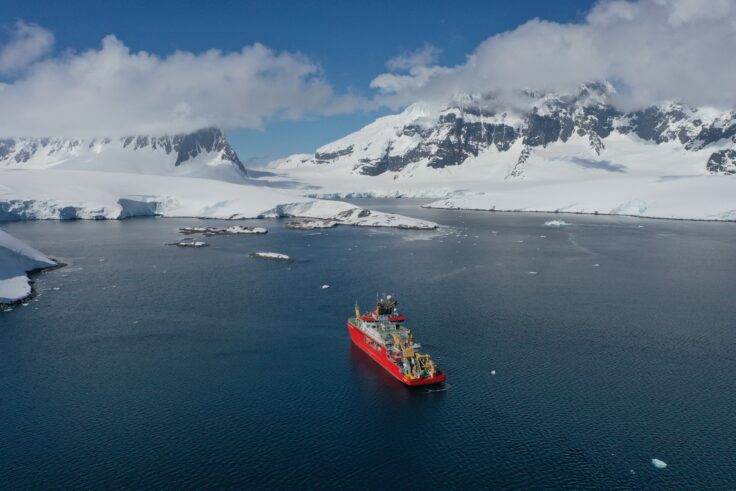
scientists are focusing on two major projects: one on whales and their consumption of krill (a shrimp-like creature that’s abundant in the Southern Ocean), and another on populations of bottom-dwelling fish.
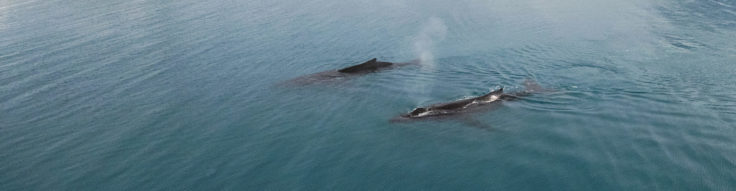
Scientists from the University of Cambridge and British Antarctic Survey have used ice core records to draw new conclusions about how Antarctica was affected by increased global temperatures over 100,000 years ago.
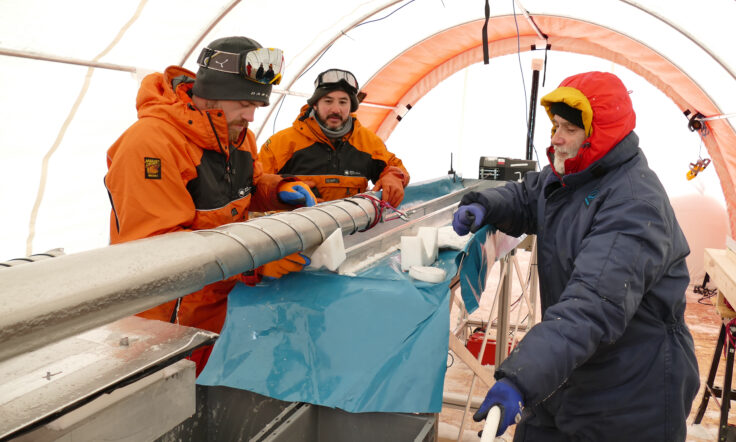
Applications to carry out small-scale research projects in the Antarctic in the 2025/26 season are invited from UK-based researchers.