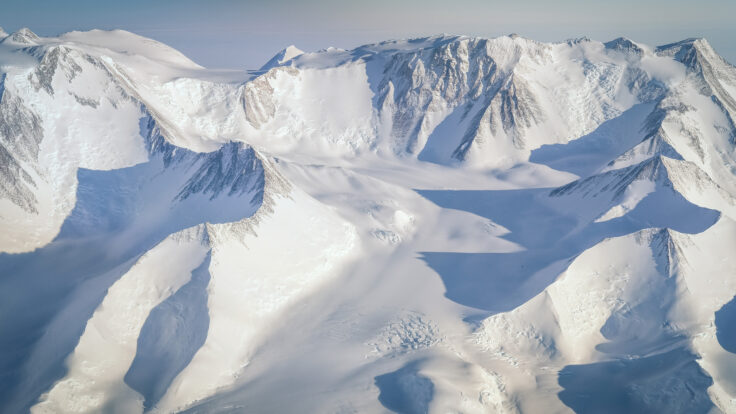
14 March 2025: Postcard from Rothera Research Station
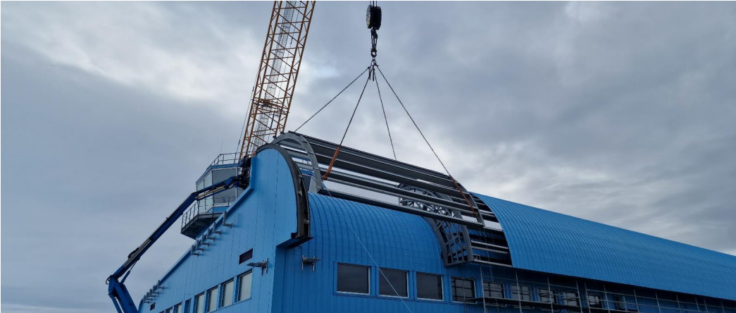
Postcard from Rothera Research Station – Discovery Building progress!

97 to 108 of 1442 results
Postcard from Rothera Research Station – Discovery Building progress!
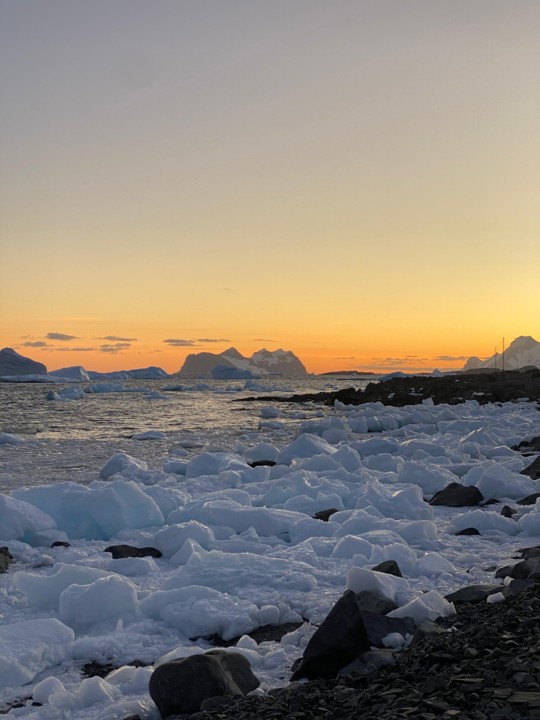
The most detailed map yet of the landscape beneath Antarctica’s ice sheet has been assembled by a team of international scientists led from the British Antarctic Survey.
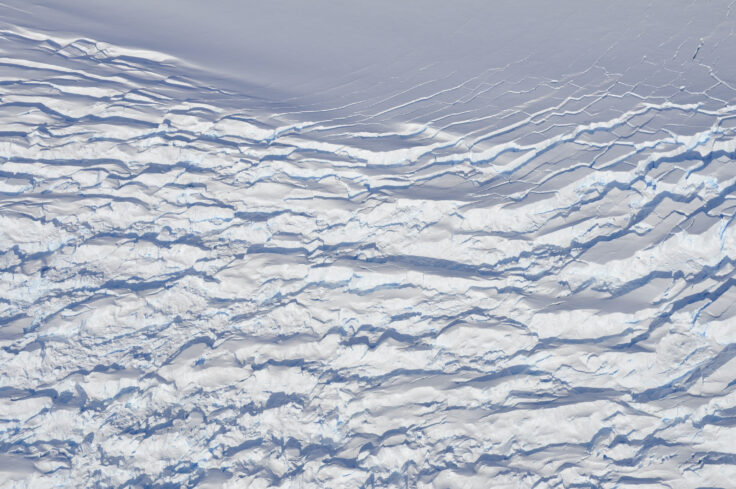
A new study has revealed significant changes in the strength and position of the Southern Hemisphere westerly winds over the past 11,000 years.
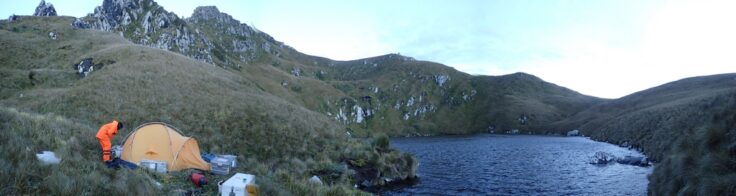
The British Antarctic Survey has installed and activated two solar photovoltaic and energy storage systems in Antarctica as part of our commitment to reach net zero by 2040.
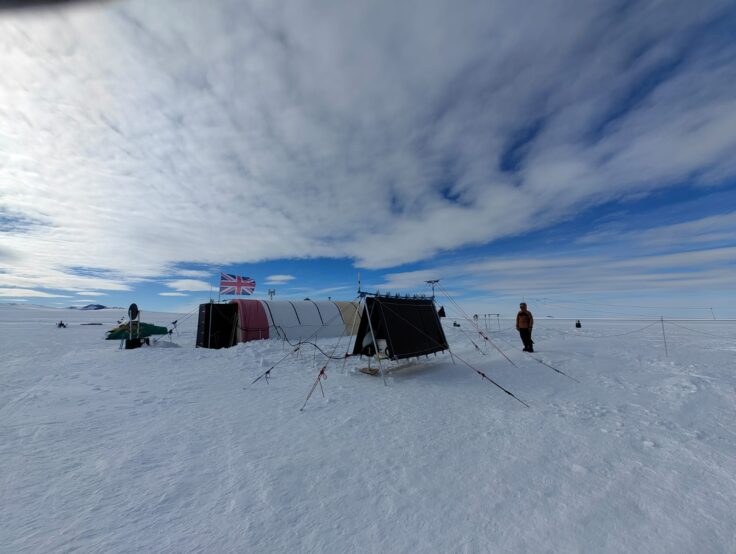
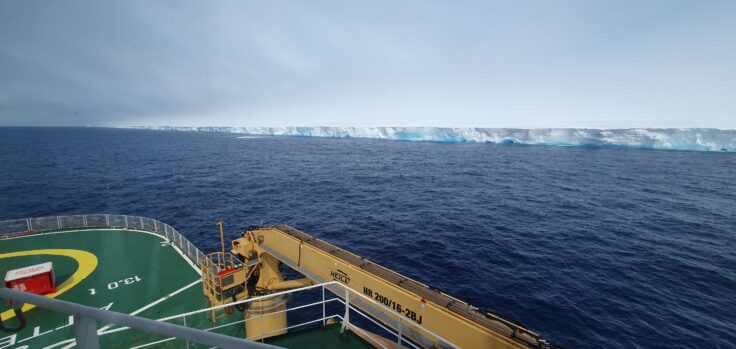
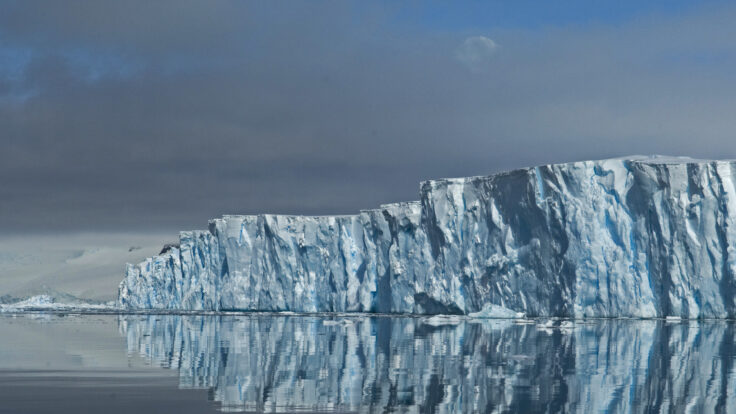
The world’s largest and oldest iceberg A23a has finally come to a standstill as it appears to have run aground near the sub-Antarctic Island of South Georgia.
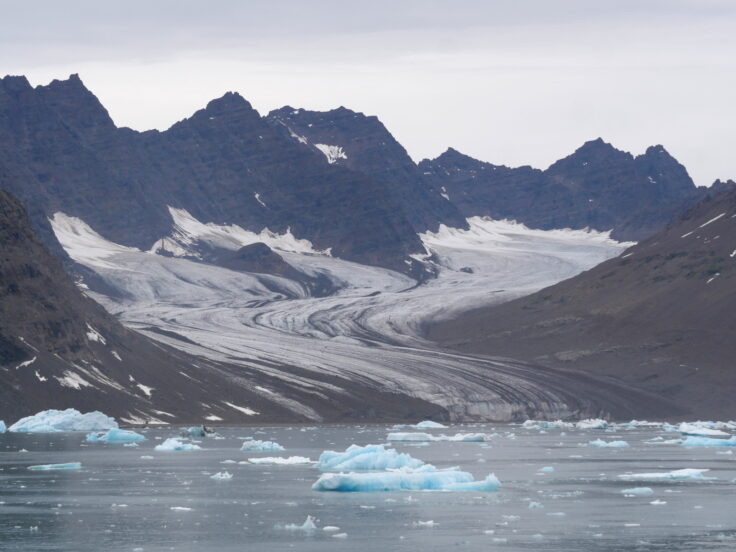
Congratulations to Professor Kate Hendry who has been awarded The Geological Society’s Bigsby Medal for eminent services to geology.

Meet Olivier Hubert, the chef bringing culinary excellence to the bottom of the world at British Antarctic Survey’s research stations.

British Antarctic Survey (BAS) researchers have been selected for funding from The Advanced Research + Invention Agency (ARIA) to help improve our understanding of climate tipping points.
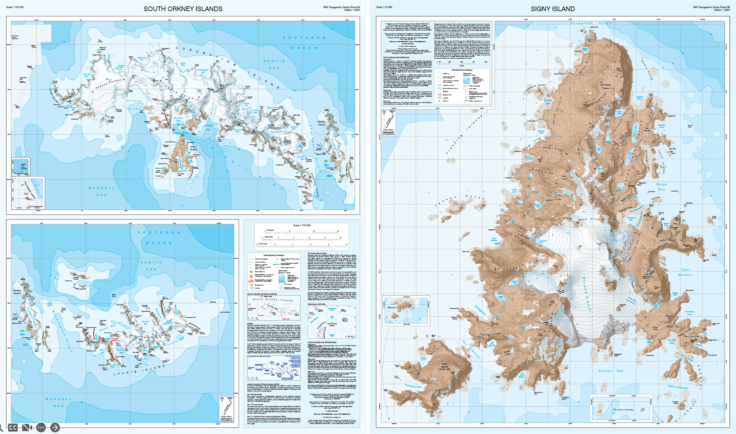
A new map of the South Orkney Islands has been released by British Antarctic Survey (BAS) – the first UK published, topographic map of the region in almost 40 years. The map offers a detailed topographic view of the entire South Orkney archipelago on one side, with a focused, high-resolution map of Signy Island on the reverse.
Here’s our fifth postcard from Rothera, where exciting changes are transforming our largest Antarctic research station this month.
Extreme precipitation events in Antarctica, which are mostly dominated by snowfall due to sub-zero temperatures, also include rainfall, according to new research.
Scientists have discovered microplastics in the snow near some of Antarctica’s deep field camps, revealing how far-reaching plastic pollution has become.