BAS Carbon Footprint Report 2024/2025: Our journey to net zero
British Antarctic Survey (BAS) are committed to achieving net zero carbon emissions by 2040.


61 to 72 of 1442 results
British Antarctic Survey (BAS) are committed to achieving net zero carbon emissions by 2040.
Ancient ice from Antarctica, extracted as part of the Beyond EPICA – Oldest Ice project, captures a unique climate record spanning at least the past 1.2 million years.
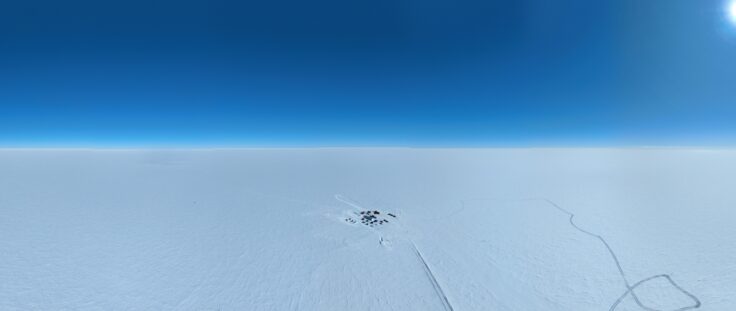
Scientists meeting at The Royal Society in London this week are issuing a stark warning: dramatic and extreme changes in Antarctica are happening faster than expected, with consequences that will affect everyone on the planet.

The British Antarctic Survey (BAS) is pioneering inclusivity in one of the world’s most challenging environments – the vast, icy expanse of Antarctica.
A new map catalogue with access to a large collection of freely available polar maps is now available online.
The British Antarctic Survey’s (BAS) wintering team continues to make progress on our new science and operations facility, the Discovery Building at Rothera Research Station, Antarctica.
The Polar Museum at the Scott Polar Research Institute, University of Cambridge, has opened its new exhibition, Through Ice & Fire.
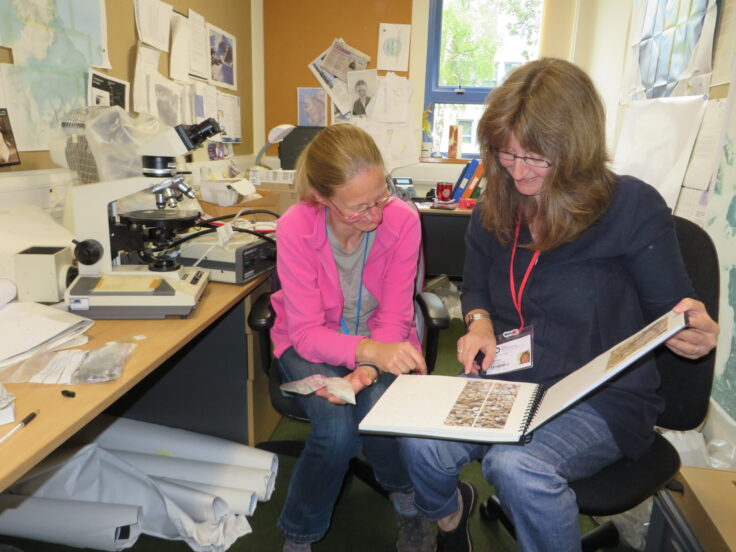
Scientists have detected the DNA of an invasive marine species in Arctic Canada suggesting the region’s waters are no longer cold enough to be a natural barrier.
Well-publicised geoengineering ideas are highly unlikely to help the polar regions and could harm ecosystems, communities, international relations, and our chances of reaching net zero by 2050. This is according to a new assessment, published in the journal Frontiers in Science today (9 September 2025).
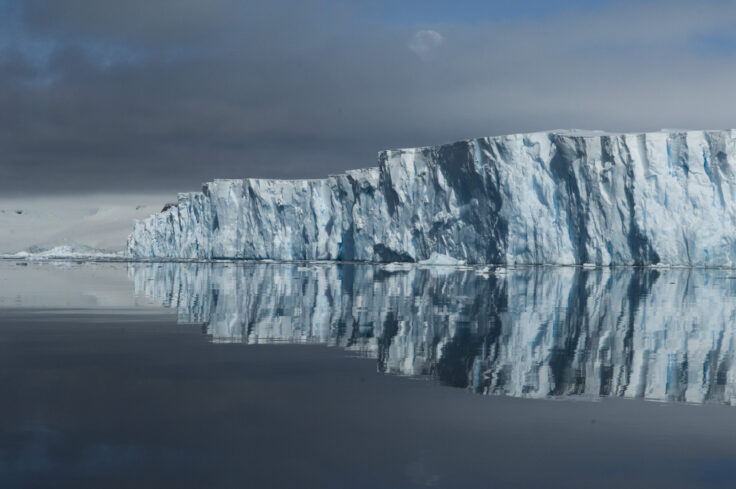
British Antarctic Survey is inviting you to send your name on an extraordinary adventure to the world’s most remote continent.
The remains of an Antarctic researcher have been discovered by a Polish team among rocks exposed by a receding glacier in Antarctica.
The Mapping and Geographic Information Centre (MAGIC) at the British Antarctic Survey have produced new maps of the topography (physical features) and geology of Alexander Island in Antarctica.