The Antarctic Treaty and the role of National Antarctic Programmes
How do you measure success when assessing one of the most remarkable examples of international collaboration and diplomacy ever?


49 to 60 of 1414 results
How do you measure success when assessing one of the most remarkable examples of international collaboration and diplomacy ever?
A team of scientists, including those from the British Antarctic Survey (BAS), have uncovered the hidden remains of a vast ancient coastal plain beneath East Antarctica—an important discovery that could refine forecasts of future global sea level rise.
A new study in collaboration with BAS scientists reveals for the first time that zooplankton migration contributes significantly to carbon storage in the Southern Ocean – a process currently overlooked in climate models.
A team from British Antarctic Survey (BAS) is attending this year’s Antarctic Treaty Consultative Meeting (ATCM), a diplomatic forum to discuss the governance and environmental protection of Antarctica.
A new study challenges recent claims about dramatic “greening” in Antarctica and how this conflicts with decades of field-based ecological knowledge.
Professor Mike Meredith is an oceanographer at British Antarctic Survey. He concludes a first of its kind science cruise on the RRS Sir David Attenborough conducting research in the polar winter.
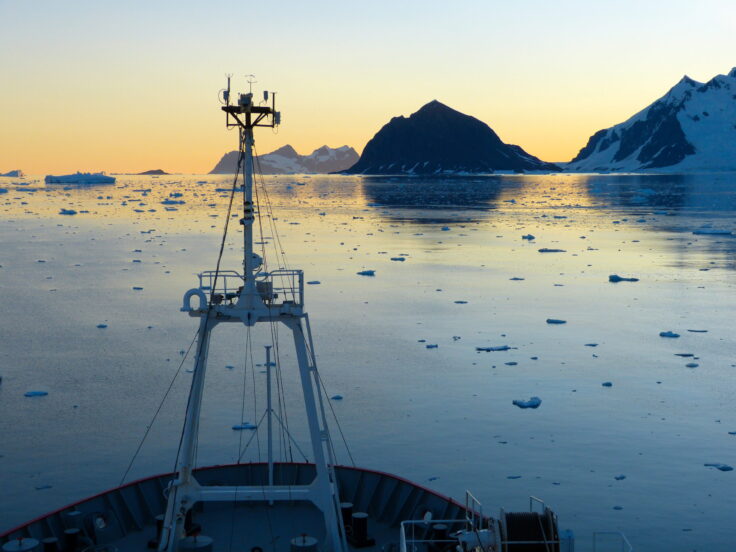
As the 2024/25 Antarctic construction season comes to a close, the British Antarctic Survey (BAS) marks a crucial milestone in the modernisation of Rothera Research Station, as the Discovery Building comes into operational use.
The 21st of June marks the shortest day of the year in Antarctica and British Antarctic Survey (BAS) will be celebrating the tradition of Midwinter’s Day.
ew study reveals how Antarctic seals are responding to shifts in Antarctic sea ice and what long term changes could mean for their future survival.
Antarctica’s emperor penguin population may be decreasing faster than some of the most pessimistic predictions.
Antarctica could see a doubling of extreme weather events – such as atmospheric rivers – by 2100, with implications for future sea level rise.
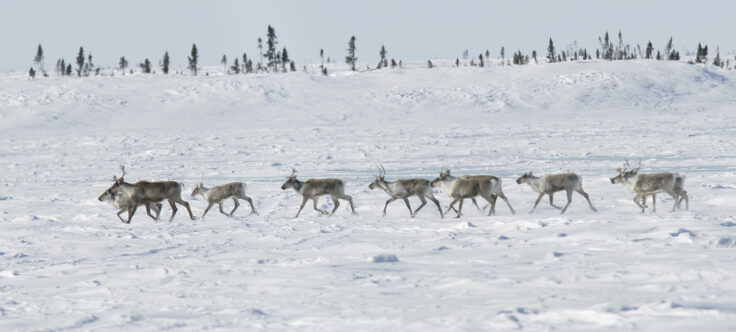
Artificial intelligence sea ice forecasting systems could help predict and protect the migration routes of endangered caribou in the Canadian Arctic, according to a new study.