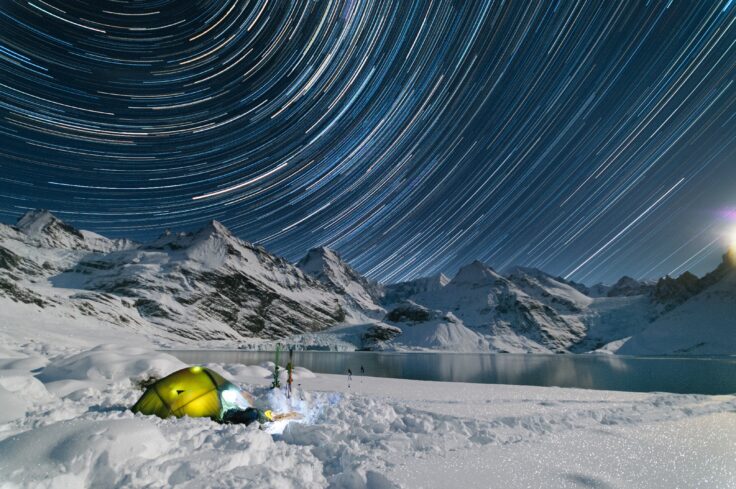
First Antarctic-wide survey of plant life to aid conservation efforts
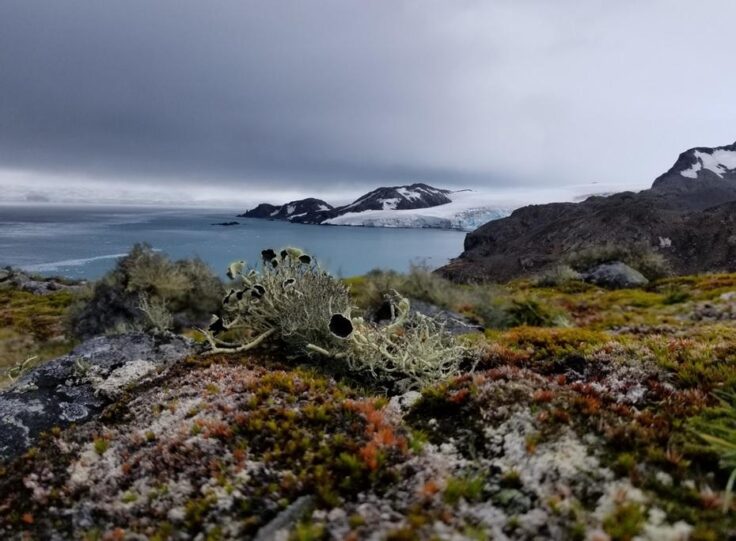
The first continent-wide mapping study of plant life across Antarctica reveals growth in previously uncharted areas, and is set to inform conservation measures across the region.

121 to 132 of 1414 results
The first continent-wide mapping study of plant life across Antarctica reveals growth in previously uncharted areas, and is set to inform conservation measures across the region.
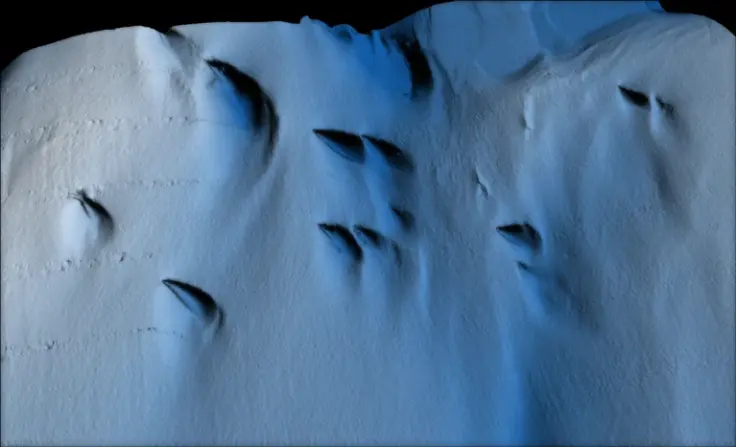
An international research team deployed the uncrewed submersible ‘Ran’ underneath 350 m thick ice. They got back the very first detailed maps covering extensive areas of the underside of a glacier, revealing clues to future sea level rise.
An interdisciplinary team of researchers is heading back to Greenland this week (30 July) for the second phase of the Wandel Dal Project.

Professor Lloyd Peck FRS, Science Leader and marine biologist at British Antarctic Survey, has been announced as the 2024 recipient of the SCAR Medal for Excellence in Antarctic Research.
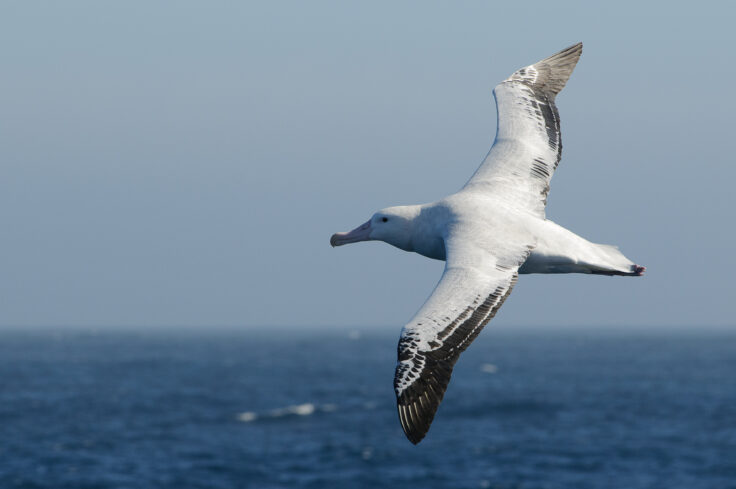
Seabirds are among the most threatened creatures globally, often due to incidental mortality (bycatch) in fisheries.
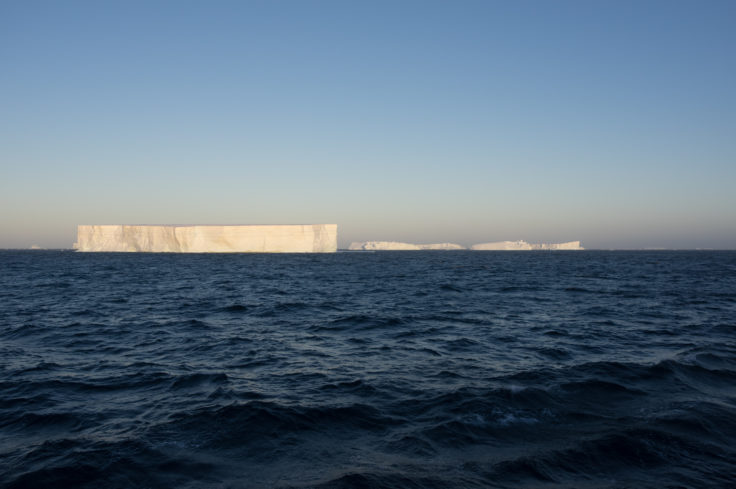
Scientists have for the first time taken in-situ ocean measurements during the collapse of a giant iceberg in the sub-Antarctic
A team will work in south-east Greenland to advance our understanding of the region’s rapidly decaying ice sheet and its impacts on ocean and global climate systems.

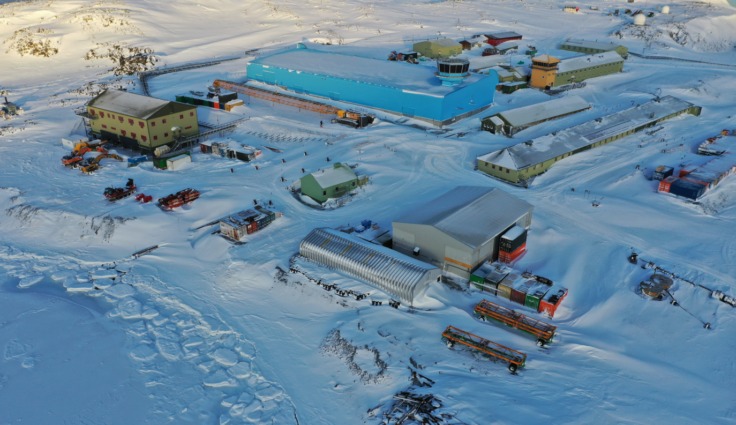
Construction teams have completed significant stages of the British Antarctic Survey’s (BAS) Antarctic Infrastructure Modernisation Programme and joined the over-wintering staff for the first time as the 2023/24 summer season ended.
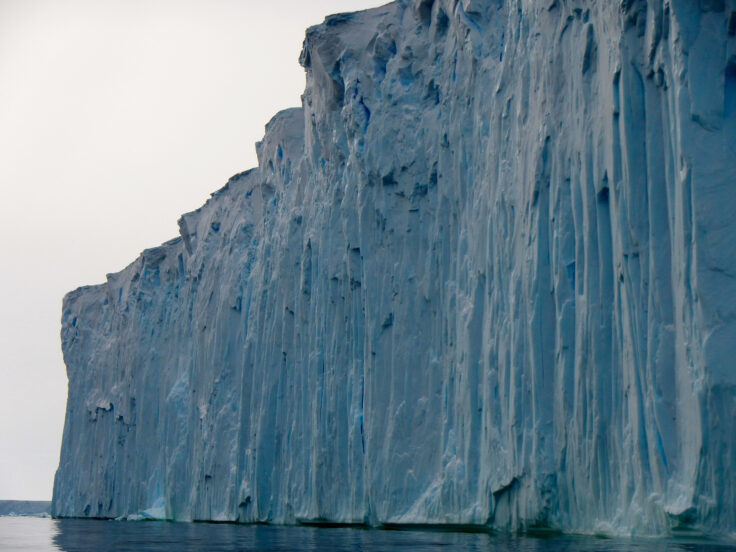
For the first time, researchers, including from British Antarctic Survey, have combined unique geological samples with sophisticated modelling to provide surprising insights into when and where today’s East and West Antarctic ice sheets formed.
Climate scientists from University of Cambridge and the British Antarctic Survey will be at the 2024 Royal Society Summer Science Exhibition, showcasing how they are using Antarctic ice cores to unlock the past and uncover clues to our planet’s future.
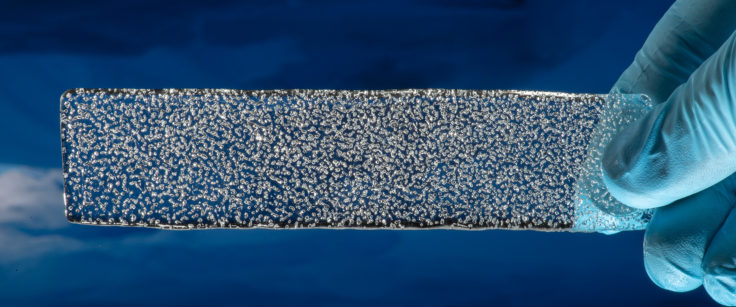
Warm water that seeps underneath can melt ice in way not yet included in models
A new and worrying way that large ice sheets can melt has been characterised by scientists for the first time. The research focuses on how relatively warm seawater can lap at the underside of ground-based ice, which can accelerate the movement of the ice into the ocean.
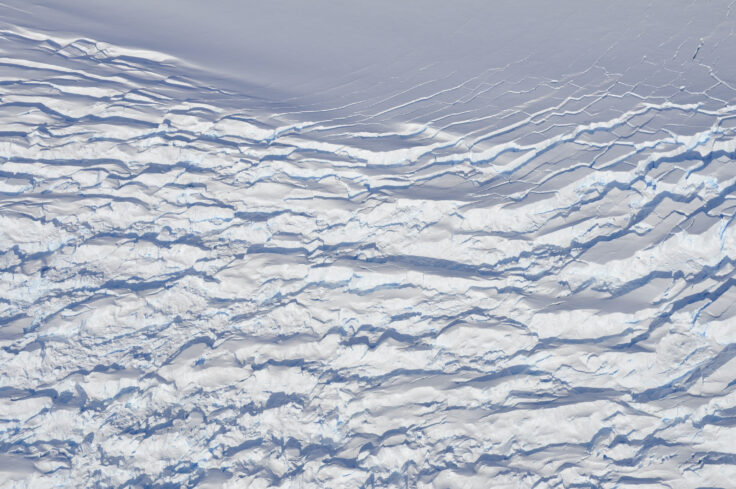
Today (21 June) marks the longest night in Antarctica and a very special Midwinter’s Day with 47 people or ‘winterers’ living and working at British Antarctic Survey’s (BAS) three winter stations: Rothera on the Antarctic peninsula, and King Edward Point and Bird Island on South Georgia and the South Sandwich Islands.