
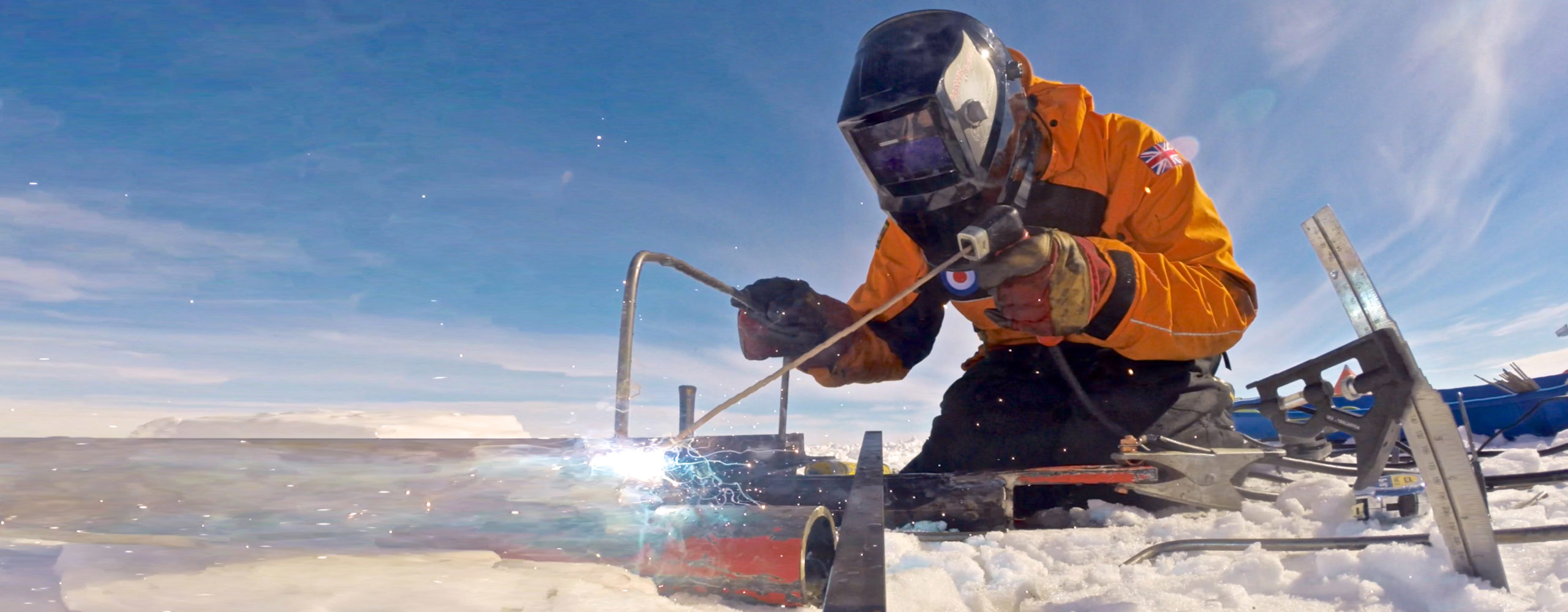
Working in Antarctica is unlike anything else. Each year we employ skilled individuals to run and maintain our field stations and equipment, safely guide staff to conduct research, and support the logistics of our science operations.
The smooth running of our stations requires maintenance engineers, field staff, carpenters, chefs, mechanics, electricians and more. These roles are vital in supporting world leading science and enabling BAS to achieve its mission.
Contracts for our support team can be from 6 to 18 months in length. Recruitment for these roles begin in January each year. Explore our typical vacancies below and on our vacancies page.
Research Station Support Roles
Chef
As an experienced chef, you’ll provide nutritious meals for staff living on station for up to 18 months. Supplies arrive once a year, so you’ll need creativity and resilience to deliver a high standard of professional catering service to your team whatever the conditions.
Station General Assistant
Based at Halley or Rothera Research Stations, you’ll support daily station operations, including waste management, cargo handling, aircraft support and field depot work. Like all team members, you may use skidoos, fly over ice shelves, and support emergency response.
Station Support Assistant
Based at Halley or Rothera Research Stations, you’ll handle a mix of essential domestic tasks, including catering, waste handling and laundry. This is far from a standard service role. You’ll be a key member of the team. Your daily work could include riding skidoos, joining emergency response teams, flying in small aircraft or sailing through sea ice on a strengthened ship.
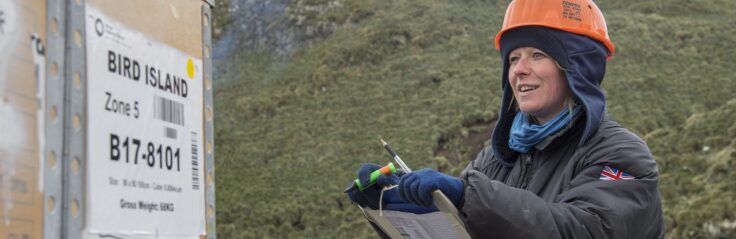
Keeping a tally of incoming cargo during the station relief at Bird Island
Science Support Roles
Antarctic Atmospheric Scientist
You’ll collect observations and operate atmospheric research instruments as part of the Ice, Atmosphere and Climate team. You’ll need to be ready to adapt to new challenges in a rapidly changing environment.
Boating Officer – Rothera and King Edward Point Research Stations
You’ll manage small boat operations, supporting water sampling, dive work, island transfers and search and rescue. Conditions can be challenging. The location, wildlife and stunning coastal scenery of the Antarctic Peninsula make it worthwhile.
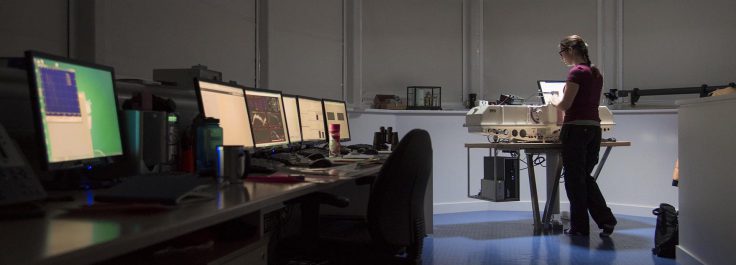
Ozone recording at Halley Station
Field Dive Officer
Field Dive Officers play a key role in supporting the marine science that BAS undertakes. You’ll oversee diving operations at Rothera Research Station. If you’re an experienced research diver, this is a chance to contribute to groundbreaking science, including winter diving under ice.
Field Guide
Our Field Guides are experienced mountaineers required to train and guide colleagues across glaciers and ice shelves. You need strong mountaineering skills, excellent organisation and steady judgement in extreme conditions.
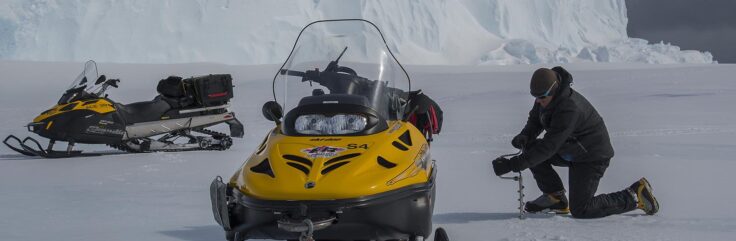
Field Guide checking sea-ice thickness to ensure safe operations ahead of the ship arrival at the Brunt Ice Shelf
For a more in-depth look at working as a Field Guide click here
Marine Biologist
Based at Rothera Research Station, you’ll conduct research in an extraordinary environment. Your work may focus on habitat competition, predator behaviour and diet analysis.
Marine Assistant
You’ll support routine biological and oceanographic programmes. Tasks may include seawater sampling, chemistry lab upkeep, sediment collection and biological monitoring.
Scientific Assistant
Our Scientific Assistants work at our marine and fisheries research station at King Edward Point, you’ll carry out biological sampling, lab work and ship-based surveys. You’ll live in a very small team during winter and help maintain the station.
Zoological Field Assistant
Working at Bird Island Research Station, you’ll spend 18 months collecting data on seals and seabirds. You’ll also help run the station, including cooking, cleaning, communications and basic medical support. The learning curve is steep, but the experience is unique.
Engineering and Technology Roles
Communications Officer
As the Communications Officer, you will play a vital role within our Antarctic team. You’ll coordinate communication services and ensure information flows effectively to support safe operations, both in the field and on station.
Data Manager
This is data management with a difference. You’ll manage key data systems in Antarctica. You’ll work with instruments monitoring the atmosphere and geospace.
Electronics Engineer
Based at Halley or Rothera research stations, you’ll maintain scientific instruments, and make minor hardware and software improvements.
Wintering IT Engineer
As a Wintering IT Engineer, you will provide operational and technical support for the IT systems in the Antarctic. You’ll support IT systems and maintain communications between stations, ships, aircraft and BAS Cambridge.
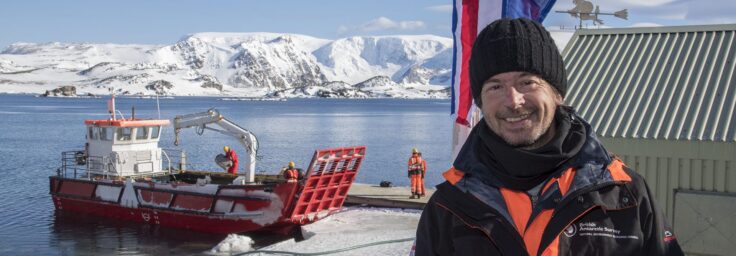
BAS ICT engineer arrives at Signy Research Station to recommission the IT infrastructure as the Station is opened for the summer
Technical and Mechanical Roles
Carpenter/builder
You’ll help maintain and repair station buildings and infrastructure, such as sleds, as part of a small estates team during the austral summer.
Phill Coolman, an Antarctic carpenter, who works at Halley Research Station:
“Being a carpenter in Antarctica requires adaptability and teamwork. I’ve gained skills here that I’ve carried back to the ‘real world’ and done things I never thought I would get the chance to do.”
“Scientists need a table to lay out their ice cores? We’ll build it. Garage needs a new sled to transport the refuelling kit for aircraft? We’ll do that too.”
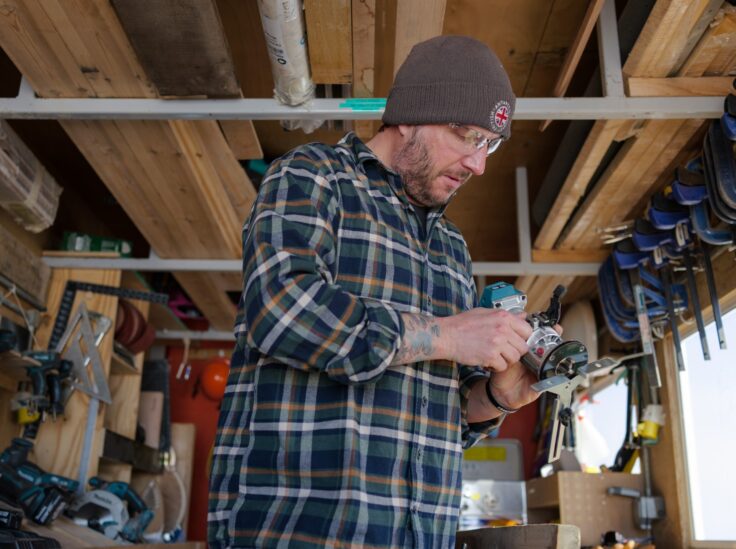
Phill Coolman. Carpenter, Halley Research Station (Credit: Maciej Piętowski)
Electrical power generation technician
You’ll support the maintenance of power generation equipment and other electrical assets, including all non-mobile plant and equipment.
Joiner/Builder
maintain and repair the structure, fabric, fixtures and fittings of the stations, including general building works. This role is required over the austral summer period (around 6 months) at our research stations.
Mechanical technician (electrical)
You’ll maintain and repair electrical systems and services across the station. Tasks include installation, testing and troubleshooting.
Mechanical technician (mechanical)
You’ll work on mechanical systems such as water, heating and waste infrastructure, carrying out maintenance, repairs and upgrades. You will be expected to work on all aspects of the mechanical trade, including supporting planned maintenance, reactive repair and up-keep.
Mobile plant mechanic
You’ll repair and maintain specialist vehicles used for deep-field operations. This includes diagnostics, servicing and repair of snowmobiles, agricultural and industrial equipment.
Mobile plant operator
Working alongside mechanics, you’ll operate and help maintain plant machinery and specialist vehicles to support station activity and field campaigns.
Steel erector
You’ll support construction and maintenance work using your skills as part of a small and focused team.
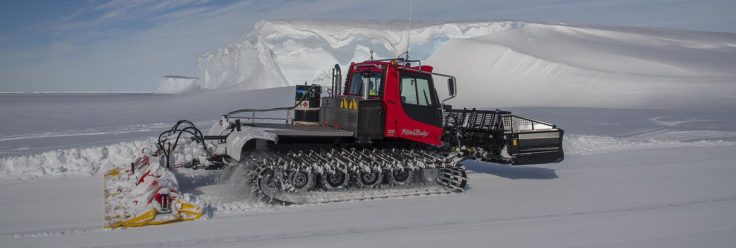
Vehicle mechanics work round the clock, maintaining the ice ramp, a critical link between the Station and Ships that bring essential stores and equipment
Our Antarctic-only roles are posted here between December and March each year. To get email updates when jobs go live sign up here