
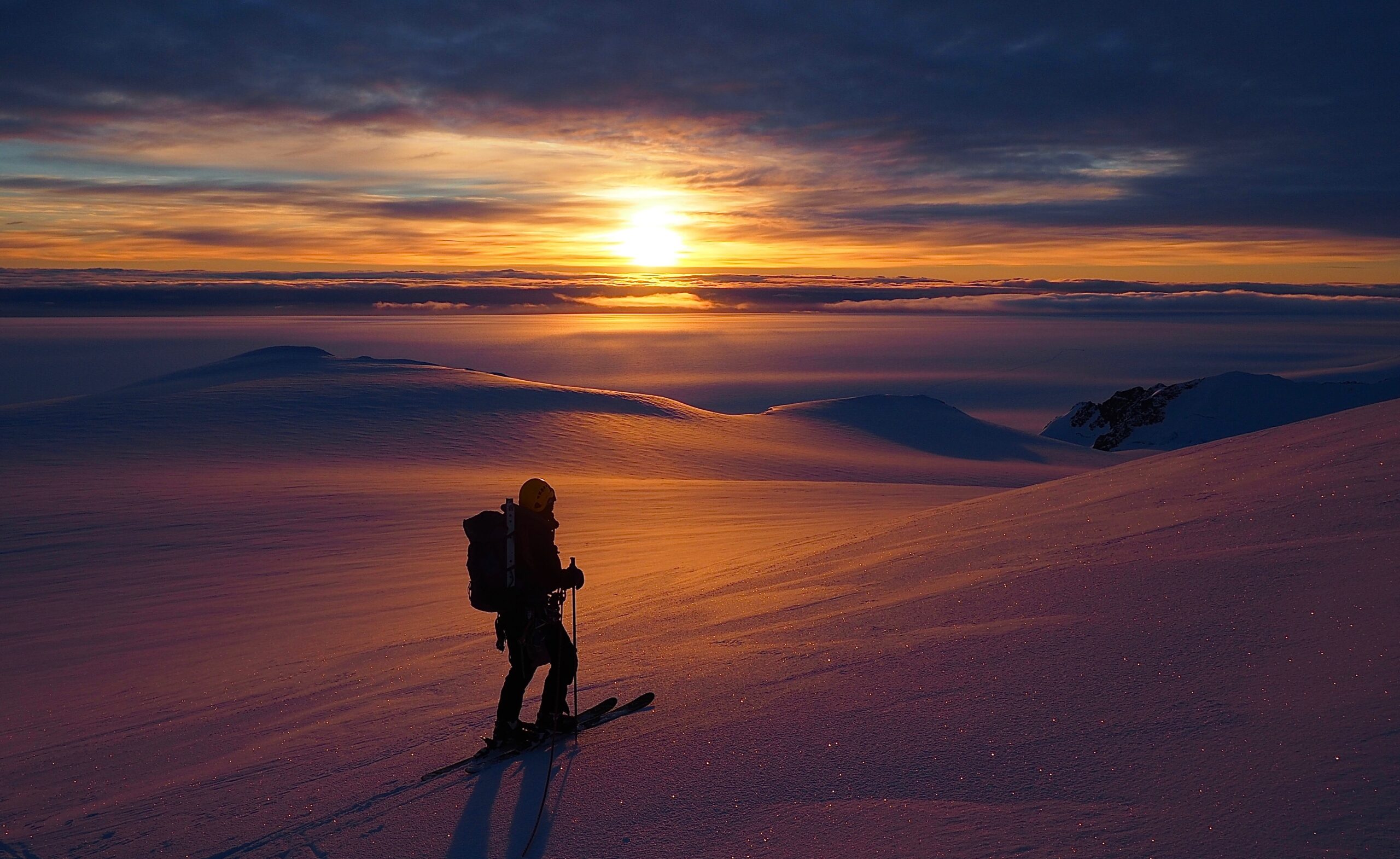
Working as a field guide for British Antarctic Survey (BAS) is a unique and rewarding experience. You’ll support deep-field science, deliver staff training, maintain equipment, and oversee safety in some of the most extreme environments on Earth. The role is varied and challenging, offering travel and autonomy. Contracts usually last between 6 and 18 months.
Research stations
Halley VI Research Station
You may spend the summer at Halley overseeing staff training, supporting science on the Brunt Ice Shelf, and scouting safe routes for ship relief. Ice shelf travel requires skill, careful planning, and a conservative approach to risk.
Rothera Research Station
Rothera is the main base for field guide training and wintering. You’ll prep field equipment, deliver training, and lead expeditions across glaciers and mountains. It’s also the hub for staff recreation and Antarctic field induction.
Signy Island Research Station
At Signy, you’ll manage safe travel across the island’s ice cap and support wildlife-focused science projects. The area is rich in penguins and research opportunities.
Ny-Ålesund Research Station
Occasionally, field guides deploy to the UK Arctic Reseach Station at Ny-Ålesund, supporting science via skidoo, boat, and on foot. You’ll also help with general station operations.
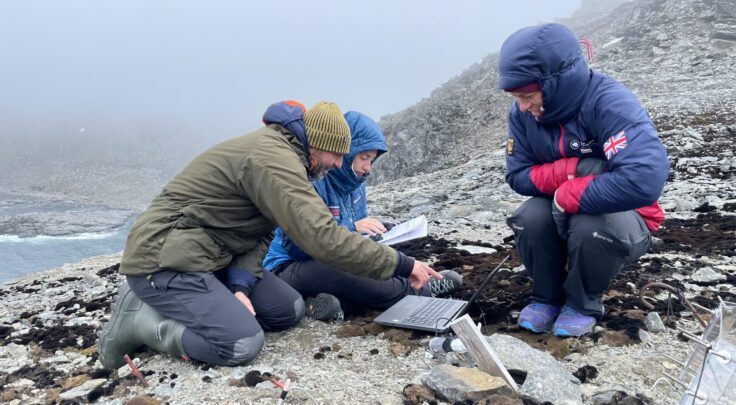
Monitoring the safety and wellbeing of science staff is a Field Guides primary role.
Training
UK pre-deployment training
You’ll begin in the UK with induction, PPE inspection, ski maintenance, medical training, sea survival, and a 10-day course. This provides the foundation for safe polar fieldwork.
Rothera initial training
Once in Antarctica, you’ll complete a 3-week intensive course covering polar management, vehicle and aircraft safety, meteorology, navigation, field camping, crevasse rescue, linked skidoo travel, SAR response, and equipment maintenance.
Staff training
You’ll train scientists and station staff in Antarctic survival, crevasse rescue, linked skidoo travel, and field camping. You may also train SAR assistants to support emergency response.
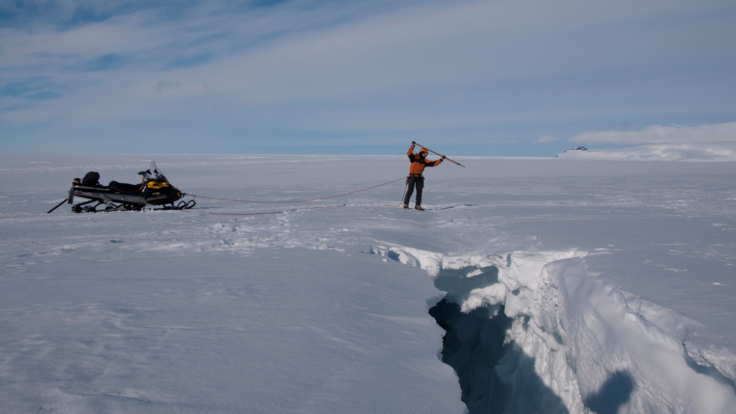
Learning how to safely approach and assess crevassed areas. (Credit: Iain Rudkin)
Field work
Deep field science projects
You’ll act as safety manager on projects such as ice core and hot water drilling, geological sampling, wildlife studies, and radar surveys.
Traverse
You’ll lead tractor traverses, scout safe routes, and manage fuel transport and mobile science platforms.
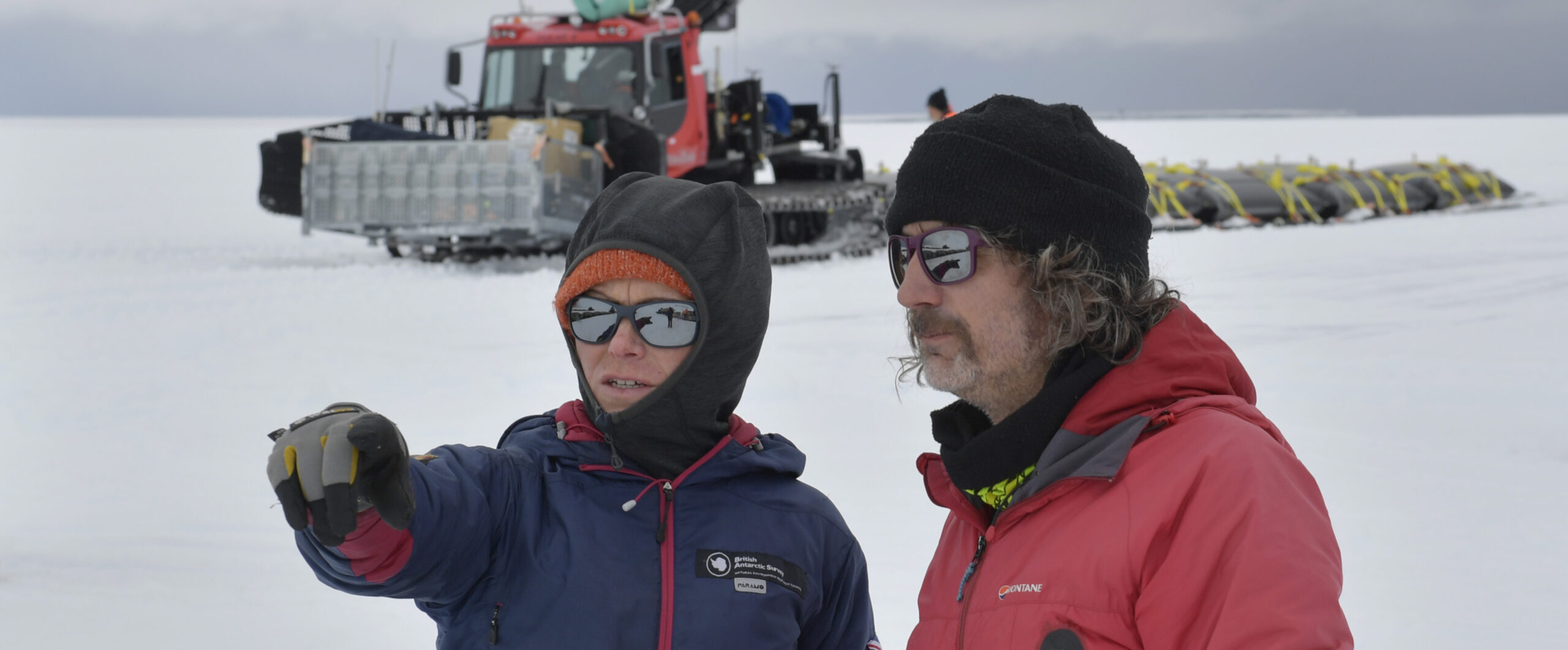
Field assistants discussing safe routes on the English Coast, Antarctica
Field operating hubs
At Fossil Bluff and Sky Blu, you’ll manage camp operations, aircraft communications, air drops, and field logistics.
Depots and relief
You’ll help raise and stock fuel depots and oversee ship offloads during station resupply.
Recreation
You’ll lead recreational trips such as skiing, mountaineering, and skidoo travel to support wellbeing and acclimatisation.
Field equipment and base work
You’ll maintain and repair field equipment, including sledges, tents, Ground Penetrating Radar systems, and emergency gear. Preparation and attention to detail are vital.
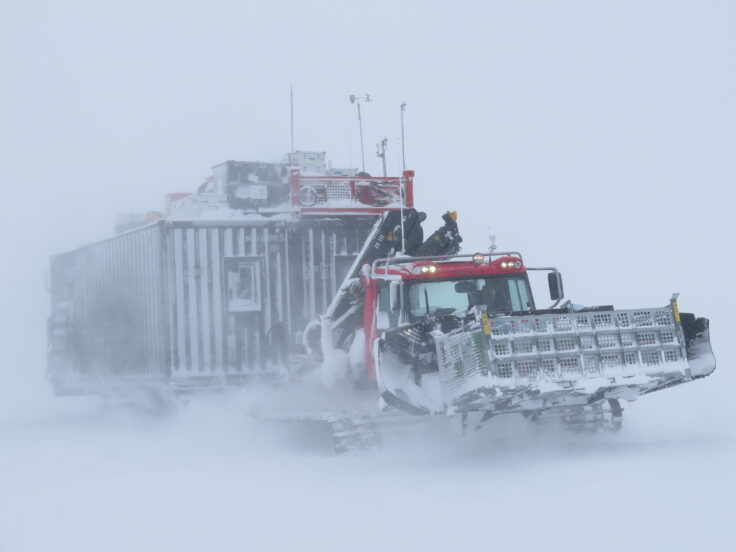
Pisten-Bully towing the living caboose through poor weather. (Credit: Nick Gillett)
Wintering
Wintering at Rothera allows you to develop skills in extreme conditions. You’ll maintain equipment, monitor sea ice, prepare for summer, and support training and winter trips.
Sea ice
You’ll check ice thickness to determine safe travel for science and recreation.
Winter trips
You’ll lead overland journeys and field camps. A steady, conservative approach is essential.
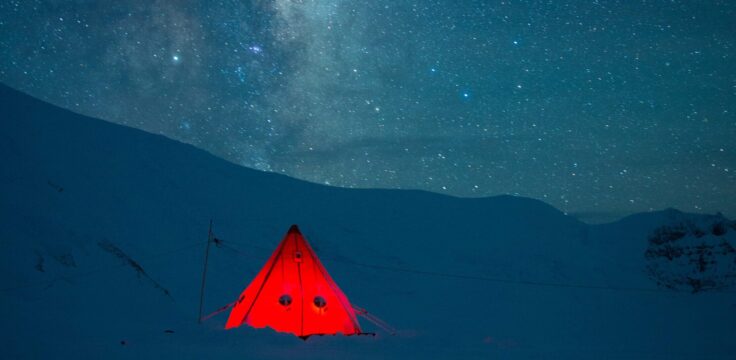
Pyramid tent under the Milky Way during a winter trip. Mount Bouvier Camp, Adelaide Island. (Credit: Neil Brown)
Digging
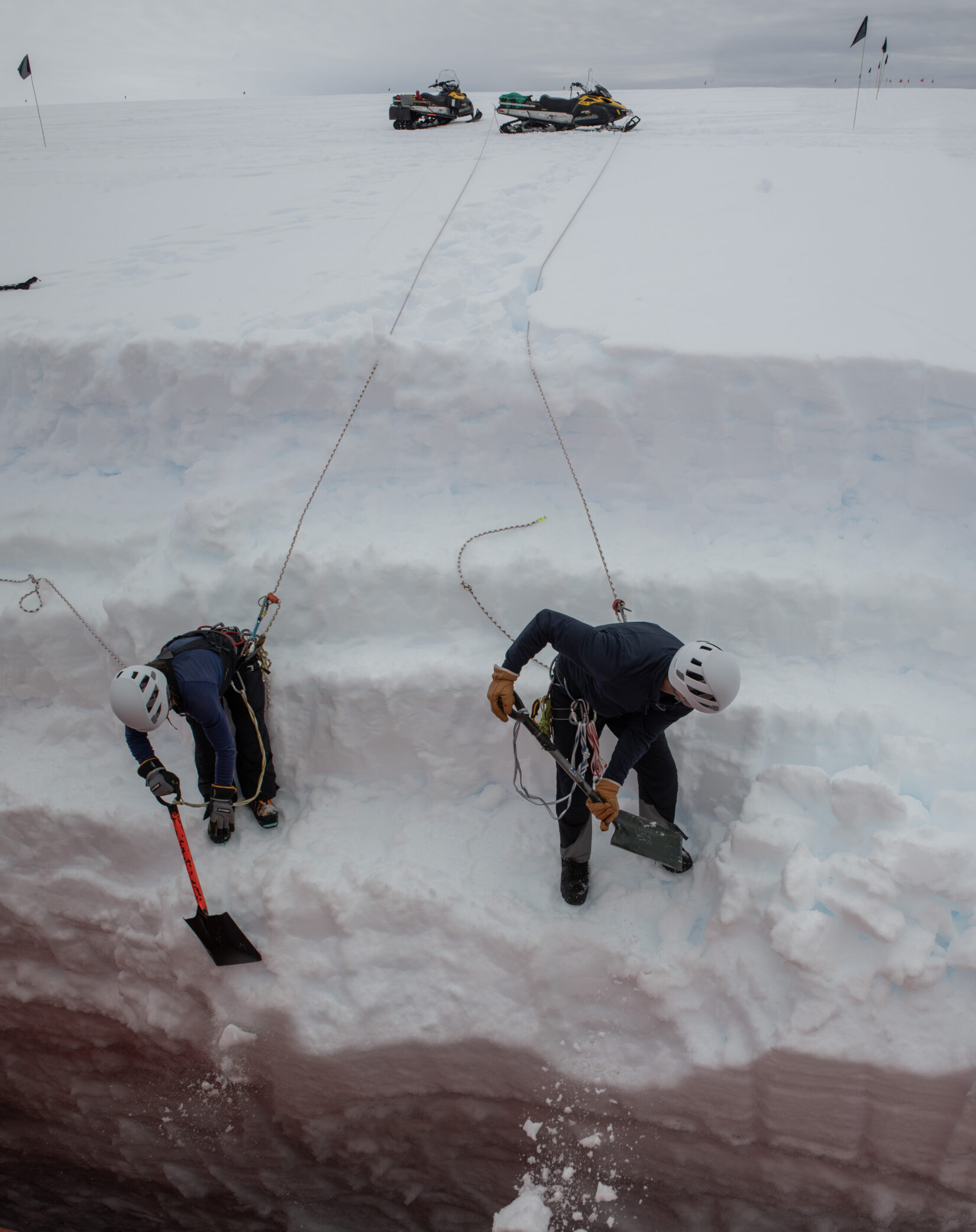
Snow digging is common for depot setup, equipment access or shelter building. Efficiency and risk awareness are key.
Environment
Weather
You’ll work in extreme cold, storms, and whiteouts. Constant risk management is essential.
Lie-up
During storms, you may lie-up in tents. This time is used for rest and staying occupied.
Crevasses
Crevasses can be hidden beneath the snow. You must know how to avoid them and conduct rescue operations safely.
Career progression
The Field Guide role is incredibly varied. The skill set required to do the job competently is vast and takes many years to learn fully. Being an experienced mountaineer is just the start
You may progress to lead field guide, station leader, field operations manager or Polar operations director. The role offers significant development for those committed to supporting polar science.
Every Field Guide’s journey with BAS has been different and we would encourage anyone interested in the role to speak with existing Field Guides working for BAS to gain a more in-depth insight into this incredible opportunity.
Our Antarctic-only roles are posted here between December and March each year. To get email updates when jobs go live sign up here. For enquiries please contact jobs@bas.ac.uk.