Glacial Processes Satellite

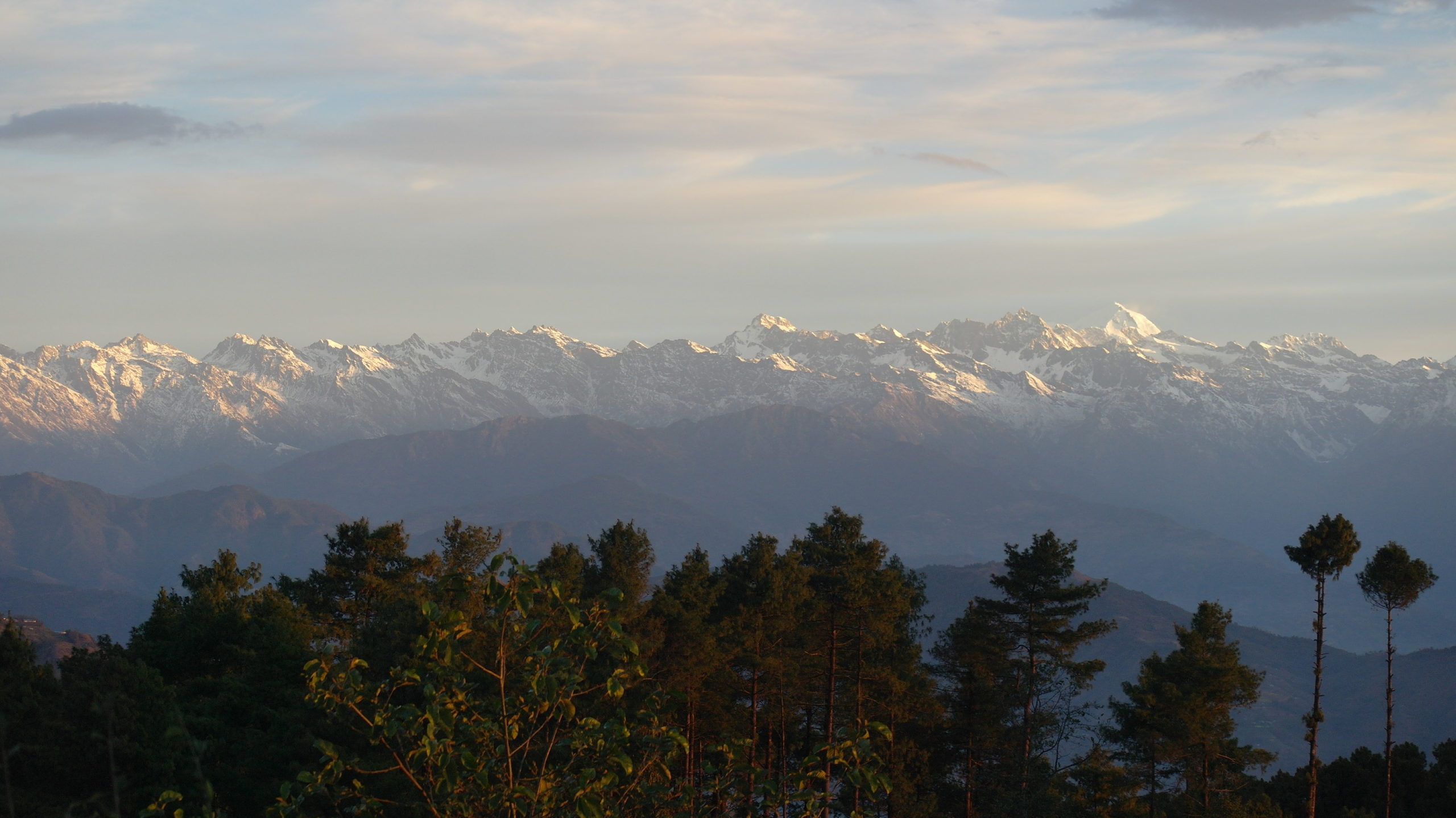
Bedmap Himalayas measures how much water is stored as glacier ice in High Mountain Asia.
The project maps ice thickness using radar. Surveys are carried out by helicopter over large and rugged mountain terrain. This approach allows safe measurement of glaciers that would be impossible to survey on foot.
Glacier melt provides vital water during dry seasons. It supports river flow, irrigation, and hydropower. Millions of people downstream depend on this meltwater for crops, energy, and livelihoods.
High Mountain Asia has the largest concentration of glaciers outside Alaska. About 800 million people rely on them. In the Indus catchment, 237 million people depend heavily on glacier runoff. In Bhutan, a quarter of national income comes from glacier-fed hydropower.
Climate change is shrinking glaciers. Between 2003 and 2009, the region lost between 12 and 26 billion tonnes of ice per year – equivalent to 12 River Thames volumes annually. Knowing how thick glaciers are is crucial to predicting future water supply.
Bedmap Himalayas uses radar surveys to measure ice thickness:
The project aims to:
Bedmap Himalayas is led by BAS with support from core funding and grants. Fieldwork involves pilots, engineers, and local support teams including porters.
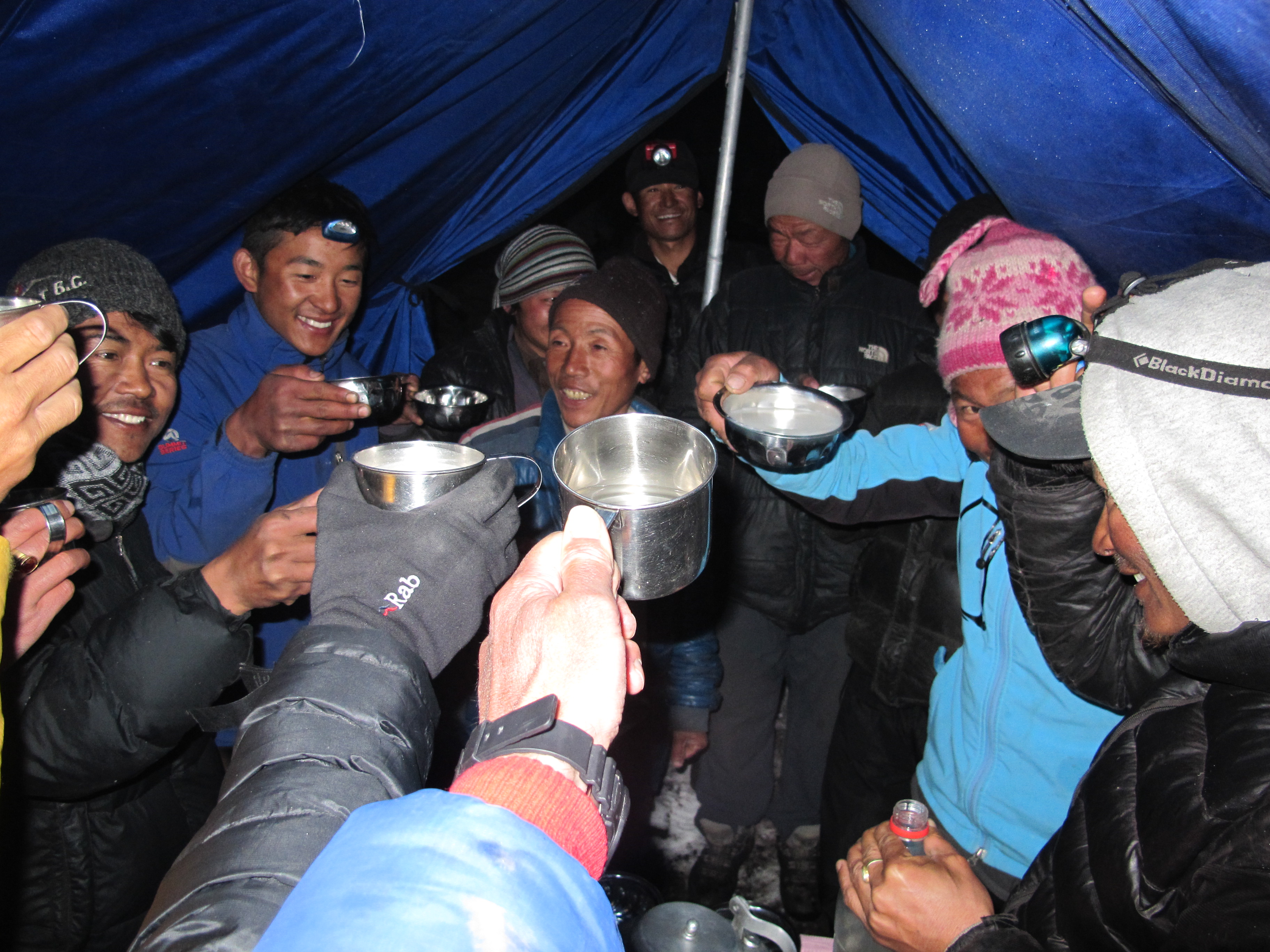
Enjoying a hot mug of chhaang with the guides and porters. (Credit: Ian Willis)
The project aims to:
Glacial Processes Satellite
Earlier this year I spent two months doing fieldwork in the Hindu-Kush Himalaya mountain region in South and Central Asia. It hosts the largest volume of ice and snow outside the polar regions and, for this reason, […]
How much water the mountain glaciers of the Himalayas contain and how the mighty Thwaites Glacier in West Antarctica will contribute to global sea-level rise form part of the final […]
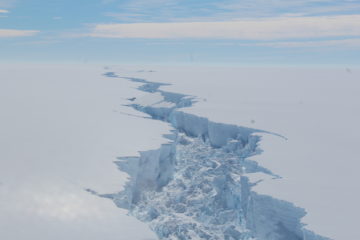
In 2011, Frozen Planet gave BBC viewers an unprecedented insight into life in the Poles. The final episode featured British Antarctic Survey (BAS) glaciologist Dr Andy Smith using explosives to […]
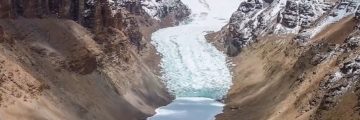
Technology pioneered in Antarctica could soon be providing much-needed data on the amount of ice in the glaciers of High Mountain Asia thanks to an ingenious helicopter-mounted, low-frequency radar developed […]
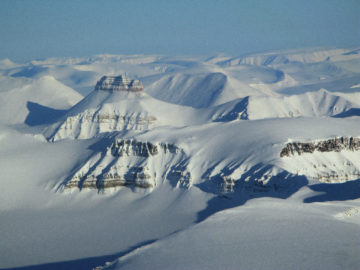
ODA funds – expertise to address major challenges facing the developing world
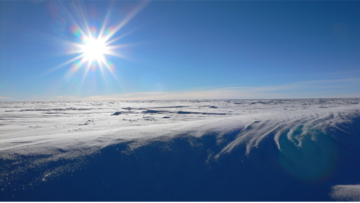
The UK’s only Arctic Research Station, also known as ‘Harland-Cox Huset’, is situation in the international research community of Ny-Ålesund, on Svalbard.