
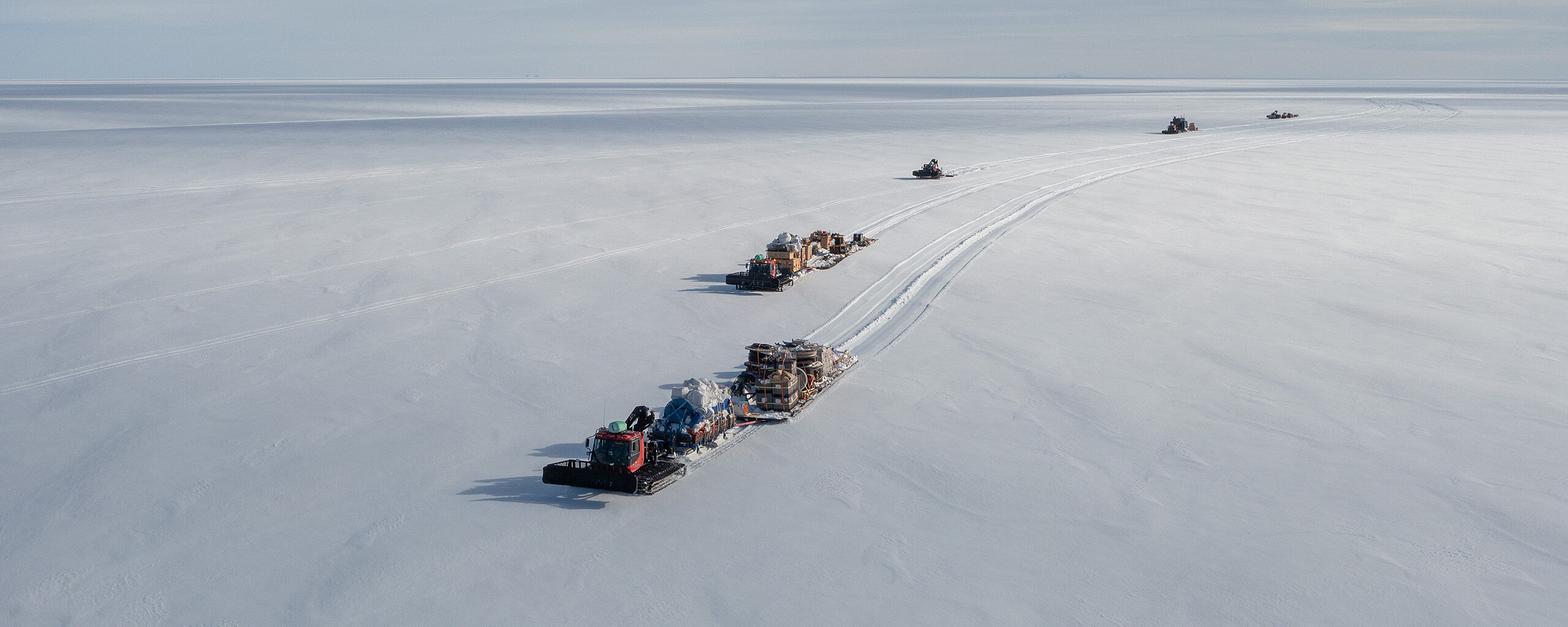
From the Polar regions to High Mountain Asia, British Antarctic Survey (BAS) is at the forefront of international science and discovery.
Our deep expertise in Earth’s frozen places is crucial to decision-making on climate, biodiversity, and sustainable development. This work helps protect the planet and sustain the lives of all of us.
Antarctica
Antarctica is Earth’s largest and most untouched wilderness. It may seem remote, but this frozen continent drives the planet’s climate, weather, and ocean currents. Its massive ice sheet averages 2km thick. It stores 60% of the world’s fresh water and shapes global environmental cycles.
From towering mountains to endless ice plains, Antarctica’s landscapes are breathtaking. The Southern Ocean teems with life. Whales, seals, penguins, and seabirds thrive here. Swarms of tiny krill support the entire ecosystem. BAS scientists study these important animal populations, as well as the ocean, ice shelves, and atmospheric phenomena.
We are unlocking the secrets of Earth’s climate history, with evidence from Antarctica’s bedrock, sea floor and ice. Our work helps to understand and predict climate change, and monitor the ozone layer’s recovery.
BIOPOLE
BIOPOLE studies how climate change is affecting the release of nutrients from the polar regions, and their redistribution around the world’s oceans.
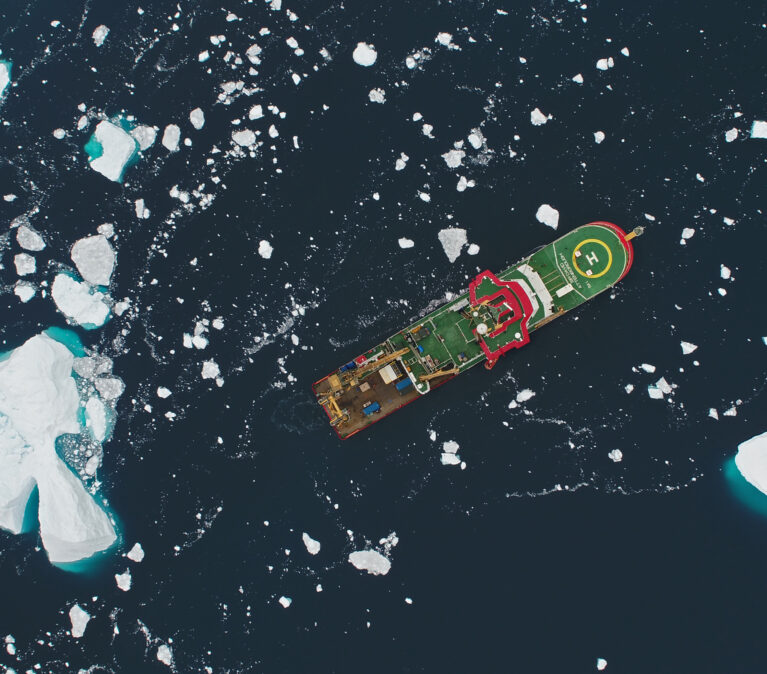
OCEAN:ICE
OCEAN:ICE studies how Antarctic ice and Southern Ocean processes drive sea-level rise and influence global climate, using new data and advanced ice–ocean–climate models.
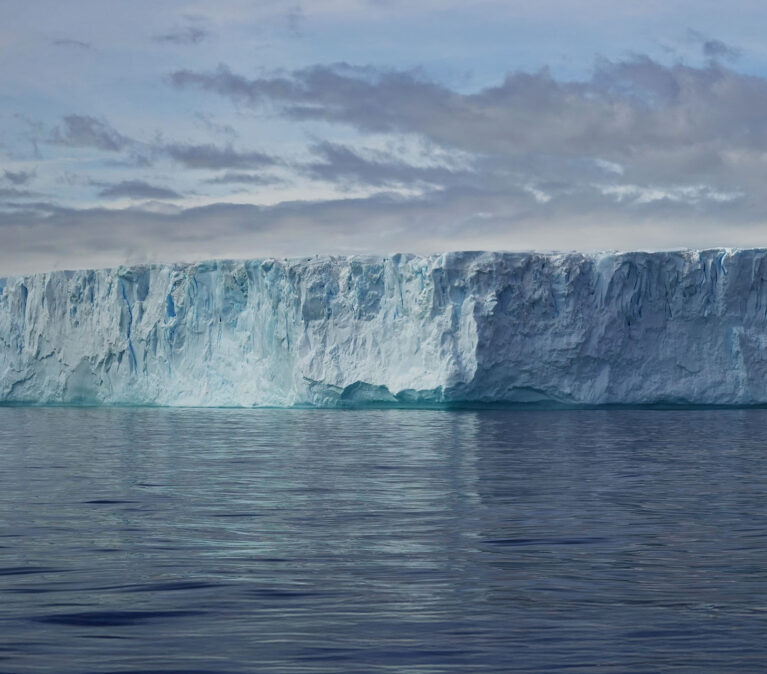
Beyond Epica
Beyond Epica – Oldest Ice drilled Antarctic cores up to 1.5 million years old. It explored past climate and greenhouse gas cycles, building on the Dome C ice record.
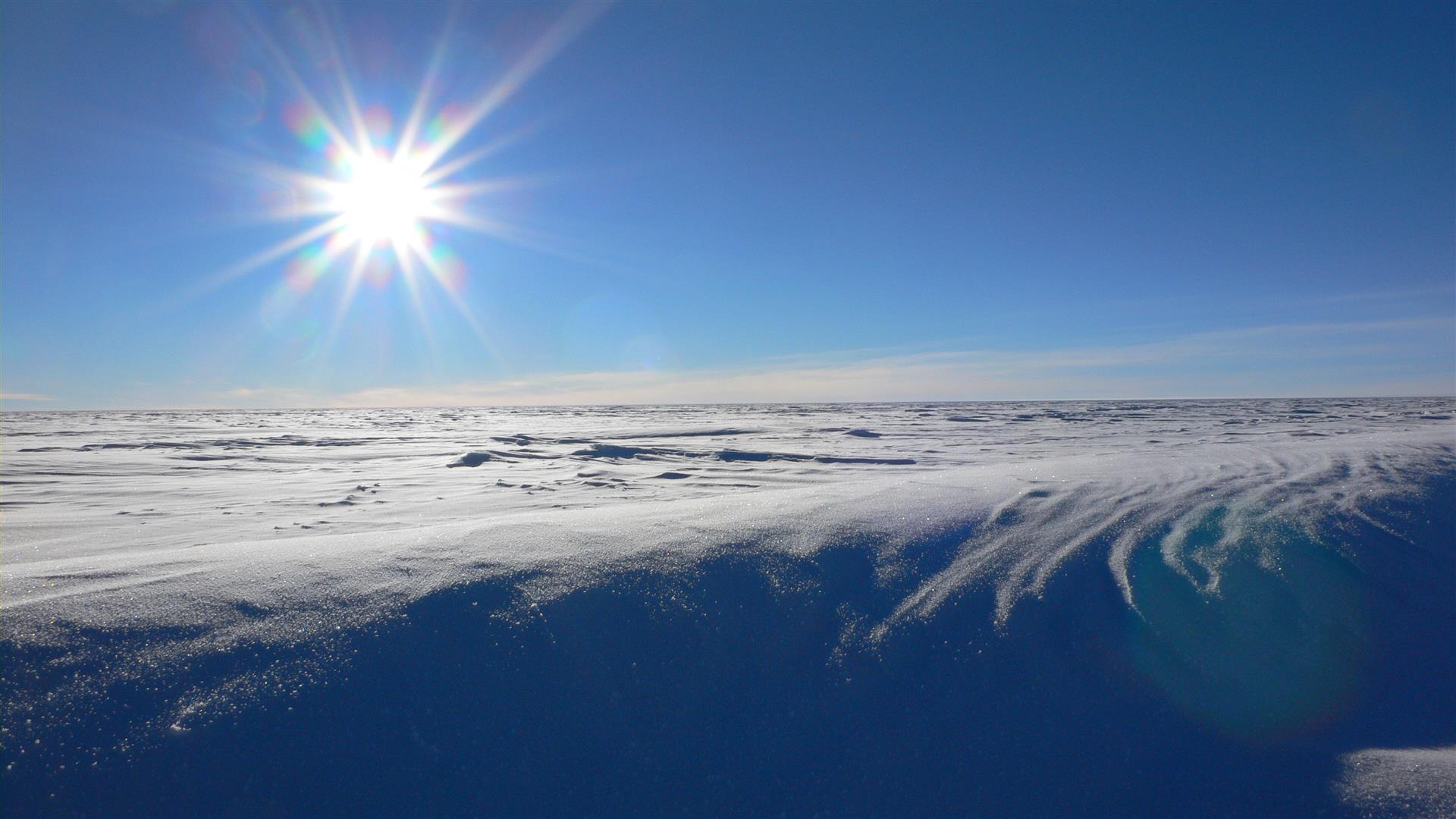
The Arctic
The Arctic is warming twice as fast as the global average. Ice, oceans, and ecosystems are changing rapidly. BAS operates the UK Arctic research station in Ny-Ålesund, Svalbard. The station supports international studies in oceanography, atmospheric chemistry, sea-ice dynamics, and biology. This research informs global climate policy.
In Greenland, the GIANT project is investigating the detail of how glaciers are melted by warming oceans. The findings will help predict when huge quantities of new fresh water could affect the Atlantic Ocean – and the climate in the UK and Europe.
The changing Arctic also brings new opportunities and challenges. Shipping routes, natural resources, fisheries, and tourism are expanding. Our scientists help ensure this growth is guided by science. We support sustainable development and responsible governance in one of the planet’s most fragile regions.
Up in the mountains
If it’s cold enough and high enough, there’s a great chance you’ll find our scientists there.
Our ongoing Bedmap Himalayas project, for example, tracks the amount of water stored in glacier ice across High Mountain Asia. Understanding how thick glaciers are is vital for predicting future water supply. The project uses radar to map ice thickness. Helicopter surveys cover vast, rugged mountain terrain, enabling safe measurements of glaciers that would be impossible to access on foot.
BAS researchers have brought their polar expertise to the European mountains, launching weather balloons in the Alps to study atmospheric processes. Our work improves understanding of mountain atmospheres and feeds into global climate models, combined with data from Halley and Rothera Stations in Antarctica.
Wherever else we can help
During the 2025 Northern Hemisphere summer, we extended our reach to Brazil’s Amazon rainforest. Our Twin Otter aircraft supported the European Space Agency’s CarbonARA initiative. The project monitors carbon cycles and climate impacts. It is a collaboration with Brazilian and international partners.
This furthered our proud tradition of scientific collaboration involving aircraft. For example, in previous summers we’ve assisted in Europe and North America on surveying missions and in response to forest fires.