A new way to create Saturn’s radiation belts
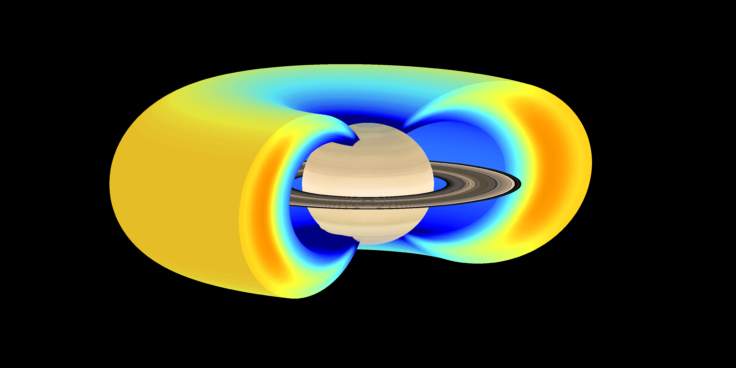
A team of international scientists from BAS, University of Iowa and GFZ German Research Centre for Geosciences has discovered a new method to explain how radiation belts are formed around […]

5 of 5 results
A team of international scientists from BAS, University of Iowa and GFZ German Research Centre for Geosciences has discovered a new method to explain how radiation belts are formed around […]
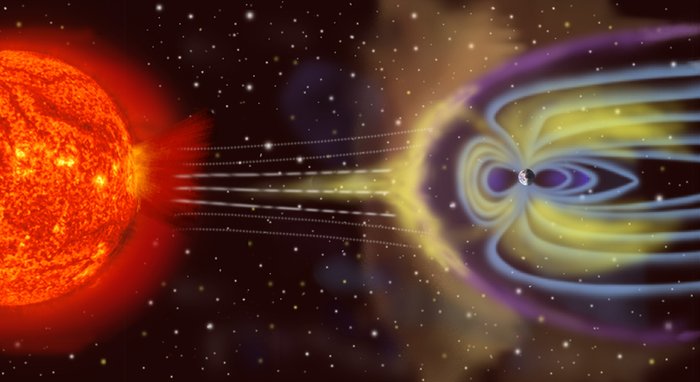
Concern at government level in the UK is such that severe space weather was added to the UK’s National Risk Register of Civil Emergencies.
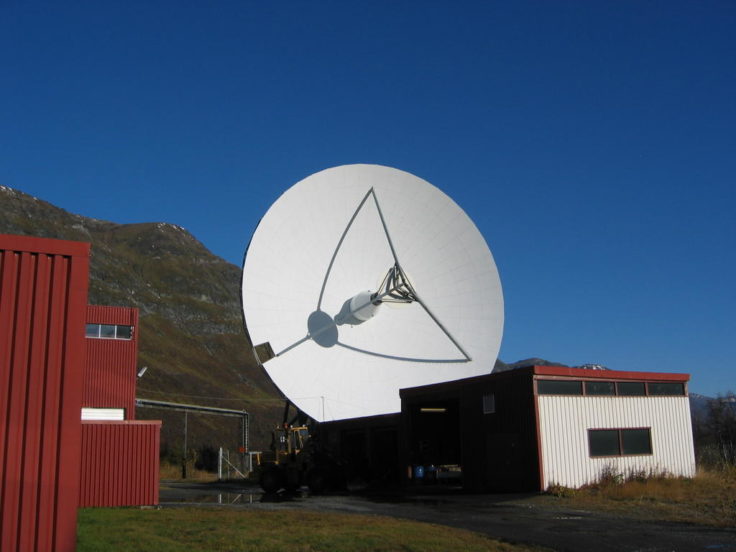
The UK EISCAT support group (UKESG) is a collaboration between the British Antarctic Survey and the Rutherford Appleton Laboratory, funded via the National Centre for Atmospheric Science (NCAS).
This project explored the radiation belts of the Earth, Jupiter and Saturn to help set new research goals for future spacecraft missions to the planets and develop computer models that will be of direct use to the space insurance, satellite construction and satellite service industries.
The objective of QEPPA is to work out the amount of charged particles that hit our atmosphere during space weather events in order to improve how our models represent this effect on our atmosphere and climate.