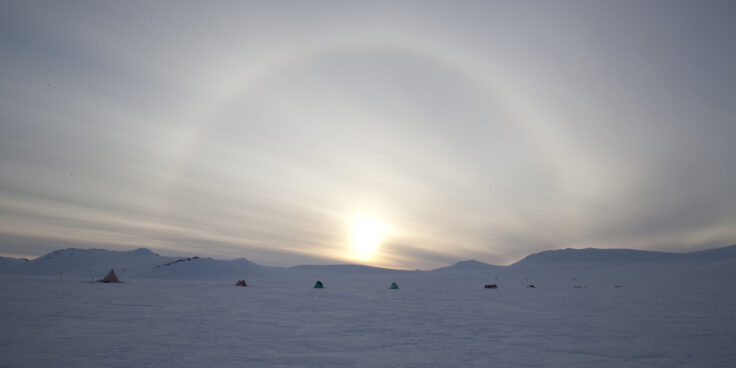
Geomagnetic storm sounds inspire new album
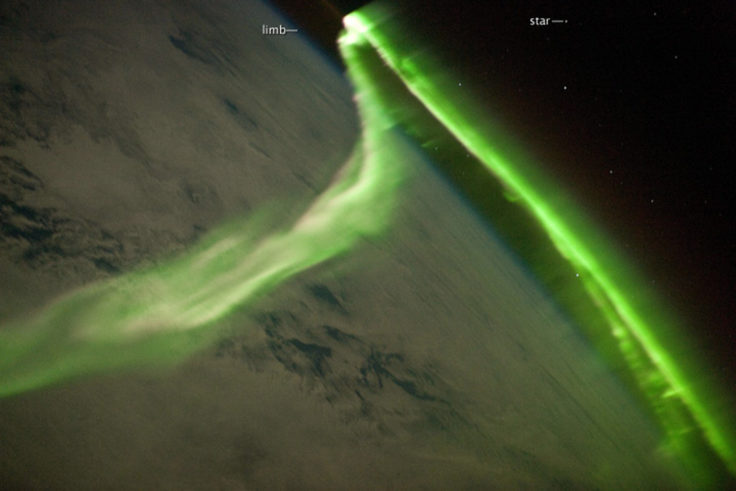
A new album inspired by the sounds of radio waves produced by a geomagnetic storm has been released. St Swithin’s Day Storm is a collaboration with Steven Anderson, known as […]

1 to 12 of 21 results
A new album inspired by the sounds of radio waves produced by a geomagnetic storm has been released. St Swithin’s Day Storm is a collaboration with Steven Anderson, known as […]
Space weather research at British Antarctic Survey (BAS) receives a funding boost of around £2M today (Saturday 27 June) from the SWIMMR (Space Weather Instrumentation, Measurement, Modelling and Risk) programme. […]
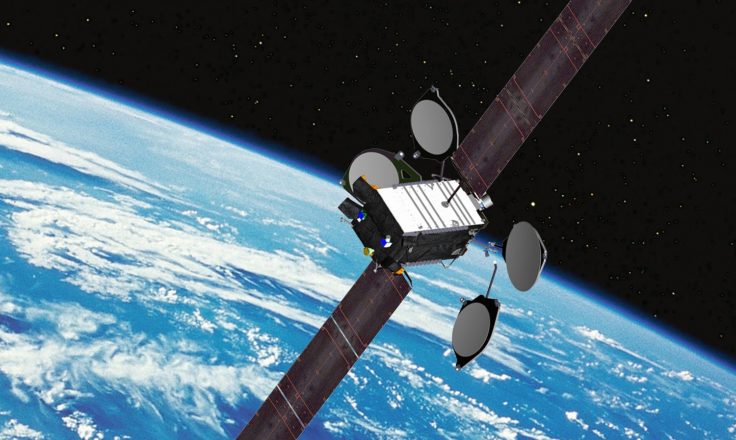
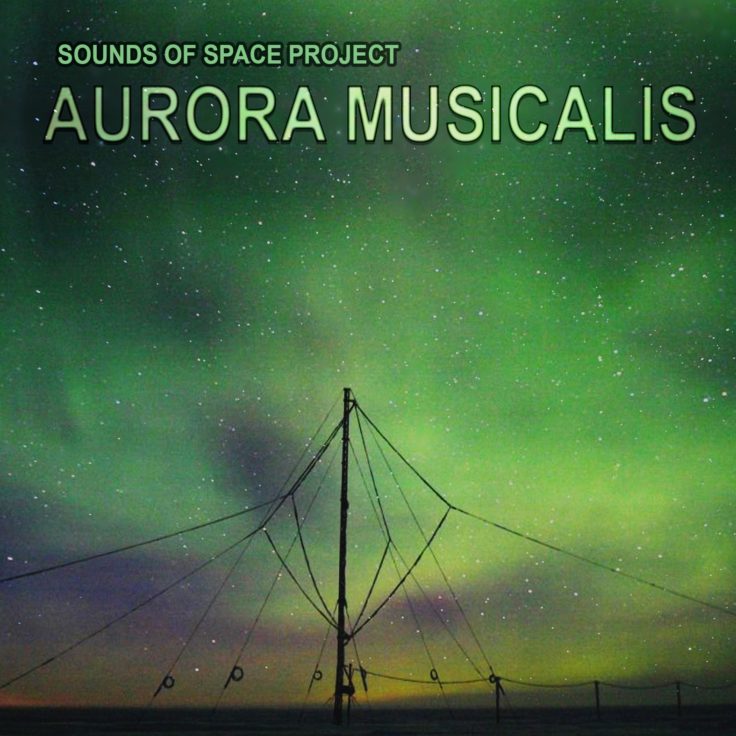
A new album with the unique ‘sounds of space’ recorded from Antarctica is released free today (6 May 2020). Aurora Musicalis contains the natural radio ‘sounds’ of our planet, recorded […]
British Antarctic Survey is pleased to announce the Appleton Prize 2020 has been awarded to Professor Richard Horne, Head of the Space Weather and Atmosphere science team at British Antarctic […]

A ‘great’ space weather super-storm large enough to cause significant disruption to our electronic and networked systems occurred on average once in every 25 years. The results are published today […]
The use of electric propulsion for raising satellites into geostationary orbit can result in significant solar cell degradation according to a new study. The extended journey results in greater exposure […]
British Antarctic Survey space weather scientist, Dr Mark Clilverd, has been awarded a prestigious award from the Royal Astronomical Society (RAS) in their 2019 Awards. The award recognises Mark as […]
SWIGS investigated how space weather drives geomagnetically induced currents in power grids, pipelines, and railways.
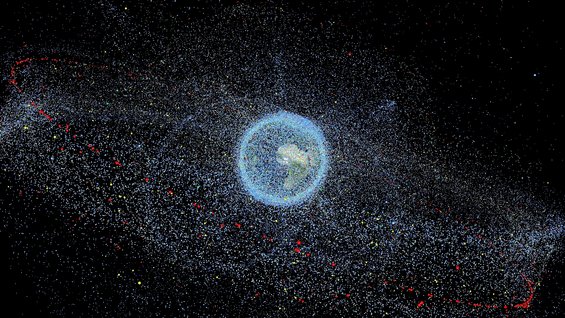
Joule Heating investigated how space weather affects the upper atmosphere’s ability to slow down orbiting satellite debris.
Understanding of how Jupiter’s magnetic field interacts with its moons and with intense particle radiation.

Concern at government level in the UK is such that severe space weather was added to the UK’s National Risk Register of Civil Emergencies.
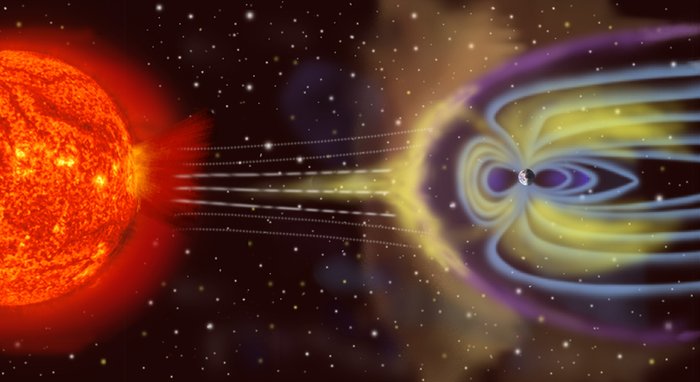
Using meteorological statistical techniques, THeMES aimed to improve satellite trajectory predictions and identify which orbital paths face the greatest risk from space weather disturbances.