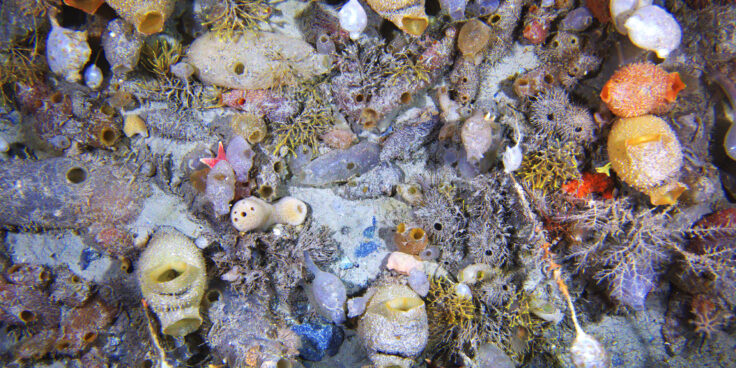
Update from Thwaites Glacier: when science doesn’t go your way
Researchers from British Antarctic Survey (BAS) and South Korea (KOPRI) have concluded a highly ambitious field operation at Thwaites Glacier, West Antarctica.

1 to 12 of 92 results
Researchers from British Antarctic Survey (BAS) and South Korea (KOPRI) have concluded a highly ambitious field operation at Thwaites Glacier, West Antarctica.
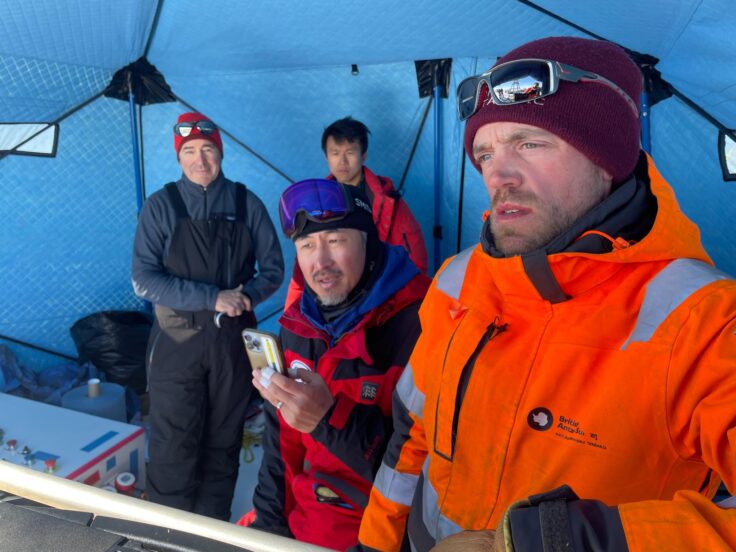
A team of researchers from the UK and Korea has reached the most inaccessible and least-understood part of Thwaites Glacier in West Antarctica where they will drill through the glacier to directly observe how warm ocean water is melting it from below.
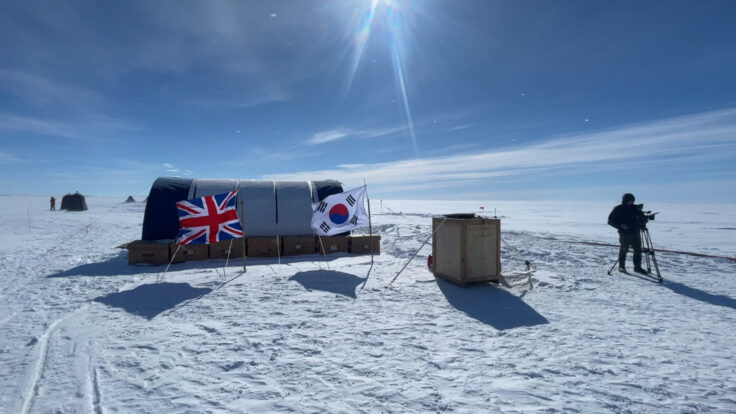
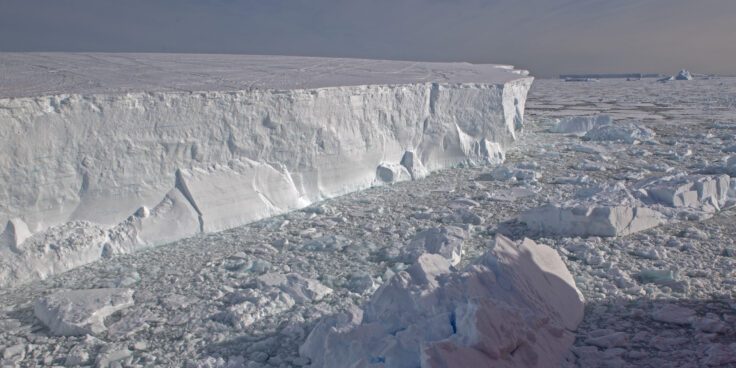
An international team of researchers, led by British Antarctic Survey (BAS), is setting out to discover how glacier calving around Antarctica can trigger powerful underwater tsunamis.
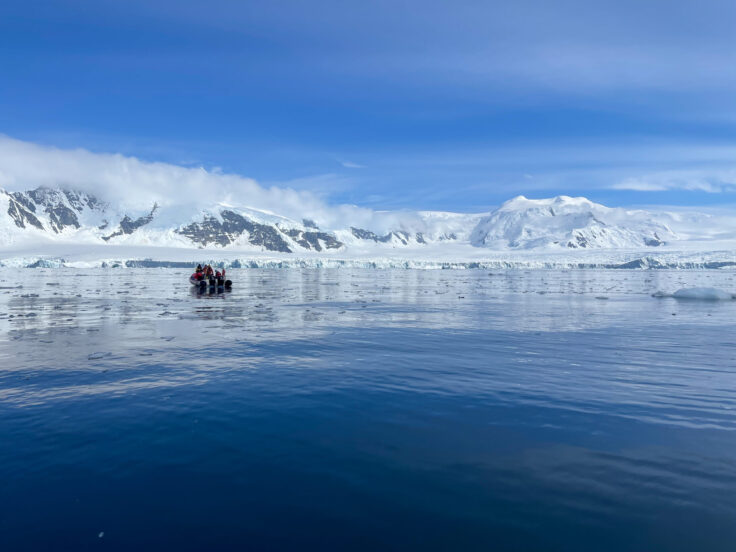
Scientists have uncovered how changing ocean currents in South Georgia’s fjords could affect the survival of young mackerel icefish. The species is a key component of the island’s rich marine […]
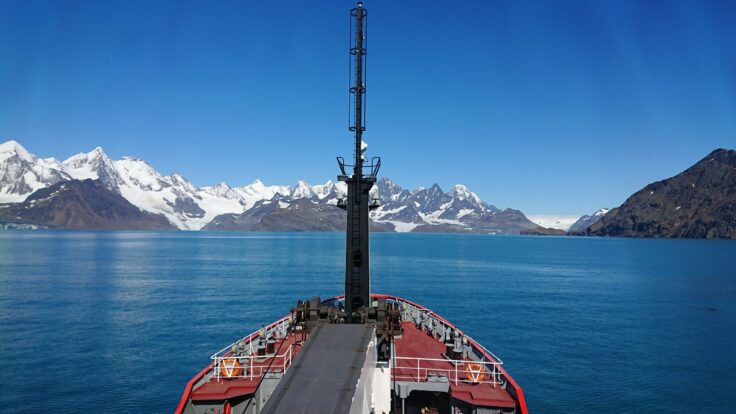
Professor Mike Meredith is an oceanographer at British Antarctic Survey. He concludes a first of its kind science cruise on the RRS Sir David Attenborough conducting research in the polar winter.

Scientists have collected measurements close to a giant iceberg, giving an unprecedented window into the impact of meltwater on the surrounding Southern Ocean and ecosystem.
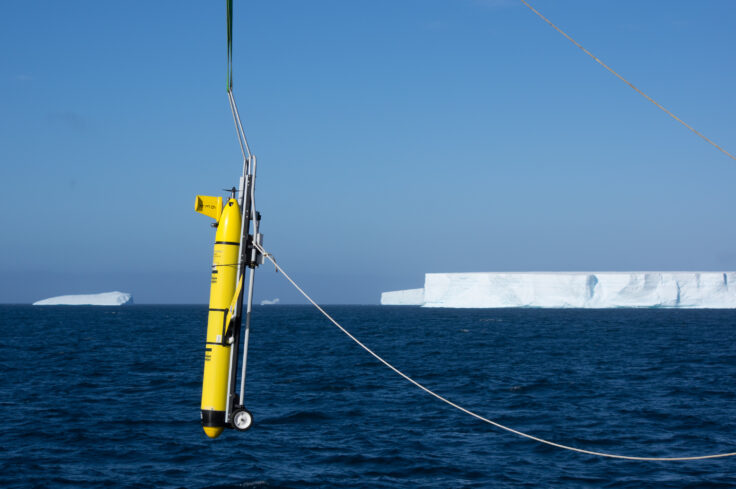
Scientists return to the Southern Ocean this week (5 February 2025), as part of the BIOPOLE project, to answer fundamental questions about how nutrients drive the global carbon cycle and ocean ecosystems.
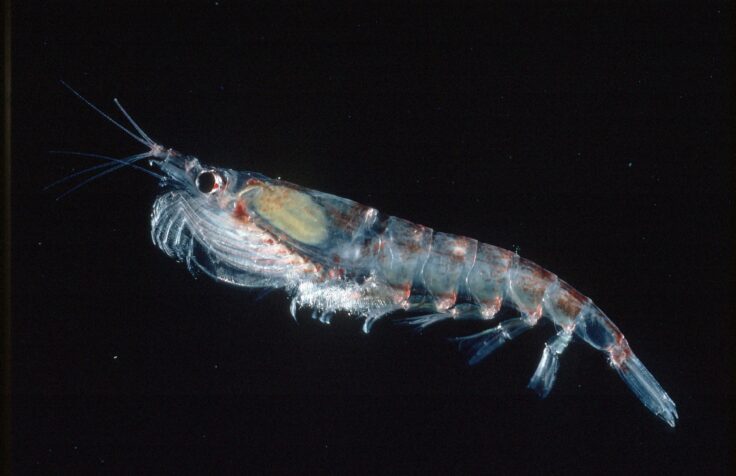
New research shows that increased levels of plastic pollution in the Southern Ocean could reduce the ability of Antarctic krill, a tiny shrimp-like crustacean, to help take CO2 from the atmosphere.
An international research team, led by British Antarctic Survey (BAS), has been awarded £3.7M to advance a ground-breaking study on how underwater tsunamis are triggered by glacier calving around Antarctica.
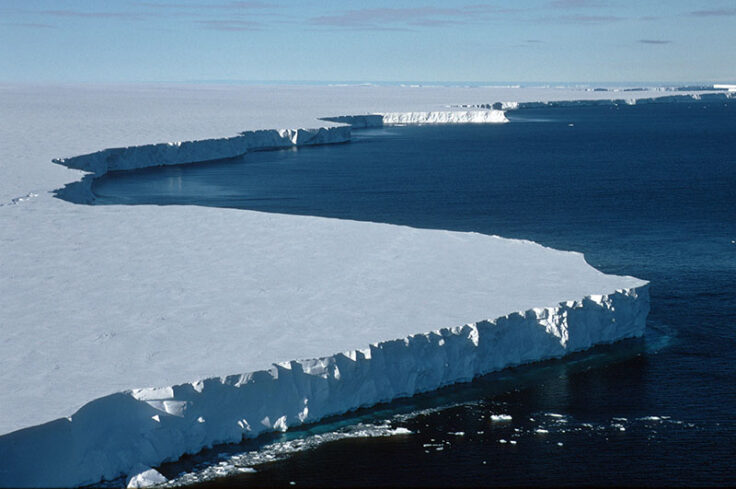
POLOMINTS investigates how glacier calving triggers internal tsunamis, reshaping polar ocean mixing and influencing climate, ecosystems, and carbon cycling.
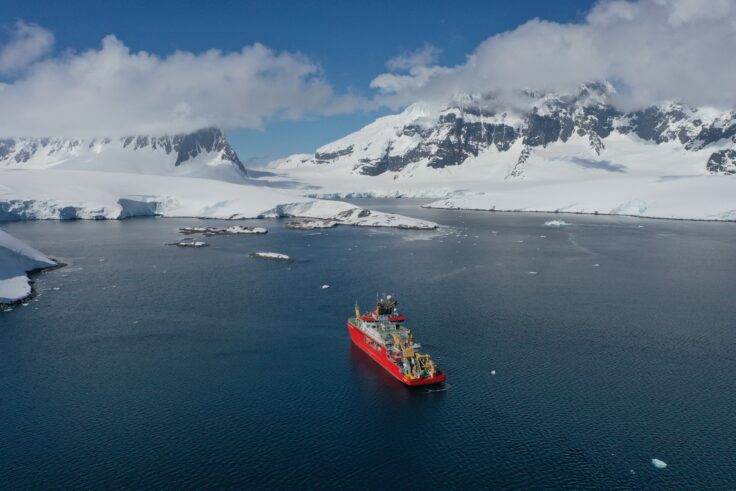
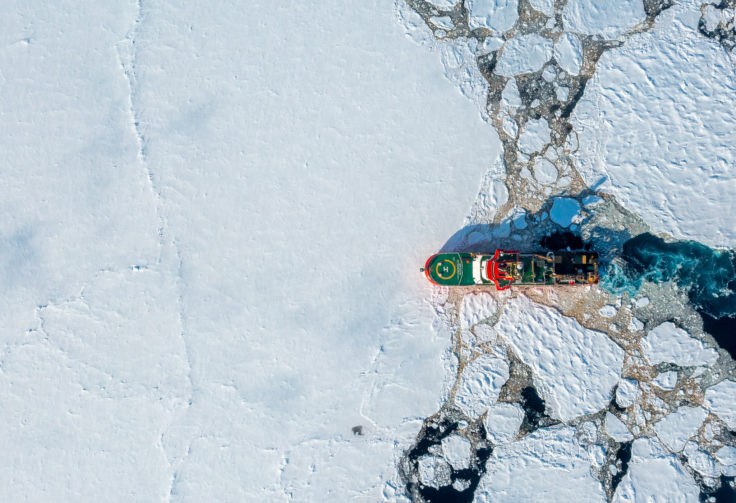
A team of international researchers set sail on the RRS Sir David Attenborough today (20 November) to answer some of the big questions about how Antarctic ecosystems and sea ice drive global ocean cycles of carbon and nutrients.
Antarctic seafloor ecosystems are both unique and fragile. Studying their past and present gives us valuable insights into how climate change may reshape them.