SO-AntEco Biodiversity
In this collaboration with the Natural History Museum (NHM) and the University of Liverpool, we have developed novel methods for using existing data to contribute to marine conservation and fisheries […]


73 to 84 of 112 results
In this collaboration with the Natural History Museum (NHM) and the University of Liverpool, we have developed novel methods for using existing data to contribute to marine conservation and fisheries […]
A new study on how molluscs build their shells in the sub-zero waters of Antarctica is published today (Friday 11 November) in the journal Scientific Reports. A team of European […]
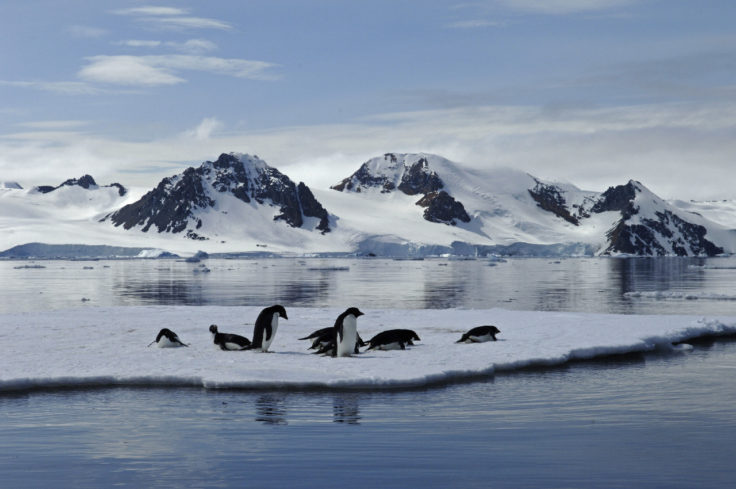
HOBART, Australia: The world’s experts on Antarctic marine conservation have this week agreed to establish a marine protected area (MPA) in Antarctica’s Ross Sea. At the meeting of the Commission […]
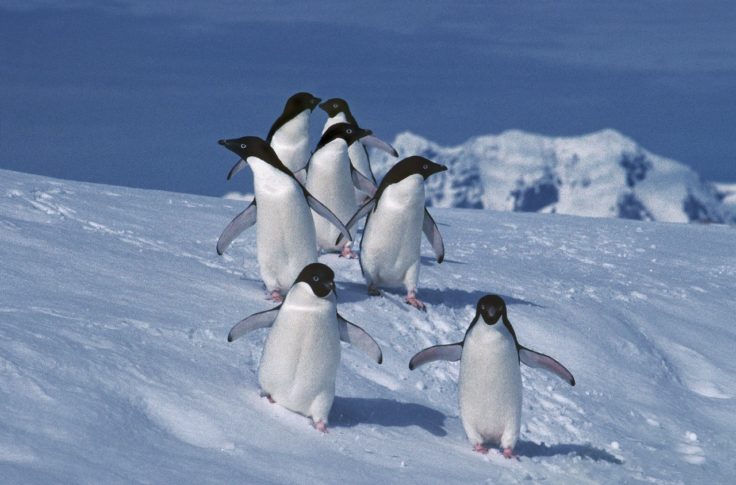
Shallow-water ecosystems are a major carbon sink, as many species living on the seafloor use carbon to build their tissue and shells. This carbon can become part of seafloor sediment […]
Keel-laying ceremony at Cammell Laird
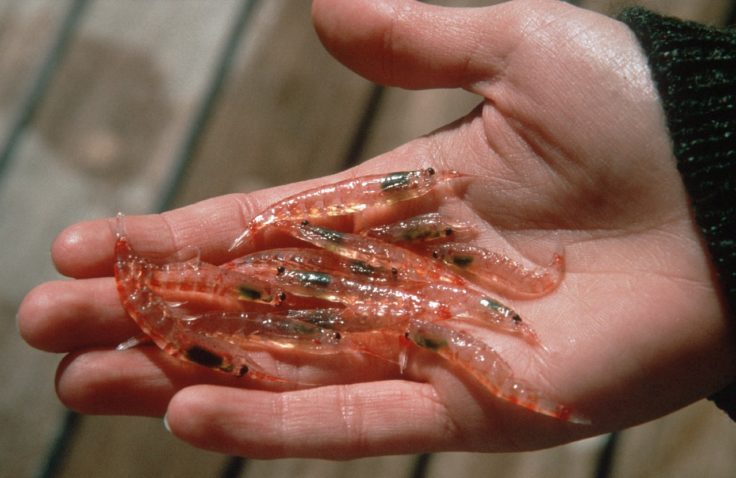
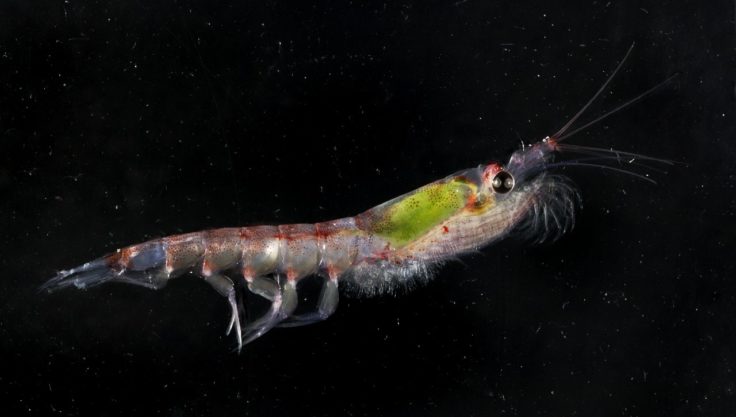
Scientists have discovered that Antarctic krill – a tiny shrimp-like crustacean – plays a key role in fertilising the Southern Ocean with iron, which stimulates the growth of phytoplankton, the […]
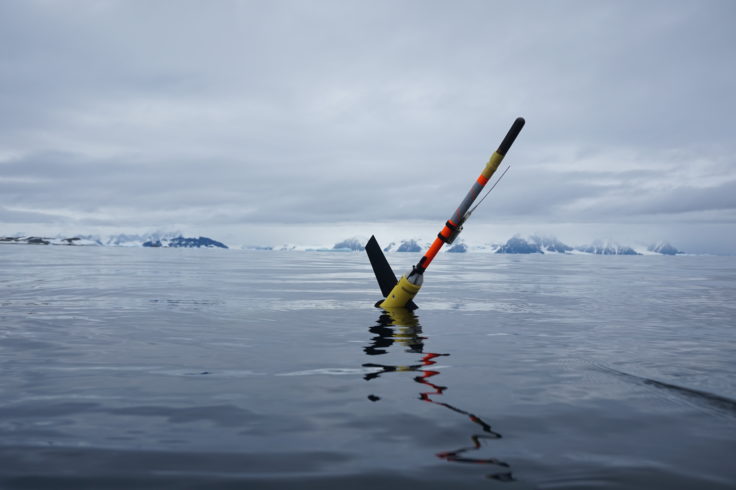
A new research platform to put UK scientists at the forefront of polar science
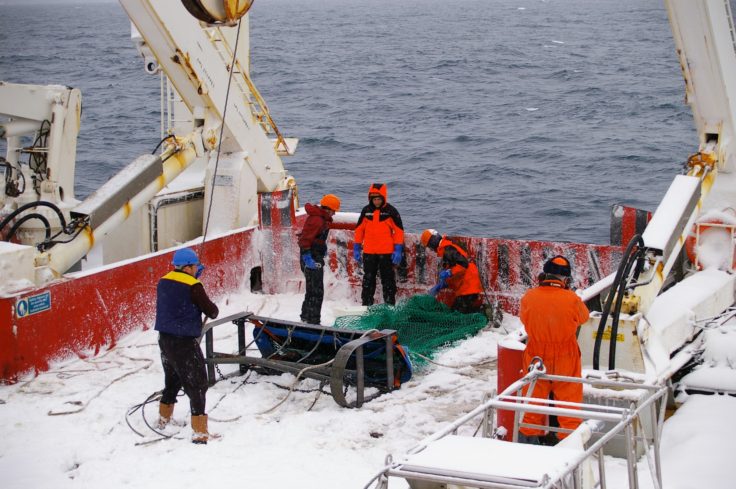
This paper shows that, contrary to long-held ideas, the intensity of competition (density of direct, physical spatial contests) differs little with latitude. However, the severity of competition (contests with a […]
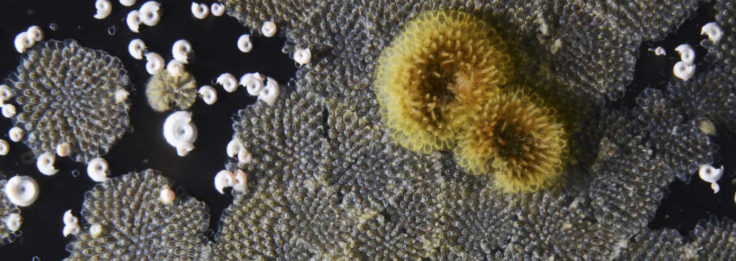
Continuous Plankton Recorder collected long-term data on plankton in the Southern Ocean which sit at the base of the food chain and are very sensitive to change.
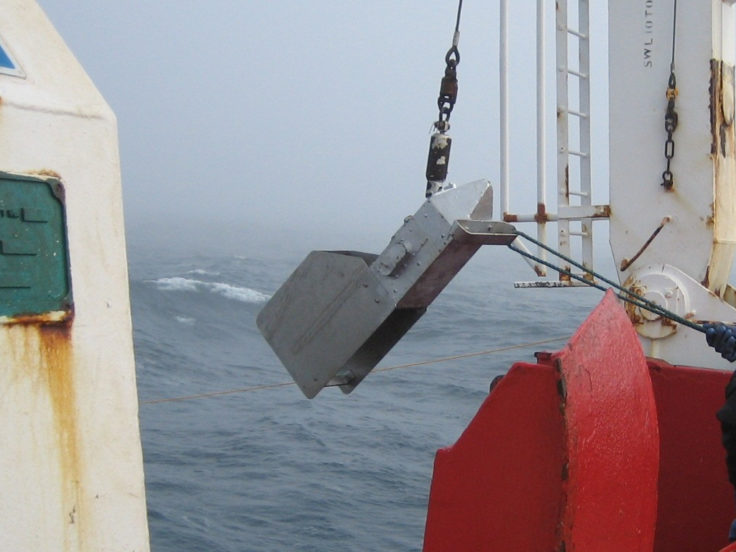
The aim of this project is to understand the biological and physical factors that produce the very large swarms of krill, or “krill hotspots” that are found in the South Orkneys region.
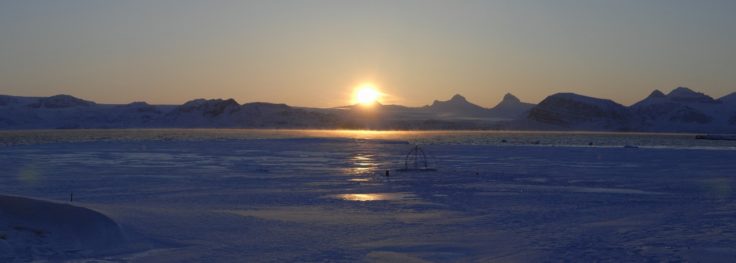
16 PhD students and Early Career Researchers have a unique opportunity to gain practical skills for working safely and effectively in the polar regions.
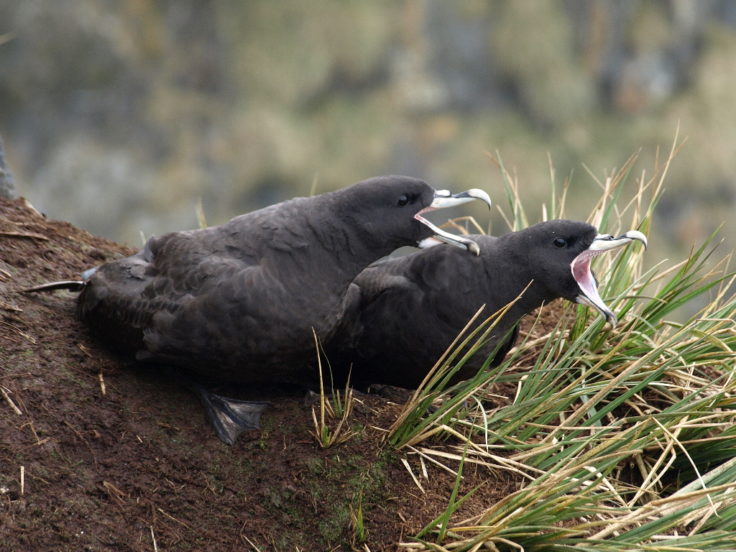
13 satellite tags were attached to white-chinned petrel chicks prior to their departure from Bird Island. The birds were tracked in near real-time using the Argos system.