Higher Predators – Long-Term Science
Higher Predators carries out long-term science to measure changes in Antarctic ecosystems. The aim is to understand the processes that drive these changes.
61 to 72 of 107 results
Higher Predators carries out long-term science to measure changes in Antarctic ecosystems. The aim is to understand the processes that drive these changes.
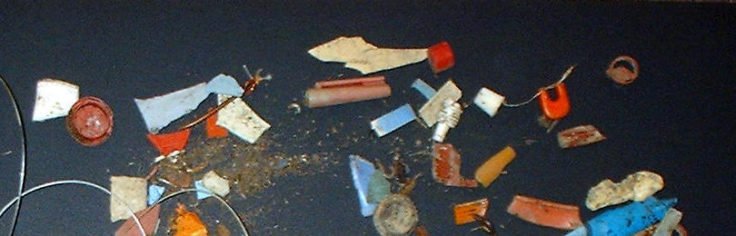
This project investigated plastic pollution across Arctic and Antarctic environments. Scientists collected water, ice, and sediment samples to quantify macro and microplastic pollution, track its sources, and assess its impact on polar wildlife.
A team of scientists, led by British Antarctic Survey (BAS), is planning an urgent mission to investigate a mysterious marine ecosystem that’s been hidden beneath an Antarctic ice shelf for […]
Polar Expertise – Supporting Development
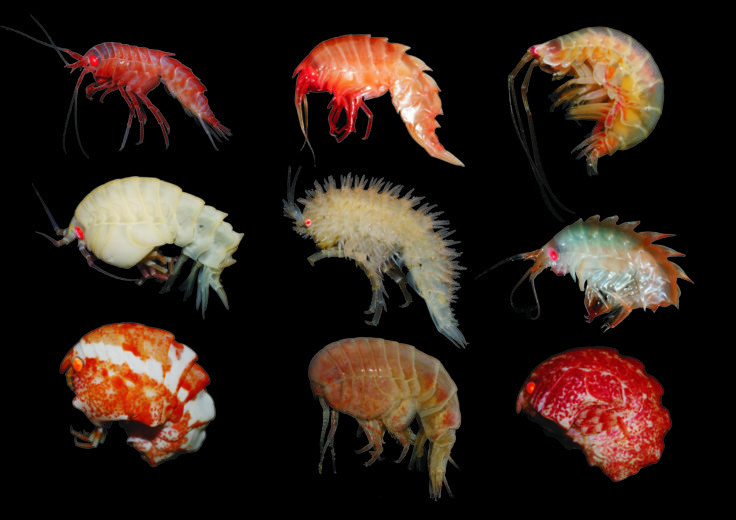
A new study of the marine invertebrates living in the seas around Antarctica reveals there will be more ‘losers’ than ‘winners’ over the next century as the Antarctic seafloor warms. […]
DATA AS ART visualises science data to create stunning and thought-provoking artworks, using real Antarctic data-sets that explain important and exciting science stories.
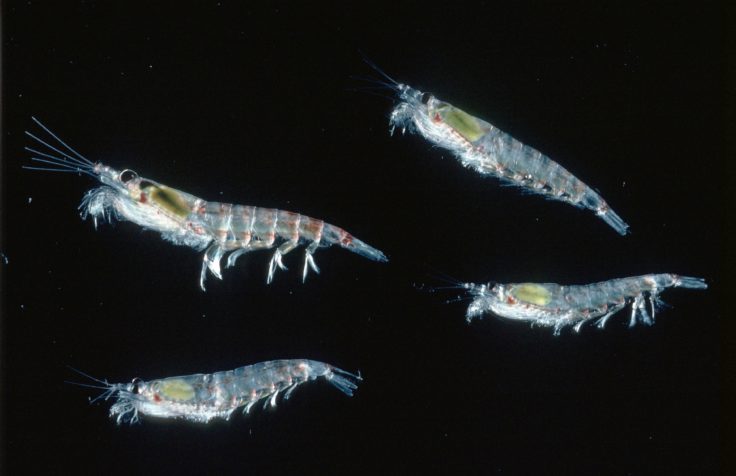
The main deliverable of the Western Core Box (WCB) is a consistent unique time series of mesoscale distribution and abundance of macro-zooplankton and micronekton, and an understanding of the physical environment they are within at South Georgia, South Atlantic (1996 – current).
In this collaboration with the Natural History Museum (NHM) and the University of Liverpool, we have developed novel methods for using existing data to contribute to marine conservation and fisheries […]
A new study on how molluscs build their shells in the sub-zero waters of Antarctica is published today (Friday 11 November) in the journal Scientific Reports. A team of European […]
HOBART, Australia: The world’s experts on Antarctic marine conservation have this week agreed to establish a marine protected area (MPA) in Antarctica’s Ross Sea. At the meeting of the Commission […]
Shallow-water ecosystems are a major carbon sink, as many species living on the seafloor use carbon to build their tissue and shells. This carbon can become part of seafloor sediment […]
Keel-laying ceremony at Cammell Laird