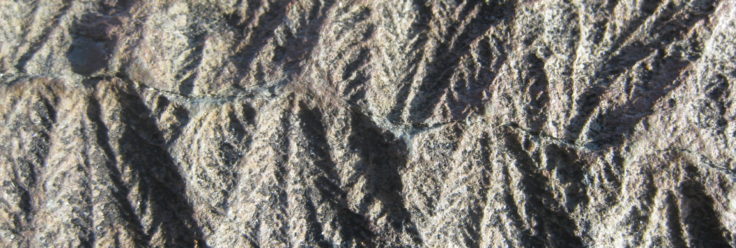
Learning about the first animals from life at the poles
The amazing survival strategies of polar marine creatures might help to explain how the first animals on Earth could have evolved earlier than the oldest fossils suggest according to new […]

25 to 36 of 112 results
The amazing survival strategies of polar marine creatures might help to explain how the first animals on Earth could have evolved earlier than the oldest fossils suggest according to new […]
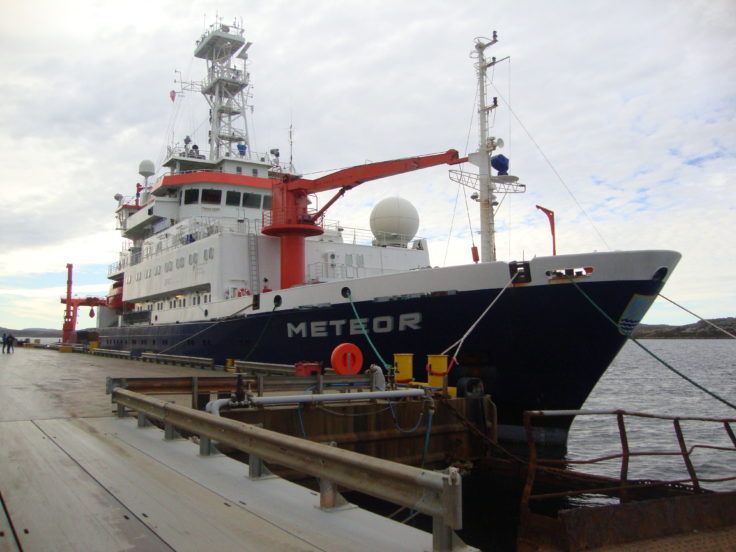
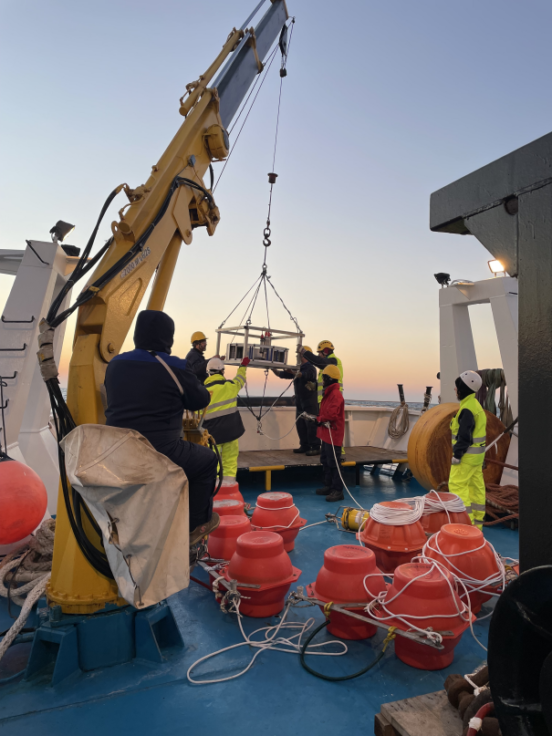
HEXPLORES searches for active hydrothermal vents in the Red Sea Rift. The Rift contains the world’s largest submarine metalliferous sulphide deposit. Yet no active vent systems have been located there.
New equipment designed by British Antarctic Survey is helping scientists to study the impact of microplastics in the ocean. The Ocean Plastic Incubator Chamber (OPIC) exposes various types of plastics […]
A new Data Portal is being launched today by the British Antarctic Survey and the Government of South Georgia and the South Sandwich Islands (GSGSSI), which will help to enhance the management of one of the world’s largest Marine Protected Areas (MPAs).
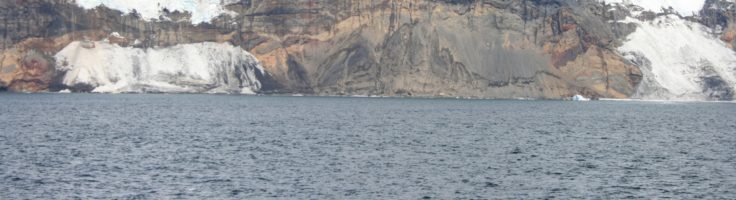
A new dataset featuring hundreds of satellite images of whales has been published to support the development of artificial intelligence systems which will aid crucial conservation work.
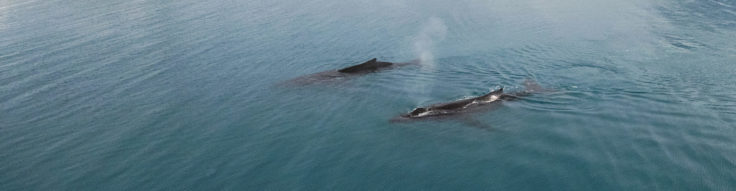
New research shows the slow growth in Antarctic fish is linked to problems making proteins.
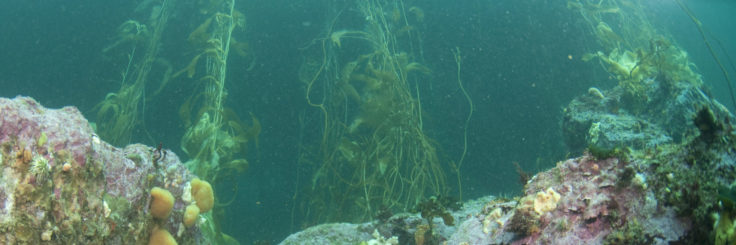
A new study highlights there could be up to four times more fish in the mesopelagic, or ‘twilight’, zone of the Southern Ocean than previously thought. Scientists at British Antarctic […]
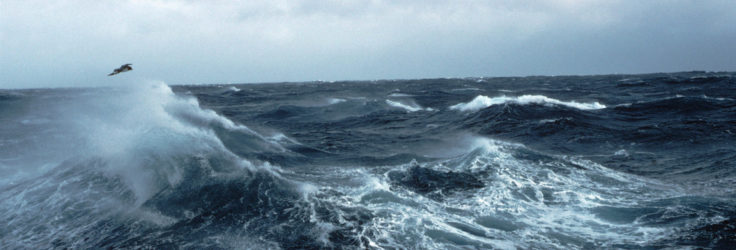
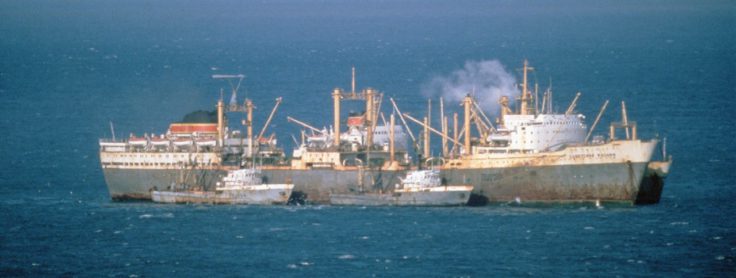
Marine life hitching a ride on ocean-crossing ships poses a threat to Antarctica’s pristine ecosystems, with the potential for invasive species to arrive from almost anywhere across the globe, say […]
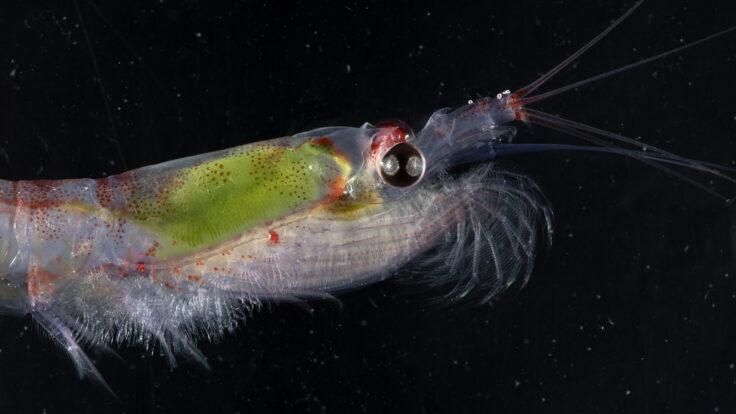
The winter krill project monitors Antarctic krill and predator overlap around South Georgia. Research informs conservation and ecosystem management.
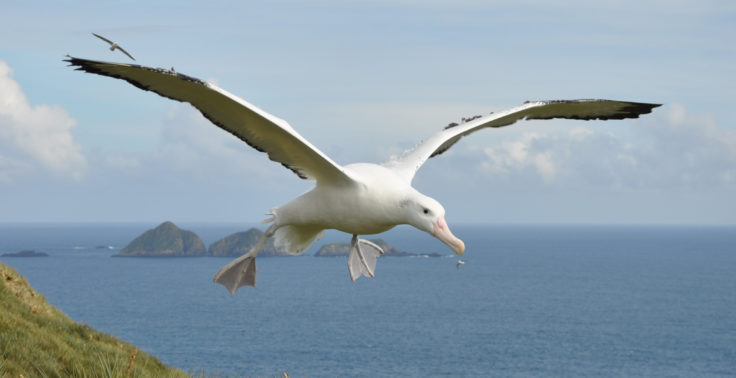
Tracking and monitoring of seabirds e.g. wandering albatrosses and white-chinned petrels at South Georgia to support conservation.
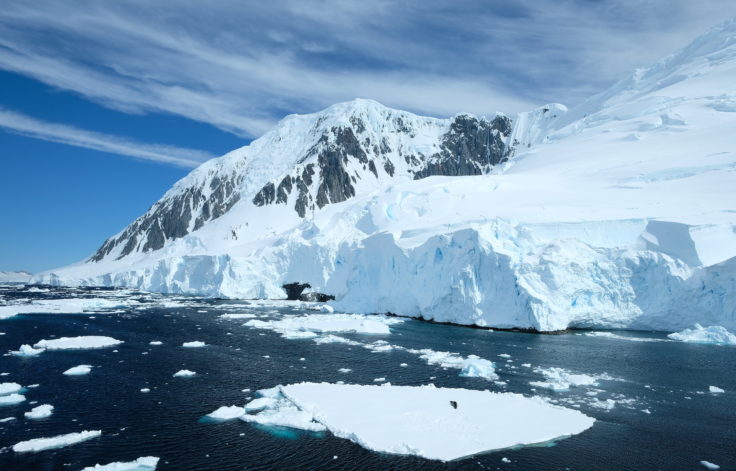
Warming water and receding sea ice in the Western Antarctic Peninsula is changing the local plankton community with potential consequences for climate change, according to an international team of researchers. […]
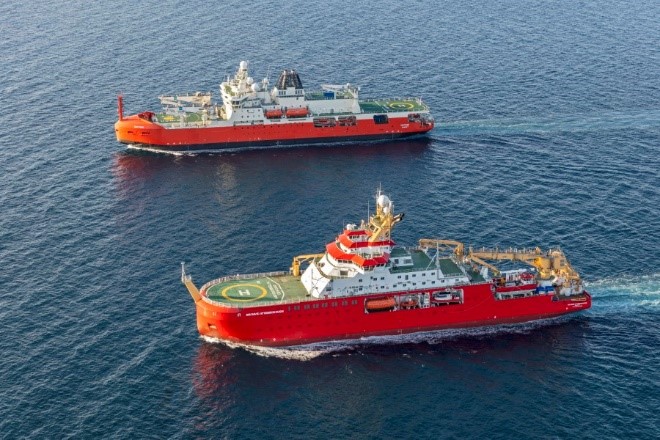
The UK and Australia’s two new polar research ships get together off the coast of Falmouth during sea trials.